
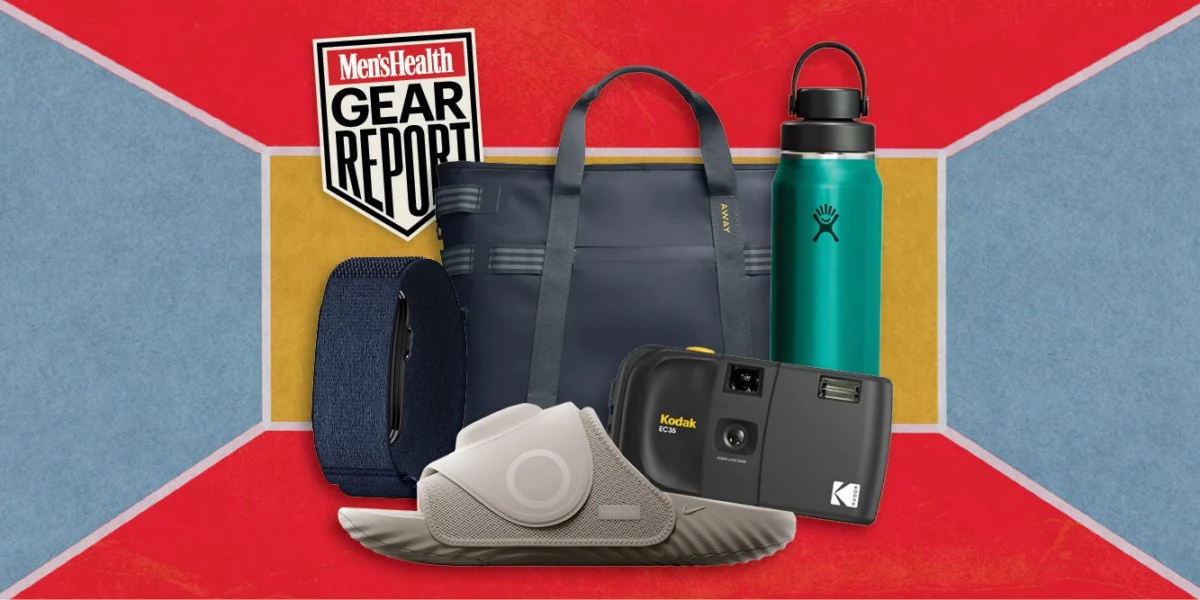
"True innovation in the modern gear landscape is defined by a shift toward screenless mindfulness, specialized recovery tools, and technical apparel that prioritizes thermal efficiency over unnecessary complexity."

The consumer market is currently witnessing a significant pivot away from "feature-heavy" gadgets in favor of intentional, high-utility tools designed to enhance physical performance and mental clarity. As digital fatigue becomes a primary concern for athletes and professionals alike, the latest wave of product releases emphasizes screenless tracking, analog experiences, and sophisticated material science to solve age-old problems in hydration, insulation, and recovery.

The Rise of the Screenless Wellness Ecosystem
For years, the fitness industry was dominated by the "more is more" philosophy regarding data visualization. However, a new trend toward screenless tracking is emerging, led by industry titans like Garmin. The Garmin Cirqa represents a bold entry into this category, offering a streamlined fitness tracker that eschews the traditional watch face. By removing the screen, Garmin addresses two major consumer pain points: notification fatigue and the aesthetic burden of wearing a traditional smartwatch. Perhaps more importantly, the Cirqa operates without the recurring monthly membership fees that have become standard for competitors like Whoop or Oura, signaling a return to a "buy-it-once" ownership model.

This desire for a less intrusive digital life extends into the bedroom. Hatch’s new Sleep Clock takes a contactless approach to wellness. Unlike wearable rings or watches that can be uncomfortable during rest, this device sits on a nightstand and utilizes sensors to detect micro-movements and breathing patterns. It effectively bridges the gap between a traditional sound machine and a high-tech medical monitor, providing actionable sleep data without requiring the user to "plug in" before bed. Similarly, Ozlo’s Sleepbuds 2 are engineered for the specific ergonomics of side-sleepers, focusing on noise-masking and sleep tracking through a low-profile design that disappears into the ear, further illustrating the industry’s commitment to "invisible" technology.

Engineering the Future of Footwear
The footwear sector continues to push the boundaries of specialized performance, particularly in the realms of trail running and "transitional" training. Merrell’s 45th anniversary has been marked by the release of the MTL SpeedArc Peak, a shoe designed specifically to be the brand’s fastest trail runner to date. By integrating high-level technical specs with a focus on pace-pushing comfort, Merrell has secured its position at the top of the trail-running hierarchy.

Simultaneously, a more niche movement is occurring in the gym. Forged & Tested, a brand born from the extensive review experience of industry expert Jake Boly, has introduced the Catalyst. This shoe is designed as a "transitional" model for athletes who want the benefits of minimalist, zero-drop footwear—such as natural toe splay and ground feel—without sacrificing the necessary cushion for heavy lifts like squats and deadlifts. This hybrid approach is echoed by While on Earth’s Rhythm Runner, a minimalist shoe that has proven versatile enough for everything from marathon training to casual daily use. Even in the world of golf, Adidas is leveraging its proprietary Boost midsole technology in the Codechaos 27 to provide spikeless stability and high-energy return, proving that comfort and traction are no longer mutually exclusive on the green.

Advanced Recovery and the "Active Rest" Philosophy
Perhaps the most futuristic development in recent months is the collaboration between Nike and Hyperice. Following the success of their portable compression boots, the duo has announced the AirZoom Hyperslide. Set for release on September 29, this $250 recovery slide integrates heat and vibration therapy directly into the forefoot strap. By targeting the top of the foot with localized treatment, Nike and Hyperice are moving recovery out of the training room and into the athlete’s everyday life.

This focus on recovery is not limited to footwear. The Kobo Libra Colour eReader serves as a recovery tool for the mind. By combining a 7-inch E Ink color display with physical buttons and Libby integration for library books, it offers a tactile, distraction-free reading experience. In an era where "scrolling" has replaced "reading," the Libra Colour provides a purpose-built alternative that allows for mental decompression without the blue-light interference of a smartphone.

Material Science and Thermal Efficiency
In the world of technical apparel, Mountain Hardwear has fundamentally reimagined the construction of the down jacket. The updated Stretchdown line features a new "Cohesion insulation interlock" baffling system. Traditional down jackets often suffer from "migration," where the insulation shifts within the baffles, creating cold spots. Mountain Hardwear’s new technology creates a physical "plug" at the baffle joins, reducing insulation migration by a staggering 60 percent. This result is a more efficient thermal barrier that maintains its integrity even during high-output alpine activities.

Hydration technology is following a similar path toward refined efficiency. Hydro Flask’s new Lightweight Series addresses the weight-to-volume ratio that often plagues stainless steel bottles. By bringing the weight of a 32-ounce bottle under 14 ounces while maintaining the brand’s signature temperature retention, they have optimized the carry for long-distance hikers and commuters. The inclusion of a "chug cap" further refines the user experience, offering the flow of a wide-mouth bottle with the spill-resistance of a narrow-mouth lid, all without the hygiene issues associated with complex straw mechanisms.

Tactical Travel and the Modern Commute
The "daily carry" has become increasingly specialized, with brands like Yeti and Away applying their rugged engineering to everyday items. Yeti’s Palo 20L Active Backpack introduces the RipZip opening to a slimmed-down profile, creating a "gym-to-office" bag that prioritizes speed of access. Meanwhile, Away has entered the soft cooler market with a 30-liter Cooler Tote that offers nine hours of insulation. By adding thoughtful features like a front pocket and a dedicated strap for blankets or towels, Away is challenging endemic outdoor brands by focusing on the specific needs of the "day-tripper" rather than the hardcore survivalist.

Even the smallest accessories are seeing major upgrades. Twelve South’s Valet Slim provides a high-end leather charging station with Qi2 wireless technology, offering a smaller footprint for entryways and nightstands. For those on the move, Nomad’s ChargeKey 240W V2 does away with tangled wires entirely, providing a high-capacity USB-C charging solution that fits on a standard keyring. To ensure these expensive essentials are never lost, Eufy’s SmartTrack Card E40 offers a sleek, credit-card-sized tracker compatible with both iOS and Android, featuring a loud 80-decibel alarm and wireless charging capabilities.

The Return of the Analog Experience
Perhaps the most surprising entry in the current gear cycle is Kodak’s return to 35mm film with the EC35. This affordable point-and-shoot camera taps into a growing cultural yearning for manual, screenless experiences. In a world where every moment is instantly digitized, filtered, and uploaded, the delay and physical nature of film photography offer a form of "digital detox." It is a reminder that sometimes the best way to move forward is to look back at technologies that prioritize the experience over the output.

From the technical baffling of a Mountain Hardwear jacket to the vibration-therapy straps of a Nike slide, the current state of consumer gear is one of extreme specialization. Manufacturers are no longer just making products; they are engineering solutions for a population that is increasingly conscious of its physical recovery, its digital footprint, and its environmental efficiency. Whether it is through the removal of a screen or the addition of a new insulation interlock, the goal remains the same: to create tools that allow the user to perform better, recover faster, and live more intentionally.
