
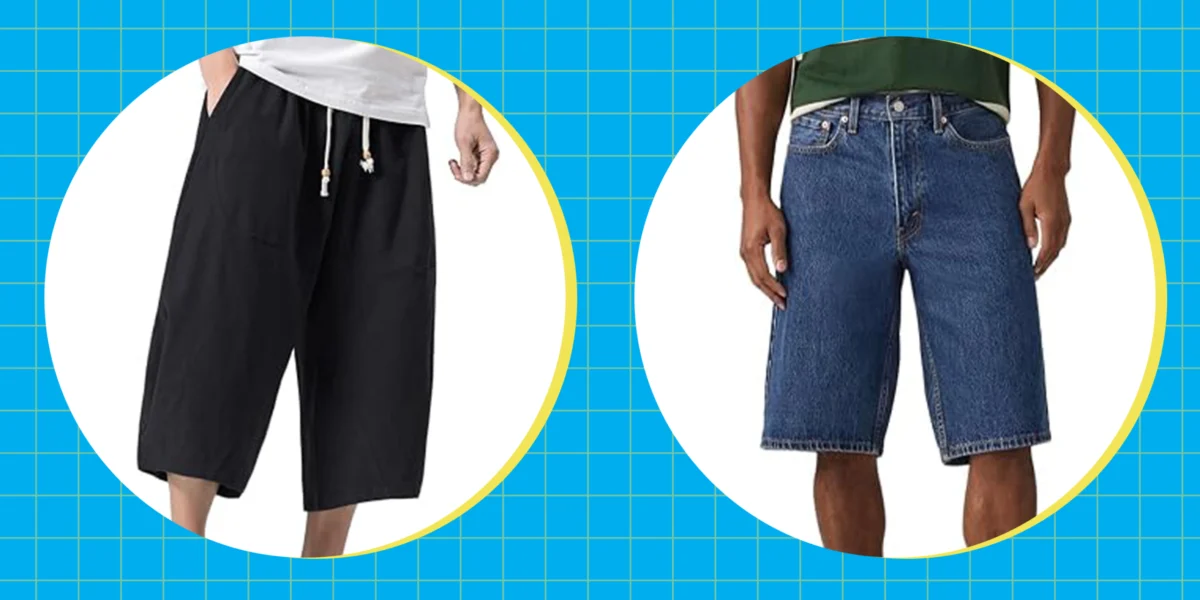
"As summer temperatures reach record highs, the shift toward oversized shorts represents a strategic marriage of thermal regulation and modern proportion, proving that volume is often the ultimate cooling agent."
For the better part of the last decade, menswear has been dominated by the "shorter is better" philosophy, with five-inch and seven-inch inseams becoming the gold standard for the modern man. However, as fashion cycles oscillate and functional needs evolve, the pendulum is swinging back toward the relaxed, voluminous silhouettes of the late 1990s and early 2000s. This shift is not merely a nostalgic retreat but a calculated response to the realities of summer dressing, where the primary objective is to maintain a polished appearance without sacrificing physical comfort. By prioritizing airflow and balanced proportions, the "big short" movement offers a sophisticated alternative to the restrictive fits of the recent past, catering to a diverse range of aesthetics from rugged workwear to refined tailoring.

The Thermodynamics of the Wide-Leg Silhouette
The most immediate argument for the adoption of oversized shorts is rooted in basic thermodynamics. In high-heat environments, clothing that sits close to the skin acts as an insulator, trapping body heat and moisture against the epidermis. This often results in the "sticky" sensation associated with slim-fit synthetics or heavy denims. In contrast, baggy shorts operate on the principle of convection. The additional space between the fabric and the leg allows for consistent air circulation, creating a chimney effect that pulls heat away from the body.
Furthermore, the increased surface area of a wider leg opening provides more opportunities for ambient breezes to enter the garment. When the mercury climbs into the 90s, the difference between a restrictive chino short and a roomy carpenter or mesh style is more than aesthetic; it is a matter of endurance. For the modern man navigating a humid urban environment or a sun-drenched outdoor event, the oversized silhouette provides a micro-climate of sorts, ensuring that comfort is maintained from the first morning coffee to the final evening engagement.
The Aesthetic Logic: Balancing the "Big Fit"
Beyond the functional benefits, the rise of big shorts is a necessary response to the evolution of upper-body trends. In recent seasons, the "Big Fit"—characterized by dropped shoulders, boxy tees, and oversized linen button-downs—has become the dominant look in both streetwear and high fashion. Pairing a voluminous, oversized t-shirt with tiny, narrow shorts often creates a "top-heavy" visual effect that can appear unbalanced or unintentional.

Adopting a more relaxed short restores the structural integrity of the outfit. A wider leg creates a continuous line of volume from the shoulder down to the mid-thigh or knee, resulting in a more cohesive and intentional silhouette. Whether one is wearing a cropped, heavy-weight jersey tee or a breezy, flowing camp-collar shirt, the oversized short acts as a grounding element. It provides the visual weight necessary to support modern proportions, ensuring the wearer looks contemporary rather than like they are outgrowing their wardrobe.
The Denim Renaissance: The Return of the "Jort"
Leading the charge in this category is the revitalization of the denim short, or "jort." For years, the denim short was unfairly maligned as a relic of uninspired dad-dressing. However, brands like Levi’s have reclaimed the narrative with pieces like the 470 Baggy Shorts. Denim, by its nature, provides a level of texture and structural presence that lighter fabrics lack.
The appeal of the baggy denim short lies in its ability to age gracefully. Unlike technical fabrics that may pill or lose their shape, high-quality denim acquires character with every wear. A pair of baggy jorts paired with a crisp white tee and retro sneakers offers a rugged, Americana-inspired look that is both timeless and timely. As these shorts break in, they mold to the wearer’s movements while maintaining the wide-leg profile that defines the current era.

The Comfort Paradigm: Sweat Shorts and Athleisure
As the boundaries between home life and professional life continue to blur, the demand for "soft dressing" has skyrocketed. The baggy sweat short is the pinnacle of this movement. Options like those from Coolgym provide an oversized, athletic fit that prioritizes ease of movement and tactile comfort.
Constructed from heavy-weight cotton blends or French terry, these shorts offer a cozy alternative to joggers. They are designed for the "in-between" moments of life—running errands, working from a home office, or traveling. The key to styling these without looking disheveled is to lean into the oversized aesthetic. By choosing a pair with a deliberate, intentional drape, the wearer signals that the look is a stylistic choice rather than a lack of effort.
Nostalgia and Innovation: Linen and the Capri Cut
One of the more daring entries into the big short trend is the resurgence of the capri or "long-short" length, often executed in lightweight materials like linen. The Magnivit Japanese Linen Baggy Capri represents a fusion of traditional eastern silhouettes and modern western trends. Linen is the ultimate summer fabric, prized for its breathability and its ability to wick moisture away from the skin.

The longer, below-the-knee cut evokes a sense of 90s nostalgia while tapping into the "Gorpcore" and minimalist aesthetics currently dominating social media. This length provides extra sun protection for the thighs while the linen fabric ensures the wearer remains cool. It is a sophisticated, "Euro-summer" look that pairs exceptionally well with leather sandals or minimalist loafers, offering a departure from the standard mid-thigh utility short.
Utility and Professionalism: The Office-Ready Big Short
The transition of shorts into the professional sphere has been a slow but steady process. The challenge has always been finding a balance between the casual nature of the garment and the requirements of an office environment. Tailored work shorts, such as the Dickies 15-Inch Relaxed Fit, provide a solution.
By utilizing durable, twill fabrics and maintaining a structured, relaxed fit, these shorts mimic the appearance of traditional chinos while offering the comfort of a wider leg. When paired with a tucked-in polo or a light button-down, the 15-inch inseam offers a conservative yet stylish silhouette. This "workwear-meets-office" hybrid acknowledges that professional standards are evolving toward practicality, especially during the summer months.

Similarly, the cargo short has undergone a significant redemption. The modern cargo, like the Unionbay Cordova, avoids the excessive bulk of its predecessors. Instead, it offers a clean, streamlined silhouette with integrated utility pockets. This "refined cargo" fits perfectly into the current trend of functional fashion, where the ability to carry essentials—smartphone, keys, wallet—without distorting the lines of the garment is highly valued.
The New Prep: Pleated Volume
For those who prefer a more "Quiet Luxury" or "Old Money" aesthetic, the big pleated short is the definitive choice. Pleats are not just a decorative element; they are a functional tool used to add volume and drape to a garment. A pleated short, such as the Oyoangle Pleat Front Baggy Short, allows the fabric to flow away from the hips, creating a sophisticated, architectural look.
This style of short bridges the gap between casual summer wear and formal tailoring. The pleats provide a level of visual interest that makes the shorts feel "dressed up," making them suitable for summer weddings, upscale garden parties, or outdoor dining. When paired with loafers and a knit shirt, the pleated big short proves that oversized does not have to mean unrefined.

The Path Forward
The "Big Short" trend is more than a fleeting fashion moment; it is a realignment of menswear priorities. It acknowledges that the human body requires space to breathe and that style is most effective when it works in harmony with the environment. By embracing volume, men are finding a new level of freedom in their summer wardrobes—freedom from the heat, freedom from restrictive tailoring, and freedom to experiment with new, bold proportions.
As we look toward future seasons, it is likely that the relaxed silhouette will remain a staple of the male wardrobe. Whether through the rugged durability of denim, the airy lightness of linen, or the structured elegance of pleats, the big short has proven its versatility. In the ongoing debate of summer style, the conclusion is becoming increasingly clear: bigger is not just better—it is essential.
