
"While a new device promises rapid relief from opioid withdrawal, its rapid adoption and questionable efficacy raise concerns about how millions in settlement money are being spent to combat the overdose crisis."
The opioid crisis continues to devastate communities across the United States, leaving a trail of addiction, loss, and desperation. In response, state and local governments have secured billions of dollars through legal settlements with pharmaceutical companies accused of fueling the epidemic. This funding is intended for addiction treatment and prevention initiatives. However, a new technology, the Neuro-Electric Therapy (NET) device, is rapidly consuming a significant portion of these funds, sparking debate among researchers, recovery advocates, and public officials about its true efficacy and the responsible allocation of settlement dollars.
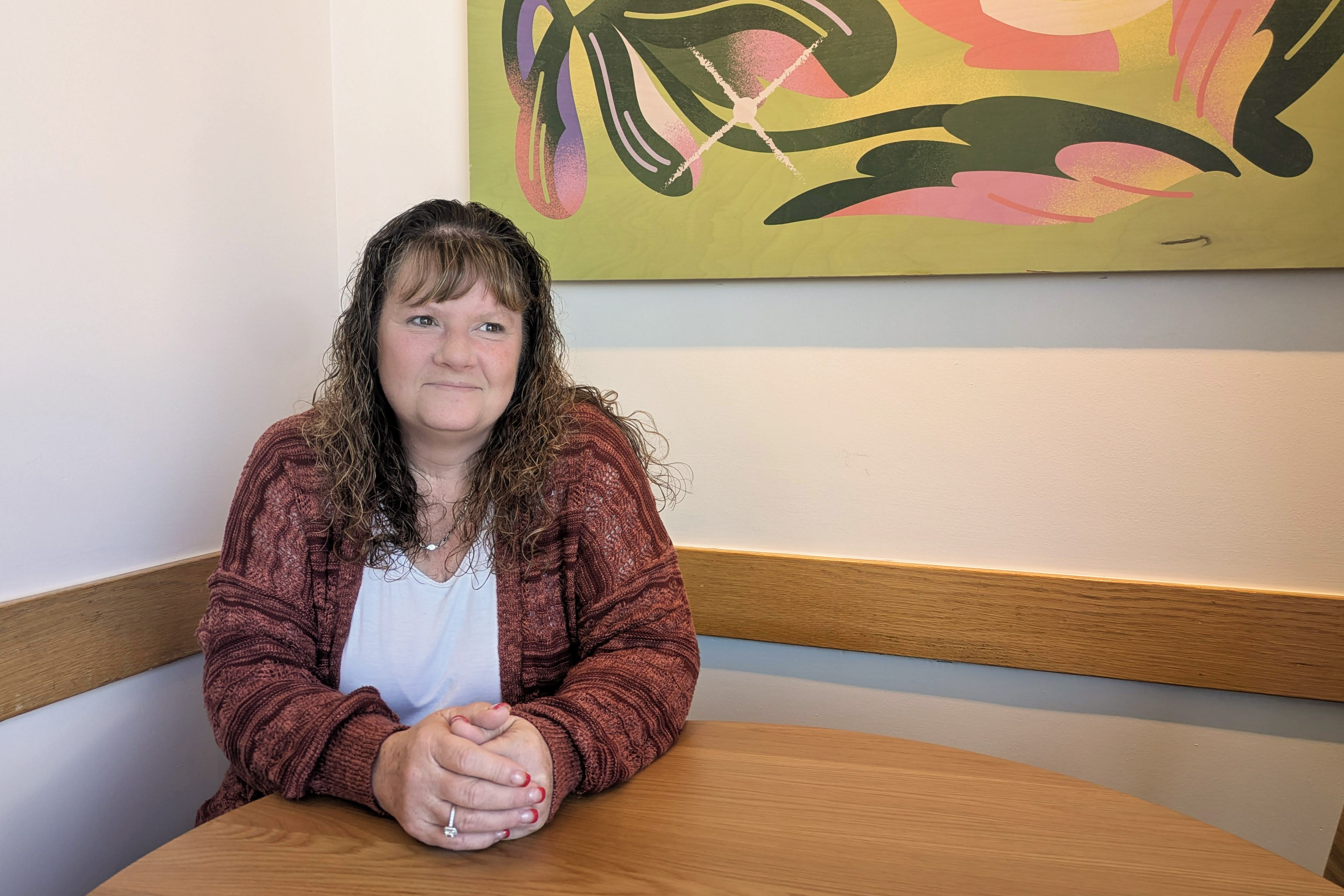
The story of Michelle Warfield, a resident of Shelbyville, Kentucky, exemplifies the complex landscape of addiction treatment and the promises of new technologies. Warfield’s journey began in the early 2000s, working in a factory where the physically demanding job of handling truck seats led to chronic back and hip pain. Her doctor prescribed opioid painkillers, a common pathway into addiction for many. By 2011, her pain had escalated, and she found herself struggling to walk, admitting, "by that time, I was addicted."
The loss of her health insurance compounded her struggles, forcing her to seek pills on the street. Repeated attempts to quit were thwarted by severe withdrawal symptoms, described as so debilitating she couldn’t leave her bed. Her cycle of addiction continued until, the previous year, she discovered the NET device through her church. This cellphone-sized device, connected to gel electrodes placed near the ear, delivers low-level electrical pulses to the brain. Warfield reported an immediate impact: "Once I got set up on the device, within 30 minutes, I didn’t have any cravings." After just three days of use in August, she claims to have stopped using drugs altogether.
Warfield’s treatment was funded by her county’s allocation of opioid settlement dollars, a financial stream intended to address the multifaceted consequences of the opioid crisis. Across the nation, governments are grappling with how to best utilize these billions of dollars over the next two decades, with the primary directive being the treatment and prevention of addiction.
The NET device, manufactured by NET Recovery, costs counties approximately $5,500 per person. The company reports securing around $1.2 million in contracts with over a dozen cities and counties in Kentucky alone. While Warfield champions the device as a vital component of her recovery, a growing chorus of researchers and recovery advocates voices concerns about NET Recovery’s aggressive pursuit of these settlement funds. They perceive the NET device as the latest in a series of innovations marketed as panaceas for addiction, potentially exploiting the urgency of the crisis and the influx of settlement money. Critics point to a history of similar products, ranging from high-dose overdose reversal medications to body scanners for correctional facilities, that have been promoted with grand promises but limited empirical support. Sales representatives for these products are frequently accused of lobbying elected officials and providing pre-written templates to solicit settlement funds.

This pattern is not new. A similar device, known as the Bridge, gained traction several years ago and received over $215,000 in opioid settlement funds nationwide. However, significant questions arose regarding the validity of the study supporting its effectiveness, leading to its withdrawal from the market. Tricia Christensen, a national expert on opioid settlements based in Tennessee, observes that NET Recovery’s approach "fits the national trends of these industry money grabs." While acknowledging that the device "could be helpful for some," she cautions that "it’s being sold as a silver bullet."
Reflecting these concerns, 237 organizations dedicated to ending overdoses, including Christensen’s consulting firm, published a roadmap for officials managing opioid settlement funds. This guide specifically cited the NET device as an example of problematic spending on unproven treatments.
Distinguishing Withdrawal Management from Addiction Treatment
A critical point of contention lies in the FDA’s classification of the NET device. The Food and Drug Administration has cleared the device for a specific purpose: the reduction of drug withdrawal symptoms. It has not approved it as a treatment for addiction itself. This distinction is crucial, according to Eric Hulsey, executive director of the Institute for Research, Education and Training in Addictions (IRETA). Hulsey, who co-authored a recent report evaluating neuromodulation devices like NET, emphasizes that "the term ‘treatment’ becomes confusing. These devices were cleared to treat opioid withdrawal symptoms, not to treat an opioid use disorder."
NET Recovery CEO Joe Winston, however, maintains that the company operates within FDA guidelines, advertising the device solely for withdrawal management. He notes, "we are finding that physicians are prescribing this to folks for long-term behavior based on the results of our study." Winston is referring to an October study, co-authored by him and funded by NET Recovery, which followed two groups of addiction patients in Kentucky over 12 weeks. One group received the NET device for up to seven days, while the control group received a sham treatment. The study found no statistically significant difference in outcomes between the groups, with participants using the NET device being just as likely to use illicit drugs post-treatment as those in the sham group.
Hulsey, who was not involved in the study, interprets these findings as evidence that "they didn’t find that was effective." He points out that a subgroup of participants who used the device for more than 24 consecutive hours did report using illicit drugs less frequently. However, Hulsey, along with the study’s authors, suggests this finding may be attributed to participant motivation rather than the device’s inherent efficacy. Those more motivated to engage with any form of treatment, including extended use of the NET device, might naturally exhibit better outcomes.
Rapid Growth and Marketing Strategies
Winston, however, views the subgroup’s results as "intriguing and outstanding." This perspective appears to be driving the company’s expansion. NET Recovery is opening a physical location in Miami, where the device will be available for $8,000 out-of-pocket, a significantly higher price than charged to county governments. The company has also applied for state opioid settlement funds in Kentucky to conduct a larger research study and plans to introduce the NET device in metropolitan areas like Louisville and Lexington.
To bolster its presence in Kentucky, NET Recovery hired Kelly Dycus, a magistrate in Franklin County, to lead its state operations. Magistrates in Kentucky function similarly to county commissioners. Dycus, who is also a mental health clinician, has been actively promoting the device’s benefits to county officials. Notably, Franklin County awarded $75,000 to NET Recovery prior to Dycus joining the company, and she stated her intention to recuse herself from future contract votes in her county.
Christensen, the opioid settlement expert, views Dycus’s role as "extremely strategic" for NET Recovery and a "clear conflict of interest" for a public official.
Diversion of Funds and the Debate Over Treatment Modalities
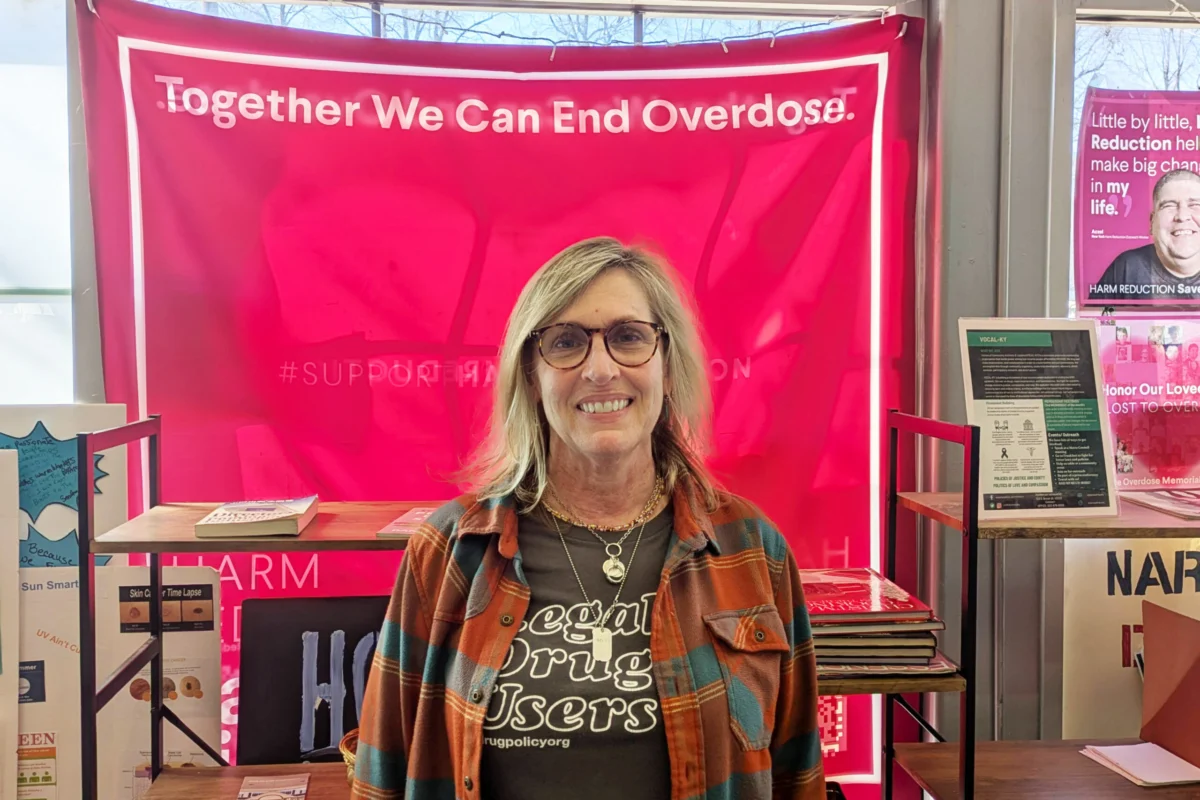
Jennifer Twyman, who has personal experience with opioid addiction and now works with Vocal-KY, a nonprofit advocating for an end to homelessness and the war on drugs, acknowledges the general benefit of increased recovery options. However, she expresses concern that investing settlement funds in nascent technologies like the NET device diverts critical resources from established, evidence-based interventions. These include mental health treatment, housing assistance, and transportation programs, which are essential for many individuals struggling with substance use disorders. "People slip through these big, huge gaps we have and they die," Twyman stated, gesturing to photographs of deceased friends displayed in her office.
Twyman advocates for wider access to medications such as methadone and buprenorphine, widely recognized as the gold standard for treating opioid addiction. National data reveals that only about one in four individuals with opioid addiction receive these medications, often due to cost, lack of physician availability, or transportation barriers. Furthermore, Twyman notes the persistent stigma against medication-assisted treatment, with detractors often framing it as merely "swapping one drug for another." This narrative is sometimes amplified by companies like NET Recovery.
For instance, Derran Broyles, jailer of Scott County, Kentucky, and a figure NET Recovery considers a key supporter, publicly stated at a meeting that medication treatment is simply "swapping one drug for another." This sentiment, widely refuted by researchers and clinicians, is a common refrain from critics of medication-assisted treatment.

Joe Winston counters that his company supports all recovery pathways but believes the NET device can serve an "underserved population" of individuals who are averse to medication-based treatment. Mark Greenwald, a seasoned addiction researcher who has conducted studies for NET Recovery and consults for Indivior, a major producer of medications for opioid use disorder, sees value in both approaches. He suggests that the optimal treatment depends on the individual. For those with a history of injecting drugs or high fentanyl use, who face a greater risk of relapse after residential treatment, Greenwald would "hesitate to recommend the device," as abstinence-based approaches can increase their mortality risk. However, for individuals "highly motivated to stay abstinent," the NET device might be a suitable option. "Giving people choices is the right thing to do," Greenwald concluded.
Community as a Pillar of Recovery
Michelle Warfield, who has remained opioid-free since August, credits her recovery not solely to the NET device but also to the robust community support she has cultivated. She acknowledges that the device is "not a miracle cure" and that managing triggers remains essential, but she finds it "easier" with the device’s assistance. Warfield actively participates in individual and group therapy to address childhood trauma, has forged close friendships within her church community, and has successfully reconnected with her daughter. The tangible step of installing a car seat to drive her grandson to preschool signifies her renewed engagement with life.
Warfield’s plea for opioid settlement funds to reach others in her community is simple yet profound: "I want people to get as much help as they can." Her experience highlights the potential of new technologies when integrated into a comprehensive recovery framework that includes community support, therapy, and personal commitment. However, the debate surrounding the NET device underscores the critical need for rigorous scientific evaluation and transparent allocation of public funds to ensure that the opioid settlement dollars are indeed serving their intended purpose: to effectively combat the ongoing addiction crisis.
