
"As advanced health screenings gain traction, offering a glimpse into our future health, they ignite a crucial debate: are these private ‘MOTs’ a vital frontier in preventative medicine, or do they risk sparking undue anxiety and straining public healthcare resources with potentially insignificant findings?"
The pursuit of proactive health has led to a booming market for comprehensive full-body health checks, often leveraging cutting-edge AI and imaging technologies. These services promise early detection of diseases ranging from skin cancer to cardiovascular conditions, shifting the paradigm from reactive treatment to preventative care. However, as individuals increasingly opt for these private screenings, the medical community remains divided, weighing the potential for life-saving interventions against concerns about over-diagnosis, patient anxiety, and the wider implications for public health systems. This article delves into the experiences of those who have undergone these scans, examining the hopes and hesitations surrounding this evolving landscape of personal health diagnostics.
In an era increasingly defined by readily available data and a growing emphasis on proactive personal management, the concept of a "full-body MOT" has transcended automotive maintenance to become a sought-after trend in human health. Private clinics, armed with advanced imaging and artificial intelligence, are offering individuals unprecedented insights into their physiological well-being, promising to identify potential health issues before symptoms even manifest. This burgeoning market, exemplified by companies like Prenuvo, Ezra, and Neko Health, reflects a growing willingness among consumers to invest significant sums—hundreds, even thousands, of pounds—in early detection and preventative care. This trend is driven by a desire for greater personal control over health outcomes and a response to the perceived limitations of traditional reactive healthcare models.
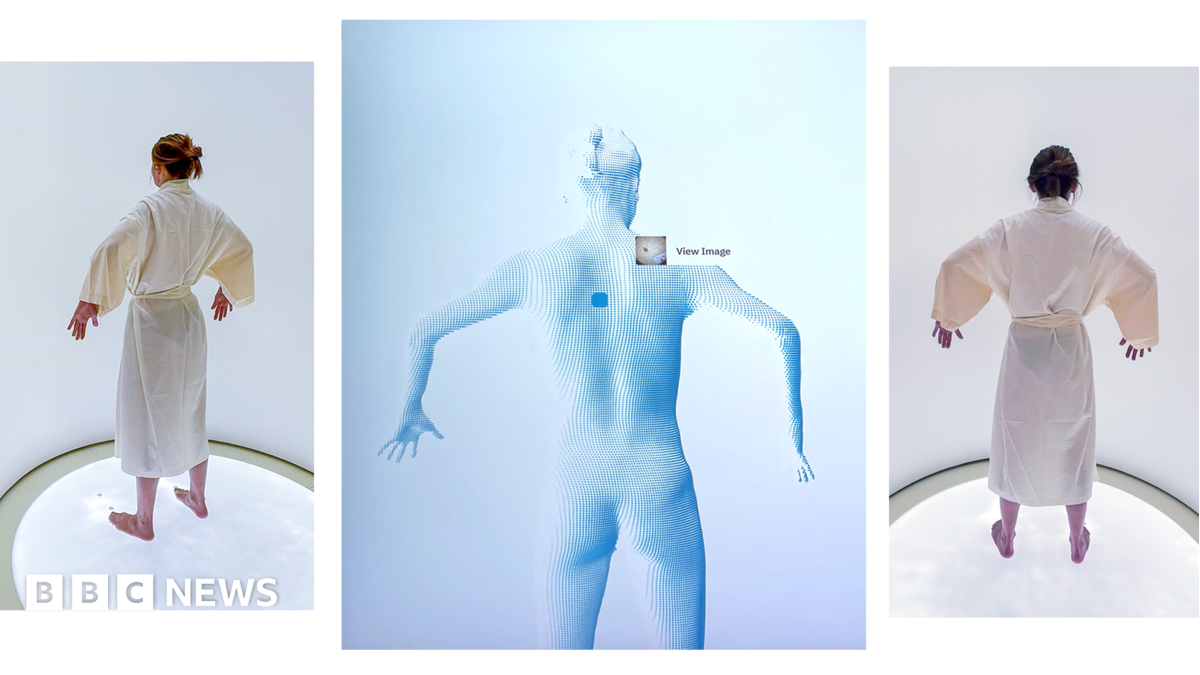
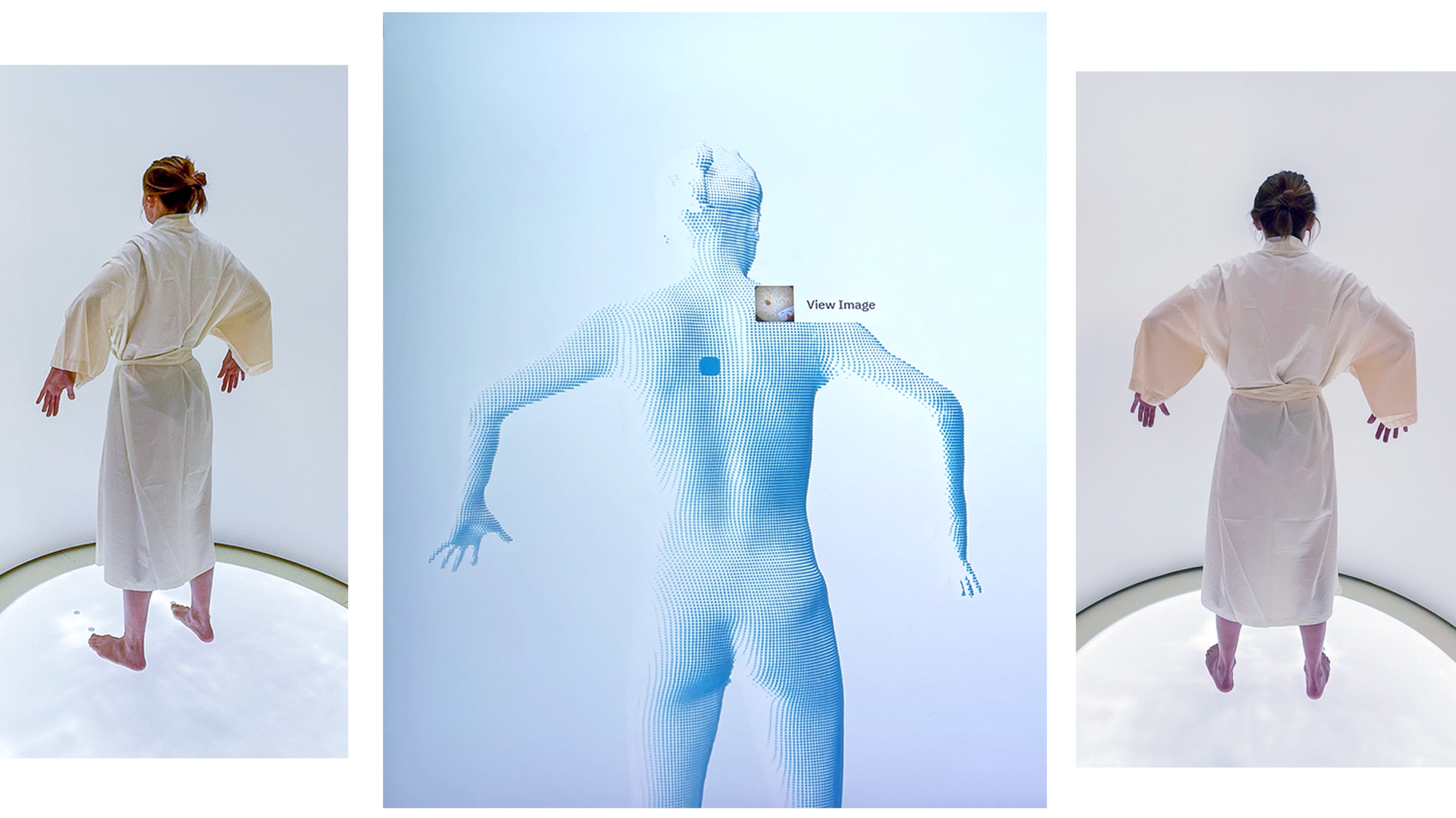
Health and wellbeing reporter Ruth Clegg recently embarked on her own diagnostic journey at a Neko Health clinic in Manchester, a facility designed with a distinct "sci-fi-style" aesthetic. Her experience, involving a sophisticated full-body scan, illuminates both the technological marvels and the contentious implications of this new frontier in healthcare. Stepping into a huge, curved scanner, Ruth described the initial apprehension of being subjected to "70 cameras pointing at me while I’m down to my knickers." As classical music played softly in the background, a robotic voice instructed her to stay still and close her eyes. In a rapid flash of light, 2,000 photographs were taken, meticulously designed to capture every mark, freckle, and mole across her body. These millions of data points were then processed by AI to create a detailed 3D avatar, primed for analysis of potential skin cancers. This meticulous process, costing a comparatively modest £299 for Neko Health’s offering, provides a broad screening for a range of conditions including various forms of skin cancer, cardiovascular disease indicators, markers for type 2 diabetes, eye conditions like glaucoma, and signs of kidney and blood disorders. The sheer demand for such services is evident in Neko Health’s reported 100,000-strong waiting list.
The philosophy underpinning these comprehensive screenings is compelling: if early detection can lead to better outcomes and potentially avert serious illness, why wait for symptoms to appear? Hjalmar Nilsonne, a co-founder of Neko Health, champions this preventative approach, asserting unequivocally that "the data is super clear – prevention is preferable to cure." He envisions a future where such proactive treatment is universally accessible, moving primary care beyond its current "very basic" reactive model to one that actively seeks out and mitigates health risks. This vision resonates with many who believe in empowering individuals with information to take control of their health trajectory. The market’s rapid expansion underscores this public appetite for detailed health insights, reflecting a societal shift towards greater health consciousness and personalized medicine.
However, this enthusiastic embrace of preventative scans is met with considerable caution from within the established medical community. General practitioners and NHS England have voiced significant concerns, warning that the surge in popularity of these private screenings could lead to "over-diagnosis, unnecessary investigations and avoidable anxiety." Prof Victoria Tzortziou Brown, president of the Royal College of GPs (RCGP), states emphatically that they have not seen "convincing evidence" that these broad screening tests consistently "improve health outcomes" for otherwise healthy patients. Furthermore, she highlights the potential strain these private results can place on the already stretched NHS, as patients often seek further tests and treatments for findings that ultimately prove to be "clinically insignificant." This burden extends beyond just diagnostic tests, encompassing consultations, specialist referrals, and the psychological impact of false positives or ambiguous findings.
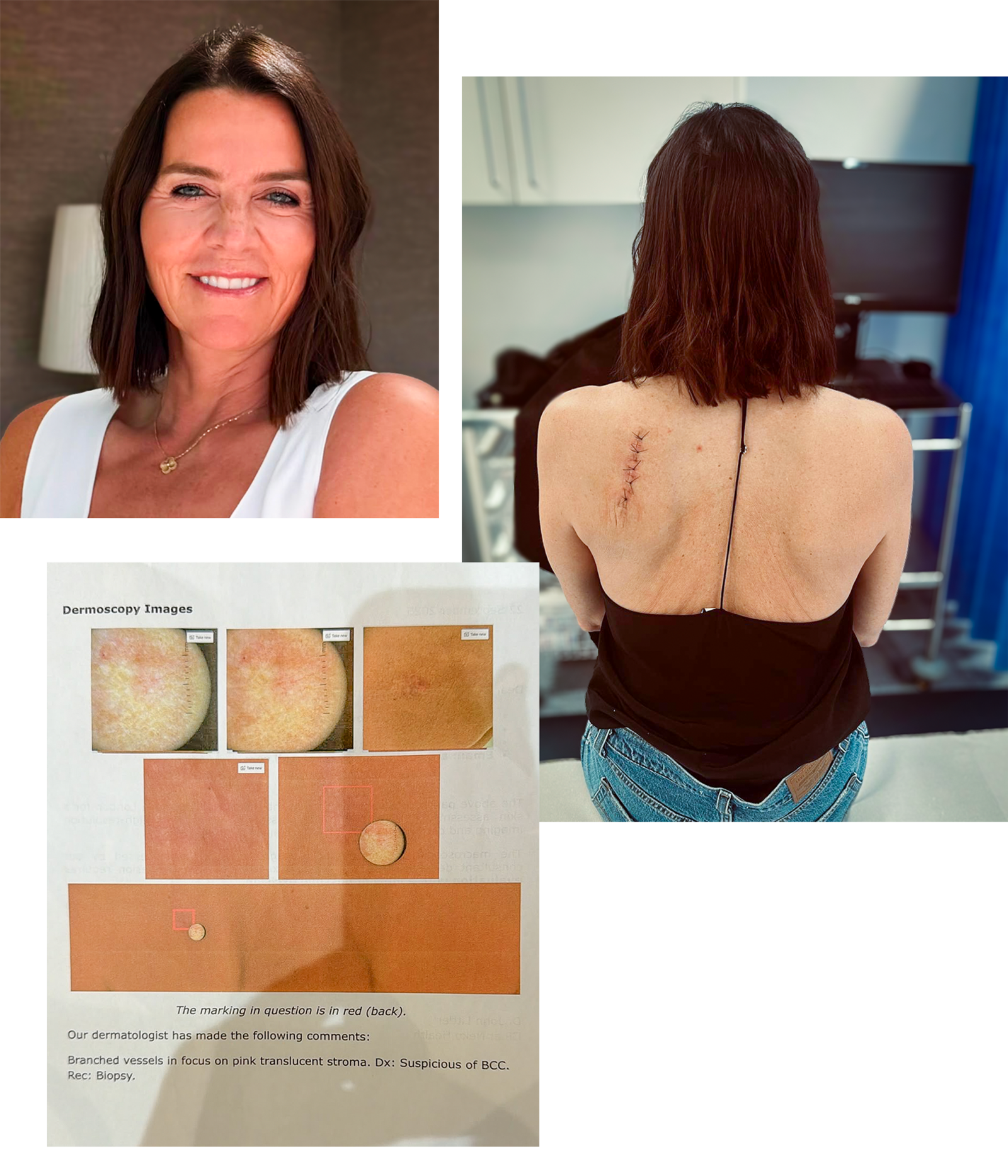
The debate is further illuminated by varied personal experiences, showcasing both the limitations and the potential life-saving capabilities of these technologies. Annabel Mason-Thompson, 50, sought a Neko Health scan last September, specifically aware of a suspicious mark on her back. To her dismay, the advanced AI technology failed to flag this particular mark, or indeed any of the four cancerous lesions she later discovered. "I felt a bit let down if I’m honest," Annabel recounts. "Their AI scanner failed to pick up any of my four cancerous lesions." It was only when she personally pointed out the red mark to a doctor during the post-scan consultation that it was examined. Subsequent examination and referrals to her private dermatologist led to the identification of four slow-growing basal cell carcinomas, requiring two excisions and two cryotherapy treatments. Neko Health, responding to Annabel’s experience, acknowledged that "no one system is foolproof," emphasizing the critical synergy between technology and human expertise. They clarified that their clinical team did identify a "lesion of concern" and initiated a referral for potential treatment. Annabel’s case underscores the limitations of even cutting-edge AI when not complemented by human oversight and, crucially, patient advocacy in highlighting specific concerns. Neko Health’s own data from 4,362 scans at its Stockholm headquarters last year showed 1.2% identified life-threatening conditions (such as melanoma and leukaemia), 4% revealed significant conditions needing further treatment, and 1.2% flagged reversible conditions such as pre-diabetic blood sugar levels. While these figures indicate potential benefits, their representativeness is limited to a self-selecting, paying clientele.
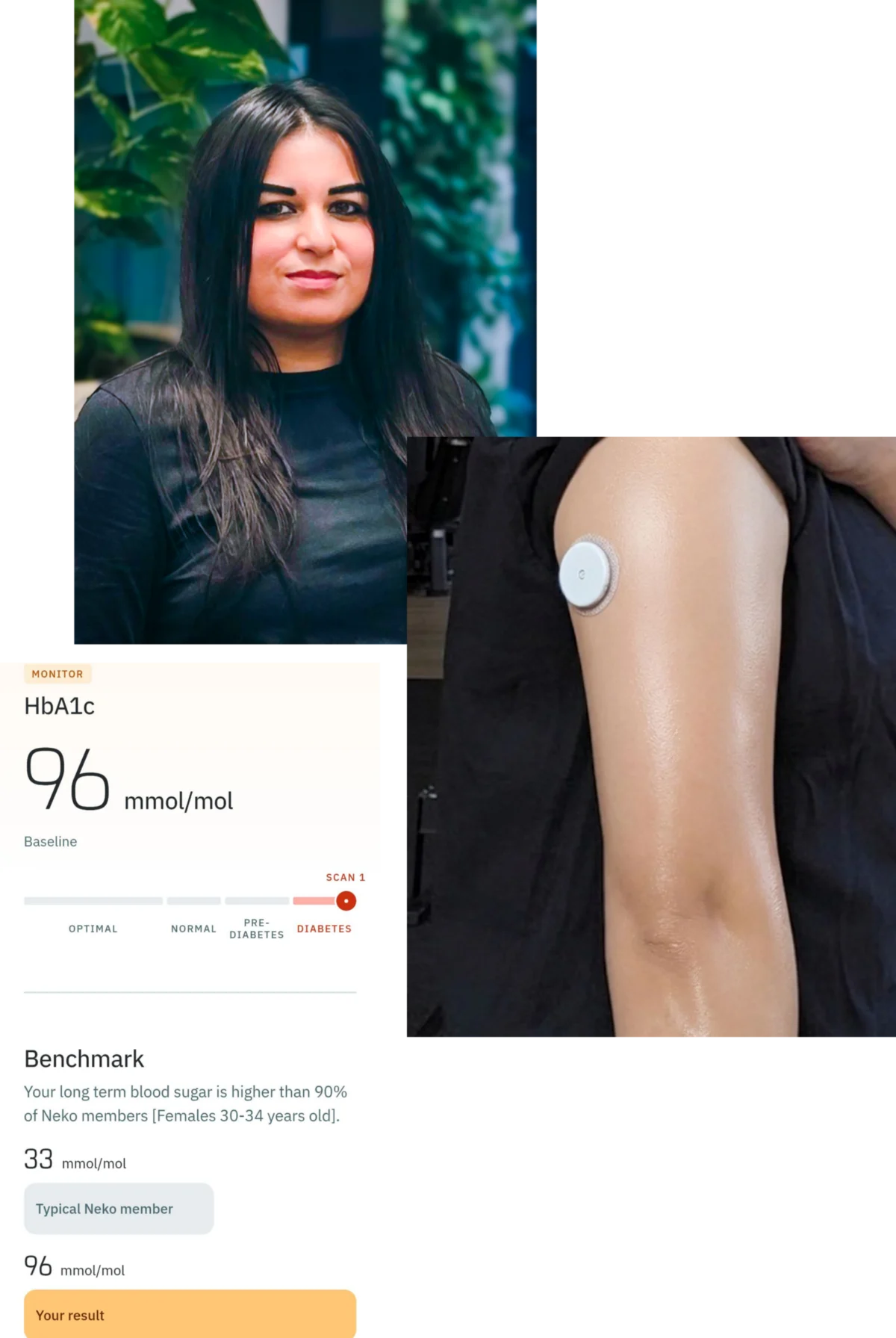
Conversely, Mehvish, a 33-year-old from Birmingham, experienced a life-altering intervention through her Neko Health scan. Expecting reassurance and a clean bill of health, she instead received a diagnosis of Latent Autoimmune Diabetes in Adults (LADA), a rare form of diabetes that combines characteristics of both type 1 and type 2. Despite exhibiting no prior symptoms, her long-term blood sugar levels were found to be alarmingly high during the screening. This unexpected discovery led to an urgent hospital appointment on the same day as her referral from her GP, and a subsequent diagnosis. LADA is an autoimmune condition that attacks the body’s pancreatic cells, similar to type 1 diabetes, but often progresses more slowly, sharing some traits with type 2 diabetes where early stages might be managed with diet and exercise. Mehvish now manages her condition with daily insulin injections and diligent dietary monitoring, a significant shift from her former spontaneous lifestyle. She firmly believes this "early, unexpected intervention saved my life," crediting the scan with improved clarity and reduced "brain fog," and a much more balanced feeling overall. Her story champions the potential of these scans to uncover silent diseases that might otherwise progress undetected for years, leading to more severe complications.
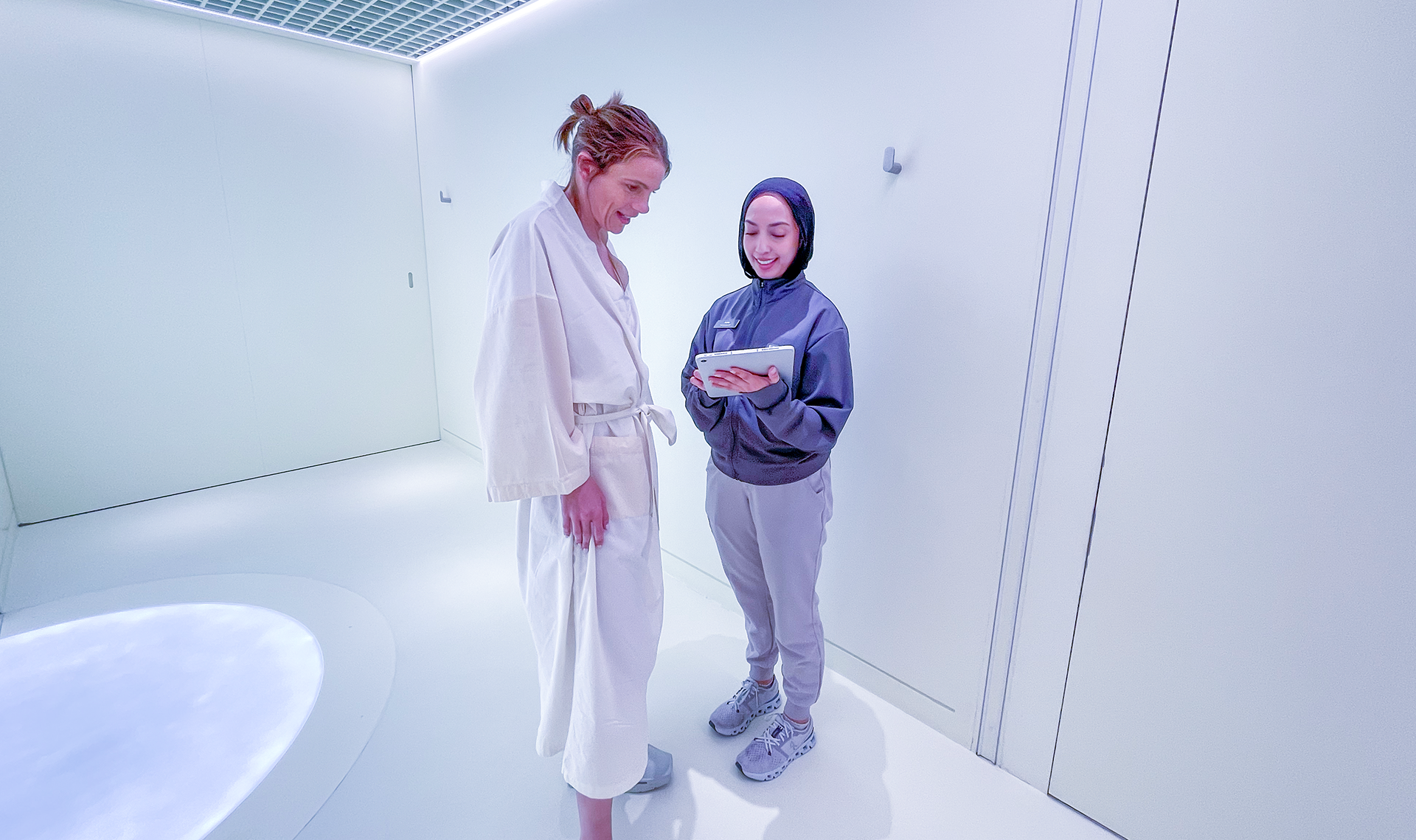
Ruth Clegg’s own findings echoed this duality of insight and anxiety. Initially confident of a clean bill of health, especially concerning her skin, she was surprised to learn her body carried a staggering 3,311 skin markings – significantly more than the average Neko Health client’s 845. Three of these required additional review by Neko Health’s dermatologists in Sweden, a revelation that she found "a bit unnerved." She was informed that her numerous freckles contributed to this count and inherently placed her at a higher risk of skin cancer. Adding to the initial alarm, her electrocardiogram (ECG) revealed an unusual "bifid P wave" in her heart rate, necessitating review by an in-house cardiologist. While both her skin markings and heart rhythm were ultimately deemed benign and required no further treatment a few days later, the interim period of uncertainty and the need for further scrutiny highlighted the very "unnecessary anxiety" that NHS professionals caution against. This experience underscores the emotional toll that preliminary findings, even if benign, can impose on individuals.
Dr Stephen Harden, president of the Royal Society of Radiologists, reinforces the argument for targeted screening, emphasizing that NHS programmes focus on "specific areas" like breasts, bowel, or cervix. These targeted approaches, he believes, may be "more reliable" than broad whole-body scans because they are often based on extensive epidemiological evidence and risk stratification. This suggests a strategic, evidence-based allocation of screening resources, contrasting with the more exploratory nature of private comprehensive checks.
However, former health minister Steve Brine offers a different perspective, suggesting that precautionary scans like Ruth’s align with the evolving "direction of travel of how people are approaching their health." He asserts that "prevention is a huge policy area" within the NHS, and that identifying potential problems before they escalate into full-blown patient cases is a desirable outcome for both individual well-being and healthcare system efficiency. Brine posits that these scans "could well become a part of our future healthcare," necessitating adaptation from primary care to integrate such proactive diagnostics effectively.
Ruth’s personal journey culminated in a largely positive health report, including a heart age estimated to be four years younger than her chronological age, and an overall assessment of "tip-top health." Yet, the most profound and lasting impact was the heightened awareness of her increased skin cancer risk due to her freckles. This knowledge has fundamentally altered her behaviour, transforming her approach to sun protection from a casual application on her face to diligent, full-body coverage. Her experience, like those of Annabel and Mehvish, underscores the complex tapestry of benefits and concerns woven into the fabric of full-body health screenings. While they hold the promise of early detection and life-saving interventions, they also bring forth critical questions about diagnostic accuracy, the psychological burden of uncertainty, and the equitable distribution of healthcare resources. As technology continues to advance, the dialogue between innovation and established medical practice will undoubtedly shape the future of preventative health for all.
