
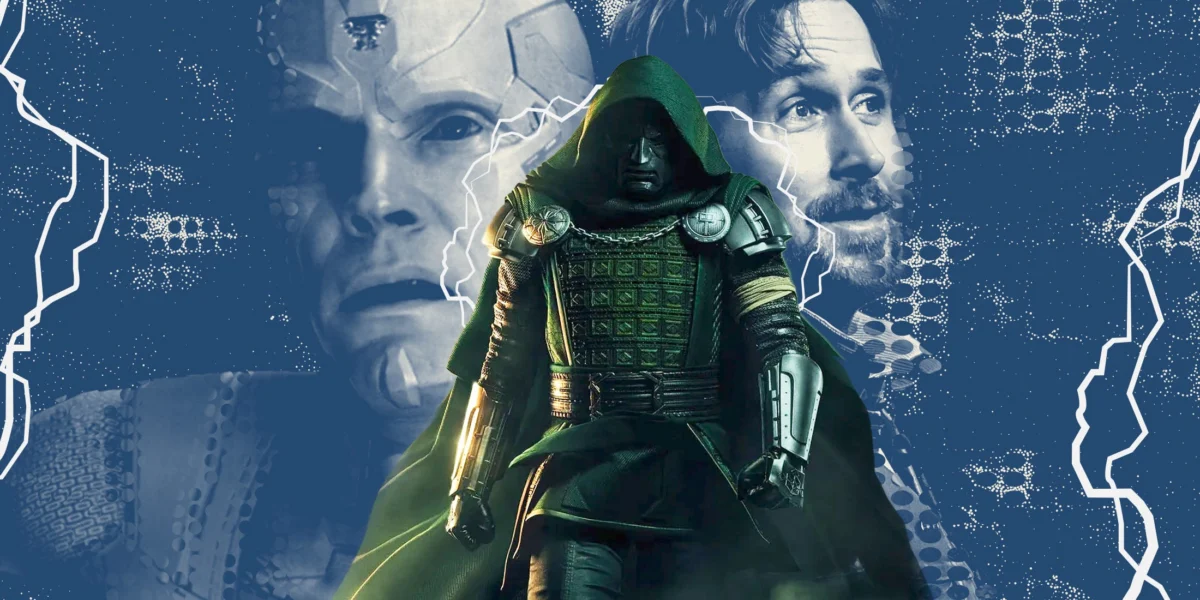
"As the Marvel Cinematic Universe pivots toward Phase 6, the franchise is doubling down on legacy stars and high-stakes multiversal storytelling to redefine its cinematic dominance through 2028."

The Marvel Cinematic Universe (MCU) stands at a critical juncture, transitioning from the experimental expansion of the post-Endgame era into a meticulously structured finale for the Multiverse Saga. Following a period of fluctuating reception and production delays, Marvel Studios, under the leadership of Kevin Feige, has recalibrated its strategy, favoring a blend of nostalgic returns and bold new casting to ensure the franchise’s long-term viability. This roadmap explores the upcoming slate of theatrical releases and streaming series that aim to stabilize the MCU and culminate in a crossover event of unprecedented scale.
The Return of the Russos and the Doom of the Avengers
The centerpiece of Marvel’s upcoming strategy is the radical rebranding of its fifth and sixth Avengers installments. Originally conceived as The Kang Dynasty, the fifth film has been officially scrapped and reimagined as Avengers: Doomsday, scheduled for release on December 18, 2026. This shift represents more than just a title change; it marks the return of Joe and Anthony Russo, the directorial duo responsible for the franchise’s most successful entries, including Infinity War and Endgame.

The most shocking development, however, is the casting of Robert Downey Jr. as Victor von Doom. While Downey Jr. is synonymous with the birth of the MCU as Tony Stark, his portrayal of Doctor Doom is expected to be a multiversal pivot that challenges the audience’s perception of the hero-villain dynamic. The film is set to feature a massive ensemble, including the "New Avengers" established in the wake of the Thunderbolts—Anthony Mackie’s Captain America, Paul Rudd’s Ant-Man, and Chris Hemsworth’s Thor. Furthermore, the narrative will integrate the Fox-era X-Men, including James Marsden’s Cyclops and Ian McKellen’s Magneto, signaling a full-scale convergence of Marvel’s cinematic history.
Following Doomsday, the saga will conclude with Avengers: Secret Wars on December 17, 2027. Drawing inspiration from Jonathan Hickman’s 2015 comic run, the film is expected to be a multiversal epic centered on the collapse of realities. With the Fantastic Four confirmed to play a pivotal role, Secret Wars serves as the ultimate "reset" button, potentially allowing Marvel Studios to streamline its continuity for the next decade of storytelling.

New Icons and Legacy Mantles
Beyond the Avengers tentpoles, Marvel is expanding its roster with long-gestating projects and sequels to its most culturally significant hits. One of the most anticipated additions is Ghost Rider, currently slated for 2028. After years of public lobbying, Ryan Gosling has officially secured the role of Johnny Blaze. The project reunites Gosling with director Shawn Levy and writer Jonathan Tropper, the creative team behind Star Wars: Starfighter. This version of Ghost Rider is expected to lean into the character’s "heavy metal" aesthetic, offering a grittier, supernatural edge to the MCU’s traditional superhero fare.
In December 2028, the franchise returns to Wakanda with Black Panther III. Following the massive success of Wakanda Forever, director Ryan Coogler is returning to the helm, this time opting to shoot the film on traditional celluloid to capture a more grounded, cinematic texture. The narrative core of the third installment involves the "aging up" of T’Challa Jr., who was introduced in the previous film’s post-credits scene. David Jonsson, a rising star known for his work in Industry and The Long Walk, has been cast to take up the mantle. Jonsson’s casting is a strategic move, positioning a critically acclaimed young actor to lead the franchise’s most prestigious sub-brand into the future.

The Integration of the Mutants
The arrival of the X-Men in the MCU has been the subject of speculation since Disney’s acquisition of 20th Century Fox. While the mutants have been teased in projects like Ms. Marvel and The Marvels, a standalone X-Men feature is now in active development for the post-Secret Wars era. Jake Schreier, who earned high praise for his work on Thunderbolts, has been tapped to direct.
Schreier is bringing a formidable creative team with him, including Beef creator Lee Sung Jin and The Bear showrunner Joanna Calo. This selection of talent suggests a character-driven, sophisticated approach to the mutant team. Early casting reports indicate that Samara Weaving will portray Emma Frost, while Kit Connor is set to play Cyclops. By focusing on high-caliber writers and a mix of established and rising stars, Marvel appears to be treating the X-Men reboot as a flagship priority that will define the franchise’s next "Saga."

Production Hurdles and Creative Overhauls
Despite the momentum of Phase 6, several projects continue to face significant production challenges. The Blade reboot remains the most prominent example of Marvel’s "production hell." Originally announced in 2019 with Mahershala Ali, the project has seen a revolving door of directors and writers. Recent reports indicate that Ali has officially exited the project, leaving the future of the vampire hunter in doubt.
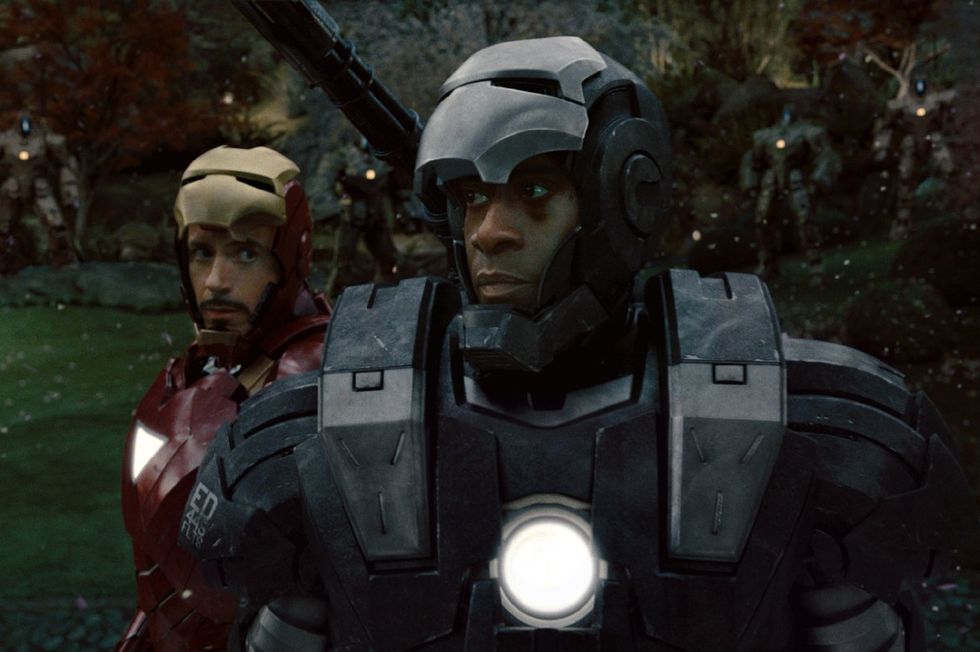
While Mia Goth remains attached—likely in a villainous capacity—the script, currently being handled by Michael Green (Logan), is reportedly aiming for an R-rating. This mature direction is seen as vital for the character’s success, but the lack of a lead actor and a firm release date makes Blade one of the most volatile projects on the slate. Similarly, Armor Wars, starring Don Cheadle as Jim Rhodes, has transitioned from a Disney+ series to a feature film, though it currently lacks a release window, leading to questions about its eventual place in the timeline.

The Evolution of Marvel on Disney+
The MCU’s television presence is also undergoing a strategic shift, moving away from "limited series" toward more traditional, multi-season structures. VisionQuest, scheduled for October 14, 2026, serves as a direct sequel to WandaVision. Paul Bettany returns as White Vision, a character seeking to reclaim his identity and memories after the events of Westview. The series is intended to complete a trilogy of stories that began with WandaVision and continued in Agatha All Along, potentially setting the stage for the return of Elizabeth Olsen’s Scarlet Witch.
Perhaps the most significant television event is the continuation of Daredevil: Born Again. After a high-profile creative overhaul in which the original scripts were scrapped in favor of a more grounded, "street-level" approach, the show has successfully integrated the legacy of the Netflix era. Season 3, expected in 2027, is rumored to finally reunite the full "Defenders" roster. With Charlie Cox (Daredevil) and Vincent D’Onofrio (Kingpin) already established, the third season is expected to bring Mike Colter’s Luke Cage and Finn Jones’s Iron Fist back into the fold, alongside Krysten Ritter’s Jessica Jones and Jon Bernthal’s Punisher. This move effectively canonizes the darker, urban corners of the Marvel Universe, providing a necessary counterweight to the cosmic stakes of the theatrical films.
A Meticulous Future
As the MCU marches toward 2028, the strategy is clear: reconcile the past while building a sustainable future. By bringing back veteran directors like the Russos and Ryan Coogler, and securing A-list talent like Robert Downey Jr. and Ryan Gosling, Marvel Studios is attempting to recapture the cultural "event" status that defined the Infinity Saga. While production difficulties on projects like Blade serve as a reminder of the complexities of modern franchise filmmaking, the sheer scale of the upcoming slate suggests that the Marvel Cinematic Universe remains the most ambitious narrative experiment in cinema history. Whether these disparate threads—from the streets of Hell’s Kitchen to the throne of Wakanda—can be woven into a cohesive whole will be the ultimate test of Kevin Feige’s meticulously planned vision.
