
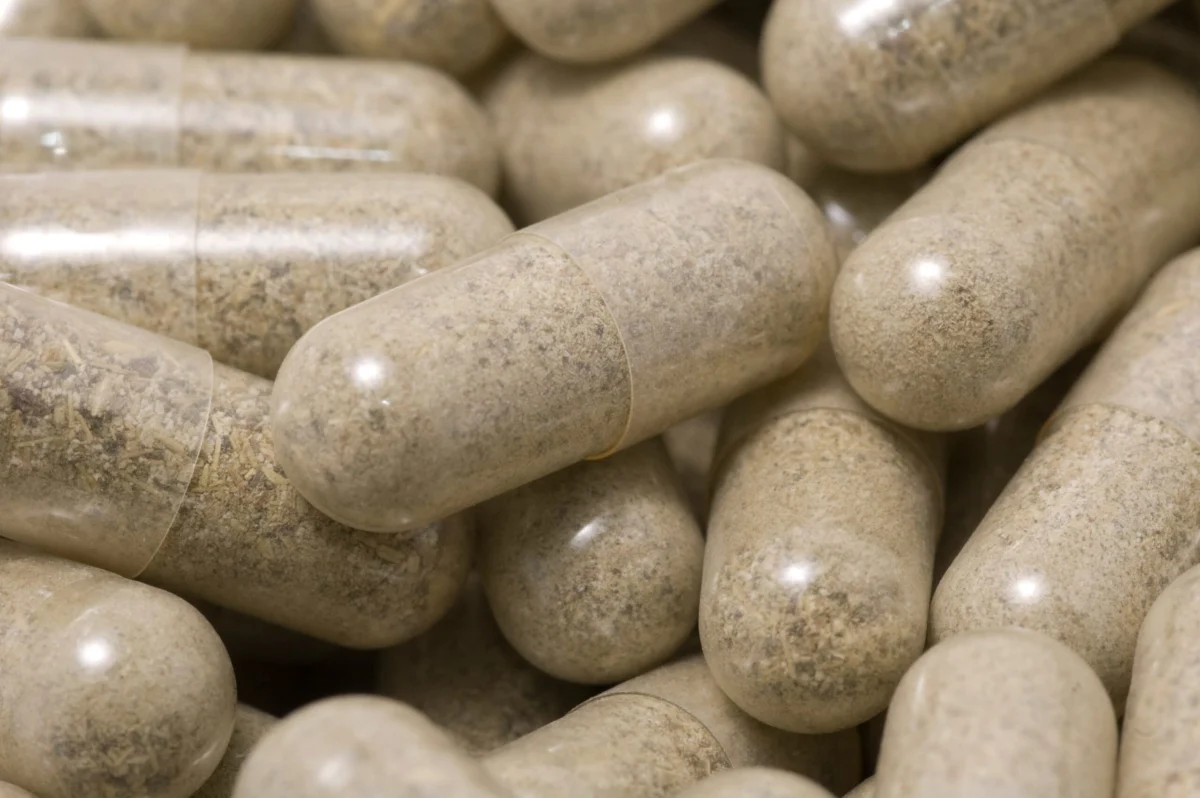
"While echinacea may offer modest preventative benefits against respiratory infections, it is not a ‘magic bullet’ for an active cold, and its efficacy remains a subject of significant scientific debate due to a lack of standardization in the supplement industry."
The widespread use of echinacea as a remedy for the common cold represents one of the most enduring intersections of traditional indigenous knowledge and modern wellness marketing. However, as consumers increasingly turn to herbal supplements to "boost" their immune systems, the gap between marketing claims and clinical evidence becomes more pronounced. Understanding the true utility of echinacea requires a deep dive into its botanical origins, the complexities of human immunology, and the nuances of clinical research that often yield conflicting results.
The Botanical and Historical Foundations of Echinacea
Echinacea, commonly known as the purple coneflower, is a genus of flowering plants in the Asteraceae family, which also includes daisies, sunflowers, and ragweed. Native to the prairies of North America, three specific species—Echinacea purpurea, Echinacea angustifolia, and Echinacea pallida—are primarily used in medicinal preparations. Historically, the plant held a central place in the pharmacopeia of many Great Plains Indigenous tribes, including the Lakota, Pawnee, and Choctaw. These groups utilized various parts of the plant, particularly the roots, to treat a wide array of ailments ranging from toothaches and sore throats to snakebites and sepsis.
In the late 19th and early 20th centuries, echinacea gained popularity in Western medicine through the Eclectic medicine movement, which focused on botanical remedies. Today, it has transitioned from a folk remedy to a billion-dollar global industry, available in forms ranging from traditional teas and tinctures to modern gummies and standardized capsules. Despite this commercial success, the scientific community continues to grapple with a fundamental question: Does it actually work?
Deconstructing the "Immune Boosting" Myth
One of the most common marketing claims associated with echinacea is its ability to "boost" the immune system. In the lexicon of immunology, however, "boosting" is a term that lacks scientific precision and can even describe a dangerous physiological state. The human immune system is a highly calibrated network of innate and adaptive responses. It relies on a delicate balance of white blood cells (such as T-cells and B-cells), signaling proteins called cytokines, and physical barriers like the skin and mucous membranes.
A "boosted" or overactive immune system is not a sign of health; rather, it is the hallmark of autoimmune diseases, such as lupus or rheumatoid arthritis, where the body’s defenses mistakenly attack healthy tissues. Similarly, the "cytokine storms" seen in severe viral infections are examples of an immune response that has become hyper-reactive and destructive. Instead of seeking to "boost" the system, medical professionals emphasize the importance of "supporting" a well-regulated immune response through foundational health habits: a nutrient-dense diet, consistent physical activity, restorative sleep, and preventive measures like vaccination and handwashing.
While some laboratory studies suggest that echinacea can stimulate the activity of phagocytes (cells that ingest harmful foreign particles) and increase the production of certain cytokines, these "in vitro" (test tube) results do not always translate to "in vivo" (human) efficacy. The human body’s internal environment is far more complex than a petri dish, and the bioavailability of echinacea’s active compounds—such as alkamides, caffeic acid derivatives, and polysaccharides—varies significantly between individuals.
Prevention vs. Treatment: What the Research Says
The clinical evidence for echinacea is characterized by its variability. When analyzing whether echinacea can prevent or treat a cold, researchers typically categorize the data into two groups: prophylactic (preventative) use and acute (treatment) use.
1. Preventative Use
Some meta-analyses, including reviews by the Cochrane Collaboration, suggest that echinacea may have a slight effect on reducing the risk of developing a cold. When taken regularly during the winter months or during periods of high stress, some preparations appear to reduce the incidence of respiratory infections by a small margin—roughly 10% to 20% in certain cohorts. However, the National Center for Complementary and Integrative Health (NCCIH) notes that these results are not consistent across all studies. The slight preventative benefit is often considered "statistically significant" but not necessarily "clinically meaningful" for the average healthy adult.
2. Treatment of Active Symptoms
The evidence for taking echinacea once symptoms have already appeared—such as a scratchy throat or nasal congestion—is considerably weaker. Multiple high-quality, randomized controlled trials have shown that starting echinacea at the onset of a cold does not significantly shorten the duration of the illness or reduce the severity of symptoms compared to a placebo. Once a virus has hijacked the host’s cells and begun replicating, the modest immunomodulatory effects of echinacea appear insufficient to alter the course of the infection.
The Problem of Standardization
A major hurdle in echinacea research is the lack of product standardization. Unlike pharmaceutical drugs, which must contain a precise amount of an active ingredient, herbal supplements in the United States are regulated as food under the Dietary Supplement Health and Education Act (DSHEA) of 1994. This means they do not require FDA approval for efficacy or safety before they hit the shelves.
An "echinacea" supplement from one brand might use the roots of E. angustifolia extracted in alcohol, while another might use the pressed juice of the flowering tops of E. purpurea. These two products will have entirely different chemical profiles. Furthermore, independent testing by organizations like ConsumerLab.com has historically found that some products labeled as echinacea contain little to none of the herb’s marker compounds, while others may be contaminated with heavy metals or pesticides. This "Wild West" of manufacturing makes it difficult for consumers to know what they are ingesting and for scientists to replicate study results.
Safety, Side Effects, and Contraindications
For the majority of healthy adults, short-term use of echinacea (up to eight weeks) is considered safe. The most common side effects are mild and gastrointestinal, including nausea, stomach pain, and diarrhea. However, there are specific populations for whom echinacea poses a higher risk.
Because echinacea is a member of the Asteraceae family, individuals with allergies to ragweed, marigolds, daisies, or chrysanthemums are at an increased risk of experiencing an allergic reaction. These reactions can range from a mild skin rash to severe anaphylaxis, particularly in children.
Furthermore, there are theoretical concerns regarding drug interactions. Because echinacea may influence the immune system, it could potentially interfere with immunosuppressant medications prescribed for organ transplant recipients or those with autoimmune conditions. There is also evidence that echinacea can inhibit certain liver enzymes (such as CYP1A2 and CYP3A4) responsible for metabolizing medications. This could lead to altered levels of drugs like caffeine, certain antidepressants, or blood thinners in the bloodstream. As with many herbal products, safety data regarding its use during pregnancy and breastfeeding remains insufficient, leading most experts to advise caution.
The Verdict on Echinacea
Echinacea remains a fascinating example of botanical medicine, but it is not a substitute for evidence-based medical care. Its most likely benefit lies in a very modest reduction in the frequency of colds when taken preventatively, rather than as a "cure" for a cold already in progress.
For those who choose to use it, the best approach is to select products that have been verified by third-party organizations (such as USP or NSF) to ensure purity and potency. Ultimately, the quest for a "boosted" immune system is better served by focusing on the fundamentals: hygiene, nutrition, and rest. While a cup of echinacea tea may provide comfort and a minor physiological nudge, the body’s complex defense system remains its own best advocate, requiring balance rather than a boost.
