
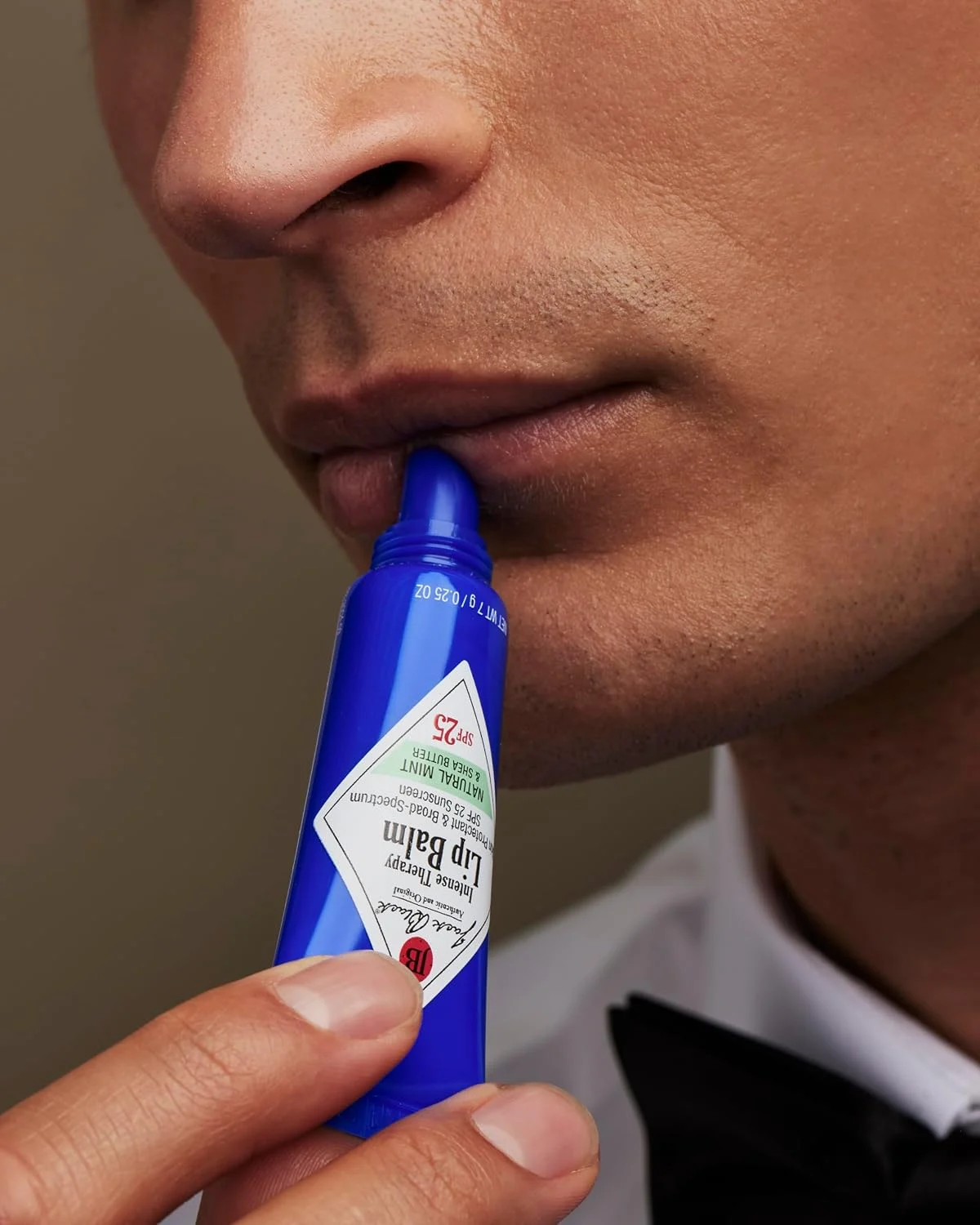
"Effective lip care transcends simple aesthetics; it is a critical dermatological intervention that combines occlusive moisture barriers with broad-spectrum UV protection to prevent long-term cellular damage and chronic dehydration."

The human lip is uniquely vulnerable to environmental stressors due to its anatomical structure, which lacks the sebaceous glands and thick stratum corneum found in other areas of the skin. This absence of natural oil production means that the lips cannot self-moisturize, making them susceptible to transepidermal water loss (TEWL) and damage from ultraviolet radiation. To combat these issues, modern skincare has evolved beyond simple waxes to incorporate sophisticated delivery systems, antioxidants, and pharmaceutical-grade occlusives that not only soothe immediate discomfort but also repair the underlying skin barrier.
The Physiology of Vulnerability
To understand the necessity of high-quality lip balms, one must first look at the biology of the "vermilion border." Unlike the rest of the face, the skin on the lips is incredibly thin—sometimes only three to five cellular layers deep compared to up to sixteen layers on other parts of the body. Furthermore, lips contain very little melanin, the pigment that provides a natural defense against the sun. This makes the lips a primary site for actinic cheilitis, a precancerous condition caused by long-term sun exposure.
Dermatologists, including experts like Dr. Joshua Zeichner, emphasize that a truly effective lip treatment must perform three functions: humectancy (drawing moisture in), emolliency (smoothing the surface), and occlusion (locking moisture in). When these functions are paired with Broad Spectrum SPF, the result is a comprehensive shield against the elements.
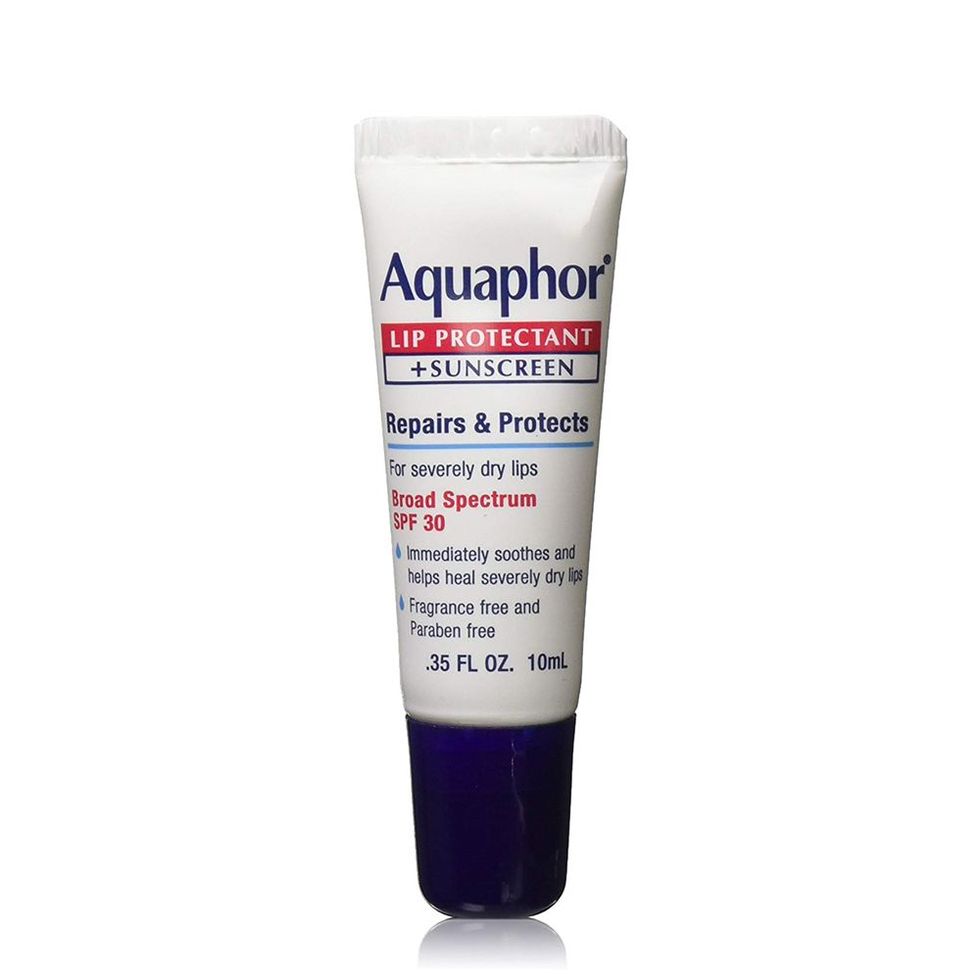
The Gold Standard: Aquaphor Lip Protectant + Broad Spectrum SPF 30
Widely regarded as a benchmark in the industry, the Aquaphor Lip Protectant ($5.12) serves as a versatile solution for both acute repair and daily maintenance. The formula’s efficacy is rooted in the synergistic relationship between purified petrolatum and lanolin. As Dr. Zeichner notes, this combination has long been the clinical preference for treating extra-dry skin.

Lanolin, a wax-like substance derived from sheep’s wool, is chemically similar to the lipids found in human skin, allowing it to penetrate the surface and provide deep hydration. When paired with petrolatum—the most effective occlusive available—the balm creates a physical barrier that prevents moisture from evaporating. The addition of shea butter further softens the skin, while the SPF 30 rating ensures that the thin tissue is protected from UVA and UVB rays. This makes it an essential tool for both the sub-zero temperatures of winter and the high-intensity sun of summer.
Daily Defense and Lifestyle Integration: Sun Bum and Coola
For consumers who prioritize ease of application and lifestyle-specific benefits, brands like Sun Bum and Coola have redefined the "beach bag essential." Sun Bum’s Sunscreen Lip Balm ($3.48) utilizes a coconut oil base, which is naturally rich in fatty acids. This is augmented by aloe vera and Vitamin E, which provide an immediate cooling effect on sun-scorched lips. The inclusion of SPF 30 makes it a double-duty product that manages both hydration and preventative care.

Similarly, Coola’s Classic Liplux Organic Lip Balm ($12.00) caters to the environmentally conscious consumer without sacrificing performance. Its formula is water-resistant for up to 80 minutes, a crucial feature for those engaging in swimming or high-intensity outdoor activities. By using organic plant butters and a suite of antioxidants, Coola addresses the "oxidative stress" caused by sun exposure, which can lead to premature aging and the breakdown of collagen in the lip area.
The Premium Shift: Jack Black and L’Occitane
The market for men’s grooming has seen a significant shift toward "prestige" lip care, where the focus moves from basic utility to an elevated sensory experience. Jack Black’s Intense Therapy Lip Balm ($24.00 for a pack of three) is a prime example of this evolution. Moving away from the "waxy" feel of traditional sticks, this formula uses a blend of avocado oil and shea butter to provide an emollient glide.

Avocado oil is particularly valued in dermatology for its high content of Vitamin E and potassium, which nourish the skin at a cellular level. Jack Black also incorporates green tea extract, a powerful antioxidant that neutralizes free radicals generated by pollution and UV light. For those who find standard balms too heavy or sticky, the refined texture and subtle mint flavor of this product offer a sophisticated alternative that feels more like a high-end moisturizer than a generic balm.
In the same vein, L’Occitane’s Ultra-Rich Lip Balm ($13.00) leverages the high concentration of shea butter—a hallmark of the brand. Shea butter is unique because of its high "unsaponifiable" fraction, meaning it contains a large amount of healing nutrients that do not turn into soap when processed. This allows the balm to repair "rough cells" on the surface, as Dr. Zeichner points out, making it an ideal choice for those who suffer from chronic chapping.

Clinical Minimalism: Vaseline and Doctor Rogers
In an era of complex ingredient lists, there remains a powerful argument for clinical minimalism. Vaseline Lip Therapy ($20.92 for a pack of eight) relies on the 150-year legacy of original petroleum jelly. Its primary strength lies in its simplicity; it is hypoallergenic and non-comedogenic, making it safe for even the most reactive skin types. The modern tube format addresses the primary complaint regarding traditional Vaseline—hygiene—by eliminating the need for finger application, thus preventing the introduction of bacteria to the lips.
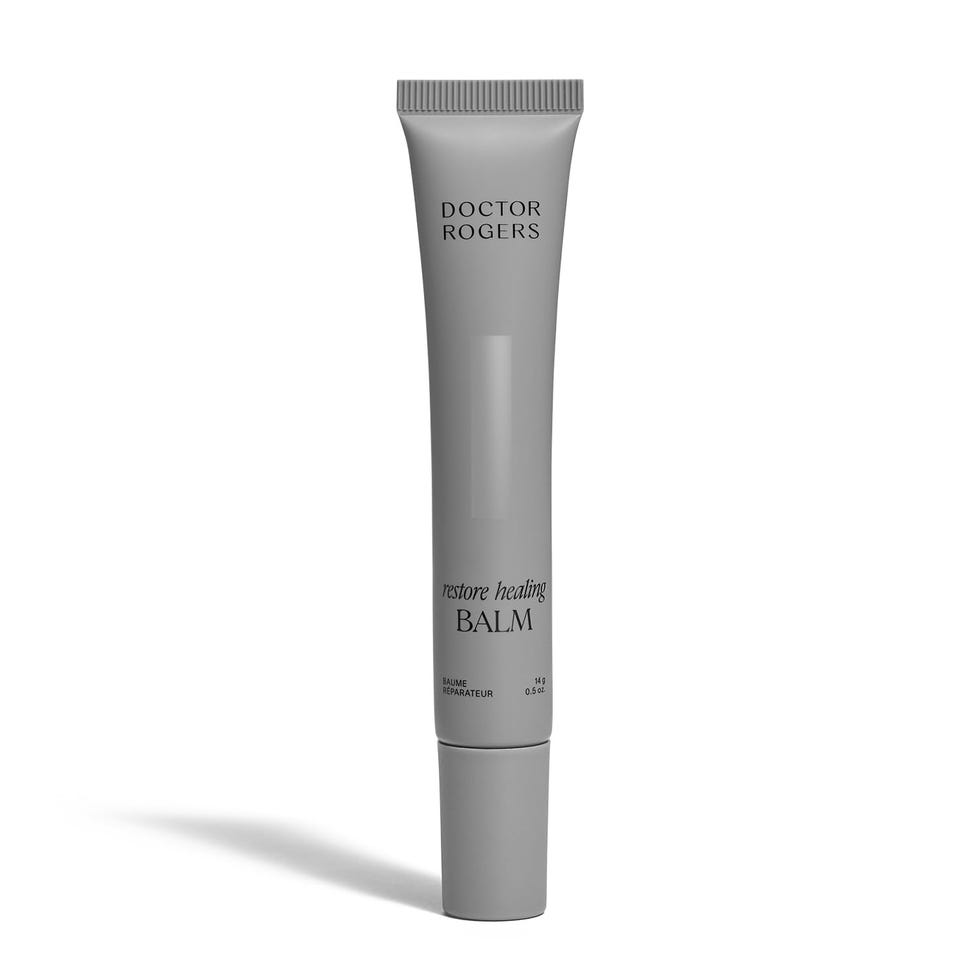
For those seeking a plant-based version of this minimalist approach, Doctor Rogers Restore Healing Balm ($24.00) offers a high-performance alternative. Formulated with only three ingredients—castor seed oil, glycerin, and castor wax—this balm is designed for "extra sensitive" individuals. Glycerin acts as a powerful humectant, pulling water from the air into the skin, while castor oil provides a dense, protective layer. Because it is free of fragrances, parabens, and phthalates, it is frequently recommended by dermatologists for post-procedure care, such as healing after chemical peels or laser treatments, and can even be used on small cuts and burns.
Advanced UV Protection: EltaMD
When sun protection is the primary concern, EltaMD’s UV Lip Balm ($17.00) stands out with an SPF 36 rating. What differentiates this product is its use of a mineral-chemical hybrid system. By incorporating transparent zinc oxide alongside chemical filters, it provides a physical shield that reflects UV rays while maintaining a clear finish.
EltaMD also introduces "Hydromanil," an innovative ingredient derived from the tara plant. Hydromanil provides a dual-action moisturizing effect: it releases large sugar molecules to provide immediate surface hydration and smaller molecules that penetrate the skin for long-lasting moisture. Combined with Vitamins C and E, this balm is a comprehensive anti-aging treatment disguised as a daily lip protectant.

Conclusion: A Strategic Approach to Lip Health
Choosing the correct lip balm requires an assessment of one’s environment and skin sensitivity. While a simple occlusive like Vaseline may be sufficient for indoor hydration, outdoor activities necessitate the inclusion of SPF and antioxidants. The common thread among all top-tier products—from the affordable Aquaphor to the specialized Doctor Rogers—is the commitment to maintaining the integrity of the skin barrier.
By understanding the roles of petrolatum, plant oils, and sun filters, consumers can move beyond reactive care (applying balm only when lips are already painful) to a proactive regimen. In the long term, this strategy not only ensures comfort but also protects against the cumulative damage that leads to structural thinning and more serious dermatological conditions. Whether through the use of organic butters or pharmaceutical-grade ointments, the goal remains the same: to provide the lips with the biological support they cannot produce on their own.
