
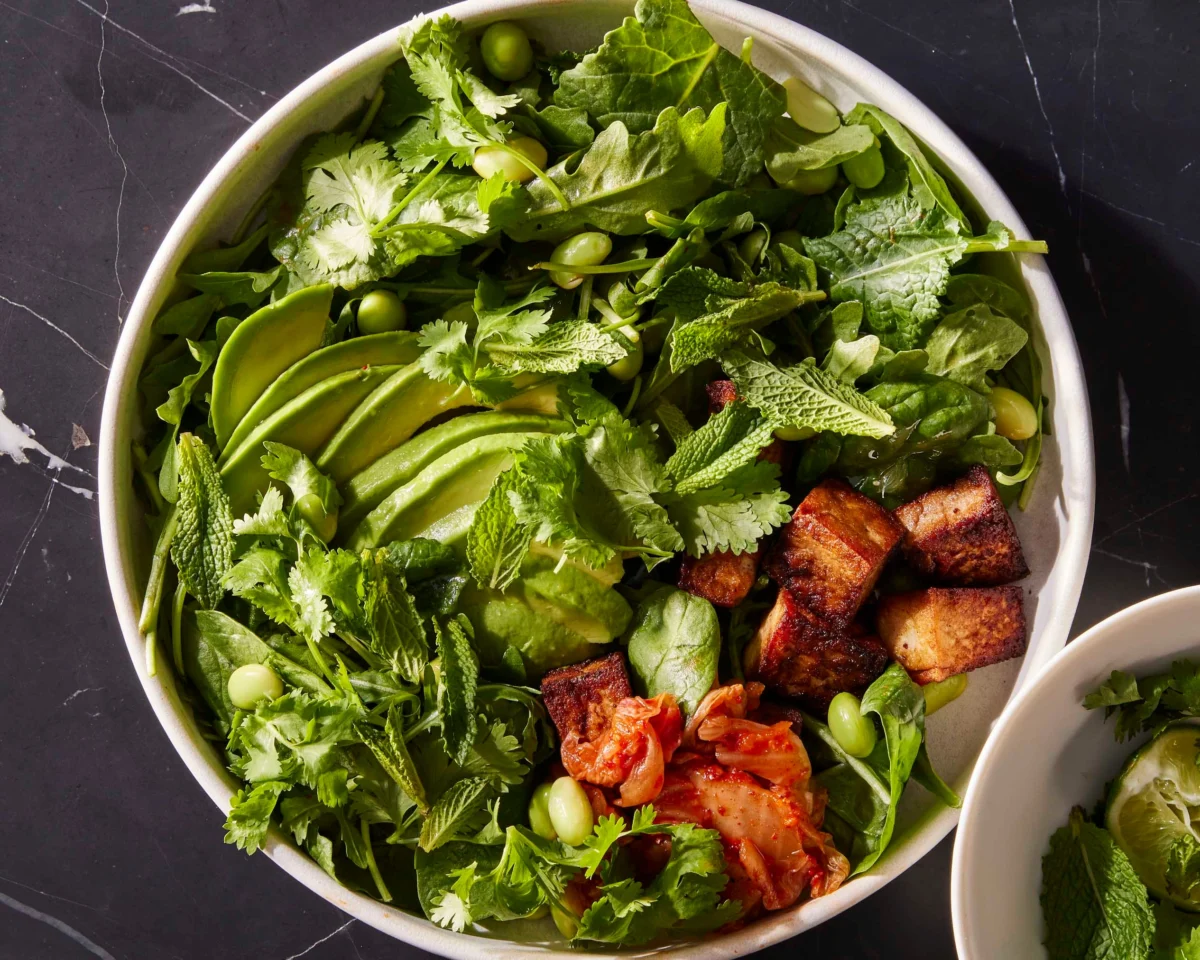
"The Volumetrics Diet shifts the focus from caloric deprivation to stomach-filling volume, proving that long-term weight management is most successful when it works with, rather than against, the body’s natural hunger signals."
By prioritizing the physical volume of food over restrictive portions, the Volumetrics Diet offers a scientifically grounded alternative to traditional weight-loss strategies that often leave individuals feeling hungry and fatigued. Developed by nutrition researchers, this eating plan leverages the concept of energy density—the number of calories in a specific weight of food—to allow for larger portions of nutrient-dense, high-fiber, and water-rich meals that promote satiety while maintaining a calorie deficit.
The Evolution of the Volumetrics Approach
The Volumetrics Diet did not emerge as a marketing-driven fad but as a result of rigorous nutritional research conducted at Pennsylvania State University. Introduced in 2000 by Barbara Rolls, PhD, a professor of nutritional sciences and the director of the Laboratory for the Study of Human Ingestive Behavior, the plan was formalized in her seminal work, The Ultimate Volumetrics Diet. Rolls’ research focused on the psychology and physiology of fullness, discovering that the sheer weight and volume of food consumed have a more significant impact on satiety than the total number of calories.
Unlike many diets that emerged in the early 2000s—which often demonized specific macronutrients like fats or carbohydrates—Volumetrics focused on the physical sensation of the stomach being full. This approach addresses the primary reason most diets fail: the biological drive to eat when the stomach feels empty. By encouraging the consumption of foods that occupy more space in the digestive tract, the plan helps individuals lower their caloric intake without the psychological burden of deprivation.
Understanding Energy Density and the Mechanics of Fullness
At the heart of the Volumetrics Diet is the concept of energy density. Energy density is calculated by dividing the number of calories in a serving of food by its weight in grams. Foods with low energy density provide fewer calories per bite, meaning a person can eat a much larger portion of them compared to high-energy-density foods.
Water and fiber are the two most critical components in this calculation. Water adds significant weight and volume to food without adding any calories. This is why broth-based soups, stews, and water-rich fruits and vegetables are cornerstones of the diet. Fiber also provides bulk and takes longer to digest, further extending the feeling of fullness.
According to Sonya Angelone, RD, PhD, a dietitian and former spokesperson for the Academy of Nutrition and Dietetics, the diet is built on the reality of human anatomy. If the stomach is physically filled with high-volume, low-calorie foods, the brain receives signals of satiety much earlier than it would if one consumed a small, calorie-dense snack. This natural feedback loop makes it easier to adhere to a calorie deficit over months and years rather than just weeks.
The Four Categories of Volumetrics
The diet categorizes food into four distinct groups based on their energy density, providing a framework for how to structure daily meals:
Category 1: Very Low Density (Feel Free to Indulge)
This group includes non-starchy fruits and vegetables, non-fat milk, and broth-based soups. These foods are the "foundation" of the diet. Because they are mostly water and fiber, they can be eaten in large quantities to ensure the stomach feels full at every meal.
Category 2: Low Density (Reasonable Portions)
This category includes starchy fruits and vegetables (like potatoes and corn), whole grains, breakfast cereals, lean proteins (such as poultry and fish), legumes, and low-fat dairy. These provide the necessary macronutrients and sustained energy required for daily function.
Category 3: Medium Density (Controlled Portions)
Foods in this group include meat, cheese, pizza, French fries, salad dressings, and bread. While not banned, these foods require careful portion control because their caloric impact is significantly higher relative to their weight.

Category 4: High Density (Minimal Consumption)
This category includes crackers, chips, chocolate candies, cookies, nuts, butter, and oil. These foods have very little water content and are highly concentrated in calories. A very small portion can contain as many calories as a full meal from Category 1 and 2, making them easy to overconsume.
Scientific Validity and Weight Loss Outcomes
The efficacy of Volumetrics is supported by clinical observations. A study comparing various weight-loss strategies found that individuals with overweight or obesity who followed the Volumetrics plan achieved weight loss results comparable to those on time-restricted eating (intermittent fasting) schedules. Both groups showed significant reductions in total body weight over a 12-week period.
However, where Volumetrics often outperforms more restrictive plans is in long-term maintenance. Joey Gochnour, RDN, NASM-CPT, notes that because the diet is evidence-based and focuses on fullness, it is less of a "crash diet" and more of a lifestyle shift. By teaching individuals how to make smarter swaps—such as starting a meal with a large salad or a bowl of vegetable soup—it creates a sustainable pattern of eating that prevents the "rebound" weight gain common in calorie-restricted programs.
The Specific Benefits for Men
The Volumetrics Diet is particularly well-suited for men who may struggle with the small portion sizes often associated with weight-loss plans. Many men have higher basal metabolic rates and larger frames, making the feeling of "empty-stomach" hunger particularly acute during a diet.
The plan’s simplicity also adds to its appeal. Sonya Angelone points out that the diet aligns well with the USDA’s "My Plate" guidelines: filling half the plate with non-starchy vegetables, one quarter with lean protein, and one quarter with whole grains. For men with busy schedules or those who prefer not to spend hours tracking every micro-ingredient, this visual and volume-based approach is easy to implement in restaurants and on the go.
Furthermore, the diet’s recommendation of 1,400 calories as a baseline for weight loss, combined with 30 to 60 minutes of daily physical activity, provides a structured but flexible roadmap. It encourages an active lifestyle without requiring the extreme caloric deficits that can lead to muscle loss or hormonal imbalances.
Critiques and Nutritional Nuances
Despite its strengths, the Volumetrics Diet is not without its limitations. One of the primary critiques from nutritionists is its potential to "villainize" healthy fats. Because fats are energy-dense (9 calories per gram compared to 4 calories for protein and carbs), items like olive oil, avocados, nuts, and seeds fall into Category 4.
Joey Gochnour emphasizes that a balanced diet must include healthy fats for brain health, hormone production, and the absorption of fat-soluble vitamins (A, D, E, and K). If a follower adheres too strictly to the "low-density" rule, they may inadvertently cut out essential fatty acids. Additionally, the diet’s focus on density over food quality can be a pitfall; technically, fat-free processed snacks may have a lower energy density than nutrient-dense walnuts, but the walnuts provide far superior nutritional value.
There are also digestive considerations. The high volume of fiber and "bulk" required by the diet can be taxing for individuals with sensitive digestive systems, such as those with Irritable Bowel Syndrome (IBS) or other gut health issues. Similarly, high-performance endurance athletes may find it difficult to meet their high energy requirements through high-volume foods alone, as the sheer bulk of the food may cause gastrointestinal distress during training.
Implementing the Volumetrics Lifestyle
Transitioning to a Volumetrics-style eating plan involves shifting the "architecture" of the plate. A sample day might begin with a vegetable-heavy omelet paired with a large side of fresh berries. Lunch could consist of a massive arugula salad topped with cucumbers, carrots, chickpeas, and grilled chicken, accompanied by a cup of broth-based vegetable soup to ensure maximum stomach expansion.
Snacks are similarly focused on volume—think plain non-fat Greek yogurt mixed with a cup of watermelon and berries. For dinner, a lean protein like baked cod can be served with brown rice and a substantial portion of roasted vegetables. By the end of the day, the individual has consumed a significant weight of food, triggering the body’s "stretch receptors" and signaling to the brain that it is well-fed, despite the lower caloric intake.
The Volumetrics Diet represents a shift toward "intuitive" volume eating. It is designed for those who are ready to move away from quick-fix solutions and toward a permanent, evidence-based understanding of how food choices affect hunger and health. For the average person looking to lose weight while maintaining their energy and sanity, filling the plate with volume may be the most effective way to empty the scales.
