
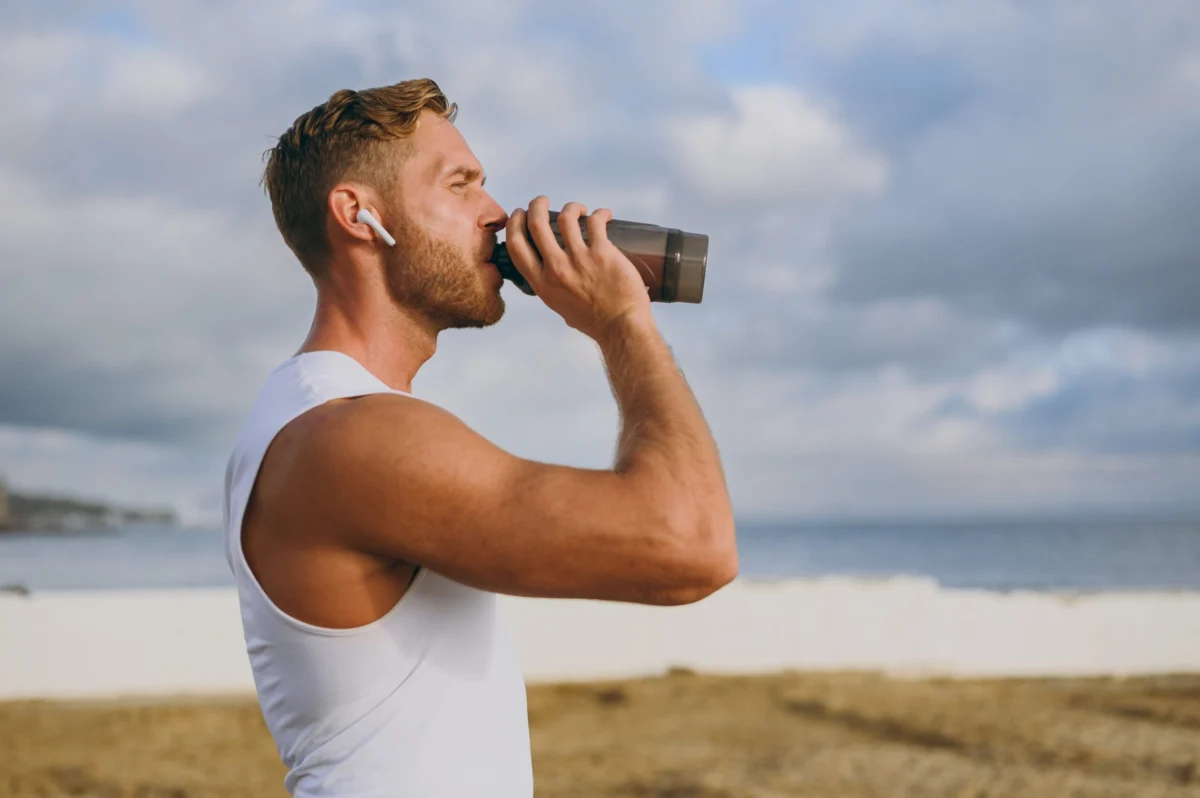
"Modern protein supplementation has shifted from simple calorie-dense shakes to highly specialized formulas that prioritize ingredient transparency, bioavailability, and digestive health."
As the fitness industry matures, the criteria for selecting a protein supplement have evolved beyond mere protein count. Today’s consumers and professional athletes demand a sophisticated balance of macro-efficiency, third-party verification, and clean ingredient profiles. This transition reflects a broader understanding of how specific protein sources—ranging from grass-fed whey isolates to multi-source plant blends—impact muscle protein synthesis, metabolic health, and long-term dietary adherence.

The Evolution of the Protein Industry
For decades, protein powder was viewed through a narrow lens: a convenient way to hit daily macronutrient targets. However, as nutritional science has advanced, the focus has shifted toward the "quality of the calorie." The modern market is now defined by a bifurcated approach—high-purity isolates for those with specific digestive or caloric requirements, and cost-effective blends for the general population.
Navigating this landscape requires an understanding of processing methods. Whey protein concentrate, once the industry standard, typically contains more lactose and fat. In contrast, whey protein isolate (WPI) undergoes additional filtration to remove most of the non-protein components, resulting in a product that is usually 90% protein or higher by weight. For those seeking the pinnacle of absorption, hydrolyzed whey isolate takes this a step further by using enzymes to break down protein chains into smaller peptides, effectively "pre-digesting" the supplement for rapid uptake.
Transparency and the Clean Label Movement
One of the most significant shifts in the supplement industry is the demand for "label transparency." Transparent Labs has emerged as a leader in this sector by eschewing the industry-standard "proprietary blends"—a practice where companies list a group of ingredients without specifying individual dosages.

Their Grass-Fed Whey Protein Isolate serves as a benchmark for the "clean label" movement. By providing 28 grams of protein per 130-calorie serving, the product offers an exceptionally high protein-to-calorie ratio. With only one gram of fat and one gram of carbohydrates, it is designed for individuals on strict caloric deficits or those who prefer to source their fats and carbs from whole foods. Furthermore, the use of stevia rather than artificial sweeteners like sucralose or aspartame appeals to the growing demographic of health-conscious users wary of synthetic additives.
However, quality often dictates cost. At approximately $2.00 per serving, this product sits at a higher price point than mass-market alternatives. For many, the 50-cent premium over the market average is a justifiable investment in ingredient purity and the ethical sourcing of grass-fed dairy.
The Athlete’s Standard: Certification and Safety
For competitive athletes, the stakes of supplementation are significantly higher. The risk of cross-contamination with banned substances in manufacturing facilities makes third-party testing a non-negotiable requirement. Thorne has carved out a niche as the "professional’s choice," largely due to its rigorous testing protocols and certifications.

Thorne’s Whey Protein Isolate provides 21 grams of bioavailable protein and maintains a lean profile of 100 calories per serving. While the protein count per scoop is lower than some competitors, the emphasis here is on safety and digestive comfort. Jordan Sullivan, a prominent dietitian who works with UFC champions and Olympians, emphasizes that for high-performance individuals, the peace of mind provided by certified safe products is invaluable.
Thorne’s formula does include gums for texture, which may be a point of contention for those seeking the most "natural" profile possible. Yet, for the athlete whose career depends on passing a drug test, the $2.17 per serving cost is a necessary expense for professional security.
Digestive Efficiency through Hydrolysis
Digestive distress is a common complaint among frequent users of dairy-based proteins. This has led to the rise of hydrolyzed whey, such as Dymatize ISO100. By breaking protein down into smaller peptides, the body can absorb the nutrients more rapidly and with less gastrointestinal strain.

Ebenezer Samuel, C.S.C.S. and Fitness Director, notes that the nutritional profile of hydrolyzed isolate makes it an ideal post-workout recovery tool. With 25 grams of protein and 120 calories, Dymatize balances performance with a highly engineered flavor profile. In the world of supplements, "palatability" is a key driver of consistency. While Dymatize utilizes artificial flavors and gums to achieve its top-tier taste, the trade-off is a product that many find easier to consume daily than more "earthy" or unflavored alternatives. At $1.47 per serving, it offers a middle ground between luxury boutique brands and budget options.
The Budget-Performance Intersection
Despite the rise of specialized isolates, the "blend" market remains the largest sector of the industry. Optimum Nutrition’s Gold Standard 100% Whey has maintained its dominance for decades by offering a reliable mix of whey isolate, concentrate, and hydrolyzed whey.
This multi-source approach allows for a lower price point—often as low as $1.06 per serving when purchased in bulk. This makes it the entry point for millions of fitness enthusiasts. However, the inclusion of whey concentrate means it contains more lactose than a pure isolate, which can be problematic for those with sensitive stomachs. While it delivers a solid 24 grams of protein and 5.5 grams of Branched-Chain Amino Acids (BCAAs), testers often note a synthetic aftertaste when mixed solely with water, suggesting it is best utilized in smoothies or mixed with milk.

The Plant-Based Paradigm Shift
The most radical transformation in the protein market has been the legitimization of vegan protein powders. Historically criticized for poor texture and incomplete amino acid profiles, modern plant-based supplements have bridged the gap through strategic blending.
The "Gold Standard" for vegan protein is the combination of pea and rice protein. While pea protein is high in lysine but low in methionine, rice protein is high in methionine but low in lysine. Together, they create a "complete" protein profile comparable to whey. Transparent Labs Organic Vegan Protein utilizes this blend to deliver 24 grams of protein—a high figure for the plant-based category. An added benefit of this specific formula is the inclusion of 15% of the recommended daily iron intake, addressing a common micronutrient deficiency found in vegan diets.
For those prioritizing accessibility and satiety, Orgain Organic Plant Based Protein has become a household name. Unlike the lean isolates, Orgain includes 15 grams of carbohydrates and 3.5 grams of fat per serving. While this makes it less ideal for those on a strict "cut," it serves as a more comprehensive meal replacement or a "satisfying drink" for those looking to supplement their overall caloric intake. The inclusion of chia seeds and mung beans adds to the nutrient density, though the two-scoop serving size requires more liquid to avoid a thick, "gritty" texture.

Conclusion: Aligning Supplementation with Goals
The current state of the protein powder market reflects a high degree of specialization. There is no longer a "one size fits all" solution. Instead, the choice depends on an individual’s specific physiological needs and fitness objectives:
- For the Purist: Transparent Labs offers the cleanest, highest-yield protein for those who prioritize ingredient transparency and grass-fed sourcing.
- For the Professional: Thorne provides the necessary certifications to ensure safety and compliance with anti-doping regulations.
- For the Sensitive Stomach: Dymatize’s hydrolyzed formula offers the fastest absorption and easiest digestion.
- For the Value-Conscious: Optimum Nutrition remains the most accessible way to hit protein targets without breaking the bank.
- For the Plant-Based Athlete: Blends of pea and rice protein now offer the amino acid profiles necessary to support serious muscle hypertrophy without the use of dairy.
As the industry continues to innovate, the focus will likely remain on refining these categories, reducing the use of fillers, and improving the sustainability of sourcing. In a world where nutrition is increasingly personalized, the humble protein shake has become a sophisticated tool for human optimization.
