
"The pervasive fear of immigration enforcement has created a chilling effect on healthcare access, forcing communities to develop clandestine networks to deliver essential medical care, highlighting a critical public health crisis."
The aggressive immigration enforcement tactics deployed across the United States, particularly under the Trump administration, have had a profound and detrimental impact on the health and well-being of immigrant communities. Beyond the immediate trauma of deportation and separation, these operations have fostered an environment of pervasive fear, leading individuals and families to avoid seeking necessary medical attention. This reluctance to access healthcare services, driven by the anxiety of potential encounters with immigration agents, has created a silent public health crisis, forcing healthcare providers and community advocates to devise innovative, and often covert, strategies to ensure that vulnerable populations receive the care they desperately need. The fear of deportation or detention has become a significant barrier, overshadowing even the most urgent health concerns, and prompting a reevaluation of how healthcare can be delivered in an atmosphere of heightened surveillance and enforcement.
Gabi, a two-year-old American citizen with large brown eyes and braids, suffers from a genetic condition that renders her bones fragile and prone to fracture. The pain from these fractures is so severe that her mother, who previously worked cleaning offices, was compelled to leave her job to provide full-time care. The family of eight, including Gabi, resides in a cramped one-bedroom apartment. The arrival of federal immigration agents in their city led to the deportation of Gabi’s father and aunt. Gabi herself, born in the United States, faces a complex surgical procedure on her legs and feet scheduled for January, a surgery that offered her best hope of one day standing or walking. However, her mother, paralyzed by fear of leaving her home, let alone traveling across town to the hospital, canceled the appointment. This decision, driven by the pervasive anxiety surrounding immigration enforcement, starkly illustrates the human cost of these policies.
The Department of Homeland Security (DHS) announced the cessation of "Operation Metro Surge," a coordinated effort involving Immigration and Customs Enforcement (ICE) and Customs and Border Protection (CBP) agents. Despite this declaration, reports indicate that immigration agents continue to be present in hospital parking lots, and drones are being deployed over agricultural areas on the outskirts of Minneapolis, regions where Somali and Latino immigrant communities have established themselves in recent years. This operation in Minnesota served as a stark illustration of the extensive surveillance and detention apparatus being utilized by the Trump administration to dismantle immigrant communities, and its significant repercussions on the healthcare system.
Similar public health crises have emerged in other areas where immigration officials have concentrated their efforts over the past year. In Dallas, public health clinics administered approximately 6,000 vaccinations to Latino individuals in August, a stark reduction compared to the previous year’s program. In Chicago, physicians have had to reroute patients to different clinics daily, their decisions dictated by the reported activity of ICE. Across the nation, immigration raids have led to a significant decrease in healthcare visits by immigrants.
In Minnesota, healthcare systems have reported cancellation and no-show rates as high as 60% since December. A DHS spokesperson attributed these disruptions to protesters, stating, "If someone is preventing Americans from attending appointments or picking up prescriptions, it is a violent agitator blocking roadways, ramming vehicles and damaging property." While residents protested the operation publicly, healthcare professionals quietly organized informal medical networks to provide care in patients’ homes, thereby avoiding detection. Emily Carroll, a nurse practitioner with HealthFinders Collaborative, a community clinic in Faribault, approximately 50 miles south of Minneapolis, expressed the shift in her practice: "I used to look someone in the eye and say, in good faith, ‘You’ll be okay at the hospital.’ But now I can’t guarantee that."
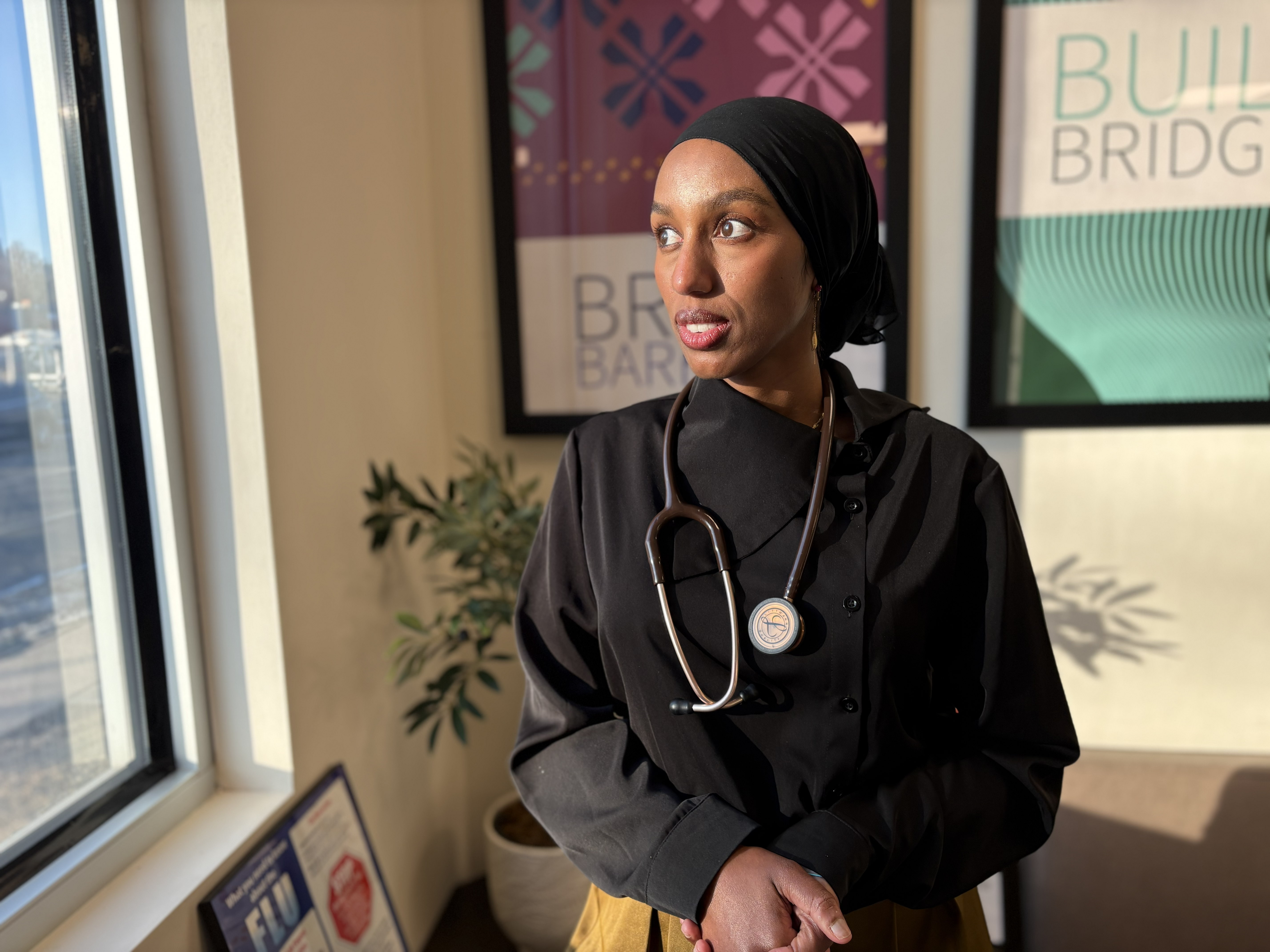
As federal agents withdraw from Minneapolis, other communities must prepare for similar challenges, according to Democratic State Senator Alice Mann, a physician. She stated, "I know it sounds strange," but healthcare providers "need to start a clandestine network to bring medical attention to homes. Because letting people die in their homes or be on the brink of death for fear of going to the hospital, in 2026, is unacceptable."
The operational impact of intensified immigration enforcement is causing significant damage to the fabric of community health. Doctors emphasize that home visits may become the sole avenue for reaching individuals who continue to feel under threat. In Los Angeles, since June, St. John’s Community Health has provided medical care to approximately 2,000 immigrant families who were too frightened to leave their homes during a migratory operation, following a more than 30% increase in missed appointments, according to Jim Mangia, the organization’s president. Many of Minnesota’s larger healthcare institutions have turned to telemedicine and reduced their reliance on in-home care.
Munira Maalimisaq, co-founder of Inspire Change Clinic in Minneapolis’s Ventura Village neighborhood, observed a concerning trend when nearly a third of her patients stopped attending appointments. This prompted her to seek a solution, leading her to enlist the help of a physician friend to explore the possibility of providing home-based care. This initiative has grown into a volunteer "rapid response" team of approximately 150 doctors and nurses, who have conducted over 135 home visits. Their first critical intervention involved a woman in labor whose husband had been deported. Maalimisaq, a nurse practitioner, coordinated with a volunteer obstetrician to assist the woman in her home. The situation was precarious, as the woman was 8 centimeters dilated and initially hesitant to go to the hospital, expressing a desire to give birth at home. Maalimisaq convinced her to travel to the hospital in her own vehicle, a scenario fraught with potential complications. Fortunately, they arrived in time for a safe and healthy delivery, a testament to the critical role of their intervention.
In other home visits, Maalimisaq has encountered individuals experiencing extreme stress, with one mother rationing her child’s anti-seizure medication despite the child suffering from continuous seizures. The Trump administration asserts that its operations in Minnesota have enhanced public safety. Tricia McLaughlin, a DHS spokesperson, stated, "Since the launch of Operation Metro Surge, our brave DHS agents have arrested more than 4,000 undocumented immigrants with criminal histories, including murderers, rapists, pedophiles, and extremely dangerous individuals." However, correctional officials in Minnesota indicated that many individuals accused of crimes were handed over directly to ICE by state or county prisons. National data from DHS reveals that in January, only 29% of ICE arrests nationwide involved individuals with criminal convictions, and a significantly smaller portion had been convicted of violent offenses.
The shadow of immigration enforcement extends to sensitive locations, including healthcare facilities. On his first day of his second term, President Donald Trump rescinded a 2011 policy that prohibited immigration enforcement actions in "sensitive locations" such as churches, schools, and hospitals. In Northfield, located approximately 45 miles south of Minneapolis, ICE agents have been observed sitting in their vehicles outside health clinics, including one operated by the local hospital, at least twice a week. According to Carroll and her colleagues, arrests have been occurring in the area almost daily. McLaughlin maintained that "ICE does not conduct operations in hospitals, period."
One recent morning, three ICE vehicles were present in the parking lot of a Baptist church directly across from an elementary school in Northfield. Volunteers transported 35 children of immigrants to and from school to spare parents the need to venture out. McLaughlin countered this by stating, "ICE does not go to schools to arrest children; we are protecting children." Drones are frequently observed flying over a mobile home park, primarily inhabited by immigrants who relocated to the area for agricultural and manufacturing work over the past 15 years. Families have resorted to covering their windows with paper, as described by Carroll, who states, "You can’t feel safe anywhere." She continued, "Walking to school, walking to the clinic, you can run into ICE. The fear and sense of being trapped that these families are living is unacceptable."
This pervasive fear has led to a decline in essential medical check-ups for patients with chronic conditions like diabetes and heart disease. They are missing blood sugar and anticoagulant monitoring, reducing their physical activity, and exacerbating their illnesses, according to Calla Brown, a pediatrician in Minneapolis. At the Faribault clinic where Carroll works, staff are distributing medications, food, and other necessities to patients. A clinic employee transports 12 middle and high school students daily in a clinic van. Some patients are receiving care at home. Carroll recently diagnosed an infant with influenza, advising the parents that while there was no immediate threat, they should seek hospital care if the child experienced breathing difficulties, stopped eating, or had fewer wet diapers, adding, "I can’t promise it’s safe. But you have to go."
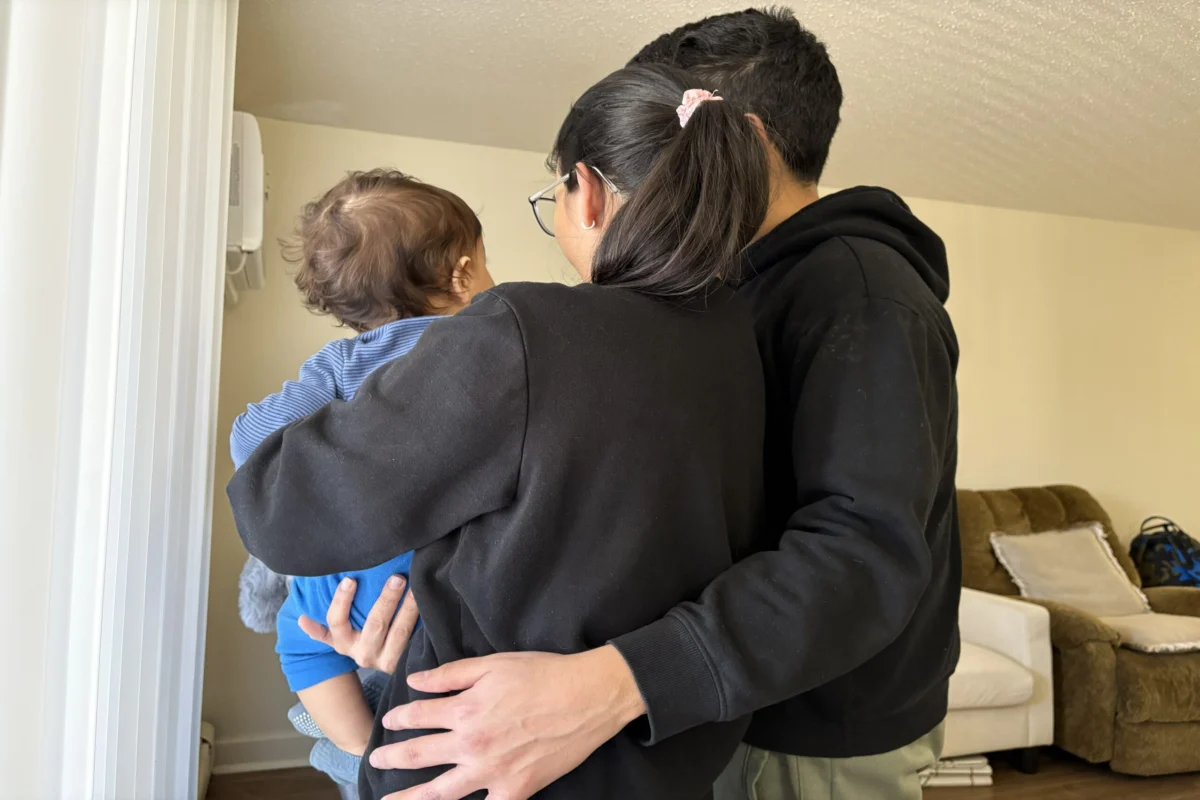
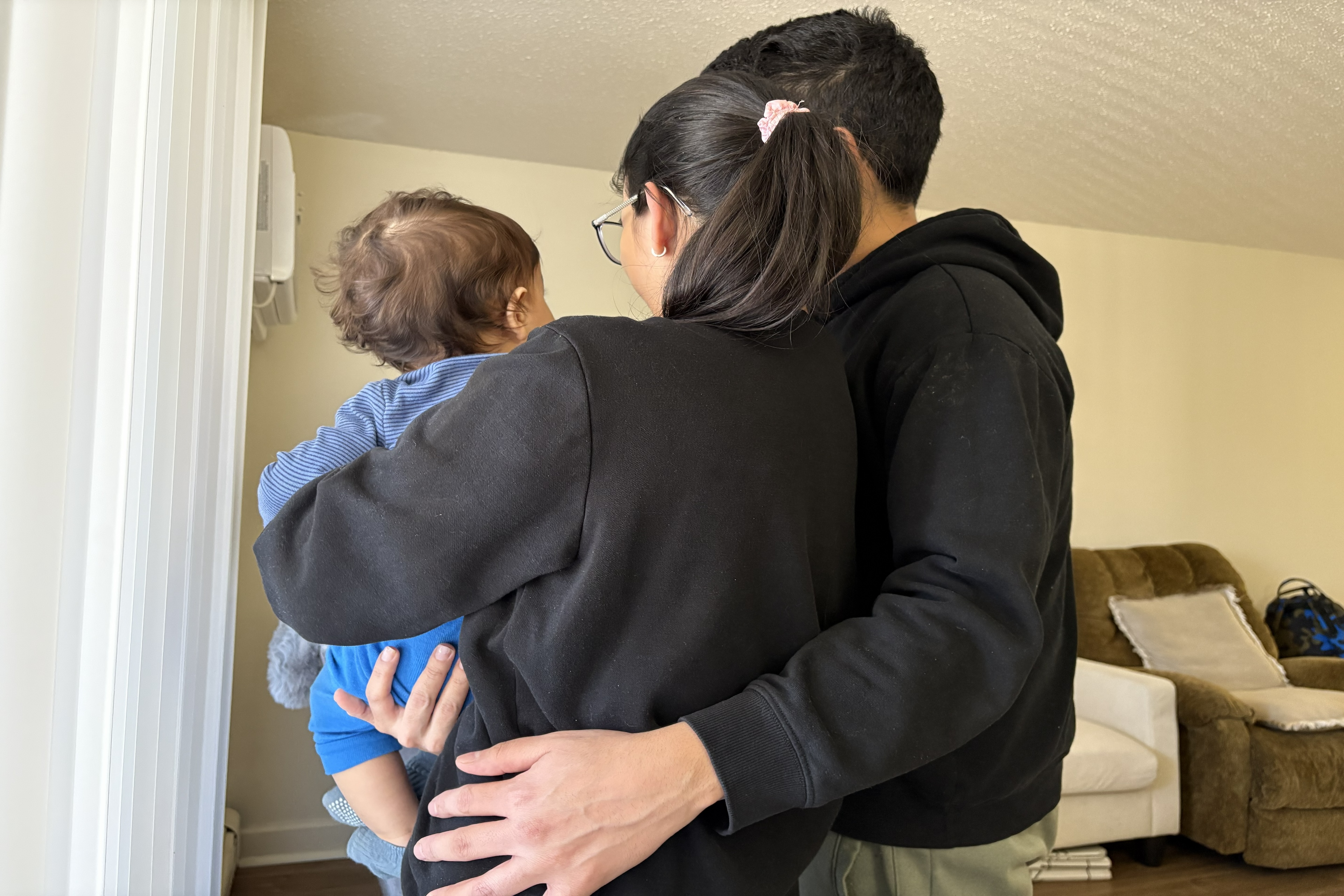
The term "clandestine medical network" is gently reframed by nurse-midwife Fernanda Honebrink, a US citizen who immigrated from Ecuador 23 years ago, as "how we function in Minnesota." She describes it as "We are kind to each other." Honebrink dedicates much of her day to coordinating and transporting individuals within this growing network of fearful people who are staying in their homes. During a recent afternoon, she visited a family with a one-year-old, whose parents, Alex and Isa, wished for their child to receive vaccinations and blood tests at their upcoming well-child visit. However, they had not left their apartment in over a month. Alex articulated the dilemma: "You don’t know what’s more important: going out for their well-being or going out thinking you might not come back."
The Venezuelan couple legally entered the U.S. in 2024 under a program called Humanitarian Parole, which Trump later terminated. Federal agents have since detained and deported workers from a construction company where Alex, a mechanical engineer, was employed. They have observed government vehicles near their residence and know of an individual with valid work documents who was detained while walking to church, transferred to Texas, and subsequently deported to Venezuela. This prospect is particularly terrifying for those who fled the dictatorship and economic crisis in their home country. Alex described the situation as "a psychological attack," citing "the possibility of being separated from your family."
Isa, a lawyer in Venezuela, has experienced postpartum depression, confined to her apartment for weeks. The state program that provided health insurance to all immigrants concluded on January 1st. A therapist provides occasional pro bono support. She has attempted to sustain the family by selling homemade cakes and jewelry and by babysitting. Her greatest fear is separation from her son, a U.S. citizen born in the country. This concern was amplified when an acquaintance suggested she sign a form to designate a temporary guardian in case of deportation. "It was something I never imagined," Isa said, crying as she recalled the prospect. "He’s my baby! He’s not someone else’s! What? My baby would stay here with someone else?"
Honebrink immediately offered, "I will take responsibility for him. I will sign the form." She later confided to a reporter that she had informed her husband she would not do it, having already sponsored four children. Upon leaving the apartment, Honebrink resumed her coordination efforts, contacting pediatricians, clinic schedulers, and local volunteers. Within hours, she secured a new well-child appointment for the baby and arranged for a verified driver—described as "a white person"—to transport the family. Two days later, she shared a photo of the baby with a bandage on his leg, triumphantly texting, "He got his shots. I’m so happy."
However, other medical needs are not as readily resolved. One February evening, Honebrink visited Gabi and her mother, her car trunk filled with donated wipes, diapers, and toys. Gabi’s surgery has been rescheduled for August, and her mother hopes it will be safe to leave their home by then. She lamented, "Before, I used to take the children to the park, but now we don’t go out at all." She added, "They grab people and mistreat them. It’s scary to go out. I hope what is happening ends soon!"
Jackie Fortier of KFF Health News contributed to this article.
