
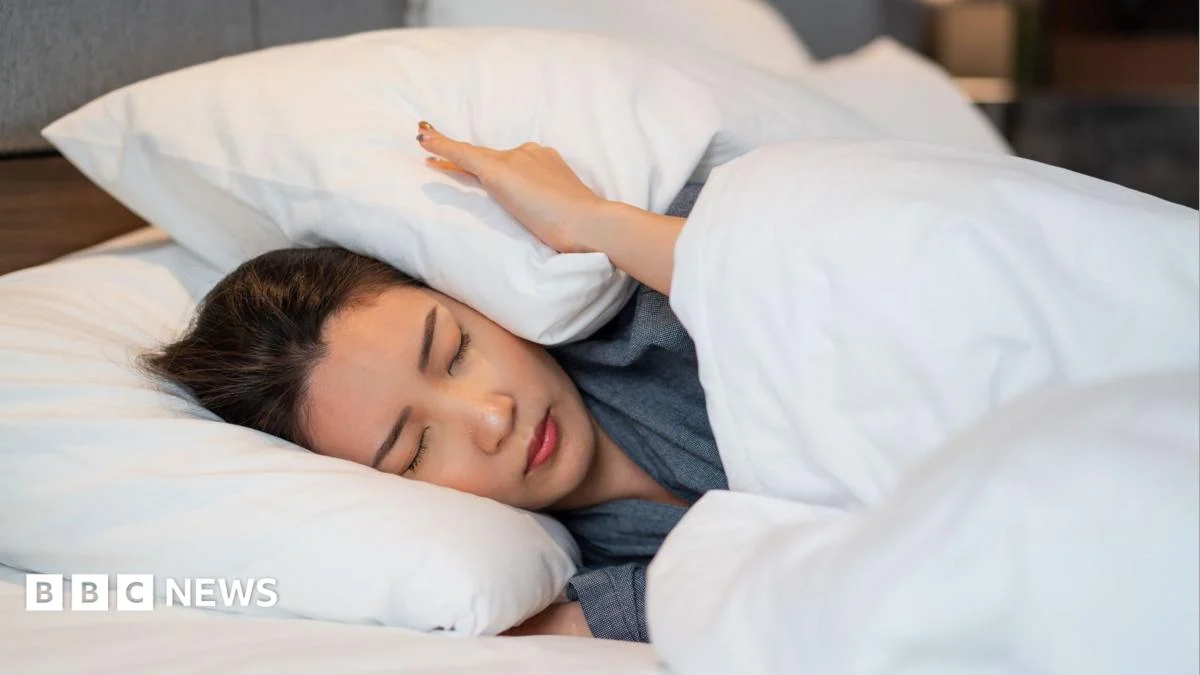
"Chronic sleep disruption due to snoring doesn’t just cause nightly irritation; it erodes emotional resilience, strains relationships, and can mask serious underlying health conditions, making proactive intervention crucial for well-being."
This quote underscores the often-underestimated severity of snoring’s impact. Far from being a mere nocturnal nuisance, persistent snoring can profoundly disturb sleep architecture, leading to emotional dysregulation, heightened stress, and significant relationship discord. Crucially, it also serves as a potential indicator of serious sleep-related breathing disorders that necessitate medical attention, highlighting the imperative to move beyond passive acceptance towards seeking effective solutions.
Sleep is a fundamental pillar of human health, extending its influence far beyond physical restoration to profoundly shape our psychological and emotional landscape. A critical, yet often overlooked, function of sleep involves the meticulous regulation of brain systems responsible for stress response and emotional processing. During restful sleep, the brain actively works to consolidate memories, process emotions, and fine-tune its neural circuits. When this intricate process is repeatedly interrupted, particularly by disturbances like a partner’s snoring, these delicate systems can become imbalanced. The consequence is often a heightened state of irritability, reduced emotional resilience, and a diminished capacity to effectively cope with daily stressors. This pervasive impact transforms what many perceive as a minor annoyance into a significant determinant of individual well-being and relationship harmony.
The lived experience of this phenomenon is vividly illustrated by individuals like Meg Warren, 29, whose personal life was significantly affected by her former partner’s incessant snoring. For Meg, the nightly disruption transcended mere inconvenience, evolving into a profound impairment of her emotional and cognitive functioning. "Without fail, after a snoring-induced wake up I would feel on incredibly high alert," she recounts, describing a state of heightened anxiety and hyper-vigilance that persisted into her waking hours. The sleep deprivation manifested physically, leaving her "feeling groggy and dazed, sometimes so much so that it would feel like a hangover." This description accurately captures the cognitive fog, fatigue, and headache commonly associated with chronic sleep deprivation, mirroring the effects of alcohol intoxication on the brain.
Meg’s attempts to mitigate the disturbance — prodding her partner, coaxing him to change sleeping positions — highlight the desperate measures often taken by the non-snoring partner. These actions, while understandable, can inadvertently introduce tension and resentment into the relationship dynamic. The cumulative effect of these disrupted nights inevitably tested the very foundation of their partnership. Meg’s contemplation of separate sleeping arrangements, stating, "I always said if we lived together we’d have to have a spare bedroom for the nights of truly unbearable snoring," is not uncommon. It underscores a pervasive challenge many couples face, where the pursuit of individual rest clashes with the desire for shared intimacy and closeness, creating a poignant dilemma.
Experts in sleep medicine and relationship dynamics consistently echo these observations. Simon, a specialist in sleep disorders, emphasizes that the broken sleep inflicted by a partner’s snoring is a potent catalyst for a cascade of negative outcomes. He notes that the immediate effects, such as irritability and increased arguments, can quickly escalate. When the disruption becomes so severe that couples resort to sleeping in separate rooms, it can lead to a significant reduction in intimacy and emotional connection, fostering a sense of distance and isolation within the relationship. The cumulative stress on both partners—the sleep-deprived individual struggling with their daily functioning and the snoring partner grappling with guilt or defensiveness—can create a toxic cycle that erodes mutual understanding and empathy.
However, the narrative is not one of inescapable suffering. Both Simon and Johal, another expert, stress that effective interventions and solutions are available. The crucial first step in addressing nocturnal breathing sounds is to accurately distinguish between simple snoring and a more serious underlying medical condition known as sleep apnoea. This differentiation is paramount, as the treatment approaches and potential health implications vary significantly.
Simon articulates this critical distinction with a cautionary note: "What you don’t want to do is simply make someone quieter at night while potentially missing an underlying sleep-related breathing disorder." This highlights the danger of self-treating or opting for superficial solutions without proper medical assessment. Simple snoring, though disruptive, primarily results from the vibration of relaxed tissues in the throat during sleep, often exacerbated by factors like nasal congestion, alcohol, or sleeping position. While it can severely impact sleep quality, it does not typically involve repeated pauses in breathing.
Sleep apnoea, specifically Obstructive Sleep Apnoea (OSA), is a far more serious condition. It occurs when the muscles in the throat relax excessively, causing the soft tissues to collapse and temporarily block the airway. This leads to repeated interruptions in breathing, sometimes hundreds of times a night, each lasting for several seconds to over a minute. During these episodes, oxygen levels in the blood drop, and the brain briefly rouses the individual to resume breathing, often with a gasp or snort. While the person may not fully awaken, these constant micro-arousals prevent deep, restorative sleep.
The signs of sleep apnoea are distinct and warrant immediate medical attention. Beyond loud, chronic snoring, key indicators include observable pauses in breathing, gasping or choking sounds during sleep as breathing resumes, frequent awakenings often accompanied by a feeling of shortness of breath, and persistent morning headaches. Other common symptoms include excessive daytime sleepiness, difficulty concentrating, memory problems, irritability, and even depression. Left untreated, sleep apnoea carries significant long-term health risks, including an increased likelihood of high blood pressure, heart attack, stroke, diabetes, and impaired cognitive function.
For individuals diagnosed with sleep apnoea, the most common and highly effective treatment is a Continuous Positive Airway Pressure (CPAP) machine. This device delivers a constant stream of air through a mask worn during sleep, gently keeping the airway open and preventing collapse. While requiring an adjustment period, CPAP therapy can dramatically improve sleep quality, reduce health risks, and restore daytime energy and mental clarity. In some cases, other treatments might be considered, such as oral appliances designed to reposition the jaw and tongue, or surgical interventions to remove excess tissue or restructure the airway.
For cases of simple snoring, where sleep apnoea has been ruled out, a range of lifestyle modifications can often make a significant difference. Simon highlights several practical strategies:
- Losing weight: Even a modest reduction in weight can decrease fatty tissue in the neck, which can otherwise constrict the airway.
- Stopping smoking: Smoking irritates and inflames the airways, leading to swelling and increased mucus production, both of which can exacerbate snoring.
- Reducing alcohol intake before bed: Alcohol acts as a muscle relaxant, causing the throat muscles to relax more than usual, thereby increasing the likelihood and intensity of snoring. Sedatives and certain medications can have a similar effect.
- Changing sleeping position: Sleeping on one’s side rather than on the back can prevent the tongue and soft palate from falling back and obstructing the airway. Special pillows or anti-snoring devices designed to encourage side sleeping can be helpful.
Beyond these lifestyle adjustments, professional medical guidance is invaluable. Suggesting that a partner see a General Practitioner (GP) is a proactive step. A GP can conduct an initial assessment, discuss symptoms, and provide tailored advice. If necessary, they can refer the individual to a specialist, such as an Ear, Nose, and Throat (ENT) surgeon or a sleep physician, for further evaluation and diagnosis.
An expert in sleep medicine or ENT may suggest specific interventions based on the underlying cause of the snoring. If nasal obstruction or allergies are identified as contributors, treatments could include nasal decongestants, antihistamines, corticosteroid nasal sprays, or even surgical correction for issues like a deviated septum or enlarged turbinates. Another common and effective solution is the use of a custom-fitted oral appliance, often referred to as a mandibular advancement device (MAD). Worn during sleep, this device gently pushes the lower jaw forward, thereby moving the tongue and soft palate away from the back of the throat and keeping the airway open.
Johal’s observation that "too many couples put up with snoring ‘for too long’," underscores a widespread issue where resignation overshadows proactive problem-solving. This prolonged tolerance not only exacerbates individual sleep deprivation but also inflicts significant damage on relationships and overall well-being. The pervasive myth that snoring is an unchangeable characteristic or a mere annoyance often prevents individuals and couples from seeking the help they desperately need.
The critical message from experts is one of hope and empowerment: "The key thing is that there is help out there, it’s just tapping into it." This emphasizes that solutions are accessible and effective, provided individuals are willing to acknowledge the problem and seek professional guidance. Addressing snoring is not just about silencing a noise; it is about restoring restful sleep, improving emotional regulation, strengthening relationships, and safeguarding long-term health. Taking proactive steps to identify the cause of snoring and pursue appropriate treatment is an investment in a healthier, more harmonious future for all involved.
