
"Once marginalized as a dangerous shortcut for bodybuilders, testosterone is being redefined as a foundational element of men’s longevity and systemic wellness."

This cultural shift reflects a move away from the ‘muscle-at-all-costs’ mentality toward a nuanced understanding of hormonal health as a vital component of aging gracefully. As public discourse evolves, the medical and fitness communities are increasingly viewing testosterone replacement therapy (TRT) not as a performance-enhancing cheat code, but as a legitimate clinical intervention for maintaining vitality, metabolic health, and cognitive function in an aging population.
The Great Rebranding of Testosterone
For decades, the word "testosterone" carried a heavy social burden. In the popular imagination, it was synonymous with "roid rage," illegal locker-room transactions, and the hyper-aggressive physiques of professional wrestling and elite bodybuilding. However, over the past few years, the hormone has undergone a major cultural rebrand. No longer viewed strictly through the lens of athletic performance, testosterone is now being marketed and discussed as a essential protocol for longevity.

A recent survey conducted by Men’s Health of nearly 2,200 American men underscores this shift. The data reveals that 40 percent of men believe their testosterone (T) levels are more important to them now than they were just a year ago. Furthermore, nearly a quarter of respondents reported knowing someone currently undergoing testosterone replacement therapy (TRT). This mainstreaming of hormonal optimization suggests that the average man is no longer afraid of the conversation; rather, he is actively seeking out ways to monitor and manage his endocrine health.
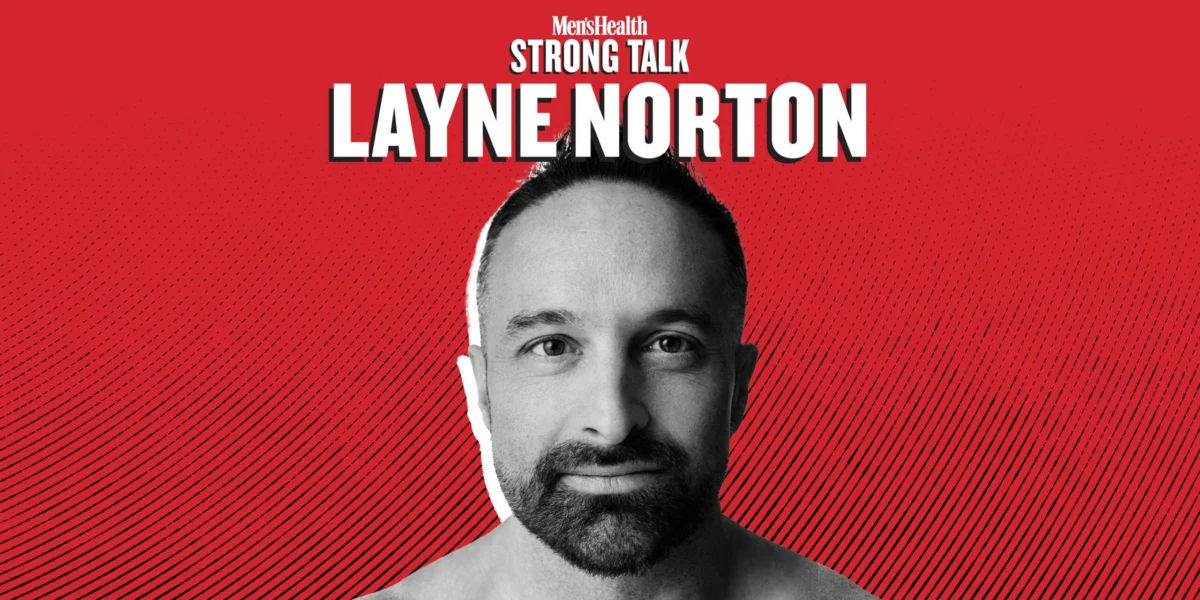
On a recent episode of the Strong Talk podcast, Ebenezer Samuel, CSCS, and Pat Davidson, PhD, were joined by nutrition and fitness expert Layne Norton, PhD, to dissect how this evolution occurred and what it means for the future of men’s health.

The Shadow of the 2000s: From Taboo to Treatment
The panel began by reflecting on the historical stigma that once surrounded the hormone. Dr. Pat Davidson recalled a defining moment in the year 2000: a TIME magazine cover featuring a shirtless, angry-looking man, accompanied by headlines questioning the risks and ethics of testosterone use. At the time, the medical community and the general public viewed supplemental testosterone with extreme skepticism, often conflating clinical replacement with illegal abuse.
Ebenezer Samuel noted that this portrayal created a "cheat code" narrative that made men resistant to seeking help, even when medically indicated. He shared a personal anecdote regarding his 82-year-old father, who eventually began TRT. Despite the clear health benefits, his father struggled with the transition, viewing the therapy as "cheating in life." This generational divide highlights how deeply the "natural vs. enhanced" debate has been ingrained in the male psyche, often at the expense of quality of life.

The Economic Engine: A Multi-Billion Dollar Market
The shift from stigma to acceptance is mirrored in the explosive growth of the TRT market. In 2024, the global testosterone replacement therapy market was valued at approximately $2.03 billion. Financial analysts project this sector will swell to $2.7 billion by 2033.
This growth is driven largely by the "boom" in online clinics and telehealth platforms. In the past, obtaining TRT required multiple in-person visits to specialists, extensive blood work, and often a high threshold of symptoms to qualify for a prescription. Today, direct-to-consumer healthcare has lowered the barrier to entry. While this increased accessibility allows more men to address symptoms of low T—such as fatigue, brain fog, and loss of libido—it has also sparked a debate about the "medicalization" of aging and the potential for over-prescription.

From the Locker Room to the War Room
Testosterone has moved beyond the gym and into the highest levels of American discourse. The conversation has reached a point where U.S. Secretary of Defense Pete Hegseth has suggested testing the testosterone levels of active military members. This proposal frames testosterone not just as a personal health metric, but as a component of national security and readiness.
On social media, the "optimization" culture—led by biohackers and wellness influencers—has further normalized the hormone. Testosterone is frequently discussed alongside cold plunges, intermittent fasting, and sleep hygiene as a tool for "leveling up" one’s life. However, as Samuel, Davidson, and Norton pointed out, this saturation of information has also led to a significant amount of confusion. The line between using testosterone to reach "normal" physiological levels (replacement) and using it to reach "superhuman" levels (performance enhancement) is often blurred in online discussions.

The Science of Replacement vs. Enhancement
One of the core objectives of the Strong Talk discussion was to clarify the difference between TRT and performance-enhancing drug (PED) use. Layne Norton, PhD, emphasized that true TRT is designed to bring a man who is clinically hypogonadal (low T) back into the "reference range" of a healthy male. When done correctly under medical supervision, this can improve bone density, muscle mass, mood, and cardiovascular health.
In contrast, performance enhancement involves taking supraphysiological doses—amounts far higher than the human body would ever produce naturally—to achieve extreme athletic results. The experts argued that much of the modern confusion stems from men seeing influencers on massive doses and assuming that a standard TRT protocol will yield the same "superhero" results. In reality, TRT is about restoration, not transformation into an elite bodybuilder.

The Masculinity Paradox
The resurgence of interest in testosterone is also deeply tied to modern concepts of masculinity. As traditional roles and societal expectations shift, many men view their hormonal health as one of the few variables they can control. High testosterone is often equated with confidence, drive, and resilience—traits traditionally associated with the "alpha" archetype.
However, the experts cautioned against reducing masculinity to a single number on a lab report. While healthy T levels are essential for physical and mental well-being, the panel noted that "manhood" is a complex interplay of psychology, environment, and behavior. The danger of the current "T-centric" culture is the potential for men to ignore other lifestyle factors—such as diet, stress management, and emotional health—in favor of a "magic bullet" injection.

Looking Ahead: The Future of Endocrine Health
As we move toward 2030, the conversation around testosterone is likely to become even more integrated into standard primary care. The goal for the medical community will be to balance the benefits of increased accessibility with the necessity of rigorous clinical oversight.
The evolution of testosterone from a "dirty secret" to a "longevity protocol" represents a broader trend in medicine: the shift from reactive care (treating disease) to proactive optimization (maintaining health). For the millions of men currently exploring their options, the message from experts like Samuel, Davidson, and Norton is clear: Education is the most important supplement. Understanding the difference between clinical need and aesthetic desire, and recognizing the long-term implications of hormonal therapy, is essential for anyone looking to navigate this new frontier of men’s health.

The rebrand of testosterone is more than just a marketing success; it is a reflection of a society that is becoming more comfortable with the biological realities of aging. By stripping away the stigma and focusing on the science, the "Strong Talk" contributors suggest that men can finally have a mature, evidence-based conversation about what it means to be healthy, viral, and strong at any age.
