
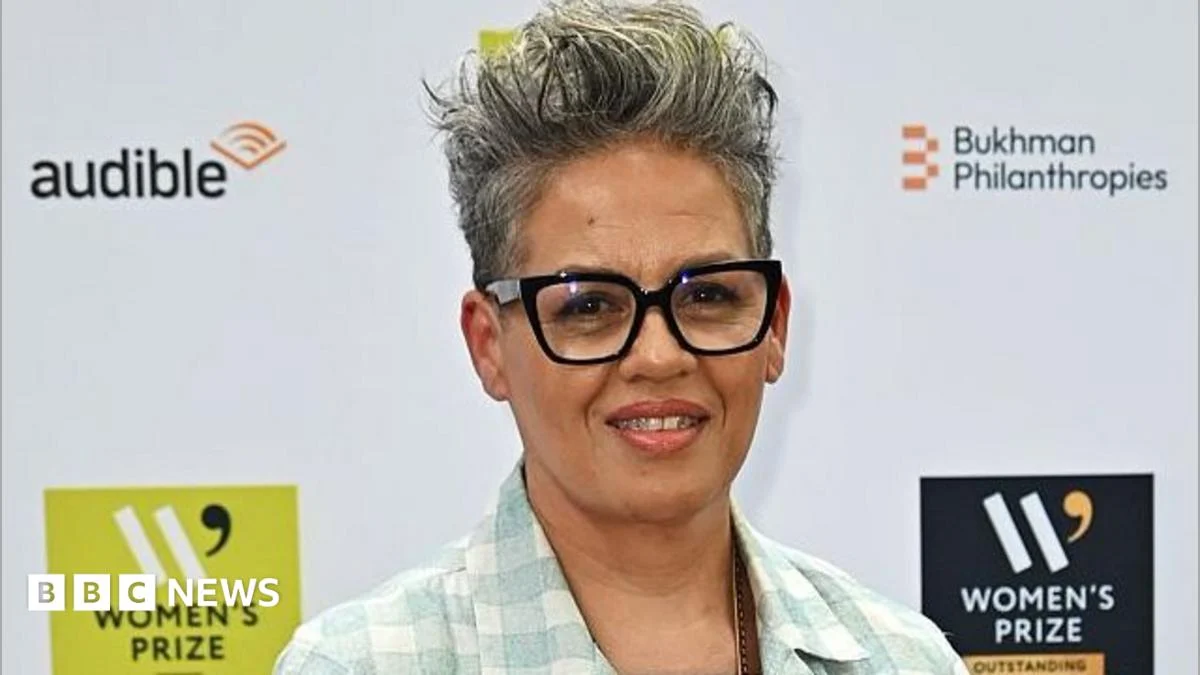
"From the depths of poverty and a tumultuous youth marked by profound challenges, author Kit de Waal discovered salvation and a new world within the pages of books. Her extraordinary journey highlights how literature can be a fundamental force for personal growth, resilience, and ultimately, a pathway to finding one’s voice."
This compelling quote encapsulates the remarkable life story of Kit de Waal, one of Britain’s most celebrated authors, whose experiences underscore the profound impact of reading. Her narrative is not merely one of overcoming adversity, but a testament to how personal hardship, mental health struggles, and a serendipitous encounter with literature converged to shape a powerful literary voice. De Waal’s life exemplifies how the written word can offer solace, perspective, and the tools to transform a life, ultimately inspiring her to create stories that resonate deeply with readers and reflect the very struggles she once endured.
Born into circumstances that starkly contrasted with her surroundings, Kit de Waal’s early life was defined by acute poverty, despite her family residing on the periphery of a predominantly middle-class neighbourhood. Her poignant reflection, "We were very, very poor. I was brought up in poverty, there’s no other way about it," paints a vivid picture of her formative years. This pervasive poverty was not merely an economic state but an experience that deeply etched itself into her consciousness, shaping her worldview and future literary sensibilities. The psychological and social ramifications of growing up poor, particularly in proximity to affluence, are often profound, fostering feelings of difference and exclusion. For de Waal, these experiences became the crucible in which her later writing was forged. She eloquently articulates how these early struggles taught her "difference, what it’s like to be an outsider, what it’s like to be poor, hungry, lost, not fit in, the damage that poverty does, the damage that racism does to children." This intimate understanding of marginalisation, born from personal suffering, would later imbue her narratives with an unparalleled authenticity and empathy, allowing her to craft characters and stories that speak to the universal human experience of vulnerability and resilience.
Amidst the prevailing hardships, de Waal also vividly recalls instances of profound kindness that stood out against a backdrop of struggle. After her family relocated to a largely white neighbourhood, an act as simple yet significant as a neighbour inviting her and her siblings into their home to see a pet tortoise left an indelible mark. In environments where resources are scarce and social exclusion is common, such gestures can carry immense weight, offering a momentary respite from the harsh realities of daily life and affirming one’s humanity. De Waal acknowledges the enduring lesson from this: "I learnt from that the power of kindness and the profound effect it has when other people aren’t being kind." These fleeting moments of warmth and acceptance not only provided comfort but also instilled in her an appreciation for empathy and the positive ripple effect of human connection, themes that would later surface in her compassionate storytelling.
When de Waal was six years old, her mother became a Jehovah’s Witness, introducing a new dimension to her upbringing. The Jehovah’s Witness faith is known for its distinct social practices, strong community ties, and often a structured lifestyle that can set adherents apart from mainstream society. By the age of 16, de Waal made the significant decision to leave home, choosing to no longer adhere to the faith. Departing from a strict religious community at such a young age, often without a robust external support system, can be an immensely challenging and disorienting experience, marking a profound break from established norms and familial expectations.
The years immediately following her departure were, by her own admission, difficult and tumultuous. "I was wild," she confessed, reflecting on a period marked by significant personal turmoil. Her candid revelation, "I took a lot of drugs, drank a lot, did everything you can imagine," points to a common trajectory for young individuals grappling with identity crises, unresolved trauma, or a lack of stable direction. Such a lifestyle often serves as a coping mechanism for deeper emotional wounds, or a desperate search for belonging and meaning. The tragic reality of losing friends to heroin overdoses served as a stark and sobering wake-up call, forcing her to confront the precarious path her life was taking. This harrowing experience became a critical turning point, prompting a desperate re-evaluation of her future.
By the age of 21, the cumulative effect of her experiences had taken a severe toll on her mental health. "I was really very, very unwell," she recounted, describing a state of profound psychological distress. Her stark assessment, "I would say a couple of months away from a very serious breakdown," underscores the severity of her condition, highlighting the critical juncture she had reached. The interplay of past trauma, an unstable lifestyle, and the absence of adequate support systems had pushed her to the brink. It was during this vulnerable period, after returning home and finding employment with the Crown Prosecution Service, that an unassuming comment from a solicitor would serendipitously alter the course of her life.
Observing her yawn during a meeting, the solicitor, perhaps sensing her underlying struggles or merely offering practical advice, suggested reading as a potential remedy for her insomnia. This suggestion was initially met with scepticism, as de Waal openly admitted to disliking books and never having cultivated a reading habit. At this point in her life, literature was an alien concept, far removed from her daily realities and interests. Yet, the solicitor’s gesture of kindness and guidance persisted; he provided her with a list of ten seminal novels, a diverse collection that included literary titans such as War and Peace and Madame Bovary. In a pivotal decision that defied her previous inclinations, she purchased every single one. This act marked the beginning of an extraordinary transformation. Though she humorously noted, "I’ve never cured the insomnia," the profound impact of that initial foray into literature was undeniable: "But I have found a world." This "world" was not just a collection of stories, but an expansive realm of ideas, emotions, and perspectives that offered an escape from her immediate struggles and, more importantly, a new way of engaging with life itself.
Reading rapidly evolved from a casual suggestion into a lifelong passion, becoming a bedrock of stability and intellectual nourishment. The immersive experience of delving into complex narratives, exploring diverse human conditions, and encountering new ideas provided a profound sense of purpose and discovery. This deep engagement with literature eventually ignited within her a desire to create her own stories, to become a writer herself. However, the path from passionate reader to published author was far from immediate or easy. Despite her initial belief that she could write a novel in a matter of months, de Waal candidly admits that it took "more than a decade of rejection and learning the craft before she was published." This period underscores the immense dedication, resilience, and rigorous self-discipline required to master the art of storytelling, involving countless hours spent honing her voice, developing characters, structuring plots, and enduring the often-discouraging cycle of submissions and rejections.
Her literary breakthrough arrived with My Name Is Leon, a powerful and poignant novel that tells the story of a young boy navigating the complexities of the care system in 1980s Birmingham. The subject matter of the novel directly resonated with de Waal’s own childhood experiences of being an "outsider," of understanding the profound "damage that poverty does" and the challenges faced by vulnerable children. The book quickly achieved international bestseller status, a testament to its compelling narrative and universal themes of identity, belonging, and the search for family. Its impact extended beyond the literary world, gaining widespread recognition and being adapted by the BBC for television, largely due to the impassioned advocacy of Sir Lenny Henry, who had narrated the audiobook and was determined to bring the story to the screen. Today, My Name Is Leon is studied in schools, cementing its place as an important work of contemporary literature that offers critical insights into social issues.
Despite her significant success and international acclaim, de Waal maintains that the most vital lesson gleaned from her journey is disarmingly simple: "If there’s a lesson, it’s write the thing you really care about." This philosophy underscores the authenticity and emotional depth that characterise her work, demonstrating that genuine passion for a subject is a powerful wellspring for creative expression. Now established as one of Britain’s most recognised authors, she remains a passionate advocate for reading in all its forms, including the increasingly popular medium of audiobooks, recognising the diverse ways in which people can connect with stories.
Reflecting on her remarkable trajectory, Kit de Waal consistently credits reading with fundamentally altering the direction of her life. Her declaration, "I found the world of reading," is more than a statement of discovery; it is an affirmation of salvation. She unequivocally states, "It saved my life." Her story stands as a powerful testament to the transformative potential of literature, not merely as a source of entertainment or knowledge, but as a vital force capable of offering solace, fostering empathy, guiding personal growth, and ultimately, empowering individuals to navigate and transcend the most challenging circumstances. Kit de Waal’s journey from a childhood marked by poverty and struggle to a celebrated literary career is a compelling narrative of resilience, highlighting the enduring and life-changing power of the written word.
