

"Predicting suicide is like predicting the lottery; it’s almost impossible. The most effective prevention strategies focus not on identifying who will attempt suicide, but on making it harder for anyone to succeed."
This striking analogy underscores a critical shift in the approach to suicide prevention. For decades, the focus has largely been on identifying individuals at high risk and intervening directly. However, groundbreaking research and expert consensus are increasingly pointing towards a more systemic approach: reducing access to lethal means. This strategy acknowledges the limitations of predicting suicidal behavior and instead aims to create safeguards that can save lives regardless of an individual’s specific risk profile, drawing parallels to successful public health initiatives in other domains.
The stark reality of suicide prevention is that accurately predicting who will die by suicide in the near future remains an elusive goal. Dr. Paul Nestadt, a psychiatrist deeply immersed in suicide prevention through his clinical work, extensive research, and teaching, candidly admits this limitation: "I can’t tell you which of my patients is likely to die by suicide in the next six months." This sentiment is echoed by research, which indicates that current prediction methods are only marginally better than chance and have seen little improvement over the past half-century. This inherent unpredictability, however, does not lead to despair but rather fuels a drive for alternative, more broadly effective interventions.
Nestadt champions a paradigm shift away from solely identifying and isolating individuals deemed at high risk. Instead, he advocates for making suicide attempts less likely to be fatal by limiting access to the means by which individuals might harm themselves. "Instead of asking every doctor to figure out which patient will die by suicide and locking that patient up, it might be that we need to make sure there aren’t loaded guns available," Nestadt explains. This perspective aligns with KFF Health News’ ongoing examination of suicide prevention strategies that extend beyond traditional therapy and medication. While these are vital components of care, many experts and those personally affected by suicide recognize the necessity for a more comprehensive approach.
The challenge lies in translating these broader policy ideas into actionable measures, particularly when firearms are involved. Such discussions often become mired in constitutional complexities and political polarization. Nevertheless, research consistently highlights limiting access to lethal means as one of the most promising avenues for reducing suicide deaths. This can encompass physical barriers on bridges and buildings to prevent falls, or restricting the quantities of potentially lethal medications individuals can acquire. Crucially, reducing access to firearms emerges as a particularly impactful strategy. Nestadt, who also serves as medical director at the Johns Hopkins Center for Suicide Prevention, asserts, "That’s the one that will save the most lives," though he acknowledges its implementation is fraught with difficulty.
The statistics surrounding firearm suicides are sobering. Preliminary federal data indicates that over 28,000 individuals died by suicide using a firearm in the preceding year, constituting more than half of all suicide deaths in the U.S. Even as overall suicide rates have seen a recent dip, firearm suicides have reached record highs for five consecutive years. While middle-aged white men and veterans have historically comprised a significant portion of these deaths, recent trends show an alarming rise among women and some Black and Latino men. The surge in first-time gun buyers during the COVID-19 pandemic further amplifies the urgency for widespread prevention efforts.
A common misconception is that restricting access to one lethal method is futile, as individuals determined to end their lives will simply find another. However, robust research refutes this notion. Studies demonstrate that barriers to one method do not typically lead to substitution with another. Suicidal crises can be intensely brief, with individuals sometimes moving from decision to action in less than an hour, or even mere minutes. Any delay, such as the time required to unlock a gun safe, can provide a crucial window for reconsideration or for intervention by others.
Despite the evidence, discussions surrounding gun access in the U.S. are highly contentious, even within the traditionally bipartisan realm of suicide prevention. Policies like background checks, waiting periods, and red flag laws often trigger entrenched political divides. Gun owners and the firearms industry argue that many proposed measures infringe upon Second Amendment rights, while many policymakers view the topic as politically untenable.

During the Trump administration, a strong stance in favor of gun owners was evident. Numerous firearms regulations were rolled back, a previous Surgeon General’s advisory labeling gun violence a public health crisis was rescinded, and grants focused on community gun violence prevention were revoked. Federal staff working on this issue also saw reductions. While the White House did not directly address how these actions might impact gun suicide rates, a spokesperson emphasized President Trump’s commitment to "Making America Healthy Again," pointing to support for psychedelic treatments for mental illness and grants for veteran suicide prevention.
The Nuances of Red Flag Laws
Among gun safety policies, Extreme Risk Protection Orders (ERPOs), commonly known as red flag laws, have garnered some traction despite opposition. These laws, enacted in 22 states and the District of Columbia, empower judges to temporarily remove firearms from individuals deemed a danger to themselves or others, based on presented evidence. While often prompted by mass shootings, research indicates their greater efficacy in suicide prevention.
The critical limitation of red flag laws, however, is their reliance on identifying an individual exhibiting clear warning signs. Dorothy Paugh’s personal history illustrates this challenge. Her father died by suicide in 1965 after a period of job loss and financial distress. Paugh believes that if a mechanism like an ERPO had existed, or if his friend had temporarily held his handgun, her father might have been saved. Decades later, Paugh became a vocal advocate for Maryland’s red flag law. She acknowledges its life-saving potential, citing studies suggesting that for every 10 to 20 guns removed under such laws, one suicide is averted.
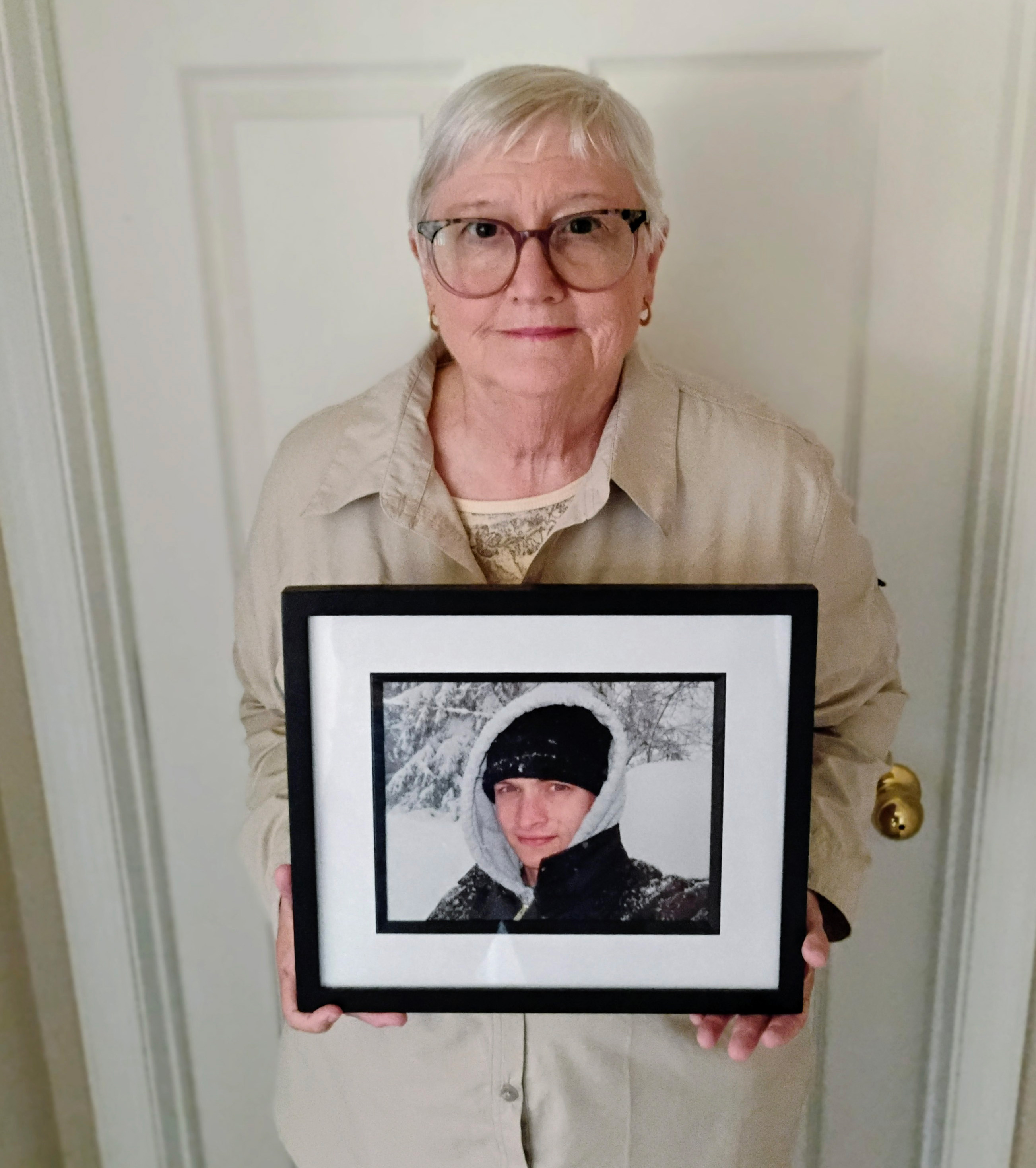
Yet, Paugh also recognizes the law’s limitations, stating, "It wouldn’t have saved my son." Her 25-year-old son, Peter, died by suicide in 2012, shortly after purchasing a home and celebrating his brother’s birthday. Paugh received a thoughtful gift from him after his death, a collection of novels by her favorite author. Unlike her father’s situation, Paugh experienced no discernible warning signs for Peter. "I did not know that my son was suicidal. I didn’t have a clue," she laments. Even with a red flag law in place at the time, she would not have had grounds to invoke it.
Michael Anestis, a clinical psychologist and executive director of the New Jersey Gun Violence Research Center, points out that individuals most vulnerable to firearm suicide are often not identified as such by family or clinicians. Research indicates that those who die by firearm suicide are less likely to have sought mental health care beforehand. Furthermore, a significant proportion of veterans and service members who die by gun suicide do not disclose their suicidal ideations in the months leading up to their deaths.
Consequently, Anestis views red flag laws as a valuable, but incomplete, first step. While they are politically more palatable due to their focus on identifiable high-risk individuals, they do not address the silent suffering of those who are not outwardly exhibiting distress.
Lessons from Road Safety
Dr. Nestadt draws a compelling analogy between suicide prevention and road safety initiatives. "You’re not trying to figure out who’s at risk of an accident" by testing individual reaction times or tracking minor collisions. Instead, governments implemented speed limits, mandated seat belt use, and required safety features like airbags. These systemic changes led to a significant decline in traffic fatalities.
Applying a similar public health framework to suicide prevention could involve measures such as requiring permits and background checks for firearm purchases, alongside mandatory waiting periods. Studies have indicated a correlation between permit-to-purchase laws and reduced gun suicide rates, while the repeal of such laws has been linked to an increase in firearm suicides.
In homes with children, approximately three dozen states have enacted laws requiring safe gun storage, a practice proven to reduce youth suicides. This is particularly critical given the sharp increase in gun suicide rates among Black youths (245%) and Latino youths (98%) since 2014. Anestis notes that laws mandating permits and safe storage can also contribute to reducing homicides and other gun-related injuries. These forms of violence, in turn, can increase suicide risk due to trauma and desensitization to the idea of death or injury, creating a detrimental "double whammy" effect.
Responsibility, Rights, and the Path Forward
Gun owners and firearm industry associations often express reservations about universal measures like permits and waiting periods. Their preference leans towards educational campaigns focused on recognizing warning signs, promoting mental health discussions, and emphasizing safe gun storage – approaches that place responsibility on individuals. The National Shooting Sports Foundation, for instance, collaborates with the American Foundation for Suicide Prevention to distribute educational materials in gun shops. Bill Brassard, the NSSF’s senior director of suicide prevention initiatives, stated their aim is to "provide educational materials to the firearm-owning community on how to help prevent suicide and save lives."
The National Rifle Association, conversely, argues that policies targeting firearms overlook deeper issues contributing to suicidal ideation, such as mental illness. NRA spokesperson Justin Davis asserted, "Suicide is a serious issue that deserves serious solutions focused on the underlying causes, not on political efforts to restrict the rights of law-abiding Americans." He added, "A truly dangerous individual needs to be incapacitated, not just deprived of one particular means of harm."
Despite these differing viewpoints, some initiatives have fostered unlikely collaborations between gun store owners, public health experts, and even libraries. These efforts include providing free gun locks, identifying safe temporary storage locations for firearms during a crisis, and educating individuals on how to avoid selling guns to someone who may be suicidal.
These collaborative efforts offer Dorothy Paugh a measure of hope, strengthening her resolve to advocate for improved mental health care, open conversations about suicide, and policies that reduce access to lethal means. While acknowledging that these policies are not a panacea, she firmly believes they "do save lives." Having experienced the profound loss of both a parent and a child to suicide, Paugh understands the immeasurable value of those saved lives. "If you’re that one person or that person’s family, it’s all the difference in the world," she concludes.
