
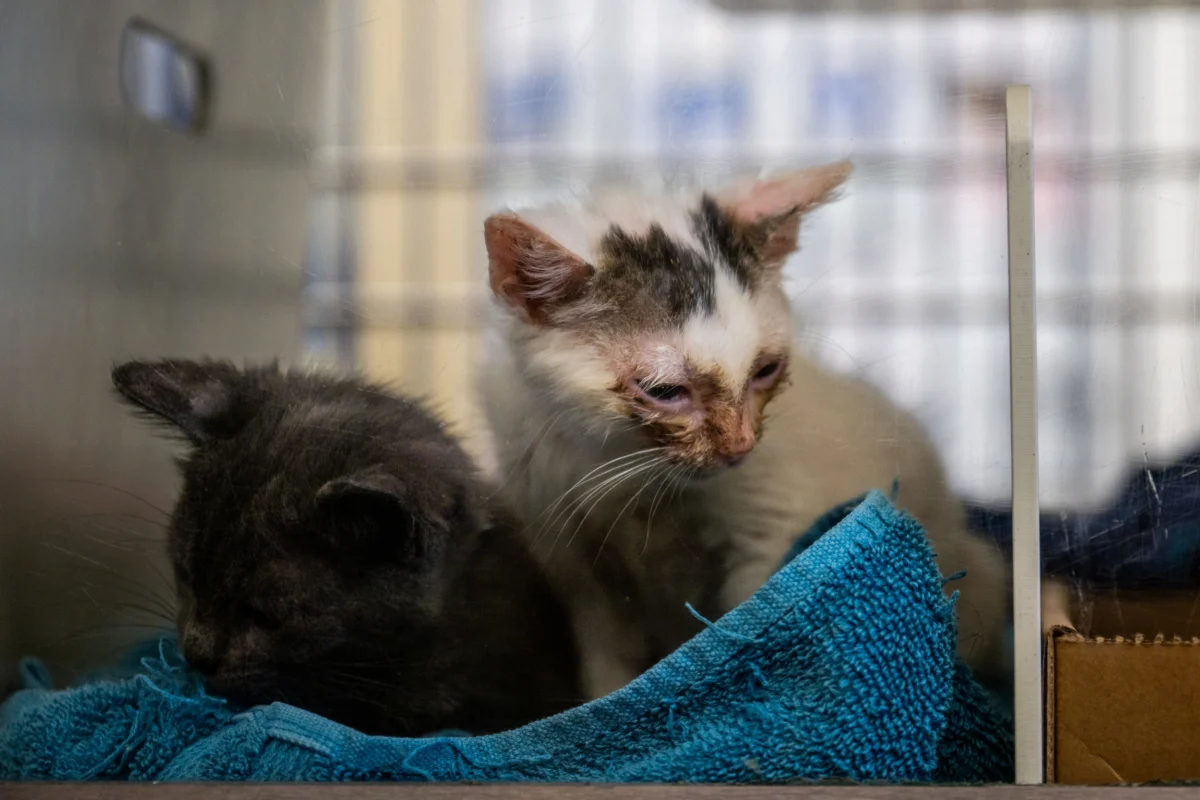
"A young man’s fatal pneumonic plague case, linked to contact with sick cats, serves as a stark reminder of the potential for zoonotic disease transmission and the critical importance of prompt veterinary care for pets."
A recent Centers for Disease Control and Prevention (CDC) case report has shed light on a rare but devastating instance of pneumonic plague in Arizona, resulting in the death of a young man in July 2025. The investigation, published on October 1, 2026, points to occupational contact with two ill indoor cats as the likely source of his infection. This tragic event underscores the susceptibility of cats to Yersinia pestis, the bacterium responsible for plague, and the potential for direct human transmission, particularly through respiratory droplets. The report details how the man experienced symptoms consistent with pneumonic plague shortly after exposure to the cats, which themselves exhibited respiratory distress. This case marks Arizona’s first pneumonic plague fatality since 2007 and emphasizes the need for heightened awareness among pet owners and healthcare providers, especially in regions where plague is known to circulate. While human plague remains an uncommon occurrence, the swift and severe progression of pneumonic plague, with its nearly 100% fatality rate if left untreated, necessitates immediate medical attention and a thorough understanding of potential transmission pathways.
The Coconino County case, meticulously documented by investigators from the CDC, the Arizona Department of Health Services, and local county health officials, paints a grim picture of a fast-moving and ultimately fatal illness. The young man initially presented with a constellation of symptoms including abdominal pain, chest pain, and a dry cough, leading to his admission to an emergency department. Initial diagnostic suspicions leaned towards hantavirus disease or bacterial pneumonia, prompting the administration of broad-spectrum antibiotics. However, despite aggressive treatment, his condition deteriorated rapidly, with his blood oxygen levels continuing to decline. The definitive diagnosis of pneumonic plague was only established post-mortem. An automated laboratory system initially misidentified the causative agent as a related species, Yersinia pseudotuberculosis. It was not until six days after his death that the Arizona State Public Health Laboratory correctly identified Yersinia pestis, with a subsequent culture confirming the diagnosis four days later.
The two cats, unfortunately, had been euthanized prior to the man’s illness and therefore could not be tested for plague. This absence of direct laboratory confirmation means they are considered a possible source of infection, rather than a definitively confirmed one. Nevertheless, their presenting respiratory symptoms were consistent with pneumonic plague, making them prime suspects in the transmission chain. In the aftermath of the man’s death, public health protocols were immediately enacted. A total of 46 individuals identified as potentially exposed, including household members, coworkers, and hospital staff, were administered a seven-day course of the oral antibiotic ciprofloxacin as a prophylactic measure. Encouragingly, the CDC report notes that none of these individuals subsequently fell ill, highlighting the effectiveness of timely post-exposure prophylaxis.
The critical role of cats in the transmission of pneumonic plague cannot be overstated. Pneumonic plague, a severe infection of the lungs, is primarily spread through the inhalation of airborne respiratory droplets containing the plague bacteria. The CDC has consistently highlighted that pneumonic plague, if left untreated, carries a near-certain fatality rate. The risk of contracting the disease is significantly elevated by occupational or close contact with infected animals, and cats, due to their inherent susceptibility, are frequently implicated. The CDC’s guidance for veterinarians specifically identifies cats as a "common source of infection in humans." Transmission can occur through direct contact with an infected animal’s bodily fluids (such as saliva, blood, or pus from buboes), bites, or scratches. Furthermore, infected fleas carried by pets can also introduce the bacteria into a household environment, indirectly exposing humans.
Coconino County health officials have long advised residents to be vigilant, particularly concerning the health of their feline companions. They emphasize that while cats can suffer from a variety of ailments, a sick cat, especially one that spends time outdoors and may have encountered rodents, warrants prompt veterinary attention for proper diagnosis and treatment. It is crucial to remember that most sick cats do not have plague. However, the concern is amplified for outdoor cats that have potential contact with rodents or their fleas, and for the individuals who handle these animals.
Plague is not an entirely novel threat in the American Southwest, and its activity across the region is closely monitored. According to CDC data, the United States typically reports an average of seven human plague cases annually. The majority of these cases are acquired in specific geographic areas, including northern New Mexico, northern Arizona, and southern Colorado, as well as parts of California, southern Oregon, and far western Nevada. The MMWR report underscores that Arizona has recorded a relatively low number of human cases, with only eight reported between 2000 and 2024. However, isolated outbreaks and individual cases continue to emerge. For instance, Apache County, Arizona, confirmed a human plague case on April 7, 2026, its first since 2015. Fortunately, that patient recovered, and officials maintained that the risk to the general public remained low. The New Mexico Department of Health has also reported human and animal cases for 2026, including one human case and five animal cases, four of which involved dogs. In Colorado, Jefferson County Public Health reported plague in a pet cat near Evergreen in August 2025, with local health officials noting that animal cases are not uncommon during warmer months in the state.
The implications of the Coconino County case extend beyond a single unfortunate event, reinforcing existing public health recommendations for pet owners and families residing in plague-endemic areas. The CDC’s comprehensive plague prevention advice begins with diligent flea control. Implementing regular flea treatment for pets is a fundamental step in mitigating risk. Furthermore, the CDC advises against allowing pets that roam freely in plague-prone areas to sleep on human beds, as this increases the likelihood of bringing infected fleas or other vectors into the home. When direct handling of a potentially infected animal is unavoidable, wearing gloves is strongly recommended.
In cats, plague often manifests as swollen lymph nodes, particularly under the jaw. Some cats may develop the more virulent pneumonic form of the disease. If a cat exhibits signs of illness, such as lethargy, fever, swollen lymph nodes, coughing, or difficulty breathing, it is imperative to contact a veterinarian immediately. During such consultations, it is advisable to mention any potential contact the animal may have had with rodents. This information allows veterinary clinic staff to take necessary precautions, such as preparing appropriate personal protective equipment like masks and gloves, as recommended by the CDC when examining cats suspected of having plague.
Individuals who have had contact with an animal that is suspected or confirmed to have plague should consult with a healthcare provider. Depending on the nature and duration of the exposure, preventive antibiotics may be prescribed. Exposed veterinary personnel, in particular, are advised to closely monitor their health for a period of two weeks following potential exposure. Prompt medical attention is crucial if symptoms such as fever, headache, weakness, swollen and painful lymph nodes, shortness of breath, chest pain, or cough develop after contact with a sick animal. The CDC’s guidance on plague symptoms indicates that pneumonic plague can manifest as early as one day after exposure. It is vital to inform clinicians about any relevant animal contact, as the symptoms of plague can mimic those of more common respiratory illnesses like pneumonia, potentially delaying diagnosis and treatment. Early and appropriate antibiotic therapy is the cornerstone of successful plague treatment in humans.
While this particular case report does not introduce new public health directives, it serves as a critical reinforcement of existing guidelines. It also strongly urges healthcare providers practicing in plague-endemic regions to maintain a high index of suspicion for plague in patients presenting with severe respiratory and systemic illness, particularly if there is a history of exposure to ill animals. The swift and accurate identification of plague, coupled with prompt medical intervention, remains paramount in preventing fatalities and limiting further transmission.
Key Questions Answered
What did the CDC report find?
The CDC report detailed a case in Coconino County, Arizona, where a young man died from pneumonic plague in July 2025. The likely source of his infection was identified as occupational contact with two sick cats. While the cats were not tested, their symptoms were consistent with plague, making them a probable, though not definitively confirmed, source.
Did anyone else get sick?
No. A total of 46 individuals who had potential contact with the deceased man and the cats received preventive antibiotic treatment (ciprofloxacin), and none developed illness.
Why are cats a concern in plague transmission?
Cats are highly susceptible to plague and can contract the disease from infected rodents or fleas. They can then transmit the bacteria to humans through bites, scratches, direct contact with infectious discharges, or by carrying infected fleas into homes.
What signs in a cat should prompt veterinary attention?
Owners should seek veterinary care for cats exhibiting signs such as swelling under the jaw, coughing, or difficulty breathing, especially if the cat spends time outdoors and may have had contact with rodents.
When should people seek urgent medical care?
Individuals experiencing sudden fever, swollen lymph nodes, cough, or shortness of breath after contact with a sick animal should seek immediate medical attention. Prompt diagnosis and antibiotic treatment are critical for human plague, which, while rare, can be effectively treated if identified early.
