
"True wellness is not an exclusive luxury reserved for those with deep pockets, but a fundamental human right accessible through intentional choices, community engagement, and a mindful connection to our environment and ourselves."
In an era where "wellness" has evolved into a multi-billion-dollar industry, often synonymous with high-end retreats, exclusive spa treatments, and premium memberships, many find themselves priced out of practices that promise holistic well-being. However, a growing movement is challenging this commercialized narrative, demonstrating that nurturing a healthy body, mind, and soul doesn’t require a hefty financial investment. Instead, it thrives on ingenuity, community spirit, and a return to simpler, often overlooked, activities that offer profound benefits without exhausting one’s bank account. This article explores diverse, affordable avenues for achieving genuine wellness, drawing insights from experts and individuals who champion accessible self-care.
The modern wellness landscape has seen an explosion of offerings, from opulent floating sound baths in five-star hotels to exclusive yoga studios and transformative retreats costing thousands of pounds. While these experiences can undoubtedly provide moments of tranquility and rejuvenation, their steep price tags render them unattainable for the majority. This disparity has inadvertently created a perception that wellness is a privilege rather than an inherent pursuit, fostering a sense of exclusion for those navigating tighter budgets. Yet, the core principles of wellness – physical activity, mental clarity, emotional balance, and social connection – are universal needs that predate the commercialization of self-care. In response to this exclusivity, a grassroots movement is gaining momentum, advocating for and facilitating accessible pathways to holistic health. This shift emphasizes that intentional living, community engagement, and a mindful approach to everyday activities are the true cornerstones of well-being, proving that a rich, healthy life is within everyone’s reach.
Cultivating Connection Through Community Wellness Gatherings
The financial burden of traditional studio memberships, often costing hundreds annually, can be a significant barrier to regular physical and meditative practices. Recognising this, individuals and small groups are increasingly taking the initiative to organise their own free or low-cost wellness gatherings. These community-led initiatives leverage the power of social connection and shared purpose, making practices like yoga, meditation, and fitness accessible to a broader audience. Platforms such as Meetup and local social media groups have become vital conduits for discovering and participating in these informal, yet highly impactful, sessions.
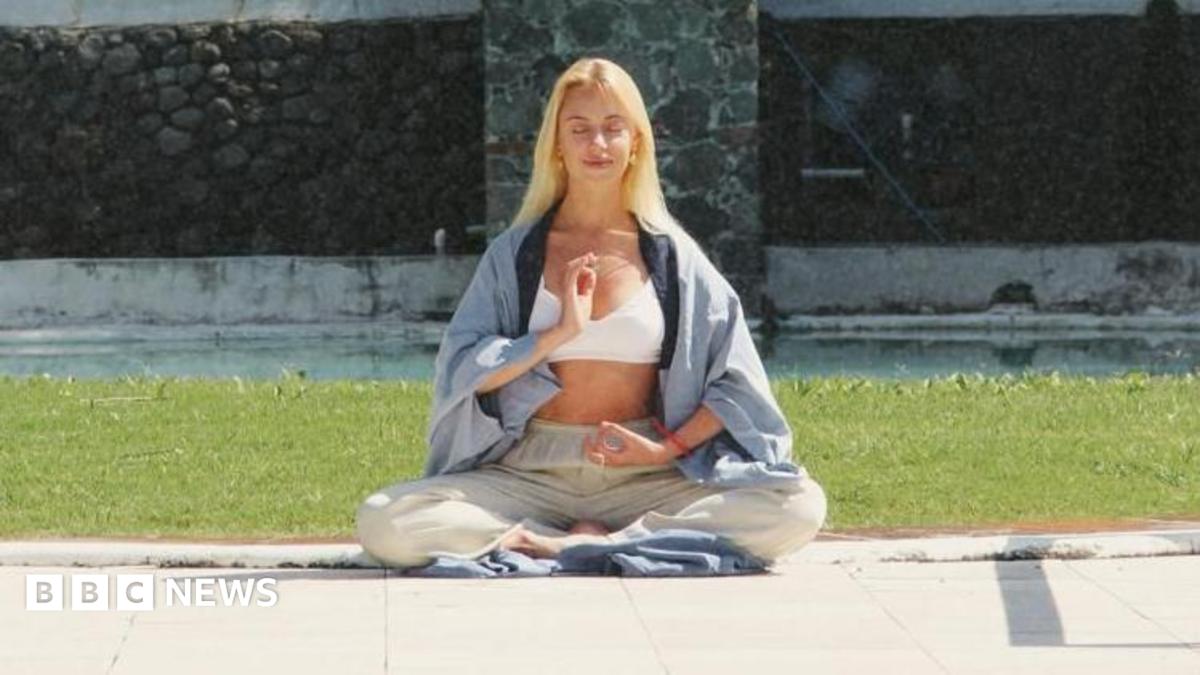
Anastasiia Mirraslavska, a dedicated yoga teacher in London, exemplifies this movement with her "Sunday Reset" meetups. Once a month, her group converges in various city parks, harnessing the serene backdrop of nature for collective yoga and meditation. Beyond these outdoor sessions, Anastasiia also hosts online meditation gatherings via Zoom, ensuring continuity and accessibility regardless of weather or location. With a flexible pricing model, offering both free and approximately £10 paid sessions, she intentionally lowers the entry barrier. Mirraslavska’s motivation is clear: "I wanted to create a space where people could experience [yoga and meditation] in a simple and accessible way." This ethos underscores the belief that mindfulness should not be an exclusive commodity but a readily available tool for personal peace.
Similarly, in Liverpool, model Erica Correa is fostering a sense of community and accessible self-care through her "Soft Sunday" meetups. These curated wellness experiences, which have previously included pilates classes followed by beauty treatments, are designed with a philosophy of "intention over expense." Correa articulates this vision, stating, "Wellness is more about the decisions that you make in life, how you protect your time." By focusing on mindful choices and shared experiences rather than high costs, Soft Sunday aims to redefine luxury as intentional self-care within a supportive group setting. While currently invitation-only, Correa envisions expanding these gatherings to welcome more participants, further democratising wellness in the city. These initiatives highlight a powerful truth: the communal aspect often amplifies the benefits of individual practices, offering support, motivation, and a sense of belonging that expensive solo retreats rarely provide.
The Earth’s Embrace: Gardening for Holistic Health
Gardening, often perceived as a pastoral pastime, is gaining renewed recognition as a potent tool for boosting both physical and mental well-being. Far from requiring extensive financial outlay, engaging with the soil and nurturing plant life offers a wealth of benefits that scientific research is increasingly substantiating. The Royal Horticultural Society (RHS), a leading gardening charity, has published research indicating that individuals who garden daily report significantly higher levels of well-being and notably lower stress levels. This profound connection between horticulture and human health extends beyond mere physical activity; it taps into our innate biophilia, the human tendency to connect with nature and other living systems.
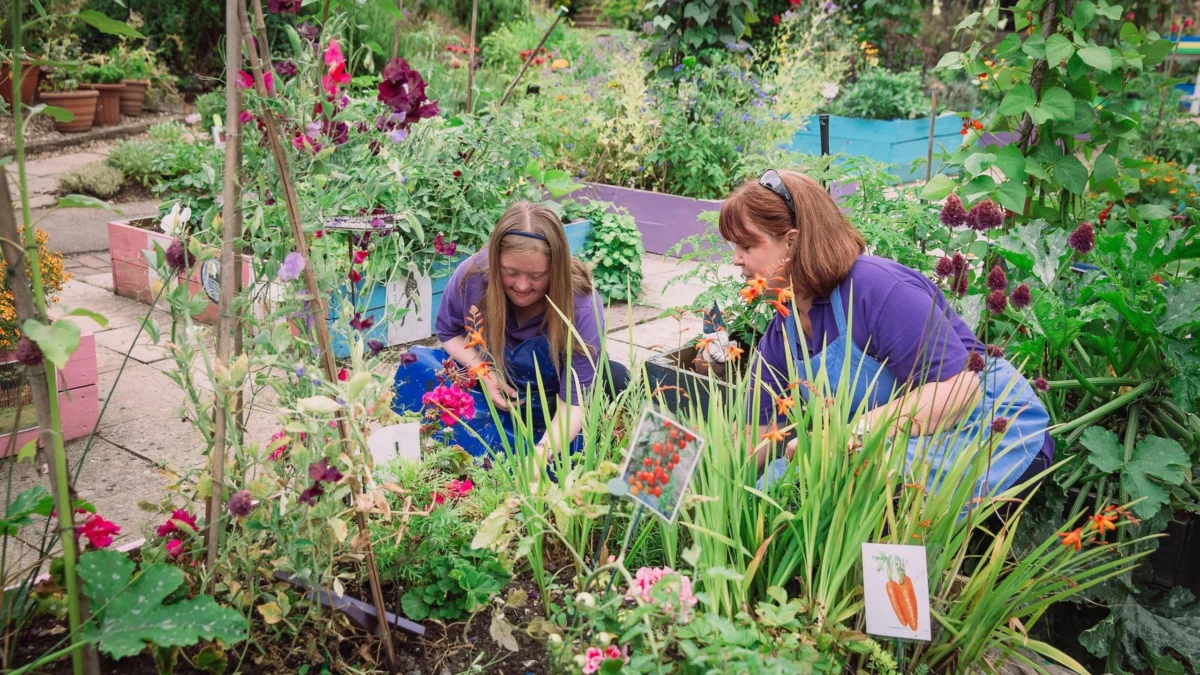
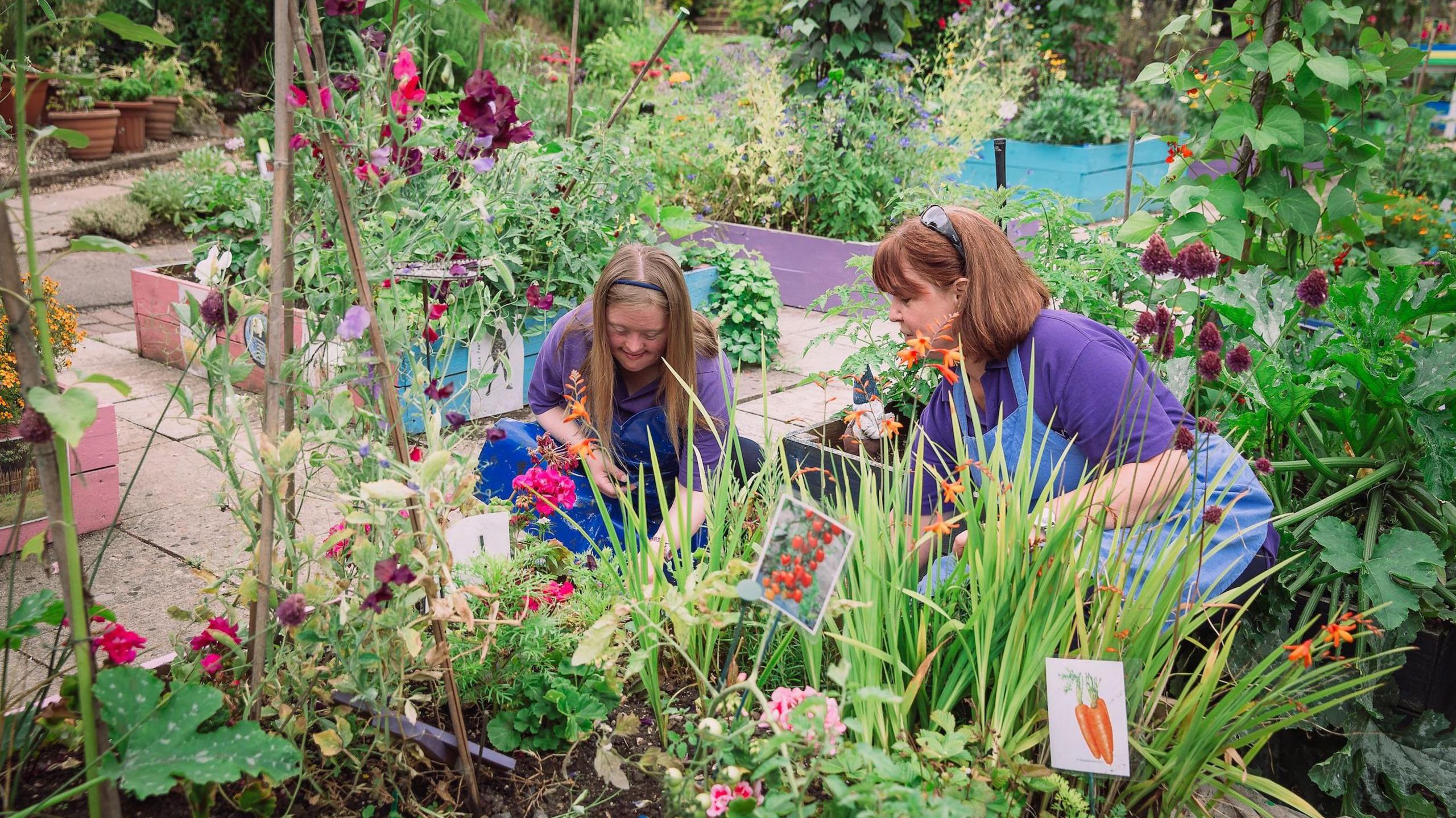
For those without the luxury of a private garden, several accessible avenues exist. Local councils across the UK often provide allotments, allowing individuals to rent a plot of land for a relatively modest annual fee. These plots offer the dual benefit of enabling food cultivation – providing fresh, organic produce – and fostering a sense of community among fellow gardeners. Beyond allotments, community gardens present another invaluable resource. Platforms like the "Good to Grow map" and the RHS’s website list numerous community gardens where individuals can volunteer their time and effort. Many of these gardens generously provide tools and equipment, removing any initial financial hurdles and making it easy for newcomers to get outdoors, meet like-minded people, and acquire new skills in a supportive environment.
Thrive, a charity dedicated to using gardening to improve people’s health and well-being, underscores the multifaceted benefits of these spaces. Damien Newman, Thrive’s training, education, and consultancy manager, emphasizes that community gardens offer "the opportunity to be engaged in gardening and connect to a welcoming social group." He elaborates on the comprehensive impact, stating, "It’s good across our holistic health spectrum, good physically, cognitively, socially, psychologically and emotionally." Physically, gardening involves bending, lifting, and digging, providing moderate exercise. Cognitively, planning and problem-solving are engaged. Socially, these spaces foster new friendships and a sense of collective purpose. Psychologically, nurturing life and witnessing growth can be incredibly rewarding, reducing feelings of anxiety and depression. Emotionally, the simple act of being in nature and connecting with the earth offers a profound sense of peace and grounding.
The Revival of ‘Old-Fashioned’ Hobbies for Modern Minds
In an age dominated by digital distractions and fast-paced living, there’s a growing appreciation for the therapeutic simplicity of hobbies once considered "old-fashioned." These activities, often requiring minimal financial investment, are being rediscovered for their profound capacity to improve mental well-being and foster a deeper connection to self and surroundings.
Birdwatching, for instance, requires little more than a trip to a local park or nature reserve. The cost of entry is virtually zero, and the rewards are abundant. Across the UK, local birdwatching groups and online communities provide accessible entry points for enthusiasts. The RSPB’s website is an excellent resource for finding nearby groups, fostering a sense of community among observers. Research supports the benefits, suggesting that just 30 minutes of birdwatching can significantly boost happiness, improve overall well-being, and help individuals feel more connected to the natural world. The act of patiently observing nature, identifying species, and listening to birdsong encourages mindfulness, reduces mental clutter, and provides a calming escape from daily stressors.
Similarly, crochet, a craft experiencing a significant resurgence, offers an inexpensive yet powerful avenue for well-being. All that’s needed to begin is a basic hook and a ball of yarn, which can be acquired for just a few pounds. The repetitive, rhythmic motions involved in crocheting can induce a meditative state, promoting relaxation and reducing anxiety. Research has explicitly linked crochet with improved well-being, with practitioners reporting that it helps them cope with stress, process grief, manage chronic illness, and navigate other significant life challenges. The tactile engagement, the creative outlet, and the tangible sense of accomplishment from completing a project all contribute to a profound sense of satisfaction and mental clarity. These "old-fashioned" pursuits offer a valuable counterpoint to the complexities of modern life, providing simple, accessible, and deeply enriching avenues for self-care.
Embracing the Outdoors: Free and Effective Movement
Effective exercise does not need to be confined to the expensive walls of a gymnasium. The great outdoors offers a vast, free, and incredibly versatile arena for physical activity, catering to all fitness levels and preferences. There are myriad ways to stay active and build strength without spending a significant amount of money, proving that a healthy body is attainable through accessible means.
Bodyweight training, commonly known as calisthenics, is an excellent example of this. Utilizing one’s own body weight for resistance, exercises like push-ups, squats, lunges, planks, and pull-ups (if a bar is available) effectively build strength, improve flexibility, and enhance coordination. The beauty of calisthenics lies in its simplicity and adaptability; it requires little to no equipment, making it an ideal choice for workouts at home, in a local park, or even while traveling. It promotes functional strength, which translates directly to improved daily movements and overall physical resilience.
Running has also witnessed a remarkable surge in popularity, evolving into one of the most accessible and widely embraced forms of exercise. Statistics reveal that approximately 7.1 million adults in the UK now regularly engage in running, marking an increase of over 500,000 in the past year alone. This surge is fueled by both solo runners seeking personal challenge and the burgeoning community of local run clubs. For absolute beginners, the NHS Couch to 5K programme stands as an invaluable, free resource. This nine-week structured plan is meticulously designed to gradually build cardiovascular fitness, enabling individuals to progress from walking to running five kilometres non-stop. Its guided approach fosters confidence and builds sustainable habits.
Once the 5K milestone is achieved, the vibrant Parkrun community offers a fantastic next step. With almost 1,500 free, weekly 5k events held across the UK every Saturday morning, Parkrun provides an inclusive, non-competitive environment for runners of all abilities. These volunteer-led events not only encourage consistent physical activity but also foster a strong sense of community, camaraderie, and personal achievement, making running a truly social and rewarding experience.
Digital Serenity: The Accessibility of Online Sound Baths
Sound baths, once an esoteric practice, have emerged as a significant trend in the wellness world, known for their profound calming and meditative effects. For the uninitiated, a sound bath involves a practitioner playing a range of instruments such as crystal or Tibetan singing bowls, gongs, and chimes. The resonating frequencies and vibrations are designed to guide participants into a deep state of relaxation, often inducing a meditative or even trance-like state. This immersive sonic experience is highly valued for its ability to reduce stress, improve sleep, and foster mental clarity.
However, the in-person experience of a sound bath can be prohibitively expensive, with sessions often costing upwards of £30-£50, and availability can be limited, especially outside major urban centres. Recognizing this accessibility gap, a convenient and affordable alternative has gained traction: online sound baths. Recordings of these sessions are readily available on popular platforms such as YouTube and Spotify, allowing individuals to recreate the experience in the comfort and privacy of their own homes. Many meditation apps also integrate sound options, though some may come with a subscription fee.
Lyz Cooper, the esteemed founder of the British Academy of Sound Therapy, offers crucial guidance for those exploring digital sound baths. While acknowledging that the quality of online recordings can vary significantly, she confirms that many excellent resources exist. Cooper advises seekers to prioritize recordings created by experienced practitioners or established organizations to ensure authenticity and therapeutic efficacy. To maximize the benefits of an online sound bath, she recommends a specific setup: "If you wear over-ear headphones, lie down, close your eyes and make sure you are in a place where you’re not going to be disturbed, the therapeutic benefits of listening are potentially very good." This attention to environmental detail helps to mimic the immersive quality of an in-person session, allowing the listener to fully surrender to the sonic vibrations. Cooper’s overarching advice encapsulates the essence of accessible wellness: "Ultimately, the most important thing is that people find an approach they’ll genuinely use." This emphasizes the personal nature of well-being, where consistency and genuine engagement with a chosen practice outweigh its cost or perceived luxury.
In conclusion, the pursuit of wellness is not, and should not be, confined to those with ample disposable income. The examples of community meetups, accessible gardening, rediscovered hobbies, outdoor exercise, and digital sound baths powerfully demonstrate that profound well-being can be cultivated through intentional, often free or low-cost, practices. These avenues not only offer physical and mental benefits but also foster invaluable social connections and a deeper appreciation for our natural world. By shifting focus from commercialized luxury to resourceful, community-driven, and mindful engagement, individuals can reclaim their right to a healthy, balanced, and fulfilling life.
