
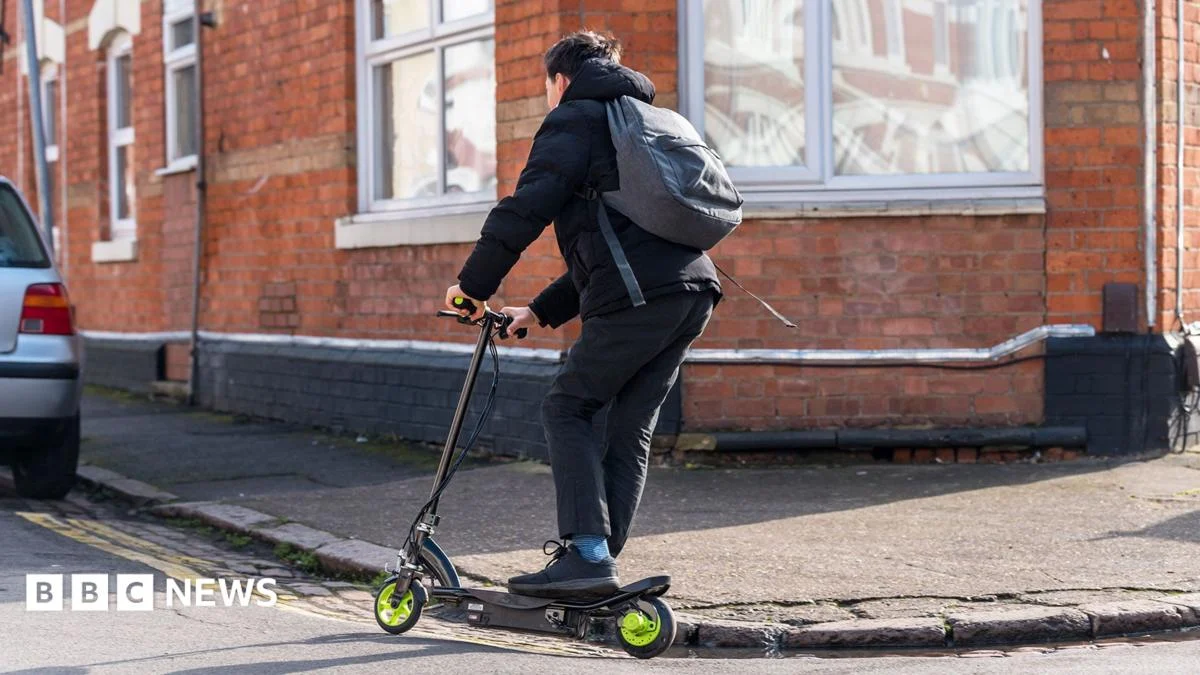
A growing tide of e-scooter-related injuries, disproportionately affecting children and often stemming from illegal private use, underscores an urgent need for comprehensive legal reform and public safety initiatives across the UK.
This statement highlights the escalating public health crisis linked to the widespread, yet largely unregulated, use of private e-scooters in major UK cities. With emergency departments reporting a significant increase in trauma, particularly among young riders, experts are intensifying calls for policymakers to transition from the current "Wild West" scenario to a structured legal framework that prioritizes user and pedestrian safety.
Emergency healthcare professionals are sounding the alarm over a significant rise in injuries linked to e-scooter use, with a particular concentration of incidents reported in major urban centres such as Manchester, Liverpool, and Sheffield. Data indicates that the vast majority of these incidents involve private e-scooters, which are frequently and illegally operated on public roads, pavements, and footpaths. This widespread misuse occurs despite clear legal stipulations that private e-scooters are only permitted for use on private land, and only with the explicit permission of the landowner. The burgeoning popularity of these devices, coupled with a lack of clear, enforced regulation for private ownership, has created a complex challenge for public safety and urban planning.
The demographic most affected by these incidents is particularly concerning: half of all children injured were aged between 10 and 13 years old, with nearly two-thirds of all young victims being boys. These statistics point to a troubling pattern where a highly vulnerable age group, often lacking the experience, judgement, and physical maturity required for safe operation in complex public environments, is disproportionately exposed to risk. The primary cause of injury for riders was falling off the e-scooter, accounting for the majority of incidents. While riders bore the brunt of these injuries, comprising 95% of cases, a small but significant 5% involved pedestrians who were hit by an e-scooter, highlighting the danger these unregulated devices pose to other road and pavement users. More serious injuries were often linked to collisions with vehicles, which constituted approximately 11% of all reported incidents. These collisions underscore the inherent dangers of operating e-scooters in shared traffic environments without adequate protection or legal standing.
The nature of the injuries sustained reflects the vulnerabilities of e-scooter riders. Injuries to the arms and legs were the most common, frequently involving fractures, sprains, and abrasions. Following closely were head and facial injuries, which are particularly concerning given their potential for long-term impact, including concussions, dental trauma, and facial lacerations. These types of injuries often require extensive medical intervention, from emergency department visits and diagnostic imaging to surgical procedures and prolonged rehabilitation, placing a significant burden on the healthcare system.
Medical professionals, witnessing the direct consequences of this unregulated environment, are advocating for urgent legislative action. They emphasize that the current legal framework is insufficient to protect users and the public. A key point of contention is the absence of mandatory helmet use in the UK for e-scooter riders, a stark contrast to some other countries where helmets are legally required. This lack of a protective mandate is particularly alarming given the prevalence of head injuries reported. The current situation has been aptly described by some as the "Wild West," a vivid metaphor for an environment where few rules are followed, enforcement is sporadic, and public safety is consistently compromised.
The researchers, whose findings were published in the Emergency Medicine Journal, stress that addressing this multifaceted problem requires a collaborative effort from various stakeholders. They highlight the crucial role of educational institutions, local councils, youth groups, and dedicated road safety campaigns in raising awareness and promoting safer practices. However, they argue that education alone is not enough. There must be a clear onus on retailers to actively inform customers about the legal restrictions surrounding private e-scooter use, ensuring that buyers are fully aware that these devices are not legal for use on public land.
Furthermore, policymakers are called upon to introduce comprehensive regulations for private e-scooters. This could include measures such as mandating specific safety features like speed limiters, which are typically found on rental e-scooters, or making helmet use compulsory for all riders. Such regulations would not only enhance user safety but also contribute to a more orderly and predictable environment for all road users.
To provide context, it is important to distinguish between private and rental e-scooters in the UK. Legally rented e-scooters operate under specific trial schemes and are permitted on roads and cycle lanes. To rent one, an individual must be at least 16 years old, hold a full or provisional driving licence, and the rental company must provide appropriate insurance coverage. These rental e-scooters are also typically fitted with a limited top speed of around 15 mph, providing a degree of control over their operational parameters. The existence of this regulated rental scheme demonstrates that a framework for safe e-scooter use is achievable, making the unregulated private sector’s dangers even more apparent.
The Department for Transport (DfT) has acknowledged the severity of the findings, stating that "These are concerning findings, and our thoughts are with anyone who has been injured on our roads." The DfT reiterated that the use of private e-scooters on roads, pavements, or other public spaces, including by individuals under 16, remains illegal. Crucially, the department affirmed its commitment to introducing new laws designed to make e-scooter use both safe and legal. As part of this legislative push, the DfT is actively consulting on various requirements, including the mandatory use of helmets. This indicates a recognition at the governmental level that the current vacuum of regulation is unsustainable and that a structured approach is necessary to integrate e-scooters safely into the UK’s transport landscape.
The challenge lies in balancing the desire for sustainable and convenient micro-mobility solutions with the imperative of public safety. The "Wild West" scenario has created an environment where the absence of clear rules leads to confusion, reckless behaviour, and preventable injuries. A comprehensive regulatory framework for private e-scooters could encompass several key elements:
- Registration and Licensing: Similar to other motor vehicles, a system for registering private e-scooters and potentially requiring some form of basic licensing for riders could enhance accountability.
- Age Restrictions: Consistent age restrictions across all e-scooter types, enforced at the point of sale for private models.
- Mandatory Safety Equipment: Making helmets, lights, and adequate braking systems compulsory for all e-scooters.
- Speed and Power Limits: Imposing speed restrictions similar to those on rental e-scooters to reduce the severity of potential incidents.
- Insurance Requirements: Requiring third-party insurance for private e-scooters to cover potential damages or injuries to others.
- Public Awareness Campaigns: Sustained campaigns to educate the public, especially parents and young people, about the legalities, risks, and safe operating practices.
- Infrastructure Adaptations: Considering how urban infrastructure can better accommodate e-scooters, potentially through dedicated lanes or designated zones, to minimise conflict with pedestrians and other vehicles.
The urgency for these reforms is underscored by the current burden on emergency services. Each e-scooter-related injury represents not only personal trauma but also a draw on finite healthcare resources, from ambulance call-outs and A&E waiting times to specialist surgical teams and rehabilitation services. Addressing the root causes of these injuries through robust legislation and proactive public safety measures is therefore not just a matter of individual well-being but also a critical public health priority.
In conclusion, the escalating number of e-scooter injuries, particularly among young people operating private devices illegally, presents a pressing public health and safety challenge across the UK. The current regulatory void has fostered a hazardous environment. The calls from medical professionals and researchers for comprehensive legal reform, including mandatory helmet use, speed limiters, and clearer retailer responsibilities, are unequivocal. With the Department for Transport now actively consulting on new laws, there is a clear opportunity to establish a robust and enforceable framework that can transition the UK from its "Wild West" e-scooter landscape to one that prioritises safety, responsibility, and integrates these popular devices responsibly into urban mobility. The collective action of policymakers, retailers, educators, and the public will be paramount in mitigating future harm and creating safer streets for everyone.
