
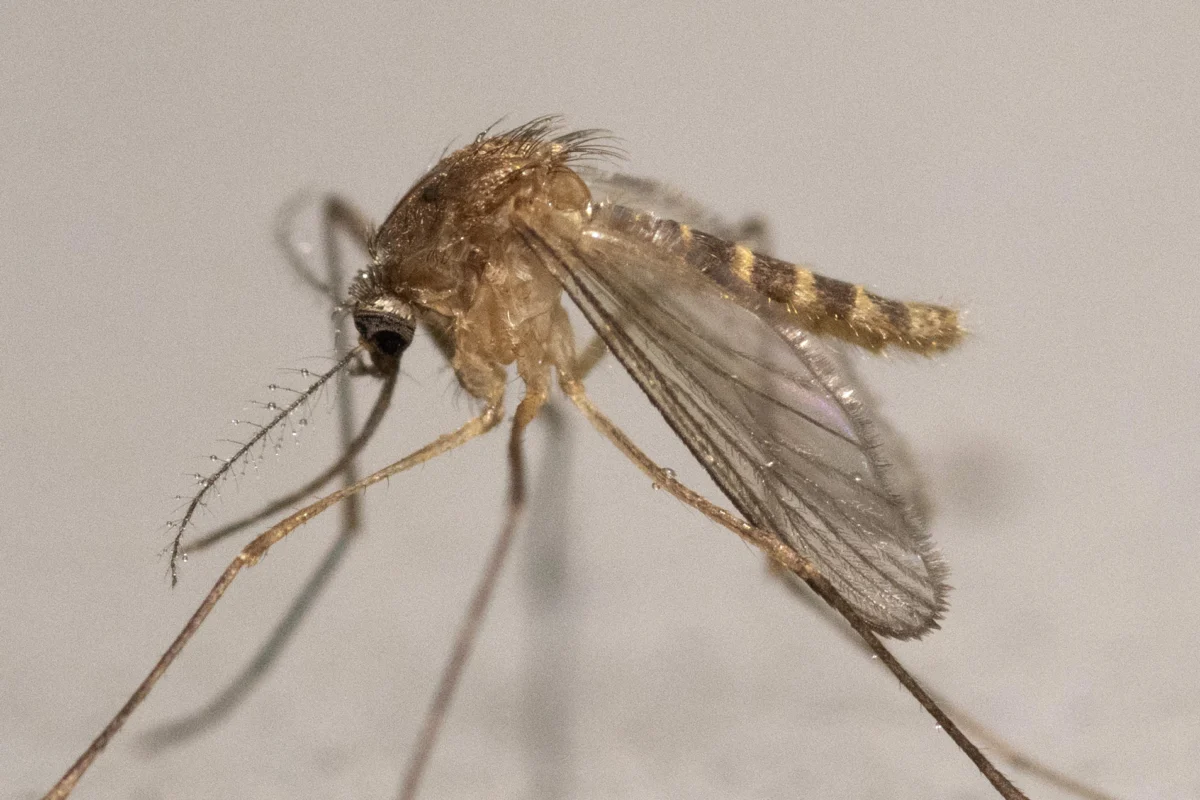
"While West Nile virus remained the most prevalent arboviral threat in 2024, causing over 90% of reported cases, the tick-borne Powassan virus quietly set a new record for annual infections, underscoring the diverse and escalating risks posed by vector-borne diseases."
A comprehensive review of 2024 arboviral disease surveillance data, recently published by the Centers for Disease Control and Prevention (CDC) in the Morbidity and Mortality Weekly Report (MMWR), reveals a stark landscape of infectious threats transmitted by mosquitoes and ticks across the United States. West Nile virus (WNV) continued its reign as the dominant arbovirus, accounting for the overwhelming majority of reported illnesses and deaths. However, the report also highlights a concerning trend in the rise of Powassan virus (POWV), a tick-borne pathogen that reached its highest annual case count on record, signaling a growing public health concern despite its comparatively lower overall numbers. This retrospective analysis, while not indicative of the current season’s activity, provides crucial insights into the severity, demographic patterns, and geographic distribution of these diseases, offering valuable guidance for risk reduction strategies as peak transmission periods approach.
The CDC’s surveillance report paints a comprehensive picture of arboviral disease activity in the United States for 2024, encompassing data from 48 states and the District of Columbia. A total of 1,955 confirmed and probable cases were reported, resulting in 189 fatalities. Of these, West Nile virus was the undisputed leader, responsible for an astonishing 1,808 cases, representing 92% of the national arboviral disease burden. This figure, while substantial, was actually below the 10-year median for WNV, which stands at 2,162 cases. Nevertheless, its sheer volume underscores its persistent and widespread impact.
Following WNV in prevalence was Powassan virus, with 60 reported cases, surpassing the previous record of 49 cases observed the year prior. While seemingly modest in comparison to WNV, the significance of Powassan’s rise lies in its severity and the implications of its transmission vector. The report also detailed cases of La Crosse virus (37), Jamestown Canyon virus (27), eastern equine encephalitis (19), and St. Louis encephalitis (2), illustrating the mosaic of arboviral threats circulating in the nation.
The impact of West Nile virus on those infected was profound. The data revealed that three-quarters of WNV cases involved neuroinvasive disease, indicating that the virus had crossed the blood-brain barrier and affected the central nervous system. This severity translated into high rates of hospitalization, with 77% of patients requiring admission to medical facilities. Tragically, nearly 10% of those diagnosed with WNV died, highlighting the potentially fatal consequences of infection.
Demographically, arboviral diseases in 2024 exhibited consistent patterns. A majority of patients diagnosed with these illnesses were aged 60 or older, a demographic particularly vulnerable to severe outcomes. The male sex was also disproportionately represented, accounting for 63% of cases. The peak incidence of illness onset occurred during the warmer months, with 82% of cases reported between July and September, underscoring the seasonal nature of these mosquito-borne diseases. The full report, available from the CDC in the Morbidity and Mortality Weekly Report, adheres to established surveillance methodologies, building upon previous annual summaries.
While West Nile virus commands attention due to its high case numbers, the steady increase in Powassan virus cases presents a distinct and significant concern. Powassan virus, unlike WNV which is transmitted by mosquitoes, is spread by ticks, specifically blacklegged ticks (also known as deer ticks), groundhog ticks, and squirrel ticks. The report’s authors emphasize that the severity profile of Powassan is particularly alarming. In 2024, every single reported Powassan patient was hospitalized with neuroinvasive disease, and nine individuals succumbed to the infection. The absence of a vaccine and specific antiviral treatments for Powassan virus further amplifies the threat, leaving clinicians with limited therapeutic options beyond supportive care.
Over the past two decades, Powassan virus cases have seen a concerning average annual increase of 17.5%. Notably, Minnesota and Wisconsin experienced a dramatic 160% relative surge in cases between 2023 and 2024, escalating from 10 to 26 reported infections. The report’s authors exercise caution in interpreting these trends, acknowledging that the rise could be attributed to a genuine increase in disease incidence, enhanced clinician awareness and reporting, improved diagnostic testing capabilities, or the expanding geographic range of the tick vectors.
The mode of transmission for Powassan virus is particularly insidious. Unlike Lyme disease, which typically requires a tick to remain attached for 24 hours or more to transmit the pathogen, Powassan virus can be transmitted in a significantly shorter timeframe. This rapid transmission window limits the efficacy of prompt tick removal as a sole preventative measure, making awareness of tick habitats and personal protective behaviors even more critical. While the absolute number of Powassan cases remains relatively low compared to WNV, the 21-year trend of consistent growth is a more meaningful indicator of its escalating public health significance.
The report also sheds light on arboviral diseases that disproportionately affect children, with La Crosse virus serving as a prime example. Of the 37 La Crosse virus cases reported in 2024, a remarkable 35 occurred in individuals under the age of 18, with a median age of just 8 years. This strongly pediatric presentation highlights the unique vulnerabilities of younger populations to certain arboviruses. While nearly all La Crosse virus patients (97%) required hospitalization, the fatality rate was notably lower than for WNV or POWV, with no deaths reported in this cohort.
La Crosse virus primarily circulates in the Appalachian and Midwestern regions of the United States, transmitted by tree hole mosquitoes that favor breeding in containers and tree cavities. The geographic distribution of reported cases in 2024 was concentrated, with North Carolina and Tennessee accounting for 75% of the total. The clinical spectrum of La Crosse virus infection can range from mild febrile illness to severe neurological complications, including seizures and encephalitis.
Other arboviruses, though rarer, also demonstrated significant severity. All 19 reported cases of eastern equine encephalitis (EEE) resulted in hospitalization with neuroinvasive disease, and five individuals died. Similarly, of the 27 Jamestown Canyon virus cases, 21 required hospitalization, and two were fatal. These findings underscore that even less common arboviruses can pose a substantial threat to human health.
It is crucial to reiterate that the CDC’s MMWR report summarizes data from 2024 and does not reflect the current arboviral disease season. However, its value lies in its retrospective analysis, providing essential context for understanding the potential risks as the current year progresses. Understanding which diseases carry the highest risk of severe illness and identifying the populations and geographic areas most affected are vital for informing public health interventions and individual precautions.
August and September are historically the peak months for arboviral transmission across much of the continental United States. This timing makes the insights gleaned from the 2024 report particularly relevant as the nation enters this high-risk period. Local mosquito control districts and county health departments often provide more timely, provisional data on current-season activity, which should be consulted in conjunction with national surveillance reports.
Given the absence of vaccines and specific antiviral treatments for these arboviruses in humans, prevention remains the cornerstone of public health strategy. The CDC recommends a multi-faceted approach to reducing the risk of mosquito and tick bites. For mosquitoes, the use of EPA-registered insect repellents containing DEET, picaridin, IR3535, or oil of lemon eucalyptus is strongly advised, with strict adherence to label instructions, including age restrictions. Wearing long sleeves and long pants, particularly during dawn and dusk when Culex mosquitoes (carriers of WNV) are most active, provides a physical barrier. Eliminating standing water around homes is critical, as even a bottle cap’s worth of water can serve as a breeding ground for mosquitoes. Weekly emptying of containers such as flowerpot saucers, buckets, tires, gutters, birdbaths, and pool covers, as well as repairing torn window and door screens, can significantly reduce mosquito populations.
For tick-borne diseases, proactive measures are equally important. Walking in the center of trails and avoiding dense vegetation can minimize exposure. Treating clothing and gear with permethrin offers effective protection against ticks. Thorough full-body tick checks after spending time outdoors are essential, paying close attention to areas like the scalp, behind the ears, the waistband, and the backs of the knees. Showering within two hours of returning indoors can help wash off any unattached ticks.
The report’s findings underscore the heightened risk faced by older adults. Adults aged 60 and above represented a majority of reported patients and are more susceptible to severe disease outcomes. Individuals who develop symptoms such as fever accompanied by severe headache, neck stiffness, confusion, sudden weakness, or seizures after potential exposure during mosquito or tick season should seek urgent medical evaluation. Milder symptoms, such as fever and body aches without neurological signs, warrant consultation with a clinician rather than an immediate emergency room visit.
The provided Frequently Asked Questions section offers a concise summary of key information, reinforcing the critical takeaways from the CDC’s 2024 arboviral surveillance report. It clarifies that the report is a retrospective summary of 2024 data, not an indicator of current-season transmission. It defines arboviruses as viruses transmitted by infected mosquitoes or ticks and lists the nationally notifiable domestic arboviruses. The explanation of Powassan virus’s significance highlights its severity despite lower case numbers and its consistent annual increase. Texas is identified as the state with the most West Nile cases in 2024. The demographic most at risk of severe illness is identified as adults 60 and older, with La Crosse virus being an exception affecting primarily children. The absence of human vaccines or specific antiviral treatments for these viruses is reiterated, emphasizing the importance of bite prevention. Finally, the criteria for seeking urgent medical care are clearly outlined, empowering individuals to recognize potential signs of serious arboviral infection.
