
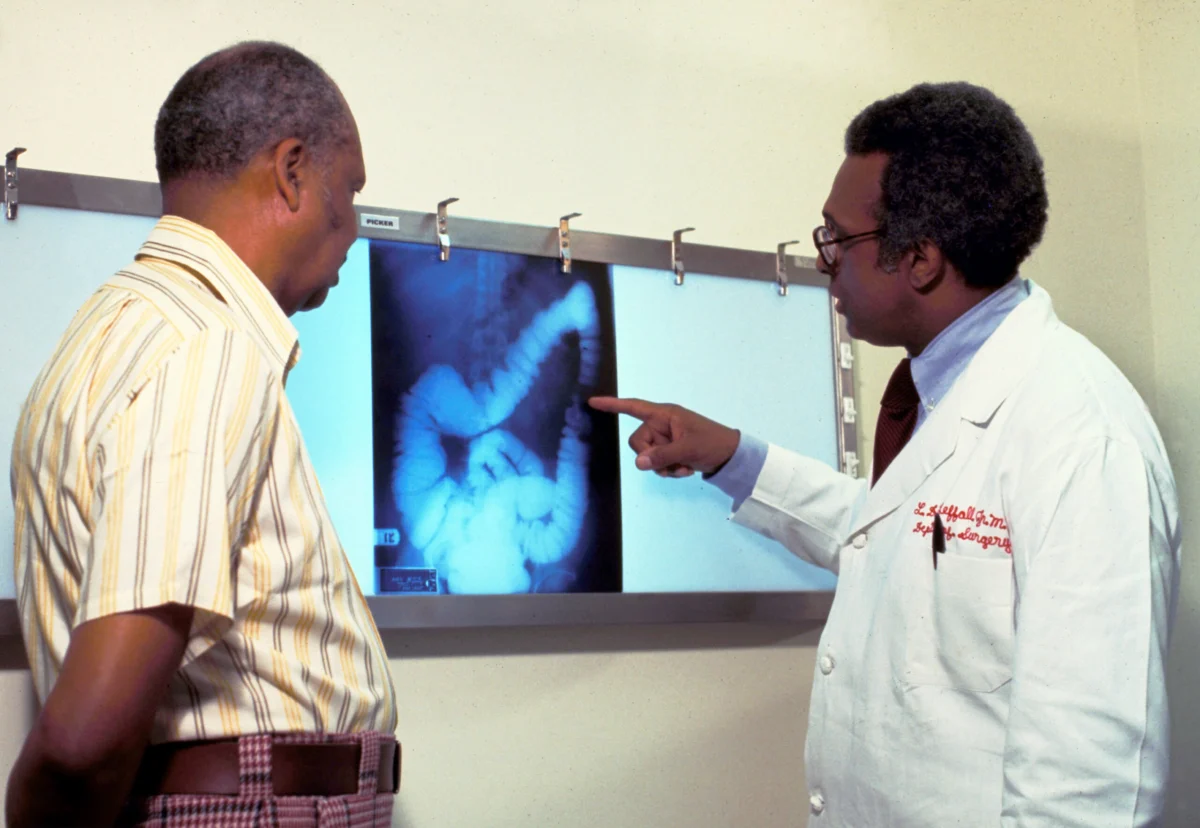
"Experienced endoscopists can experience sudden, severe confusion due to treatable medical conditions, highlighting the vital role of vigilant nursing staff and robust institutional protocols in safeguarding patients."
The medical field often operates under the assumption of unwavering physician competence, a cornerstone of patient trust. However, even the most seasoned professionals can succumb to unexpected physiological challenges that manifest as acute confusion, posing significant risks during critical procedures. Two striking cases involving highly experienced gastroenterologists experiencing profound disorientation during routine endoscopies, as detailed in a 2020 report in the World Journal of Gastroenterology, serve as a stark reminder of this vulnerability. These incidents, while exceptionally rare, underscore the indispensable role of ancillary medical staff in recognizing emergent signs of physician impairment and the critical need for clear protocols to ensure immediate intervention and patient safety. The report, compiled by Mitchell Cappell, former chief of gastroenterology at William Beaumont Hospital, meticulously examined these instances against a backdrop of 181,767 endoscopies performed over a 13-year period, emphasizing that even in a vast dataset, such critical events, though statistically improbable, demand serious attention.
The first case involved an elderly gastroenterologist, renowned for his extensive experience and normally impeccable skill. During a standard upper endoscopy, he began to misidentify findings, persistently referring to polyps observed in the patient’s stomach as colon polyps. His procedural technique also faltered, as he attempted to capture images by manipulating the scope’s steering dials instead of the designated camera button, a clear indication of impaired cognitive function. This deviation from standard practice did not go unnoticed. The endoscopy nurse, trained to observe subtle changes in physician behavior and procedural conduct, recognized the behavior as highly unusual and immediately alerted her supervisor. This swift action initiated a chain of events that prioritized patient safety, leading to the physician being sent to the emergency room. There, a comprehensive medical evaluation revealed the underlying cause of his acute confusion: a kidney stone obstructing his urinary tract, a severe urinary infection that had progressed to sepsis, spreading into his bloodstream, and significant dehydration.
In the emergency room, the physician presented with a temperature of 37.9 degrees Celsius (approximately 100 degrees Fahrenheit), indicating a low-grade fever. His blood pressure was elevated, and his mucous membranes were dry, consistent with dehydration. While he remained oriented to his location and the current year, he was unable to recall the specific month or day, a temporal disorientation suggestive of neurological compromise. Laboratory tests revealed an elevated white blood cell count, a hallmark of infection, and impaired kidney function, further corroborating the severity of his condition. A CT scan provided definitive imaging, revealing a 5.5-millimeter stone lodged in his left ureter, the crucial tube connecting the kidney to the bladder. This blockage had caused swelling of the kidney and an enlarged prostate, further contributing to the urinary stasis. Importantly, imaging of his head, cardiac assessments, and drug and alcohol screenings all returned normal results, effectively ruling out primary neurological disorders, cardiac events, or substance abuse as the cause of his confusion. The medical team diagnosed toxic encephalopathy, a form of brain dysfunction stemming from a systemic medical problem, in this instance, urosepsis and severe dehydration.
The treatment protocol for this physician involved immediate stabilization. He received intravenous fluids to combat dehydration and potent antibiotics to combat the systemic infection. A stent was surgically placed in his ureter to relieve the urinary tract obstruction, restoring the flow of urine and alleviating pressure on the kidney. Following this initial intervention, he was transitioned to oral antibiotics for continued treatment of the infection. The kidney stone itself was surgically removed approximately 10 days later. Remarkably, the physician made a full recovery and was able to resume his clinical duties and perform endoscopies about 10 days after being discharged, with no reported lasting neurological deficits. This case powerfully illustrates how common, yet serious, medical conditions can manifest as acute cognitive impairment, even in highly trained individuals, and emphasizes the efficacy of prompt diagnosis and aggressive treatment.
The second case involved a middle-aged gastroenterologist, also described as highly experienced. The night prior to the incident, he had taken a 5-milligram dose of diazepam and consumed approximately 24 ounces of beer to manage back pain. He had subsequently fasted for 16 hours, a common practice before endoscopic procedures. After successfully completing one routine procedure without any issues, he encountered a stranger who offered him two pills, identified as Motrin. This interaction, witnessed by others, marked a pivotal moment. During his subsequent upper endoscopy, his cognitive impairment became evident. He mistakenly declared that he had reached the small intestine when he was still operating within the stomach. His control over the endoscope deteriorated, as he turned the steering dials erratically and forcefully bumped the scope’s tip against the stomach wall, a potentially damaging maneuver.
Similar to the first physician, he exhibited signs of disorientation, including dizziness and confusion about the current time. However, by the time he reached the emergency room approximately 30 minutes later, he had regained full orientation. Comprehensive diagnostic tests, including brain imaging, cardiac assessments, and blood work, were normal. A drug screen also came back negative, ruling out illicit substance use. The medical team attributed his episode to a brief bout of toxic encephalopathy, with the ingested pills being the likely trigger, exacerbated by his pre-existing dehydration. He was admitted for overnight observation and was cleared to resume his professional responsibilities three days after his discharge. This case highlights the potential for even common medications, when combined with other physiological factors like fasting and dehydration, to induce transient cognitive disturbances.
In both of these critical incidents, the endoscopy nurses served as the crucial first line of defense. Their keen observation skills and professional judgment allowed them to recognize the unusual and potentially dangerous behavior of their physician colleagues. They promptly reported their concerns to the nurse administrator, who, in turn, alerted the chief of gastroenterology. This rapid and effective communication pathway ensured that the procedures were immediately halted, the physicians were advised to cancel their remaining scheduled cases for the day, and they were directed to seek immediate medical evaluation at the emergency room. Both physicians fully cooperated with these directives, underscoring a shared commitment to patient safety and professional responsibility.
Dr. Cappell characterized these incidents as medical emergencies, emphasizing the significant risk of patient harm. A confused or impaired endoscopist could inadvertently cause severe injury, such as perforating the digestive tract, leading to potentially life-threatening complications. He proposed a clear and actionable protocol for such situations: immediate recognition of the incident as urgent, prompt notification of the department chief, and the immediate cessation of the procedure. The title of the published paper, "Endoscopists, first do no harm!", succinctly captures the core imperative driving this recommendation. Dr. Cappell, who served as chief of gastroenterology from November 2006 to September 2019, personally intervened administratively in both cases and subsequently conducted thorough investigations for quality assurance purposes.
The statistical analysis revealed the extreme rarity of such events. The two cases represented an incidence of approximately 0.0011% of the 181,767 endoscopies reviewed. A comprehensive computer search of the hospital’s records did not uncover any other instances where procedures were aborted due to physician impairment. The review specifically excluded surgeons who performed endoscopies, as their cases were subject to a separate quality-review pathway. A broader literature search conducted by Dr. Cappell identified reports of impaired surgeons and anesthesiologists, predominantly linked to alcohol or drug dependence. However, his research found no prior published accounts of similar episodes involving endoscopists, making these two cases particularly significant.
These striking cases serve as a powerful reminder that physicians, like all individuals, are susceptible to common medical ailments that can precipitate sudden confusion or disorientation. The Centers for Disease Control and Prevention (CDC) explicitly lists confusion or disorientation as a critical warning sign of sepsis, alongside other symptoms such as fever, elevated heart rate, and extreme pain or discomfort. MedlinePlus, a trusted source for medical information, identifies infections, including urinary tract infections, as potential causes of delirium, alongside alcohol consumption and the use of certain medications. The National Institute of Diabetes and Digestive and Kidney Diseases (NIDDK) strongly advises individuals experiencing fever and chills in conjunction with symptoms suggestive of kidney stones to seek immediate medical attention, underscoring the interconnectedness of these physiological systems and the potential for cascading health issues.
Professional ethics and medical codes of conduct already mandate that physicians intervene when a colleague’s ability to practice safely is compromised. The American Medical Association’s Code of Medical Ethics explicitly states that physicians have a responsibility to intervene with respect and compassion when a colleague is unable to practice safely. This ethical imperative forms the foundation for a culture of mutual accountability and patient advocacy within the medical community.
While the report provides invaluable insights, it is important to acknowledge its limitations. The findings are based on a review of only two cases, and as the author himself noted, such a small sample size cannot reliably define a syndrome or establish definitive causative links. Crucially, neither of the patients undergoing endoscopy in these instances was reported to have suffered any harm, a testament to the prompt recognition and intervention by the medical teams.
For patients, these cases offer a vital reassurance: endoscopy teams are multidisciplinary units, and the physician is not the sole sentinel of safety. Nurses and support staff, empowered to speak up and voice concerns, play an indispensable role in preventing adverse events. Their vigilance, coupled with robust institutional protocols that prioritize patient well-being and empower staff to act, are paramount in ensuring that procedures are conducted safely and effectively, even when unexpected challenges arise. The integrity of patient care relies on a collaborative ecosystem where every member of the healthcare team is empowered to contribute to a safe and effective healing environment.
