
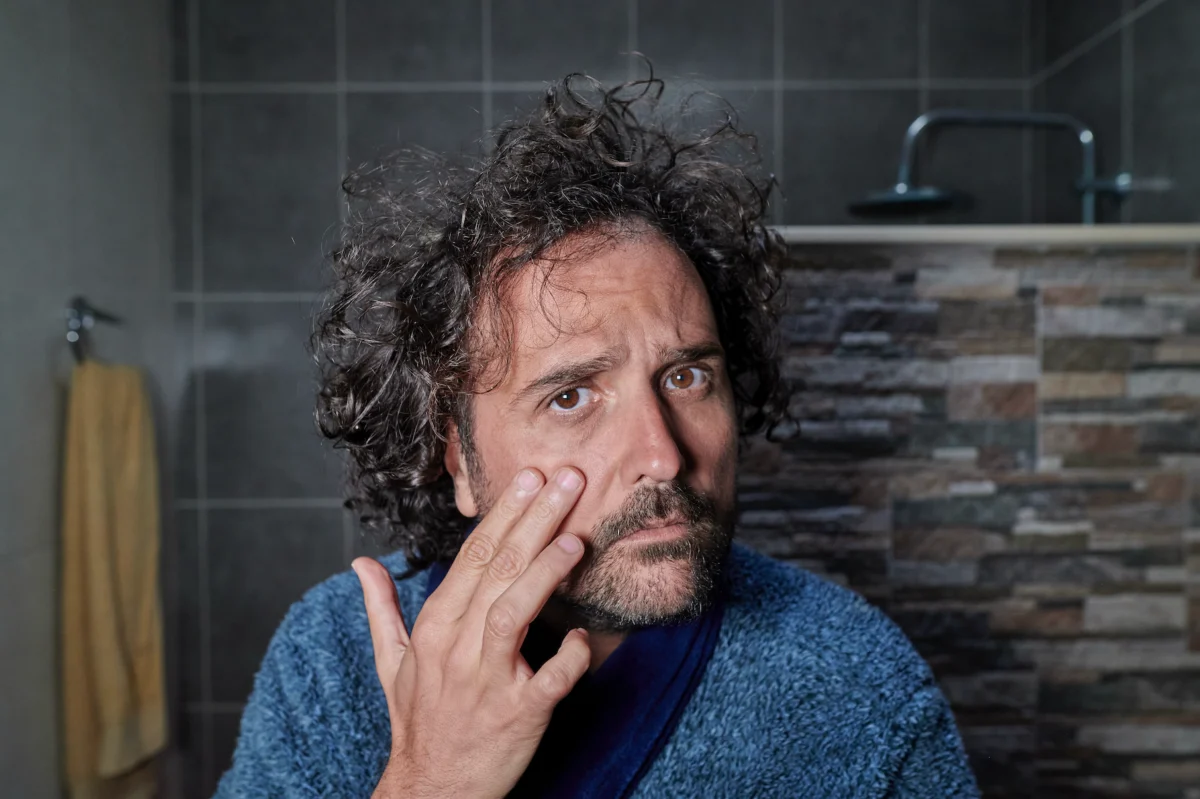
"Sleep is the body’s most effective cosmetic treatment; while we rest, the skin transitions from a state of defense to one of active regeneration, repairing the environmental damage incurred throughout the day. When this cycle is interrupted, the body prioritizes internal organ function over dermal repair, leading to visible signs of premature aging and systemic inflammation."
The relationship between sleep and skin health is often dismissed as a secondary concern in the broader context of wellness, yet dermatological science suggests that rest is a foundational pillar of a healthy complexion. As the body’s largest organ, the skin functions on a strict circadian rhythm, shifting its primary focus from environmental protection during the day to cellular repair and detoxification at night. Depriving the body of these essential restorative hours triggers a cascade of hormonal imbalances—most notably a spike in cortisol and a drop in growth hormones—that compromises the skin’s structural integrity. Understanding the biological mechanisms at play reveals that while topical products can mitigate the symptoms of exhaustion, they cannot replace the fundamental physiological benefits of a consistent, high-quality sleep cycle.

The Evolution of Sleep Perception
There was a time when sleep deprivation was viewed through a lens of productivity and resilience. In the high-energy environment of early adulthood, many individuals wear dark circles and fatigue as badges of honor—tangible evidence of nights spent working, socializing, or pushing the limits of physical endurance. During these years, the body’s inherent youth often masks the internal toll of a poor lifestyle. However, as the biological reality of aging begins to set in, the romanticization of the "all-nighter" fades, replaced by a clinical understanding of how sleep dictates the health of our organs, particularly the skin.
Performance coach Sam Neame notes that falling below the threshold of seven hours of sleep does more than just induce "brain fog" or reduced concentration; it fundamentally impairs the body’s ability to recover from the stressors of the previous day. While the brain struggles with slower thinking, the skin struggles with a literal breakdown of its protective and structural components.
The Nightly Repair Cycle: A Biological Deep Dive
Dermatologist Dr. Kenneth Mark, MD, emphasizes that the term "beauty sleep" is rooted in rigorous physiology rather than marketing jargon. To understand why, one must look at what happens during the various stages of sleep. When the body enters deep, non-REM sleep, the pituitary gland releases a surge of growth hormones. These hormones are the primary drivers of cellular turnover and protein synthesis. For the skin, this means the production of collagen and elastin—the fibers responsible for firmness and elasticity—is at its peak during the night.

Furthermore, sleep is the period when the body’s glymphatic system and lymphatic drainage processes are most active. In the skin, this facilitates the removal of cellular waste and toxins that accumulate during the day due to UV exposure and pollution. Dr. Danny Guo, MD, confirms that this "rest and digest" phase is the only time the skin can focus entirely on repair without having to simultaneously defend against external aggressors.
The Immediate Cost of a Single Night
Even a singular instance of sleep deprivation triggers immediate, visible changes. According to Dr. Ariel Ostad, MD, a sleepless night causes a sharp rise in cortisol, the body’s primary stress hormone. Elevated cortisol is a known enemy of skin health; it breaks down existing collagen and signals the sebaceous glands to produce more oil. This often results in a "stress breakout" or an uncharacteristically oily yet dehydrated complexion.
The aesthetic markers of a bad night—puffiness and dark circles—are the result of fluid dynamics. Dr. Ostad explains that poor sleep leads to slower lymphatic drainage, causing fluid to pool in the tissues under the eyes. Because the skin in the infraorbital region is the thinnest on the entire body, the underlying blood vessels become more dilated and visible, creating the hallmark "bags" and dark shadows associated with exhaustion. Additionally, the skin barrier becomes temporarily "leaky," losing water to the environment (trans-epidermal water loss), which makes fine lines appear deeper and more pronounced by morning.

Chronic Sleep Debt and Premature Aging
While the skin is remarkably resilient in the short term, chronic sleep deprivation or insomnia leads to cumulative damage that is difficult to reverse. Dr. Chang Son, MD, warns that persistent lack of rest weakens the skin’s protective barrier permanently. When the barrier is compromised, the skin becomes chronically dry and hyper-sensitive, losing its ability to retain moisture and defend against irritants.
This state of chronic inflammation accelerates the aging process, a phenomenon often referred to in dermatology as "inflammaging." It worsens pre-existing conditions such as acne, rosacea, and eczema. Over time, the lack of growth hormone-induced repair leads to a significant reduction in skin density. The result is a sallow complexion, loss of facial volume, and the early onset of deep wrinkles that topical creams can only partially address.
The Emergency Protocol: Mitigating the Damage
When quality sleep is impossible, the focus must shift to topical interventions that address the two primary issues: barrier dysfunction and dehydration. Every expert agrees that topicals are a "Band-Aid" solution, but they are necessary for professional and social maintenance.

Dr. Mark highlights hyaluronic acid as the gold-standard ingredient for post-exhaustion recovery. Capable of binding up to 1,000 times its weight in water, it acts as a humectant to pull moisture back into the dehydrated surface layers. Products like Neutrogena’s Hydro Boost Hydrating Gel Cream are highly effective in this regard, providing a lightweight but intensive moisture infusion that plumps the skin and smooths out dehydration-induced fine lines.
For the inflammatory response, Dr. Son recommends niacinamide (Vitamin B3) and Vitamin C. Niacinamide is particularly potent for stabilizing the skin barrier and reducing the redness associated with high cortisol levels, while Vitamin C provides an antioxidant boost to brighten a dull, sallow complexion. To combat the specific issue of under-eye puffiness, caffeine-based creams are essential. Caffeine acts as a vasoconstrictor, shrinking the dilated blood vessels and encouraging the drainage of pooled fluids. The Marlowe No. 127 Eye Cream is frequently cited as a reliable tool for "tricking" the world into thinking one is well-rested by tightening the skin around the eyes.
Finally, Dr. Ostad stresses the importance of gentle cleansing. After a night of poor sleep, the skin is in a state of stress; using harsh, stripping cleansers or physical exfoliants will only further damage the weakened barrier. Utilizing a non-foaming, hydrating cleanser, such as La Roche-Posay’s Toleriane or Tower 28’s SOS Gel Cleanser, ensures that the skin is cleaned without being further traumatized.

Mastering Sleep Hygiene for Long-Term Radiance
The ultimate skincare routine does not happen at a vanity; it happens in the bedroom. To optimize the skin’s repair cycle, one must master the fundamentals of sleep hygiene. Sam Neame suggests anchoring the body clock with a consistent wake-up time, regardless of when one went to bed. Exposure to natural sunlight within 30 minutes of waking helps regulate the circadian rhythm, ensuring the body knows when to begin its nightly repair phase later that evening.
Environmental factors are equally critical. A bedroom should be kept cool (around 65–68 degrees Fahrenheit), dark, and well-ventilated. High temperatures can disrupt deep sleep and increase perspiration, which can irritate the skin. Furthermore, the blue light emitted by smartphones inhibits the production of melatonin—the hormone that signals the body it is time to sleep and acts as an internal antioxidant. Putting phones away at least an hour before bed is perhaps the most effective "anti-aging" habit one can adopt.
Avoiding late-night meals and alcohol is also paramount. Alcohol, in particular, is a vasodilator and a diuretic; it prevents the body from entering deep REM cycles and causes significant dehydration, leading to the "bloated" look often seen after a night of drinking.
The Psychological Component
Lastly, it is important to avoid "sleep anxiety." Obsessing over the perfect eight hours can create a stress response that makes falling asleep even more difficult. The goal is consistency and a respect for the body’s biological needs. By treating sleep with the same rigour as a multi-step skincare regimen or a fitness program, one can ensure that the skin remains healthy, resilient, and youthful from the inside out. Quality rest is not merely a break from the day; it is the essential work of maintaining the body’s most visible organ.
