
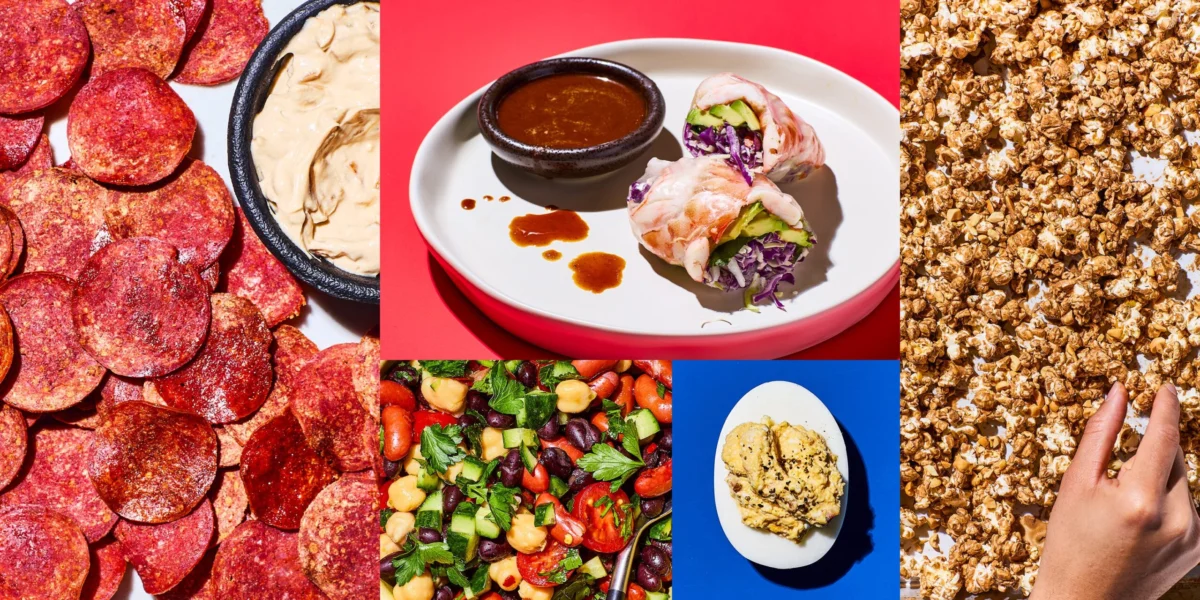
"The modern obsession with protein has birthed a new generation of ultra-processed snacks that prioritize macronutrient counts over culinary quality, repeating the nutritional mistakes of the fat-free era."
While the dietary villains of the past have shifted from fats to refined carbohydrates, the food industry’s reliance on ultra-processed delivery systems remains unchanged. By examining the legacy of 1990s diet culture and comparing it to today’s "protein-ified" marketplace, it becomes clear that the most effective way to meet nutritional goals is through a return to whole, real-food ingredients that offer both satiety and genuine flavor.

The Ghost of SnackWell’s: A Lesson in Marketing Over Nutrition
To understand the current state of the high-protein snack market, one must first look back at the 1990s. This was the era of the "fat-free" craze, a period dominated by a public health consensus that dietary fat was the primary driver of obesity and heart disease. Into this vacuum stepped brands like SnackWell’s. Their cookies and crackers, famously promoted through an aggressive "Cookie Man" advertising campaign, became a cultural phenomenon. Consumers believed they could eat entire boxes of Devil’s Food Cookie Cakes because they contained zero grams of fat.
However, the nutritional reality was far more complex. To maintain texture and palatability in the absence of fat, manufacturers loaded these products with refined carbohydrates and added sugars. This created a "health halo"—a psychological effect where a single positive attribute (like being fat-free) blinds the consumer to the overall poor nutritional profile of the food. Eventually, the public realized that these ultra-processed snacks were contributing to the very weight gain and metabolic issues they were meant to prevent.
The New Frontier: The Protein-Obsessed Market
Today, the "fat-phobia" of the late 20th century has largely been replaced by a "protein-propulsion" mindset. Protein is the darling of the fitness and wellness world, lauded for its ability to build muscle, support metabolic health, and increase satiety. While these benefits are scientifically grounded, the food industry has capitalized on this demand by "protein-ifying" everything from tortilla chips and mac ’n’ cheese to cookies and brownies.

The strategy is a mirror image of the SnackWell’s era. Instead of removing fat, modern brands are adding protein isolates—typically derived from whey, pea, or soy. These products are often highly processed, containing long lists of emulsifiers, artificial sweeteners, and stabilizers to mimic the taste and texture of the original foods. The result is a market flooded with "high-protein" snacks that, while hitting a specific macronutrient target, often taste "bizarre" or synthetic. They provide the protein, but they lack the complex micronutrient profiles and culinary satisfaction of real food.
The Case for Real Food
The primary issue with ultra-processed high-protein snacks is that they are often "empty" beyond their protein count. Real food—ingredients that are recognizable and minimally processed—offers a synergistic blend of nutrients that powders and isolates cannot replicate. When you consume protein from a whole source like shrimp, eggs, or chicken, you are also getting essential vitamins, minerals, and healthy fats that support overall body function.
Furthermore, there is the issue of culinary fatigue. Many high-protein packaged goods have a chalky texture or a lingering aftertaste from sugar alcohols. Reclaiming "real food" as the cornerstone of a high-protein diet isn’t just about health; it’s about the joy of eating. High-protein snacks should be as satisfying to the palate as they are to a macro-tracking app.

Culinary Solutions: High-Protein, Real-Food Recipes
To bridge the gap between nutritional goals and real-food quality, culinary experts like Paul Kita and Julissa Roberts have developed recipes that prioritize whole ingredients without sacrificing protein density. Here are three examples of how real food can outperform packaged alternatives.
1. Easy Shrimp Summer Rolls (30g Protein)
Shrimp is one of the most protein-dense foods available, offering nearly pure protein with very little fat or carbohydrates. In this recipe, the shrimp is paired with avocado for healthy fats and fresh mint for a burst of flavor.
- The Process: Dip a sheet of rice paper into water until it becomes pliable. On a clean work surface, layer three medium cooked and peeled shrimp, a quarter of a thinly sliced avocado, a quarter cup of coleslaw mix (for fiber and crunch), and two fresh mint leaves. Fold the edges toward the center and roll tightly.
- The Protein Boost: Instead of a sugary bottled sauce, use a peanut-based dip. Mix 1 tablespoon of peanut butter powder (which contains less fat and more protein than traditional peanut butter) with 1 tablespoon of water, 2 teaspoons of low-sodium soy sauce, 1 teaspoon of maple syrup, and a half-teaspoon of sriracha.
- The Result: A 30-gram protein snack that is fresh, hydrating, and free from synthetic isolates.
2. Chocolate PB Popcorn (19g Protein per serving)
Popcorn is a whole grain that provides essential fiber, but it is typically low in protein. By using a high-quality protein powder as a culinary ingredient rather than a drinkable shake, you can transform this snack into a muscle-building treat.

- The Process: Pop 3 tablespoons of kernels using an air popper or a stovetop method. In a small pot over medium-low heat, melt 2 tablespoons of coconut oil and stir in 2 tablespoons of natural peanut butter.
- The Integration: Add a scoop of chocolate protein powder to the warm mixture, stirring until smooth. Drizzle this over the popcorn and toss to coat.
- The Finish: Sprinkle with a teaspoon of flaky sea salt and refrigerate for 10 minutes to allow the drizzle to harden. Before serving, toss with 2 tablespoons of chopped peanuts for added texture and protein.
- The Result: At 19 grams of protein per serving, this snack satisfies cravings for both sweet and salty flavors while providing the satiety of whole-grain fiber.
3. Deviled Eggs and Bacon (14g Protein per serving)
Eggs are often called the "gold standard" of protein because of their amino acid profile. By incorporating cottage cheese into the filling, the protein content is significantly boosted without the need for excess mayonnaise.
- The Process: Halve three hard-boiled eggs lengthwise and remove the yolks. In a small bowl, combine the yolks with a quarter-cup of cottage cheese (a secret weapon for high-protein cooking), 1 teaspoon of Dijon mustard, and a pinch of salt and pepper.
- The Texture: Crumble one slice of crispy bacon into the mixture. This adds a smoky flavor and a bit of crunch that processed snacks try to replicate with artificial flavorings.
- The Result: Spoon the mixture back into the egg white halves. This snack provides 14 grams of protein and is rich in choline and B vitamins, making it a far superior choice to a processed protein bar.
The Broader Implications of the "Real Food" Shift
The transition back to real food reflects a growing awareness of the "NOVA" classification system, which categorizes foods by the extent of their processing. Ultra-processed foods (Group 4) are increasingly linked to negative health outcomes, regardless of their macronutrient breakdown. By focusing on Group 1 (unprocessed or minimally processed) and Group 2 (processed culinary ingredients) foods, consumers can avoid the "bizarre" additives that characterize the modern protein-ified market.
The expertise of figures like Paul Kita, a James Beard Award winner and long-time editor at Men’s Health, underscores a shift in the fitness industry. The goal is no longer just "gainz" at any cost, but rather sustainable, flavorful nutrition. When we choose real food over a bag of high-protein tortilla chips, we are not just feeding our muscles; we are respecting our digestive systems and our palates.

Ultimately, the legacy of the 1990s serves as a cautionary tale. Health trends will come and go—whether they focus on fat, carbs, or protein—but the value of real, whole ingredients remains constant. Reclaiming your diet from the "high-protein" marketing machine allows for a more authentic, enjoyable, and nutritionally complete way of living.
