
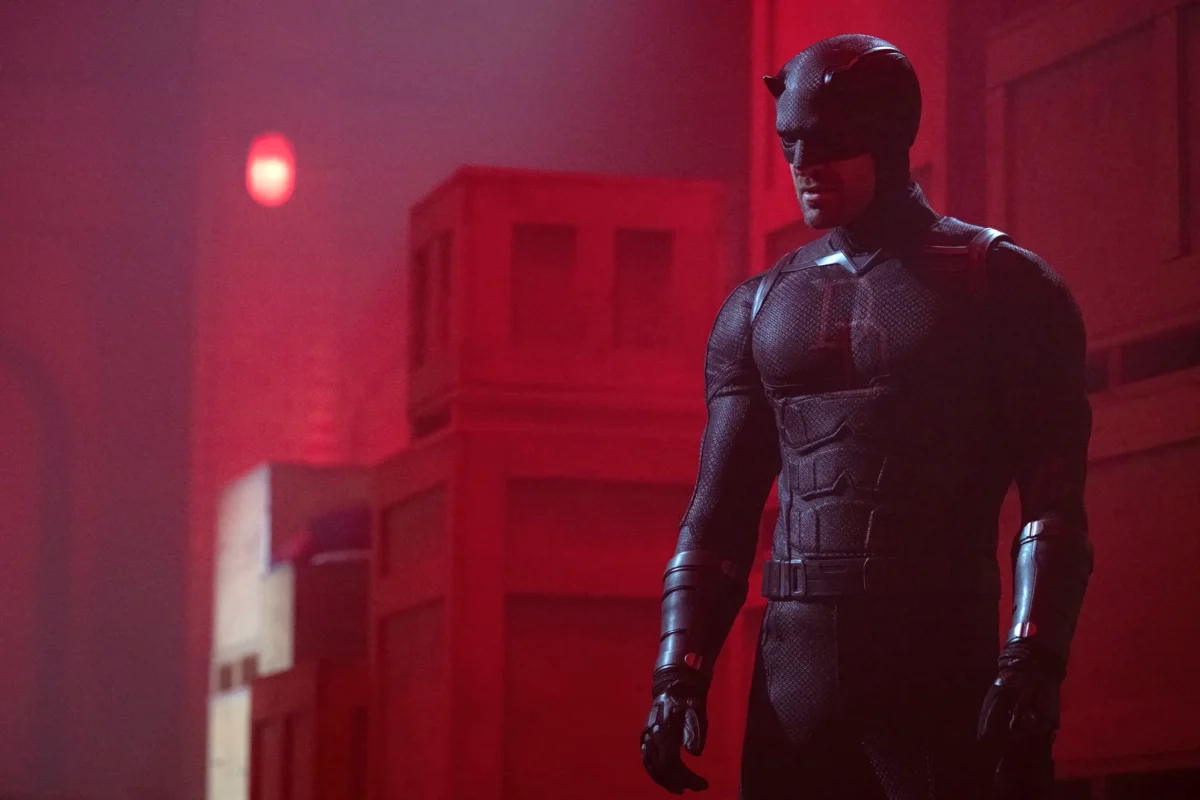
By integrating beloved characters from the original Netflix era and adopting a streamlined creative vision, Daredevil: Born Again Season 2 represents Marvel Studios’ most ambitious attempt to reclaim the gritty, serialized magic of street-level superhero storytelling. This pivot marks a departure from the "limited series" format toward a traditional episodic structure, aiming to reward long-term fans while stabilizing the Marvel Cinematic Universe’s television output.
The evolution of Marvel Studios’ television strategy has been characterized by a series of experimental highs and structural lows. When the Disney+ era began with the avant-garde WandaVision, it seemed the studio had unlocked a new way to expand the Marvel Cinematic Universe (MCU) through long-form storytelling. However, as the slate expanded, many projects faced criticism for feeling like "six-hour movies" stretched thin, rather than true television series with episodic pacing and sustained momentum. Daredevil: Born Again serves as the ultimate correction to this trajectory, particularly in its second season, which seeks to unify the high-production values of Disney+ with the grounded, character-driven intensity that made the original Netflix Daredevil series a cultural phenomenon.
The Road to a Rebirth: Overcoming Production Turmoil
The journey to Daredevil: Born Again has been as fraught with drama as the streets of Hell’s Kitchen. Originally announced as a massive 18-episode undertaking, the production hit a significant roadblock during the 2023 industry strikes. Marvel leadership, including Kevin Feige, reviewed the initial footage and determined that the legal-procedural direction was not aligning with the visceral tone fans expected from the character. This led to a rare and drastic "creative reboot."
The original creative team was released, and a new direction was forged under the guidance of showrunner Dario Scardapane, a veteran of The Punisher. This overhaul aimed to bridge the gap between the new MCU continuity and the legacy of the original three seasons. While the first season of Born Again bore the marks of this transition—often described as a "Frankenstein’s monster" of ideas from two different creative regimes—it successfully re-established Charlie Cox as Matt Murdock and Vincent D’Onofrio as Wilson Fisk.
Season 2, however, represents the first full cycle of production under a unified creative vision. With the "re-pilot" hurdles cleared, the show has shifted into a more seamless and streamlined narrative. By filming on location in New York City, the production maintains an authentic urban grit that distinguishes it from the more CGI-heavy cosmic entries of the MCU.

The Political Landscape: Kingpin’s Fascistic War
The narrative stakes of Season 2 are rooted in the fallout of Wilson Fisk’s ascent to political power. Following the events of the first season, Fisk has moved beyond being a mere shadow cabinet leader of the criminal underworld. As the Mayor of New York City, he has declared a fascistic war on "masked vigilantes," leveraging the power of the state to hunt down those who once operated in the gray areas of the law.
This shift transforms the conflict from a physical brawl into a socio-political struggle. Matt Murdock finds himself fighting a war on two fronts: as a lawyer defending the rights of the marginalized under a restrictive regime, and as Daredevil, the symbol of resistance against Fisk’s authoritarianism. The tension is no longer just about who can win a fight in a hallway; it is about the soul of the city and the legality of heroism.
Expanding the Defenders-Verse: The Return of Fan Favorites
One of the most significant draws of Daredevil: Born Again Season 2 is the intentional reintegration of the "Defenders-verse" cast. For years, fans debated whether the Netflix series were truly "canon" to the MCU. Season 2 puts those doubts to rest by bringing back Krysten Ritter as Jessica Jones.
Ritter’s portrayal of the cynical, hard-drinking private investigator was a cornerstone of the original street-level era. Her return suggests a broader "street-level" crossover that fans have long anticipated. Furthermore, the presence of Jon Bernthal as Frank Castle, also known as The Punisher, adds a volatile element to the season’s chemistry. The ideological clash between Daredevil’s refusal to kill and The Punisher’s lethal finality remains one of the most compelling dynamics in superhero media, and Season 2 leans heavily into this friction as both men react to Fisk’s new laws.
A New Distribution Model: The Return of Event Television
Marvel and Disney+ have also adjusted their distribution strategy to reflect the "event" nature of these releases. Moving away from the traditional Wednesday morning drops, Daredevil: Born Again episodes now premiere on Tuesday nights at 9:00 PM EST. This shift is a calculated move to capture the "primetime" audience, encouraging social media engagement and "watch parties" that were common during the height of linear television.
By treating each episode as a weekly event, Disney is attempting to move away from the "binge-and-forget" culture. This episodic cadence allows the complex plot—involving legal battles, political maneuvering, and vigilante action—to breathe, giving the audience time to dissect the implications of Fisk’s policies and Murdock’s counter-moves.

Technical Prowess and Aesthetic Continuity
The second season also sees a renewed focus on the technical elements that defined the original series. This includes a return to the intricate, long-take stunt choreography that became a trademark of the character. By hiring veteran stunt coordinators and writers who understand the "street-level" DNA, Marvel has ensured that the action feels impactful and consequential.
The visual palette of the show remains dark and atmospheric, utilizing the natural architecture of New York City to create a sense of claustrophobia and tension. Unlike the brightly lit sets of She-Hulk or the cosmic vistas of The Marvels, Born Again thrives in the shadows, emphasizing the "noir" roots of the Daredevil comics.
Release Schedule and Episode Breakdown
Season 2 of Daredevil: Born Again consists of an eight-episode arc. This tighter episode count is designed to eliminate the "mid-season slump" that occasionally plagued the original 13-episode Netflix seasons, ensuring that every hour of television moves the plot forward toward the inevitable confrontation between Murdock and Fisk.
The release schedule for the second season is as follows, with all episodes airing at 9:00 PM EST:
- Episode 1, "The Northern Star": Released March 24. This premiere established the new status quo of Fisk’s mayoralty and the escalating pressure on Hell’s Kitchen.
- Episode 2, "Shoot The Moon": Released March 31. An episode focused on the tactical challenges of operating under increased police surveillance.
- Episode 3, "The Scales & The Sword": Released March 31. A dual-release night that highlighted the legal battles Matt Murdock faces in the courtroom.
- Episode 4, "Gloves Off": Released April 7. This episode featured a significant escalation in physical violence, signaling the end of the "cold war" between Fisk and the vigilantes.
- Episode 5, "The Grand Design": Streaming on April 14. Expected to reveal the deeper layers of Fisk’s legislative trap for the city’s heroes.
- Episode 6, "Requiem": Streaming on April 21. A pivotal chapter that likely deals with the personal costs of the conflict.
- Episode 7, "The Hateful Darkness": Streaming on April 28. The penultimate episode, setting the stage for the final clash.
- Episode 8, "The Southern Cross": Streaming on May 5. The season finale, which will determine the future of vigilantism in the MCU’s New York.
The Future of the Street-Level MCU
The success of Daredevil: Born Again Season 2 is a bellwether for the future of the MCU. As the studio pivots toward "Marvel Spotlight" branding—projects that don’t require viewers to have seen every previous movie—Daredevil stands as the flagship for a more mature, grounded, and accessible form of storytelling.
If this season continues to resonate with audiences, it paves the way for further explorations of characters like Luke Cage or Iron Fist, and potentially sets the stage for Daredevil’s involvement in major theatrical releases, such as the upcoming Spider-Man sequels. For now, the focus remains on Hell’s Kitchen, where the "Man Without Fear" continues to prove that the most compelling battles are often fought in the streets and the courtrooms of one’s own backyard.
