
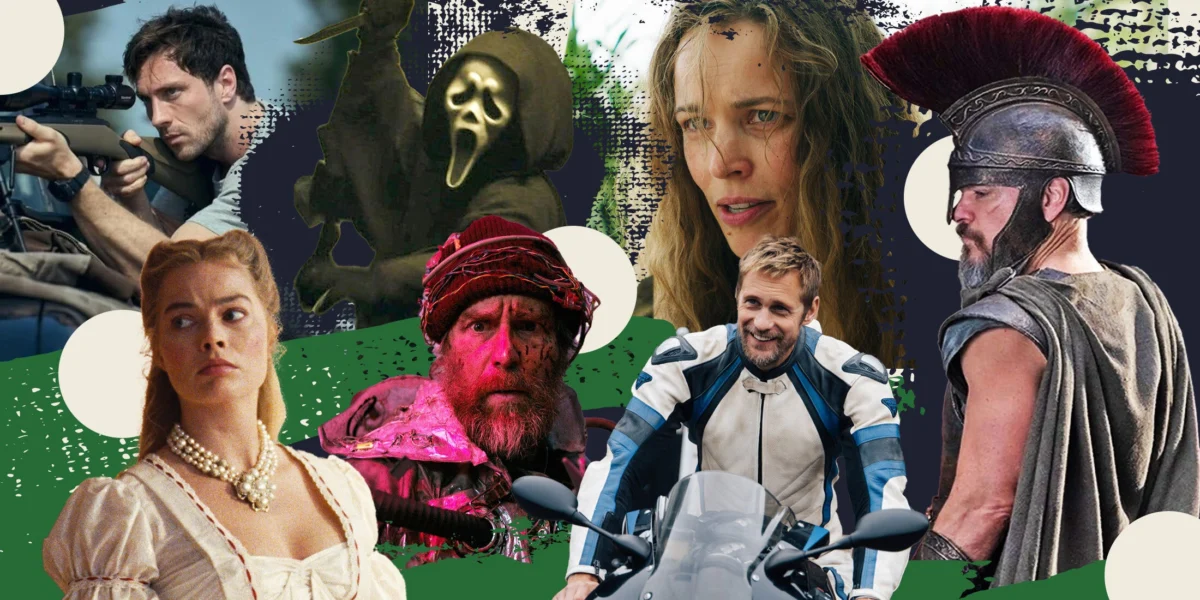
"The 2026 cinematic calendar represents a bold synthesis of high-concept original storytelling and the return of visionary directors, signaling a shift away from franchise fatigue toward director-driven spectacle and elevated genre filmmaking."

As the film industry continues to navigate the evolving boundary between theatrical prestige and streaming accessibility, the upcoming slate for 2026 reveals a landscape rich with creative risk-taking. From the long-awaited return of masters like Sam Raimi and Gore Verbinski to the continued dominance of star-led action thrillers, the year is set to be defined by projects that prioritize distinct tonal identities. Whether through the lens of A24’s psychological horror, Pixar’s return to original concepts, or the revitalization of the "buddy-cop" dynamic, 2026 promises a diverse array of narratives that cater to both cinephiles and general audiences alike.

The Return of the Horror Auteurs
For fans of the macabre, 2026 marks a historic milestone: the return of Sam Raimi to original horror. With Send Help, Raimi ends a long hiatus from the genre he helped define with Evil Dead and Drag Me to Hell. Starring Rachel McAdams and Dylan O’Brien, the film is described as a psychological survivalist nightmare—a cross between the isolation of Cast Away and the claustrophobic dread of Misery. Given Raimi’s penchant for "splatstick" and frenetic camera movements, Send Help is positioned to be a masterclass in tension and practical effects.

Parallel to Raimi’s return is the expansion of the 28 Days Later universe. Following last year’s successful relaunch, 28 Years Later: The Bone Temple sees Nia DaCosta taking the directorial reins from Danny Boyle. While the director has changed, the creative DNA remains intact with screenwriter Alex Garland returning to pen the script. Leading the charge in this post-apocalyptic landscape are Ralph Fiennes and Jack O’Connell, whose magnetic performances are expected to elevate the survivalist drama beyond standard zombie tropes.

In the realm of independent horror, A24 continues its streak with Undertone. This project centers on a supernatural podcaster—a modern update to the classic "haunted recording" trope. The film has already generated significant buzz for its innovative soundscape, with early reviews suggesting it may be the most immersive auditory horror experience in recent memory. Complementing this is Forbidden Fruits, a campy, satirical take on the occult that follows a coven of witches operating within a suburban shopping mall, blending social commentary with supernatural thrills.

High-Stakes Crime and Neo-Noir
The crime thriller genre sees a massive resurgence in 2026, anchored by the reunion of one of Hollywood’s most iconic duos. Matt Damon and Ben Affleck team up for The Rip, a gritty police thriller that explores the corrosive nature of corruption. The story follows a specialized police unit that discovers a massive cash hoard in a stash house—the "rip" of the title—leading to a breakdown of trust and a "whodunit" of moral decay. The film boasts an exceptionally deep supporting cast, including Steven Yeun, Kyle Chandler, and Academy Award nominee Teyana Taylor.

Another heavy hitter in the genre is Crime 101, an adaptation of the novella by Don Winslow. Directed by Bart Layton, the film is being heralded as a spiritual successor to Michael Mann’s 1995 masterpiece Heat. With a powerhouse cast featuring Chris Hemsworth, Mark Ruffalo, Halle Berry, and Barry Keoghan, Crime 101 focuses on a series of high-level jewel robberies along the Pacific Coast Highway that the police believe are linked to the Colombian cartels—though a lone detective suspects a much more calculated thief is at work.

Glen Powell, continuing his meteoric rise, stars in How to Make a Killing. Directed by John Patton Ford (Emily the Criminal), this black comedy neo-noir follows a man who attempts to secure a massive inheritance by systematically eliminating his relatives. Powell’s charm is expected to provide a chilling contrast to the film’s dark subject matter, supported by an ensemble including Margaret Qualley and Ed Harris.

Science Fiction and the Frontier of Human Experience
Sci-fi enthusiasts have two major landmarks to look forward to: Project Hail Mary and Good Luck, Have Fun, Don’t Die. The former is an adaptation of Andy Weir’s best-selling novel, brought to the screen by the visionary duo Phil Lord and Chris Miller. Ryan Gosling stars as Ryland Grace, an astronaut who wakes up on a spaceship with no memory of how he got there, eventually realizing he is humanity’s last hope for survival. Much like Weir’s The Martian, the film blends rigorous scientific problem-solving with heartfelt character work, featuring a standout supporting performance by Sandra Hüller.

Meanwhile, Gore Verbinski makes his first directorial appearance since 2016 with Good Luck, Have Fun, Don’t Die. Sam Rockwell leads the film as a man claiming to be a time traveler from a future ravaged by rogue artificial intelligence. Verbinski, known for his visual flair in the Pirates of the Caribbean trilogy and The Ring, utilizes cutting-edge practical effects to ground the film’s high-concept satire.

In the world of animation, Pixar returns to its roots with Hoppers. Breaking away from the recent trend of sequels, Hoppers tells the story of an animal lover who uses "avatar" technology to transfer her consciousness into a robotic beaver. What begins as a scientific endeavor to understand animal communication quickly devolves into a conspiracy mystery. With the voices of Jon Hamm and Meryl Streep, the film is expected to reclaim the emotional and intellectual depth of Pixar’s golden age.

Genre-Bending and Pop Culture Meta-Narratives
One of the year’s most unique offerings is The Moment, a meta-cinematic exploration of fame starring pop icon Charli XCX. Part mockumentary in the vein of This Is Spinal Tap and part biting satire like Curb Your Enthusiasm, the film examines the absurdities of celebrity culture in the mid-2020s. Charli XCX’s influence extends further into the year as she also provides the original soundtrack for Emerald Fennell’s Wuthering Heights.

Fennell’s take on the Emily Brontë classic has already sparked conversation for its "anachronistic" and "charged" energy. Starring Margot Robbie and Jacob Elordi, this version of Wuthering Heights eschews traditional period-piece stiffness in favor of a visually stunning, visceral epic romance. It is a bold reimagining that seeks to capture the raw, destructive passion of the source material for a modern audience.

For those seeking lighter, more subversive fare, The Napa Boys offers a parody of the early-2000s raunchy comedy. It presents itself as a lost, direct-to-video sequel to a non-existent franchise, blending the crude humor of American Pie with the "wine-bro" culture of Sideways. It is a hyper-specific comedy that relies on the audience’s familiarity with mid-budget tropes to deliver its punchlines.

Action Throwbacks and Cult Favorites
Alan Ritchson, who has become a staple of modern action through Reacher, stars in War Machine. The film is an unabashed throwback to 1980s-style action, featuring Ritchson as a soldier facing off against a massive alien robotic threat. It is a film that leans into its "B-movie" heart, bolstered by the presence of Jai Courtney and Dennis Quaid. Similarly, Primate delivers on the promise of its title, offering a slasher experience centered on a killer chimpanzee named Ben. It is a movie that embraces the "creature feature" tradition with modern intensity.

Finally, 2026 sees the return of Samara Weaving in Ready or Not 2: Here I Come. The sequel to the 2018 sleeper hit brings back the twisted "hide and seek" games of the Le Domas family. This time, the cast is expanded to include Elijah Wood and even legendary director David Cronenberg in a rare acting role. The film promises to double down on the bloody, high-stakes satire that made the original a cult classic.

As 2026 approaches, it is clear that the year will be defined by its variety. From the silent, sound-driven dread of Undertone to the interstellar scale of Project Hail Mary, the upcoming slate of films suggests a healthy, vibrant future for the medium, where original ideas and auteur visions are once again the primary drivers of the cultural conversation.
