
"Fostering social connection is not just a complementary strategy, but an essential pillar in reducing suicide rates, offering a powerful intervention that combats isolation and provides individuals with profound reasons to live."
The pervasive issue of loneliness, long considered a personal struggle, is now being recognized as a significant public health crisis with profound implications for suicide prevention. While traditional approaches to mental health crises often focus on immediate interventions and clinical treatments, a growing body of evidence and advocacy highlights the critical role of social connection in fostering resilience and offering individuals a sense of purpose and belonging. This shift in perspective underscores the need to address the underlying societal factors that contribute to isolation, moving beyond individual coping mechanisms to systemic and policy-level solutions.
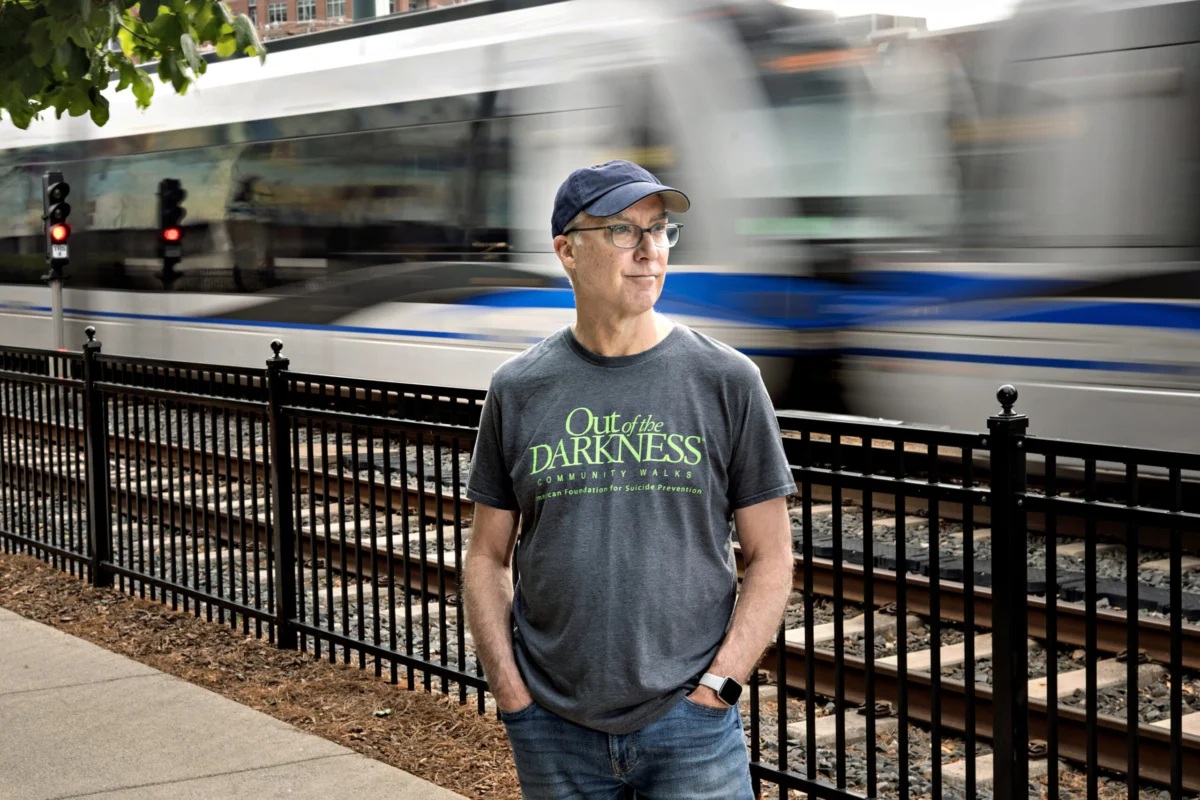
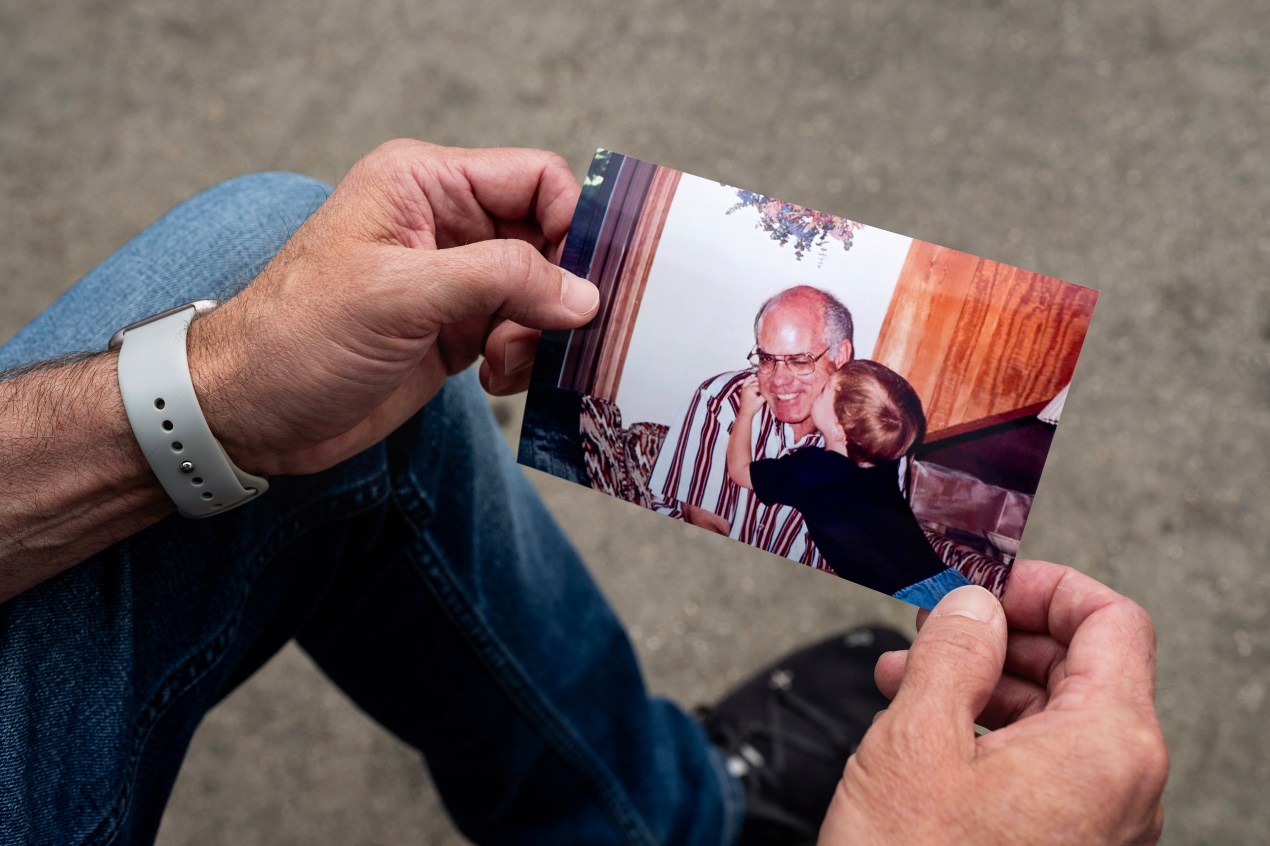
For a decade, Steve Siple found solace and community in a weekly bar trivia night in Birmingham, Alabama. Upon relocating to North Carolina, he cultivated a new, equally vital ritual: joining fellow Charlotte residents for Saturday clean-up events along the city’s light rail. These aren’t merely recreational activities for Siple; they are integral to his ongoing battle with suicidal ideation. His personal history, marked by the loss of his father to suicide and a son’s struggles with self-harm, has instilled in him a deep commitment to safeguarding his family and himself. Beyond consistent counseling and open discussions about mental health, Siple emphasizes the paramount importance of social connection.
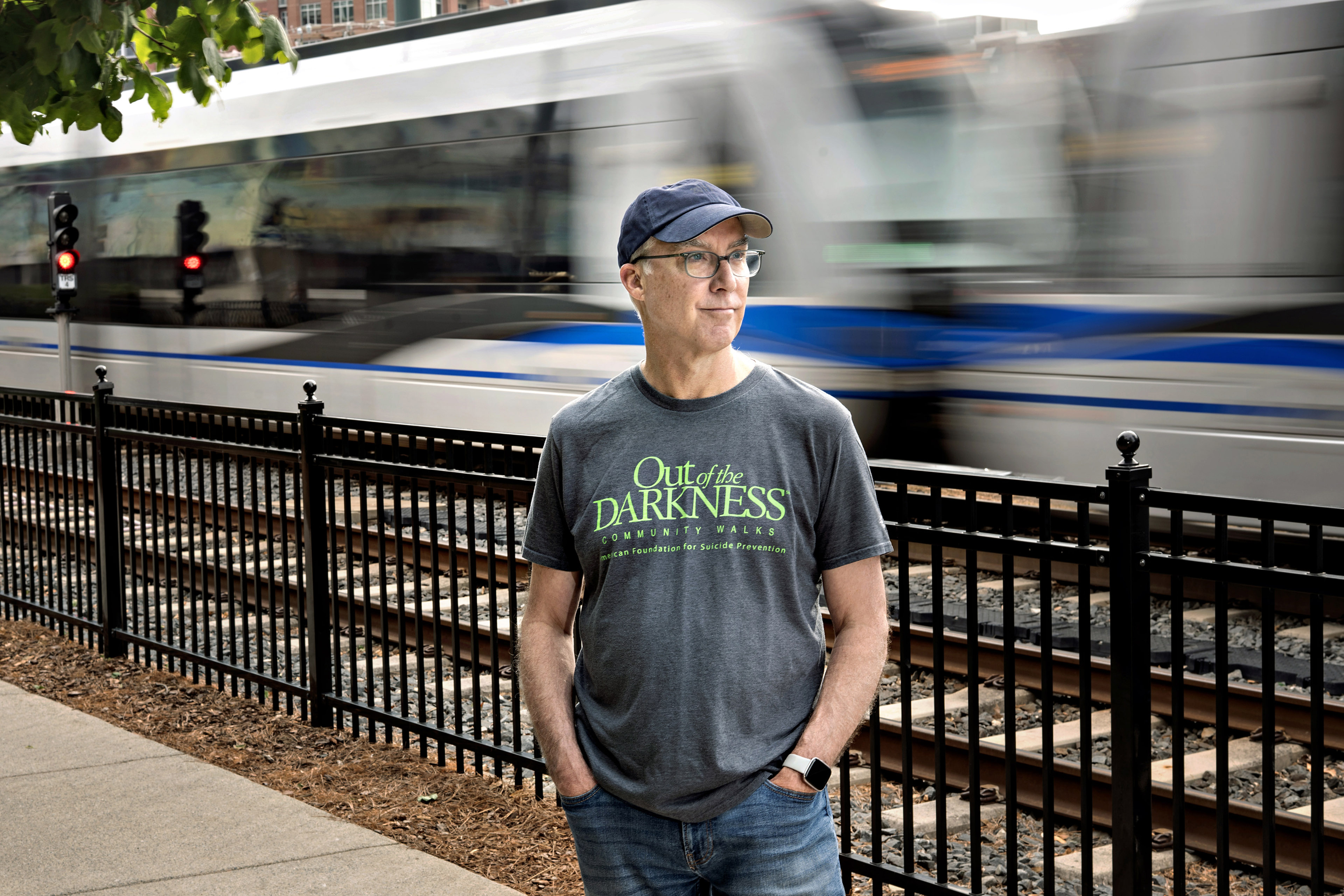
"Loneliness was, over my lifetime, one of the greatest risk factors for suicide," Siple stated, a sentiment drawn from his experience as a former board chair for the American Foundation for Suicide Prevention (AFSP). This perspective, while intuitively understood by many, has historically been underemphasized in the broader suicide prevention landscape. Conventional treatment models for severe mental illnesses that can lead to suicide, such as major depressive disorder, predominantly focus on pharmacological interventions and psychotherapy, often overlooking crucial social determinants like isolation and economic hardship. However, a burgeoning movement is advocating for the integration of loneliness reduction strategies, not solely through individual choices but also through the deliberate implementation of public policy.
The scientific consensus is unequivocal: among the multifaceted contributors to suicide, loneliness stands out as a significant factor. Research consistently identifies it as a potent predictor of suicidal behavior, particularly for older adults, who exhibit the highest suicide rates, and for adolescents and young adults, for whom suicide is the second leading cause of death. This vulnerability stems from fundamental human biology. As social beings, prolonged periods of isolation trigger elevated stress responses, disrupt immune system function, and ultimately contribute to a shortened lifespan, not only through suicide but also from a range of other health complications. Indeed, a widely cited study posits that the health risks associated with social disconnection are equivalent to smoking up to 15 cigarettes daily.
This alarming trend is exacerbated by a confluence of societal shifts. Mental health professionals and researchers point to several converging factors fueling the escalating rates of loneliness in contemporary society. The rapid proliferation of technology, including smartphones and the increasing sophistication of artificial intelligence, has, paradoxically, led to greater disconnection for some. Alongside this, heightened political polarization, the sustained impact of remote work arrangements post-pandemic, and a decline in participation in religious and community institutions have further fragmented social networks.
With suicide rates remaining persistently high, consistently ranking among the top 10 leading causes of death in the United States, advocates and individuals who have experienced the profound loss of loved ones to suicide are increasingly calling for the prioritization of social connection as a vital frontier in prevention efforts. This aligns with an ongoing series by KFF Health News, which explores innovative suicide prevention strategies that move beyond crisis intervention to focus on cultivating a sense of purpose and well-being long before individuals reach a critical point.
Vivek Murthy, who served as U.S. Surgeon General under Presidents Barack Obama and Joe Biden, has been a vocal proponent of this approach. "If we want to reduce suicide rates in our country, which is absolutely essential, then a key part of that has to be fostering social connection," Murthy stated. "We have more than enough data to support this as being an important area of focus." In 2023, Murthy released the first U.S. Surgeon General’s Advisory on Loneliness as a Public Health Issue, a comprehensive report backed by over 300 supporting citations. His extensive work on the subject, including a recently published book and a national tour, underscores the urgency of addressing this growing epidemic. "To help someone else feel less alone, to help them feel seen and understood and valued," he emphasized, "that can be one of the most powerful interventions that we make."
The role of elected officials in combating loneliness is significant, according to Murthy. Beyond individual efforts, he advocates for leaders to leverage their platforms to elevate this issue to a mainstream concern. This includes creating opportunities for community-driven initiatives through microgrants and investing strategically in "social infrastructure." This concept encompasses both the physical spaces that facilitate social interaction, such as libraries and parks, and the policies and programs that actively promote community engagement, like robust public transportation systems and supportive volunteer networks. "These all matter and impact whether people gather," Murthy noted.
However, implementing these initiatives often requires substantial financial investment, posing a challenge for local officials tasked with balancing budgets without increasing tax burdens. This is where creative solutions become indispensable. In Charlotte, a collaborative effort between a health system and a museum offers "prescriptions" for individuals to attend art classes or live performances together, fostering shared experiences. In Chattanooga, Tennessee, the city is supporting community-led projects aimed at increasing social interaction and access to nature, including the installation of benches designed for conversation with volunteer listeners. Across the nation, "men’s sheds" have emerged as vital community hubs where men can engage in shared projects and openly discuss their mental health in a supportive environment.
In the rural Pennyrile region of western Kentucky, Marcie O’Neal took on the leadership of suicide prevention efforts in 2024, prompted by a concerning rise in suicides among the elderly. With a grant of approximately $280,000, equating to less than $3 per resident in the nine-county area, O’Neal focused on leveraging existing community strengths. She recognized the potential of established meal delivery programs and high school clubs to bridge the gap of isolation. "Drivers who drop off prepared meals to homebound residents can be the only person that an older adult sees in the week," O’Neal explained.
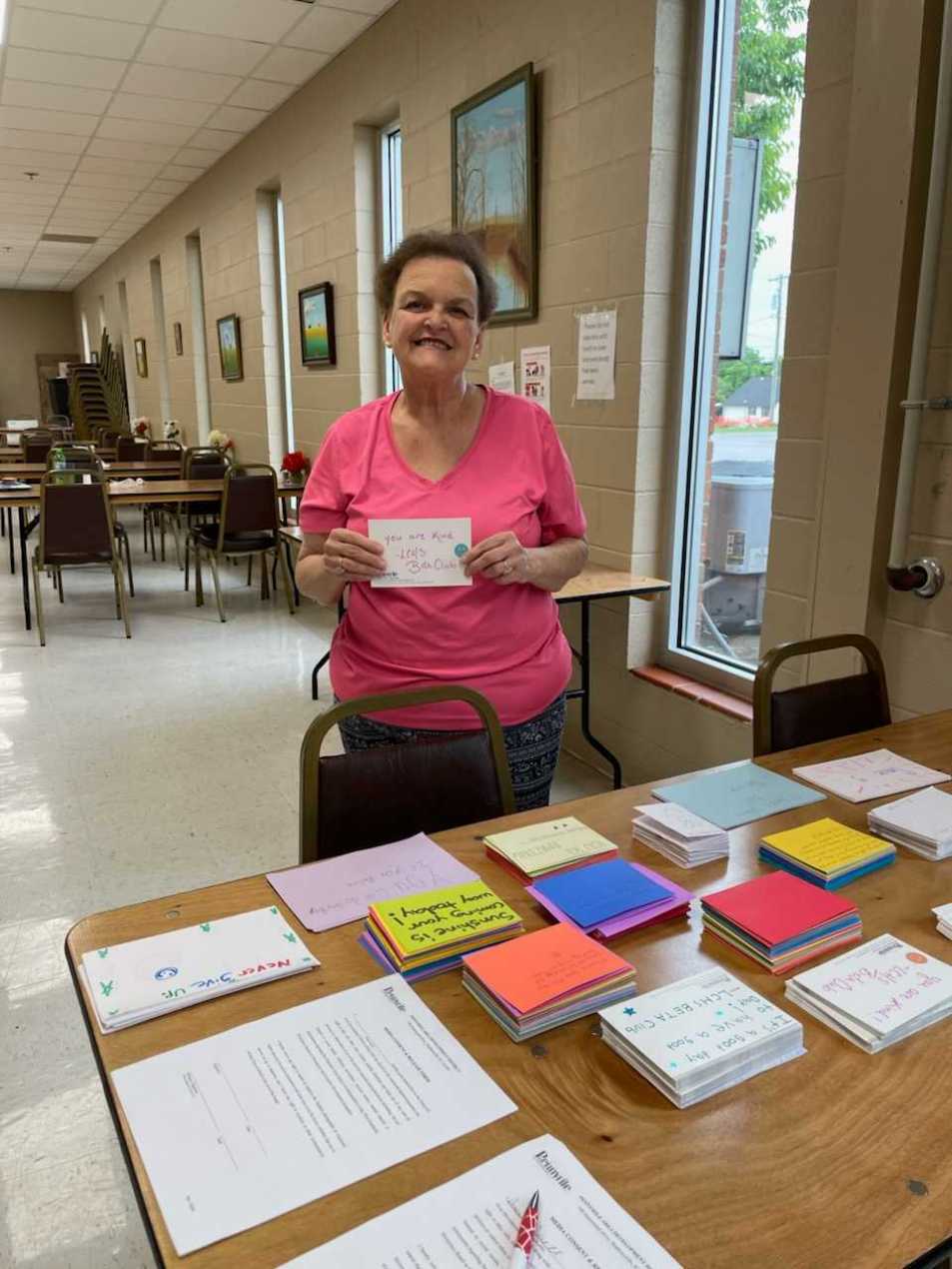
Building upon existing state initiatives that trained meal delivery drivers to identify suicide warning signs, O’Neal envisioned an additional layer of connection. She engaged high school Beta clubs, organizations dedicated to leadership and volunteerism, across the nine counties, inviting them to craft personalized cards for the elderly residents receiving meals. The response was overwhelming, with approximately 1,200 cards distributed in May, followed by similar initiatives for Valentine’s Day and again in May. "I don’t remember the last time I got a Valentine’s card," one elderly recipient shared, a testament to the profound impact of these simple gestures. The students, in turn, found fulfillment in making a tangible difference, and O’Neal is facilitating an ongoing pen pal program between one school and a local retirement community. O’Neal, affectionately known as "the suicide lady," embraces the title as a badge of honor, emphasizing that "suicide prevention doesn’t have to be sweeping huge things. It’s a little thing you can do that can kind of snowball into more things."
Steve Siple, who actively cultivates social connections through his trivia nights and volunteer clean-ups, experienced profound loneliness when transitioning to remote work. The solitary nature of analyzing data and drafting proposals left him feeling disconnected. "If my wife or kids were around during the evening, I was safe," he recalled, noting that meeting in coffee shops also provided some respite. However, the solitary hours at his desk were when "that’s where I got the darkest lonely feelings," including suicidal thoughts. Breaking free from this isolation necessitated a proactive pursuit of new connections.
Siple found a strong anchor in his church community, participating not only on Sundays but also in mid-week Bible studies and potlucks. He and his wife also engage with live music, from bluegrass to alternative rock. "Being with folks that are into the same type of music that we’re into for a concert feels like connection," he observed. Research further supports the role of shared activities, such as sports, in mitigating suicide rates. Studies indicate that major sporting events are associated with a reduction in suicide rates, potentially due to the collective sense of belonging and shared enthusiasm that arises when people unite in support of a team or event.
This concept of belonging resonates deeply with Sarah Brummett, a veteran of suicide prevention efforts at both state and national levels and a facilitator for the upstream prevention program Sources of Strength. She emphasizes that fostering a sense of belonging has been a cornerstone of all her initiatives. "We can’t eliminate hard stuff in our lives," Brummett stated, reflecting on the five friends she lost to suicide, beginning in middle school. "Belonging is really the secret sauce for how we, as humans, can navigate really hard things."
