
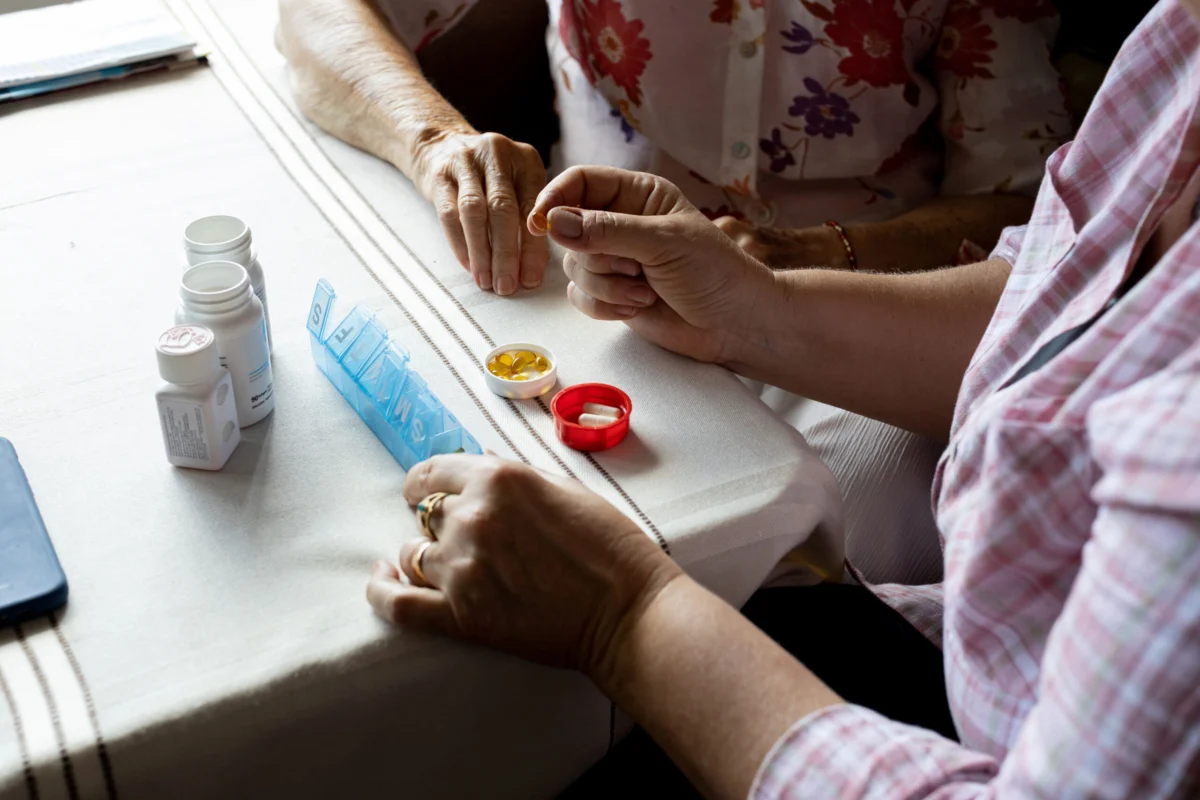
"Claiming the caregiver identity can be a powerful step for those balancing the demands of raising children and caring for aging parents, leading to greater utilization of support services and a stronger sense of community."
The journey of family caregiving is undeniably demanding, often placing individuals in the precarious position of supporting both younger and older generations simultaneously. This dual responsibility, commonly referred to as being part of the "sandwich generation," presents a unique set of challenges, encompassing new duties, heightened stress, and unforeseen financial burdens. However, research suggests that embracing the identity of a caregiver can be a pivotal factor in navigating these complexities. Identifying as a caregiver often correlates with a greater likelihood of seeking and utilizing available support services, as well as fostering a sense of belonging and shared experience with others in similar circumstances. KFF Health News correspondent Cara Anthony recently shared her personal insights and experiences navigating this intricate role on WAMU’s Health Hub program on June 17, offering valuable perspectives for others facing this multifaceted stage of life.
The concept of the "sandwich generation" encapsulates a significant demographic experiencing a confluence of familial obligations. These individuals, typically in their late 30s to early 60s, find themselves simultaneously responsible for the well-being of their growing children and their aging parents. This often translates into a constant juggling act, where time, energy, and financial resources are stretched thin. The demands can range from assisting with homework and extracurricular activities for children to managing elder care needs such as medical appointments, daily living assistance, and emotional support for parents. This period of life can be particularly taxing, as it often intersects with peak career years, demanding sustained professional performance alongside escalating family responsibilities.
The emotional toll of dual caregiving cannot be overstated. Many in the sandwich generation report experiencing significant stress, anxiety, and even burnout. The feeling of being constantly pulled in multiple directions can lead to a sense of overwhelm, impacting mental and physical health. Furthermore, the financial implications can be substantial. Costs associated with childcare, education, and the increasing healthcare needs of aging parents can place a considerable strain on household budgets. This financial pressure is often exacerbated by the need to balance these expenses with personal savings goals, retirement planning, and other financial commitments.
However, the act of identifying as a caregiver, as highlighted by KFF Health News correspondent Cara Anthony and supported by research, offers a pathway toward mitigating these challenges. This self-identification is more than just a label; it signifies a conscious acknowledgment of one’s role and the associated responsibilities. This recognition can empower individuals to actively seek out and engage with resources designed to support caregivers. These resources can include support groups, respite care services, educational programs, and access to financial assistance or counseling. The feeling of not being alone in this experience, of connecting with others who understand the unique pressures, can provide invaluable emotional solace and practical advice.
Cara Anthony’s participation in WAMU’s Health Hub underscores the importance of sharing personal narratives in raising awareness and offering practical guidance. Her experience as a parent with aging parents offers a relatable perspective for many. By discussing her own journey, Anthony likely touched upon the strategies she employs to manage her responsibilities, maintain her own well-being, and foster open communication within her family. Such discussions are crucial for normalizing the challenges faced by the sandwich generation and for encouraging proactive engagement with available support systems.
The impact of caregiving extends beyond the individual. It influences family dynamics, household finances, and even the broader healthcare system. When caregivers are adequately supported, they are better equipped to provide high-quality care for their loved ones, potentially reducing the need for more intensive or costly interventions. This can lead to improved health outcomes for both children and aging parents, as well as greater overall family stability. Conversely, unsupported caregivers are at higher risk of experiencing negative health consequences themselves, which can, in turn, compromise their ability to provide care.
Understanding the specific needs of the sandwich generation requires a multifaceted approach. This includes not only providing direct support services but also advocating for policies that acknowledge and address the demands of dual caregiving. Employers, for instance, can play a crucial role by offering flexible work arrangements, paid family leave, and employee assistance programs that include caregiving support. Healthcare providers can also contribute by offering integrated care models that coordinate services for both younger and older family members and by providing resources and education to family caregivers.
The research suggesting that identifying as a caregiver leads to greater utilization of support services is particularly significant. This implies that a fundamental step in empowering caregivers is to help them recognize and embrace their role. This can involve public awareness campaigns, educational initiatives within healthcare settings, and encouragement from social workers and community leaders. When individuals understand that their efforts are valid and that support is available, they are more likely to take the necessary steps to access it. This proactive engagement can transform the experience of caregiving from one of isolation and overwhelm to one of shared responsibility and empowered action.
The image accompanying the original content, depicting a woman sorting medication for a senior woman, serves as a poignant visual representation of the daily realities of caregiving. This seemingly simple act encapsulates a complex web of responsibilities, from medication management and health monitoring to emotional support and ensuring daily well-being. It highlights the often unseen, meticulous work that family caregivers perform, day in and day out. The close-up nature of the shot emphasizes the intimacy and personal connection inherent in caregiving, while also suggesting the potential for stress and the need for organized, deliberate action.
The challenges faced by the sandwich generation are not a niche issue but a growing societal concern. As populations age and life expectancies increase, the number of individuals caring for both children and elderly parents is likely to rise. This demographic shift necessitates a comprehensive understanding of their needs and the development of robust support structures. Cara Anthony’s contribution to WAMU’s Health Hub serves as a valuable contribution to this ongoing conversation, offering both personal testimony and practical insights into navigating this demanding yet often deeply rewarding phase of life. By fostering a culture that recognizes, values, and supports family caregivers, society can help ensure that both those receiving care and those providing it can thrive. The ability to claim one’s identity as a caregiver is not merely a psychological adjustment; it is a gateway to accessing the essential resources and community connections that can make the demanding journey of dual caregiving more manageable and sustainable.
