
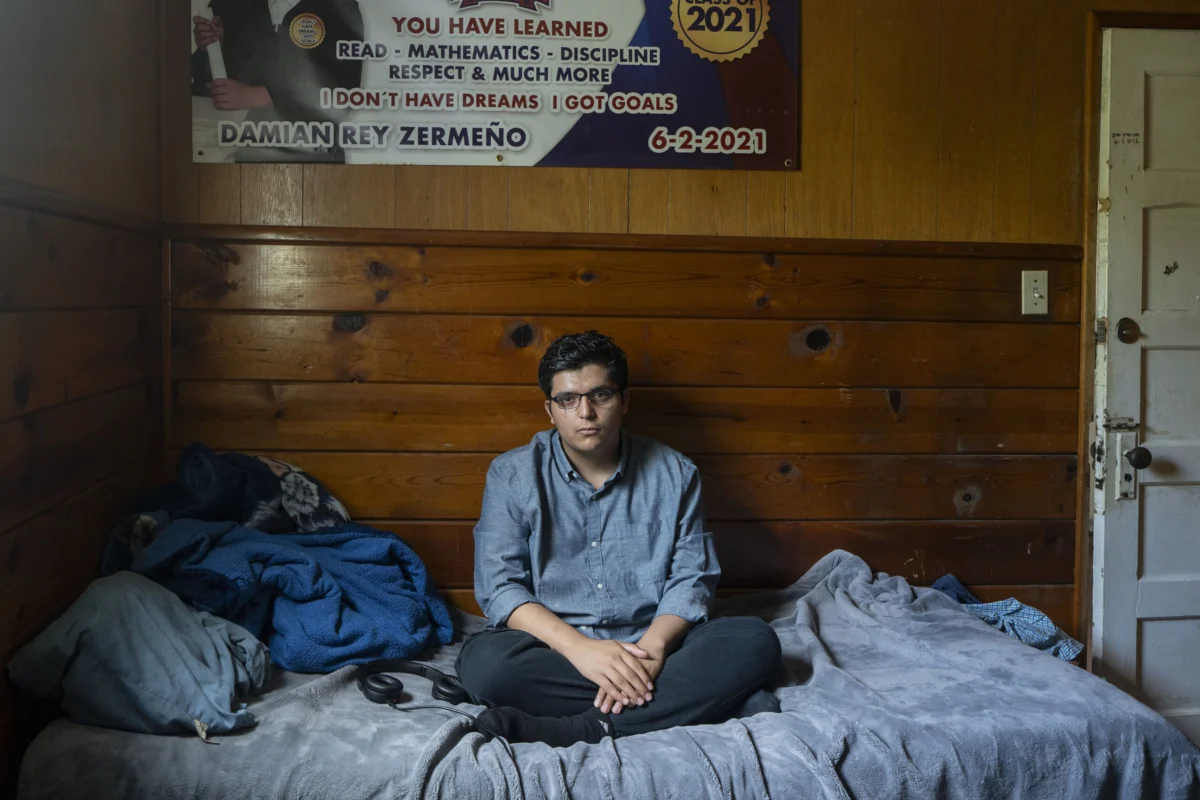
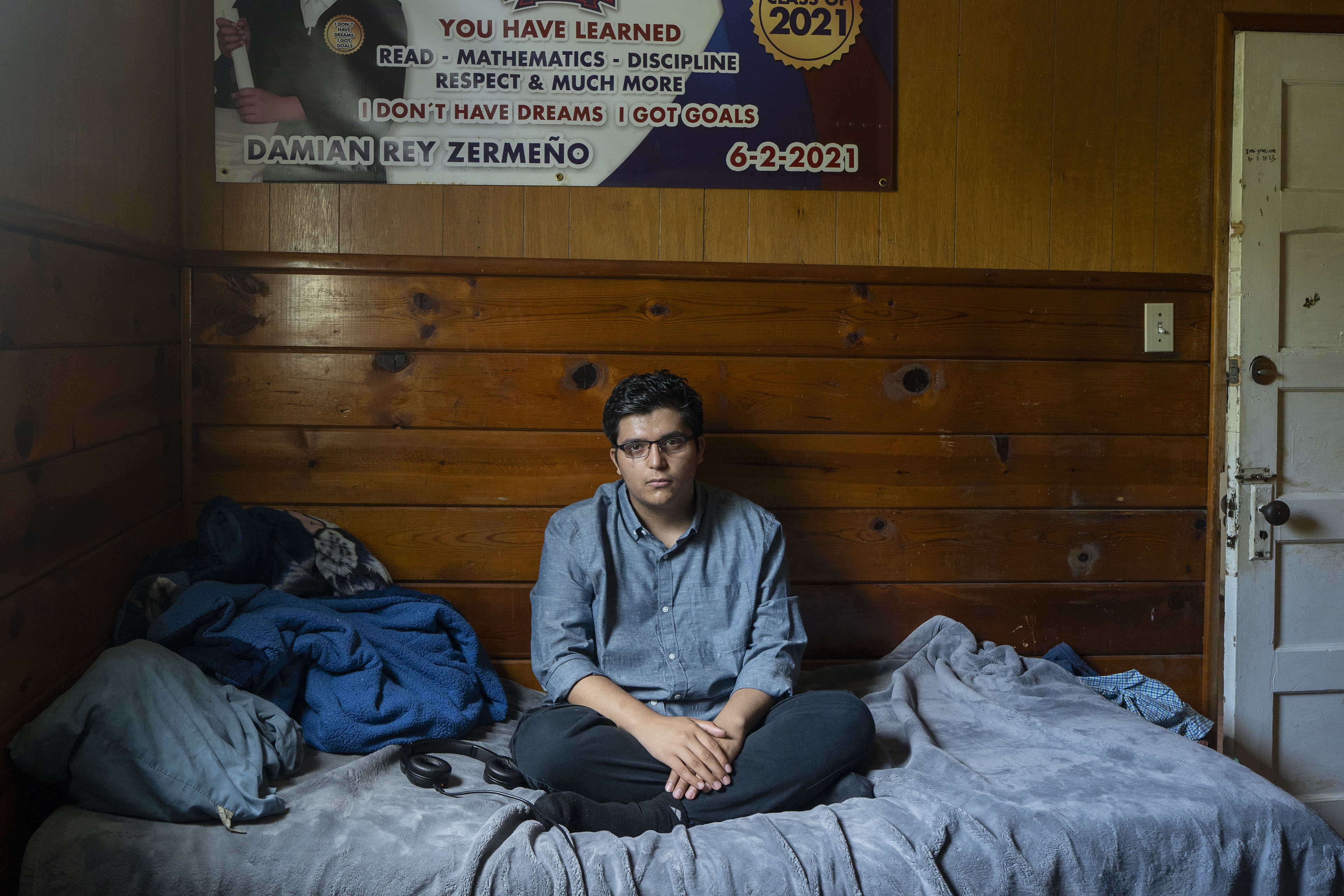
"Suddenly, Damian, who was born in the U.S., found himself separated from his father by thousands of miles and a heavily guarded border… The previously cheerful 10th grader… faced navigating his teenage years alone." This poignant account of 15-year-old Damian Zermeño exemplifies the profound and devastating impact of U.S. immigration enforcement policies on children, many of whom are U.S. citizens. The separation from a primary caregiver, often a father or mother, due to deportation or detention, plunges these young lives into a vortex of fear, uncertainty, and long-lasting psychological distress, creating a generation grappling with unprecedented mental health challenges.
The stark reality of immigration enforcement in the United States has created a humanitarian crisis within its borders, one that disproportionately affects the nation’s youngest and most vulnerable: the children of immigrants. While federal policies aim to regulate immigration, their implementation has led to the traumatic separation of hundreds of thousands of children from their parents. These separations, often occurring without adequate notice or recourse for the families, trigger a cascade of adverse mental and emotional health consequences that can persist well into adulthood, impacting physical health and overall well-being.
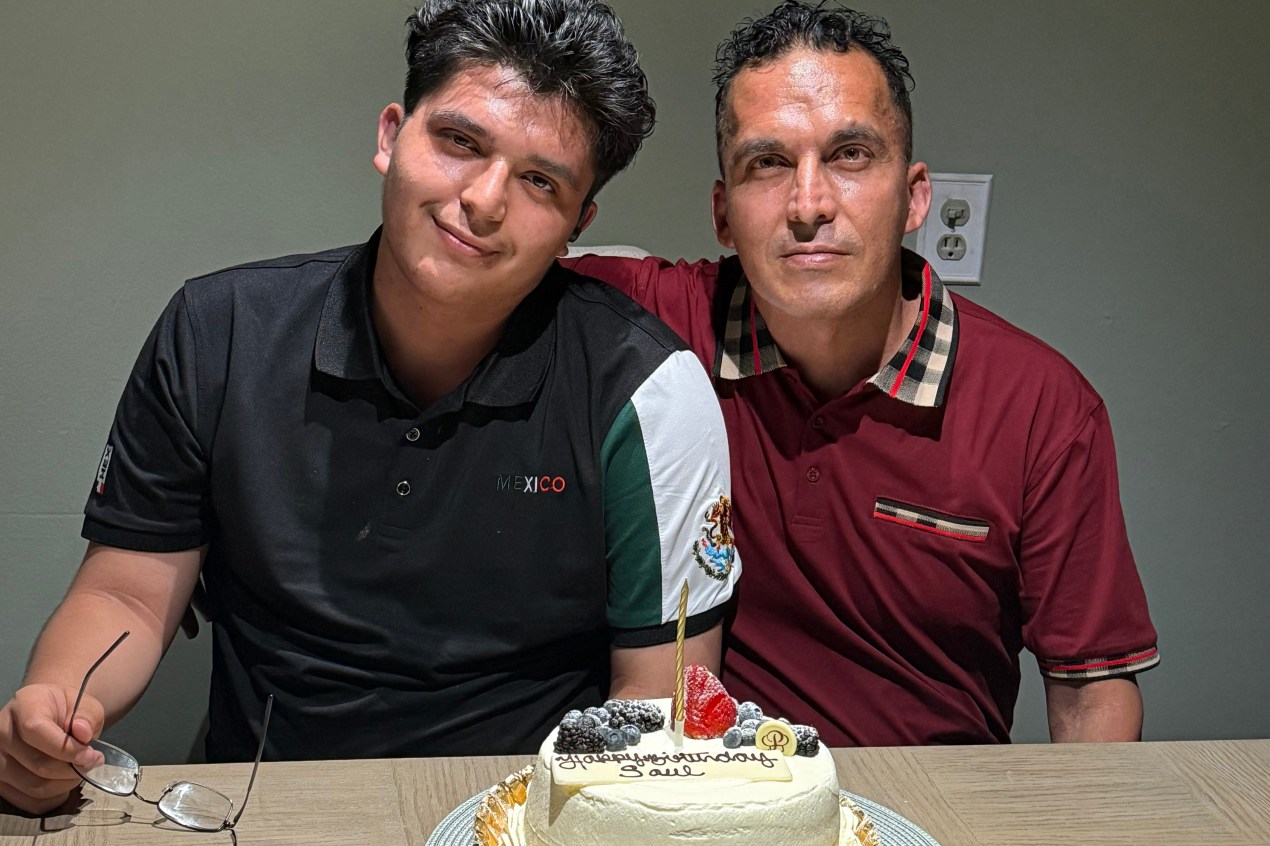
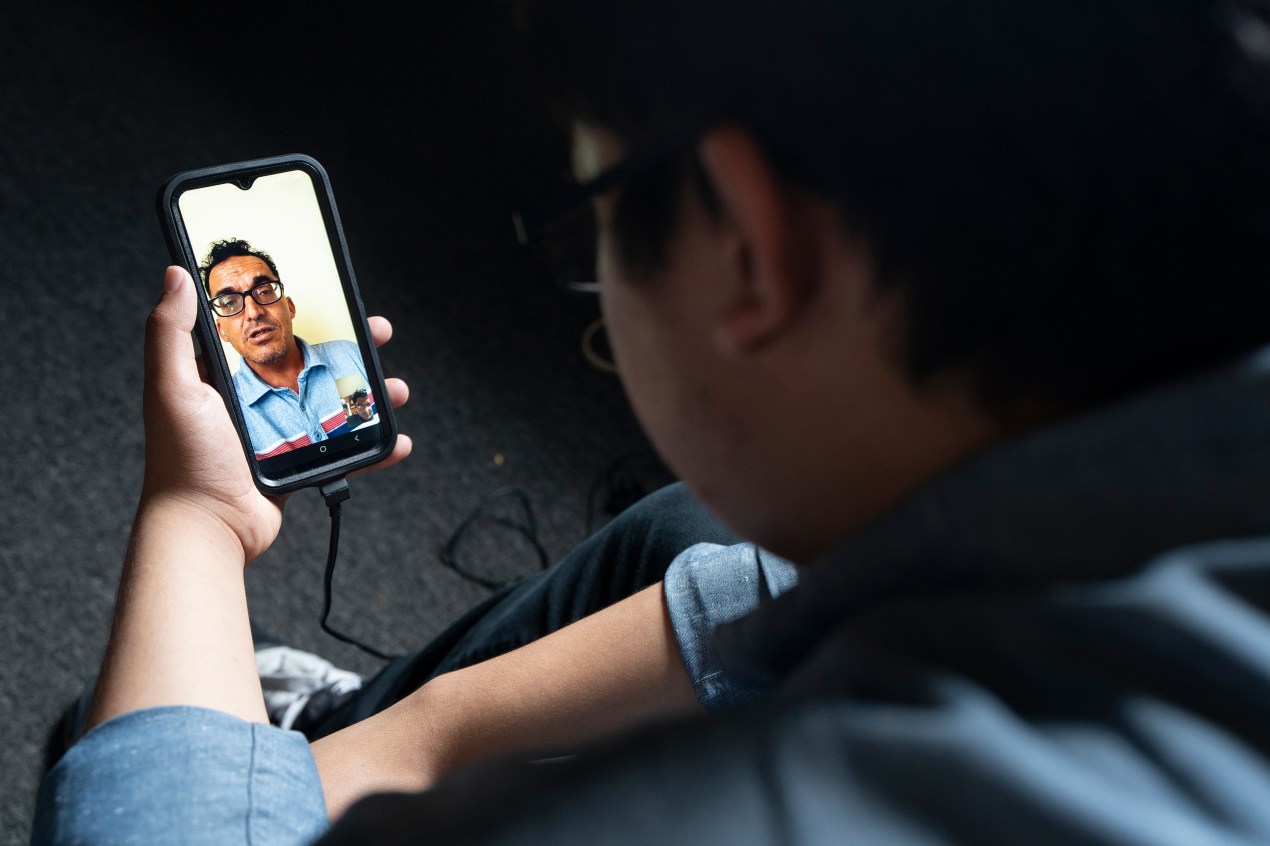
The story of Damian Zermeño, a U.S. citizen whose father, Saúl Zermeño, was deported to Mexico in October, is a stark illustration of this crisis. Saúl, a 45-year-old single father who had lived in the U.S. for 36 years and held deferred action status, was deported after a routine check-in appointment at an Immigration and Customs Enforcement (ICE) office. Damian, a high school sophomore with ADHD and autism, was left to navigate his teenage years without the sole caregiver he had known since birth. His father’s deportation severed a bond that had been the bedrock of his life, transforming his once cheerful demeanor into one of profound sadness and anxiety. Damian’s experience, marked by withdrawal, loss of appetite, and an inability to focus at school, is not an isolated incident.
Damian is one of an estimated hundreds of thousands of children, a significant portion of whom are U.S. citizens, who have been separated from a parent under the Trump administration’s intensified deportation policies. These separations are not merely administrative inconveniences; they are deeply traumatic events. Parents have been arrested during routine activities like dropping children off at school or attending mandatory immigration check-ins, often with their children present. Many of those detained have no criminal convictions, as unauthorized presence in the U.S. is typically a civil offense. The consequences for the children left behind are profound, as their lives are abruptly disrupted, plunging them into an environment of pervasive fear and instability.
The psychological toll on these children is substantial and potentially lifelong. Therapists, parents, and support organizations working with immigrant families report an alarming rise in mental health issues among children of all ages. This includes preschoolers exhibiting speech delays, elementary school students expressing suicidal ideations, and teenagers suffering from debilitating anxiety that prevents them from leaving their homes. Research consistently demonstrates that parental separation is inherently harmful to a child’s health and development. The intense stress associated with losing a primary caregiver can wreak havoc on a child’s developing brain and body, significantly increasing their susceptibility to mental health conditions such as depression, anxiety, and post-traumatic stress disorder (PTSD). Furthermore, this chronic stress can weaken the immune system and contribute to developmental delays.
Reverend Tanya Lopez, a pastor involved with a Los Angeles-area religious leaders’ support organization, vividly describes the visible impact: "You can just see it in their faces; it’s almost like the light has been dimmed in their eyes." This emotional dimming is not a transient phenomenon. The health risks associated with this prolonged stress response can have enduring consequences. Individuals who experience parental separation and other traumatic events during childhood are at a higher risk for developing chronic conditions in adulthood, including heart disease, diabetes, and cancer.
In response to these concerns, the Department of Homeland Security has stated that ICE does not intentionally separate families, asserting that parents are offered a choice to be removed with their children or to designate a safe guardian for them in the U.S. However, reports from organizations like the Women’s Refugee Commission and Physicians for Human Rights suggest a starkly different reality. These reports indicate that many parents are not afforded such a choice, and ICE often fails to inquire about detainees’ children or take steps to ensure the safety of those left behind. Saúl Zermeño’s account supports these findings, as he stated that ICE officers did not inquire about his son or assess Damian’s well-being before his deportation.
The emotional devastation experienced by Damian is echoed in the story of Jacob, a 9-year-old boy whose mother was detained at an immigration check-in appointment in Los Angeles. Jacob, who had already endured a perilous journey fleeing violence in Colombia, including witnessing atrocities and experiencing a kidnapping, was deeply affected by his mother’s detention. Despite his prior trauma, he had begun to find a semblance of stability and recovery through school and therapy. His mother’s detention shattered this fragile peace. He became inconsolable, exhibiting intense fear, rage, and a loss of appetite. The separation triggered nightmares and a profound fear of being alone, causing him to regress to earlier behaviors and to blame his father for the situation.
Jacob’s father, Andreis, himself grappling with grief and desperation, struggled to comfort his son while managing the financial and emotional fallout of his wife’s detention. The inability to fund his wife’s commissary account, which allowed her to make essential phone calls, added another layer of anguish to their separation. Jacob’s longing for his mother was palpable; he missed her cooking, their park visits, and, most importantly, her comforting presence and hugs. In his distress, he resorted to spraying his mother’s perfume on himself to feel closer to her. After nearly five months in detention, Jacob’s mother was released, but the family continues to live under the shadow of potential future detentions and deportations, a constant source of anxiety for Jacob and his father.
These individual stories are part of a larger, systemic issue. A recent analysis by the Brookings Institution estimates that over 200,000 children, including 145,000 U.S. citizen children, have had at least one parent detained since President Trump’s return to office. A significant portion of these children, approximately one-third, are under the age of six. The number of children affected by parental detention is projected to rise, fueled by substantial federal funding allocated to immigration enforcement. Furthermore, over 4.6 million U.S. citizen children currently live with a parent at risk of deportation, highlighting the widespread vulnerability within these families.
The trauma inflicted by these separations extends beyond individual families, fracturing entire communities. Noemi, a Guatemalan asylum seeker, recounted a harrowing incident outside an ICE office where her partner was forcibly removed from their car by immigration agents, while officers attempted to separate her from her three young children. Although the children’s screams prevented their immediate separation from their mother, the experience was deeply traumatizing. Her partner was subsequently detained, leaving Noemi to care for her children alone, grappling with the emotional aftermath of what she described as a "tragic, inexplicable" event that "marks you for your whole life."
The Adelanto ICE Processing Center, a large, privately run facility near Los Angeles, serves as a focal point for many of these detentions. Since her partner’s detention, Noemi’s children have exhibited profound behavioral changes. Her 7-year-old daughter, previously cheerful, became depressed, lost her appetite, and experienced academic regression. Both older children struggled with sleep and constantly questioned if their father’s detention was a consequence of their own misbehavior. Noemi’s youngest daughter, who had already learned to walk, regressed to crawling for three months, crying out for her father in her sleep.
Therapists like Sofia Mendoza, who works with immigrant families, explain that these children experience a unique form of grief. The absence of a living parent, who remains physically separate, complicates their ability to process the loss and can hinder their capacity to form secure, trusting relationships in the future. The emotional turmoil manifests in various ways: extreme anxiety, anger, physical complaints such as stomachaches, separation anxiety, and behavioral regressions. Older children may suffer from panic attacks, nightmares, and difficulties concentrating. The profound stress of caregiver loss is also linked to an increased risk of suicide and substance abuse in children.
The fear and uncertainty permeate immigrant communities. Norma Gómez, a project manager for the Mixteco Indigena Community Organizing Project, shared that after immigration raids impacted her community, her 9-year-old daughter became terrified to leave her parents, even though they are legal U.S. residents. The child’s fear was amplified by witnessing classmates crying over detained family members. In an act of profound empathy, the child requested copies of her parents’ residency documents, hoping they would offer similar protection to her classmates.
For Damian, the deportation of his father has forced a premature transition into adulthood. He now lives with his aunt Claudia, who has assumed legal guardianship, and is learning to manage daily responsibilities, from doing his own laundry to styling his hair. He actively tries to support his aunts, who are also deeply affected by their brother’s absence, by offering jokes and hugs, masking his own profound sadness. While he receives therapy and practices coping mechanisms, the emotional weight remains heavy. "I try my hardest to think, to stay focused," he said, "But with everything that’s going on, I can’t keep the facade of ‘everything’s normal’ when I feel heartbroken."
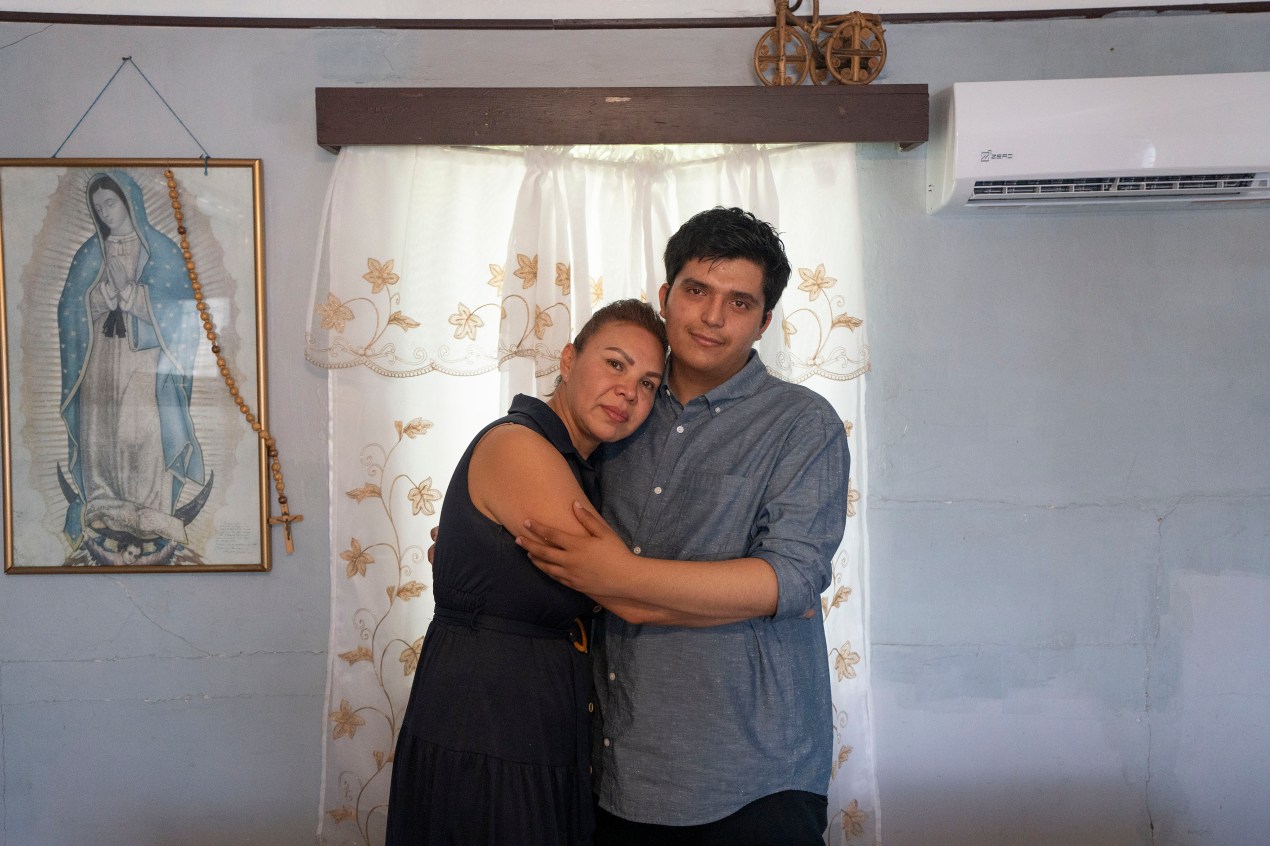
The situation is further complicated by Damian’s significant health needs. He has neurofibromatosis Type 1, a genetic condition requiring regular medical monitoring, particularly for a tumor in his head that could impact his brain function. He also suffers from epilepsy and was born with a single kidney, limiting his physical activity. His father, Saúl, now living in Guadalajara, Mexico, expresses deep concern about Damian’s access to necessary medical care without his direct oversight. While his aunt Claudia is dedicated to his well-being, she juggles the care of her own children and her mother, who has neurological issues.
Damian’s father is working with an attorney to explore the possibility of legally returning to the U.S., a process fraught with complexity and uncertainty. Without a passport and facing age-related restrictions for minors, visiting his father in Mexico is also a distant prospect. For now, Damian is focused on personal growth, planning to obtain his driver’s license and shifting his post-high school aspirations from college to securing employment to support his aunts and father. He continues to cry, but he reserves these moments for the solitude of his room, attempting to maintain a brave face for his family and navigate the profound challenges of a childhood irrevocably altered by parental separation.
