
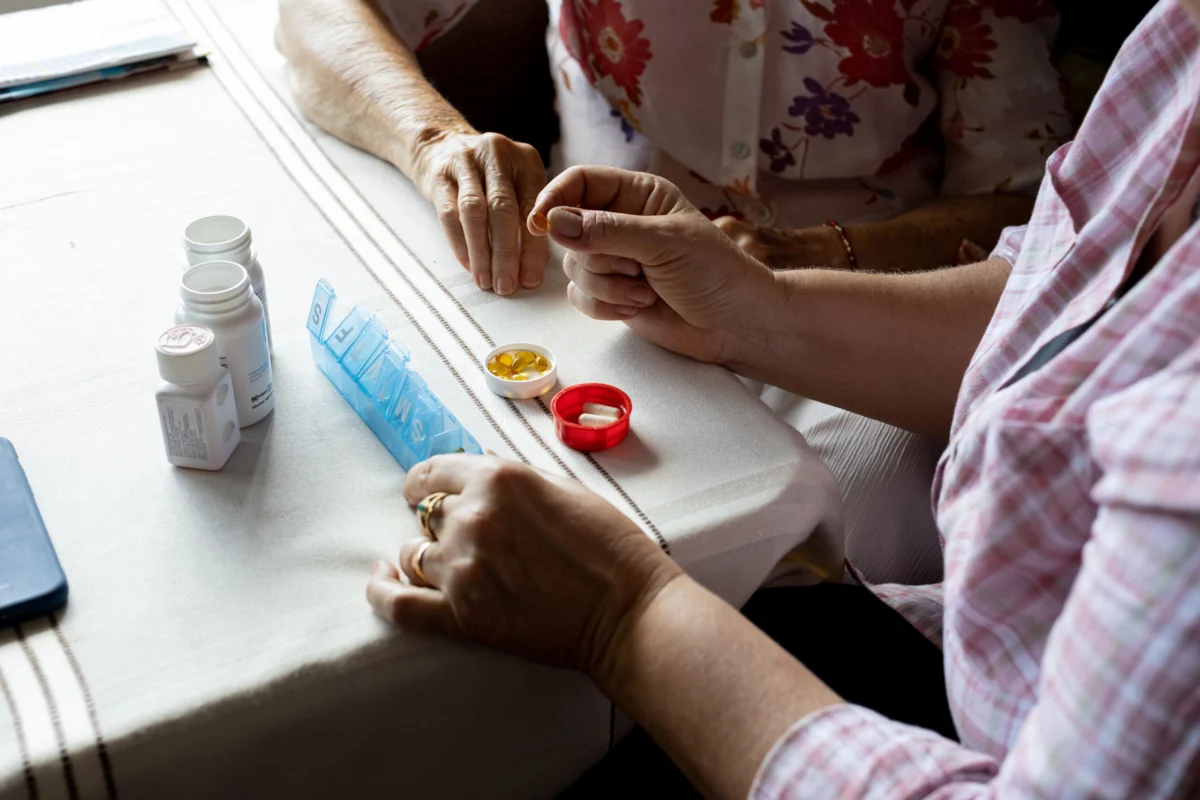
"Claiming the caregiver identity is crucial for those balancing the demands of raising children and caring for aging parents, as it fosters greater utilization of support services and a stronger sense of community."
The phenomenon of being part of the "sandwich generation"—individuals simultaneously caring for both their children and their aging parents—is a growing demographic reality marked by unique challenges and profound emotional and financial burdens. This intricate phase of life demands a delicate balancing act, often leaving those in this position feeling stretched thin across multiple familial obligations. Recognizing and embracing one’s role as a caregiver is not merely a matter of self-identification; research suggests it is a powerful catalyst for seeking and receiving vital support. When individuals acknowledge their caregiving responsibilities, they are more inclined to tap into available resources, whether they be community programs, professional services, or informal support networks. This proactive engagement, in turn, can significantly alleviate stress and combat the isolation that often accompanies this demanding role, fostering a sense of belonging and shared experience with others facing similar circumstances.
KFF Health News correspondent Cara Anthony recently offered a personal and insightful perspective on this multifaceted experience during an appearance on WAMU’s Health Hub on June 17. Anthony, who herself navigates the complexities of parenting while also tending to the needs of her aging parents, shared her journey, providing valuable insights and practical advice for others who find themselves in the "sandwich generation." Her discussion illuminated the often-unseen labor and emotional toll involved in this dual caregiving role, emphasizing the importance of practical strategies and emotional resilience.
The term "sandwich generation" vividly captures the predicament of individuals caught between the needs of two dependent age groups: their children, who require active nurturing and guidance, and their aging parents, who may need increasing levels of physical, emotional, or financial support. This demographic cohort, often in their prime working years, faces a convergence of responsibilities that can profoundly impact their personal lives, careers, and overall well-being. The demands can range from managing school schedules and extracurricular activities for children to coordinating doctor’s appointments, medication regimens, and household assistance for parents. This constant juggling act can lead to significant stress, fatigue, and financial strain, as the costs associated with raising children and caring for elderly parents can be substantial and often overlapping.
Research consistently highlights the significant stressors associated with the sandwich generation experience. A study by the Pew Research Center found that adults caring for both children and parents are more likely to report feeling stressed, financially strained, and time-poor compared to those with only one set of caregiving responsibilities. This heightened stress can manifest in various ways, including sleep disturbances, anxiety, depression, and even physical health problems. The emotional burden is also considerable, as individuals grapple with the inevitable decline of their parents’ health, the evolving needs of their children, and the guilt that often arises when they feel they are not adequately meeting the expectations of either group.
The concept of "claiming the caregiver identity" is central to navigating these challenges effectively. When individuals embrace this identity, it signifies a conscious acknowledgment of their role and the responsibilities it entails. This self-recognition is more than just a label; it acts as a powerful psychological shift that can empower individuals to seek out the support they need. For example, someone who identifies as a caregiver may be more likely to research and enroll in respite care programs that offer temporary relief, allowing them to recharge. They might also be more inclined to seek out support groups, where they can connect with others who understand their unique struggles and share coping mechanisms. This sense of community is invaluable, combating the isolation that can often accompany the intensive and often solitary work of caregiving.
Cara Anthony’s contribution to WAMU’s Health Hub offered a real-world testament to the power of sharing experiences and practical advice. Her personal narrative likely resonated with many listeners who are living similar realities. By sharing her own strategies for managing the dual demands, she provided a tangible roadmap for others. This could include practical tips such as establishing clear communication channels with siblings and other family members to distribute caregiving tasks, creating detailed schedules to manage appointments and responsibilities, and identifying reliable external resources for elder care services. Beyond the logistical, Anthony’s insights may have also touched upon the emotional resilience required, emphasizing self-care, setting boundaries, and seeking professional counseling when needed.
The implications of the growing sandwich generation are far-reaching. For employers, it highlights the need for more flexible work policies, such as telecommuting options and paid family leave, to support employees who are balancing work and caregiving responsibilities. For healthcare providers, it underscores the importance of providing comprehensive support services for both the elderly care recipients and their family caregivers, recognizing that caregiver well-being is intrinsically linked to the quality of care provided. Policymakers also face the challenge of developing and expanding social programs that can alleviate the financial and logistical burdens on these families, such as affordable elder care options, childcare subsidies, and accessible mental health services.
Furthermore, the societal perception of caregiving needs to evolve. Often, the work of family caregivers is invisible, undervalued, and taken for granted. By bringing personal stories and expert insights to the forefront, as KFF Health News and WAMU are doing, there is an opportunity to raise public awareness and foster a greater appreciation for the immense contributions of the sandwich generation. This increased awareness can lead to more robust community support systems and a more empathetic societal framework that acknowledges and supports the complex realities of modern family structures.
The financial aspects of caregiving are also a significant consideration. The costs associated with raising children, from education and healthcare to daily living expenses, are considerable. Simultaneously, caring for aging parents can involve expenses for medical treatments, in-home care services, modifications to their living spaces, and potential long-term care facilities. For many in the sandwich generation, these costs can create a significant financial strain, often forcing difficult choices and compromises. Anthony’s discussion likely touched upon strategies for financial planning, such as exploring government benefits, insurance options, and estate planning for aging parents, as well as managing household budgets to accommodate these dual financial demands.
Beyond the tangible resources and financial planning, the emotional and psychological toll cannot be overstated. The constant pressure to be present and effective for both children and parents can lead to feelings of guilt, inadequacy, and burnout. The emotional labor involved in managing the anxieties of aging parents, coupled with the developmental challenges of children, requires a high degree of emotional intelligence and resilience. Anthony’s insights might have included advice on maintaining personal well-being, such as prioritizing self-care, seeking emotional support from friends or partners, and practicing mindfulness or other stress-reduction techniques.
Ultimately, the experience of the sandwich generation is a testament to the enduring strength of familial bonds and the profound sense of responsibility that many individuals feel towards their loved ones. While the challenges are undeniable, the act of embracing the caregiver identity, seeking out support, and employing practical strategies can transform this demanding phase of life into one that, while difficult, can also be navigated with greater resilience, community, and a deeper sense of purpose. The conversation initiated by Cara Anthony and platforms like WAMU’s Health Hub are vital in shedding light on this crucial aspect of modern life and empowering those who serve as the indispensable linchpins for their families.
