
"Last winter’s unexpectedly early and severe flu season, driven by a novel strain, exposed the fragility of healthcare systems already under immense pressure. As the NHS prepares for another challenging winter, proactive vaccination against both influenza and Respiratory Syncytial Virus is paramount to safeguarding public health and alleviating strain on critical services."
The National Health Service (NHS) is issuing a crucial call for public vigilance and vaccination ahead of the approaching winter, drawing stark lessons from last year’s unusually aggressive flu season. With services already stretched following the busiest summer on record, healthcare leaders are emphasising the vital role of immunisation in mitigating the impact of respiratory viruses. The early onset of the Super-K flu strain last winter, arriving over a month earlier than anticipated, underscored the unpredictable nature of influenza and its potential to overwhelm urgent and emergency care services. This year, with adjustments to the flu vaccine and a new expanded programme for Respiratory Syncytial Virus (RSV), the focus is squarely on early protection to prevent a repeat of past challenges.
Recapping Last Winter’s Unprecedented Flu Wave
Last winter’s flu season presented an unforeseen challenge, commencing in early autumn, significantly ahead of its typical late-winter peak. This early arrival, largely driven by the emergence of the "Super-K" strain, caught many off guard and swiftly escalated the demand on healthcare services. While the term "Super flu" is not a medical designation and does not imply increased virulence or resistance to treatment, it effectively conveyed the public health concern: a novel influenza subtype to which the population had limited pre-existing immunity. This lack of collective protection meant the virus could spread rapidly and cause more widespread illness, leading to a surge in hospital admissions and unprecedented pressure on an NHS already grappling with post-pandemic recovery and staffing shortages. The impact was profound, with emergency departments experiencing significant overcrowding, longer ambulance wait times, and delays in non-urgent treatments as resources were diverted to manage the acute respiratory illness burden. Understanding the dynamics of such an early and impactful season is critical for informing the preparedness strategies for the coming months.
The Evolving Science of Influenza and Annual Vaccination
Influenza viruses are renowned for their remarkable ability to constantly mutate, a phenomenon known as antigenic drift and shift. This genetic variability necessitates the annual reformulation of flu vaccines to ensure they remain effective against the predominant circulating strains. Each year, global health experts, including those from the World Health Organization (WHO), meticulously monitor flu activity across continents, making predictions about which strains are most likely to circulate in the upcoming Northern Hemisphere winter. This complex process involves analysing data from the preceding Southern Hemisphere winter, alongside genetic sequencing of isolated viruses. The goal is to develop a vaccine that provides the best possible match. This year’s vaccine has undergone several "tweaks," notably an adjustment to better target subclade K, the variant responsible for much of last year’s early surge. These modifications are crucial; a good match between the vaccine and circulating strains maximises the body’s immune response, offering robust protection against infection and severe disease. The vaccine works by introducing inactivated viral components or weakened live viruses (in the case of the nasal spray) to the immune system, allowing it to develop antibodies and memory cells without causing illness, thereby preparing it to mount a swift defence upon encountering the actual virus.
Global Surveillance: Predicting the Winter Ahead
Predicting the precise timing and severity of the flu season remains a complex endeavour, yet experts rely heavily on global surveillance networks and patterns observed in the Southern Hemisphere. Countries like Australia and New Zealand, whose flu seasons peak in July or August, often serve as an early warning system for the Northern Hemisphere. Their experiences provide valuable insights into the types of strains circulating, their transmissibility, and the general severity of the season. So far, the reports from these Southern Hemisphere nations indicate a relatively mild year in terms of flu cases. While this offers a degree of cautious optimism, it is by no means a guarantee for the UK. Other factors, such as the overall population’s immunity levels, the uptake of the annual vaccine, the co-circulation of other respiratory viruses like COVID-19 and RSV, and even socio-behavioural patterns, can significantly influence the local impact of influenza. Therefore, despite promising indicators from Down Under, health officials maintain that a proactive and cautious approach to preparedness is essential.
NHS Preparedness Amidst Unprecedented Pressures
Dr. Amanda Doyle from NHS England articulated the imperative for caution, directly linking last year’s early and impactful flu season to the current state of the healthcare system. "Last year’s flu season came early and was made worse by a new variant, which had a major impact for patients and put enormous pressure on urgent and emergency care services across the country," she stated. This year, the NHS is facing an unprecedented backdrop, having experienced its busiest summer on record. This sustained demand, exacerbated by ongoing workforce challenges, a backlog of elective procedures, and persistent funding pressures, means that services are already operating under significant strain even before the traditional winter surge begins. In response, NHS staff have initiated winter preparations earlier than ever before. These comprehensive plans include optimising bed management, enhancing staffing levels where possible, bolstering community care services to prevent hospital admissions, and ensuring robust vaccine delivery programmes are in place. The message from leadership is unequivocal: with services already stretched thin, widespread public engagement with vaccination campaigns is not just a personal health choice, but a critical collective action to safeguard the entire healthcare system.
Understanding Flu’s Broad Impact and Vaccine Efficacy
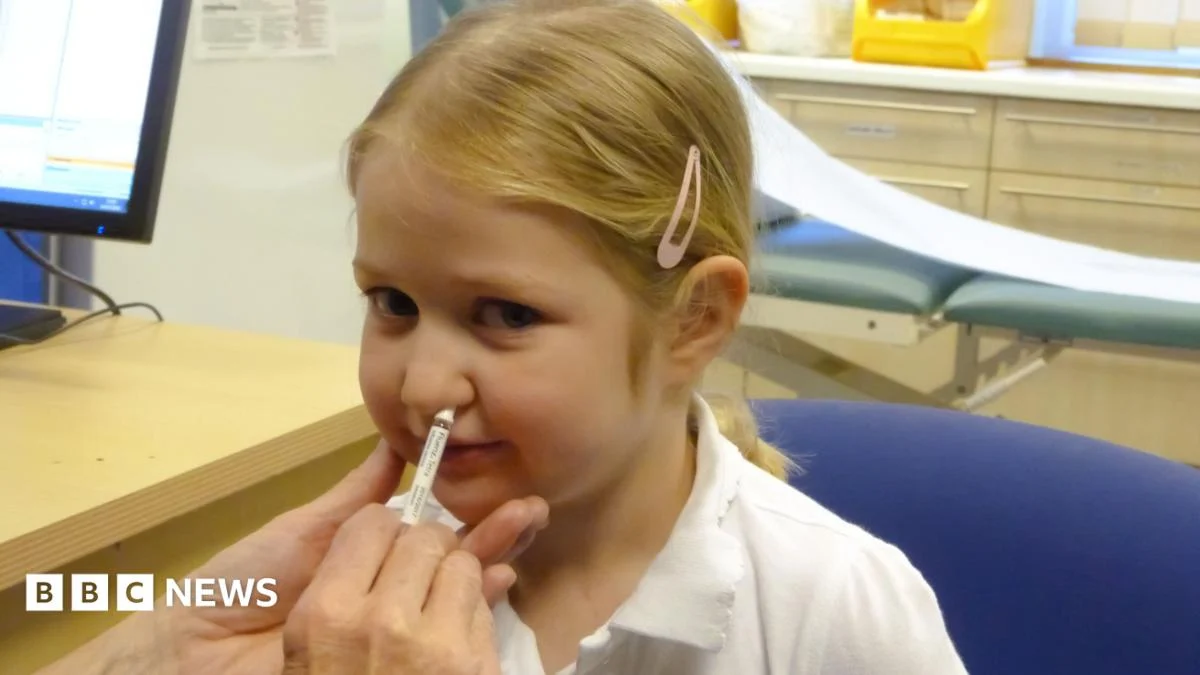
The common misconception that flu is merely a bad cold undermines its potential severity. Influenza is a serious viral infection that can affect anyone, regardless of age, fitness, or general health. While some individuals may experience mild symptoms, for many, it can be debilitating, causing high fever, muscle aches, severe fatigue, and respiratory distress. Dr. Doyle highlighted the particular vulnerability of certain groups, noting, "Flu can really knock you for six, and for some children and pregnant women it can mean becoming seriously ill or ending up in hospital." Beyond these groups, flu can lead to severe complications such as pneumonia, bronchitis, ear infections, and sinusitis. It can also exacerbate underlying chronic health conditions like asthma, diabetes, and heart disease, potentially leading to life-threatening outcomes. The flu vaccine does not cause influenza; rather, it safely primes the immune system to recognise and fight off the virus. For children aged two and upwards, a convenient nasal spray version is available, while adults receive an injection. A single dose is sufficient to confer protection throughout the winter season, significantly reducing the risk of infection, severe illness, hospitalisation, and even death.
Accessing Your Flu Vaccination: Eligibility and Availability
Ensuring broad access to the flu vaccine is a cornerstone of the winter preparedness strategy. For those who do not qualify for a free NHS jab, private vaccination is readily available at high street pharmacies for approximately £10 to £20. However, a significant portion of the population is eligible for free vaccination. From September onwards, school-aged children and pregnant women can receive their free NHS flu vaccine. From October, eligibility expands to include a wider array of individuals deemed at higher risk of severe illness or complications. This typically includes adults aged 65 and over, individuals with certain long-term health conditions (such as chronic respiratory diseases like asthma or COPD, heart disease, kidney disease, liver disease, neurological conditions, diabetes, and those with weakened immune systems), residents of long-stay care homes, carers, and household contacts of immunocompromised individuals. Frontline health and social care workers are also strongly encouraged to get vaccinated to protect themselves, their patients, and their colleagues. The vaccine is widely accessible through GP practices, participating high street pharmacies, and school-based programmes, making it convenient for eligible individuals to receive their protection.
The Emerging Threat of RSV and a New Vaccination Strategy
This winter introduces an additional layer of protection with an expanded vaccination programme targeting Respiratory Syncytial Virus (RSV), a common respiratory virus that, like influenza, can cause significant lung infections. While RSV often presents with mild cold-like symptoms, it can lead to severe illness, particularly in very young infants, the elderly, and individuals with compromised immune systems or underlying health conditions. Historically, RSV has been a major cause of bronchiolitis and pneumonia in young children, leading to substantial paediatric hospitalisations. The introduction of an RSV vaccine for certain adult populations represents a significant step forward in public health. From this September, adults will be invited to receive the RSV vaccine when they are 65, a reduction from the previous age of 75, specifically if they have certain pre-existing health conditions such as chronic lung disease. This strategic expansion aims to protect the most vulnerable adults from severe RSV infection, further reducing the overall burden on the healthcare system during the peak winter months. The co-circulation of influenza, RSV, and COVID-19 poses a "tripledemic" threat, making a comprehensive vaccination strategy across all relevant respiratory viruses more critical than ever before.
In conclusion, the lessons from last winter’s early and impactful flu season, coupled with the ongoing pressures on the NHS, underscore the urgent need for a proactive and unified approach to winter health. The annual flu vaccine, now tweaked to better match circulating strains, alongside the expanded RSV vaccination programme, offers crucial layers of defence. By coming forward for vaccination when offered, individuals not only protect themselves from potentially severe illness but also contribute significantly to alleviating the immense strain on the nation’s healthcare services, ensuring that critical care remains available for those who need it most.
