

"Louisiana is unique in dedicating 20% of its opioid settlement funds directly to sheriffs, the largest carve-out for law enforcement nationwide. This unprecedented allocation raises critical questions about whether these funds are being used to effectively combat the opioid crisis or diverted to conventional law enforcement needs, sparking a crucial debate between public health and public safety priorities."
Louisiana stands at a critical juncture in its response to the devastating opioid epidemic. While every state is receiving substantial payouts from settlements with companies accused of fueling the crisis, Louisiana has established a unique system, directing a significant 20% of these funds to its 64 sheriffs. This substantial allocation, the largest for law enforcement across the nation, has created a distinct opportunity – and challenge – to observe how these funds are utilized. Sheriffs in Louisiana operate with independent budgets and are elected officials, granting them considerable autonomy. However, this autonomy, coupled with a lack of stringent public reporting requirements for these settlement dollars, has made it difficult for the average citizen to track the expenditure of this "blood money," as some affected families describe it, intended to address the addiction crisis. A collaborative investigation by KFF Health News and three Louisiana news outlets—The Current, Gulf States Newsroom, and Verite News—has undertaken the first comprehensive accounting of these millions, contacting all sheriffs over five months to shed light on how this critical funding is being spent.
The opioid crisis has claimed over a million lives in the United States since 2000, a grim statistic that underscores the urgency of effective intervention. The settlements, arising from accusations that pharmaceutical companies flooded the nation with prescription painkillers, are intended to fund abatement efforts. However, the question of how best to allocate these funds has ignited a national debate, particularly concerning the role of law enforcement. As these funds began to flow significantly in 2022 and continue to grow, debates over law enforcement’s portion have intensified. Purdue Pharma, the maker of OxyContin, finalized its $7.4 billion bankruptcy this year, and various other settlements are projected to continue for over a decade, representing a substantial, yet finite, pool of resources that many entities are vying to access.
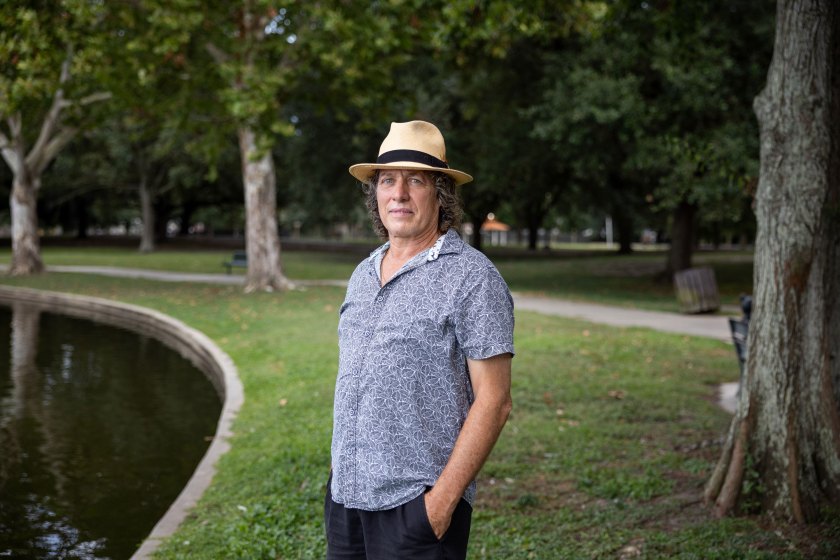
In Louisiana, the framework for distributing these settlement funds is distinct. The state’s agreement with its parishes and sheriffs allows for broad spending categories under "law enforcement expenditures relating to the opioid epidemic." This broad definition, however, has opened the door to diverse interpretations of what constitutes an appropriate use of funds. While legal compliance is one measure, addiction and public health experts argue that legality does not equate to efficacy or appropriateness. Danny Bolner Jr., a Jefferson Parish resident who has been in recovery for over two decades and lost his 28-year-old son to a fentanyl overdose, voiced this concern. Representing families who have experienced profound loss, Bolner views the dollars as "blood money" and believes they should be exclusively dedicated to abating the addiction crisis. He expressed dismay at the purchase of items like drones and surveillance equipment, arguing that these funds should instead support vital programs such as youth education on emotional processing, job training for individuals in recovery, and the distribution of overdose reversal medications. For Bolner, the finite nature of this funding means that every dollar spent on non-essential law enforcement tools is a dollar lost in the fight to save lives.

Tricia Christensen, a public health policy analyst and a national expert on opioid settlement funds, served as a reviewer for the data collected. She emphasized that the core purpose of these funds is to invest in innovative solutions to prevent future tragedies. Christensen, along with other reviewers, questioned whether expenditures on items like evidence safes, drug scanners, or even extensive body and dash camera systems truly align with the spirit of the settlements. These are tools that law enforcement agencies typically acquire through their regular budgets and federal grants. The concern is that opioid settlement funds, specifically earmarked for crisis mitigation, are being used to supplement existing law enforcement infrastructure rather than to pioneer new approaches to combating addiction.
The Louisiana Sheriffs’ Association, represented by Executive Director Kevin Cobb, counters that law enforcement budgets are often strained, and the complex nature of investigations into drug trafficking syndicates necessitates advanced equipment. Casey Rayborn Hicks, spokesperson for the East Baton Rouge Sheriff’s Office, articulated this perspective, stating that while treatment and recovery are crucial, they address the consequences after drugs have already entered the community. Law enforcement, she argued, plays an equally vital role in preventing those drugs from reaching potential victims. Similarly, First Lt. Blake Tabor from the Terrebonne Parish Sheriff’s Office highlighted their focus on disrupting the criminal activity that fuels addiction, viewing it as a complementary effort to prevention and treatment initiatives.
However, not all sheriffs have directed their funds towards enforcement. Acadia Parish Sheriff K.P. Gibson has allocated all his settlement funds to provide treatment within the jail, aiming to break cycles of addiction and crime and facilitate productive reintegration into society. Research consistently demonstrates that providing medications for opioid use disorder (MOUD) in correctional settings significantly reduces recidivism and overdose deaths. In St. Martin Parish, settlement funds have supported a specialized team of officers dedicated to connecting individuals with substance use disorders or co-occurring mental health issues to treatment and support services. Chester Cedars, chief legal counsel for the St. Martin Parish Sheriff’s Office, described their role as a "broker" connecting those in need with available resources, acknowledging that while they are not clinicians, their intervention can be critical.
The effectiveness and appropriateness of these expenditures are further illuminated by the reviewers’ assessments. Christensen, Loyd, and Bolner, each with distinct expertise and lived experiences, evaluated the reported expenditures. Their consensus-based approach aimed to determine whether the spending aligned with the overarching goals of the opioid settlements. While the legal framework in Louisiana is broad, allowing for "law enforcement expenditures relating to the opioid epidemic," the reviewers’ evaluations often centered on whether these expenditures directly contributed to preventing overdoses or facilitating arrests related to drug trafficking.
The Louisiana Opioid Abatement Task Force, the body tasked with guiding the use of settlement funds, has faced its own challenges. A 2025 report from the Louisiana Legislative Auditor indicated that the task force lacks enforcement power for its recommendations. Sheriff Gibson, who also chairs the task force, has advised other sheriffs but acknowledges they are not obligated to follow his guidance. This underscores a systemic issue: while there are guidelines, there are few mandated guardrails on how this critical funding is utilized.
Recognizing the need for greater accountability, the Louisiana state legislature passed a resolution in May calling for a legislative auditor review of how all parishes and sheriffs are managing their opioid settlement funds. State Sen. Brach Myers, a co-author of the resolution, stated the intention is to provide clarity on fund allocation, spending patterns, and the effectiveness of funded programs, potentially leading to new legislation to tighten spending controls.
The Louisiana Opioid Abatement Task Force is also actively working to enhance its oversight mechanisms. Curtis Nelson, executive counsel for the administration corporation supporting the task force, indicated plans to engage forensic accountants to conduct ongoing audits of parishes and sheriffs. The goal is to audit 10 to 15 entities annually, prioritizing those receiving the largest allocations. The task force also aims to create a list of "unallowable expenditures," similar to those in other states, which would provide clearer directives on what constitutes an inappropriate use of settlement funds.
The debate over the use of opioid settlement funds in Louisiana highlights a fundamental tension between public safety and public health imperatives. While law enforcement plays a critical role in interdicting drug supply, the core intent of these settlements is to address the multifaceted crisis of addiction, which includes prevention, treatment, and recovery support. As Louisiana navigates this complex landscape, increased transparency and more robust oversight mechanisms are essential to ensure that these settlement dollars are channeled effectively towards abating the opioid epidemic and supporting those most affected by it. The ongoing efforts to strengthen accountability, coupled with the continued advocacy of individuals like Danny Bolner Jr., offer hope for a more targeted and impactful use of these crucial funds in the years to come.
