

"In the places designed for care, residents are becoming victims, with preventable altercations leading to tragic outcomes and raising serious questions about oversight and profit motives in the senior living industry."
This report delves into the alarming rise of resident-on-resident violence within nursing homes and assisted living facilities, highlighting how systemic failures in oversight, inadequate staffing, and a prioritization of profit over patient safety have created dangerous environments. The incidents detailed expose a critical vulnerability in the care system, where individuals with cognitive impairments, particularly dementia, are disproportionately at risk, and where the very institutions meant to protect them are failing to do so.
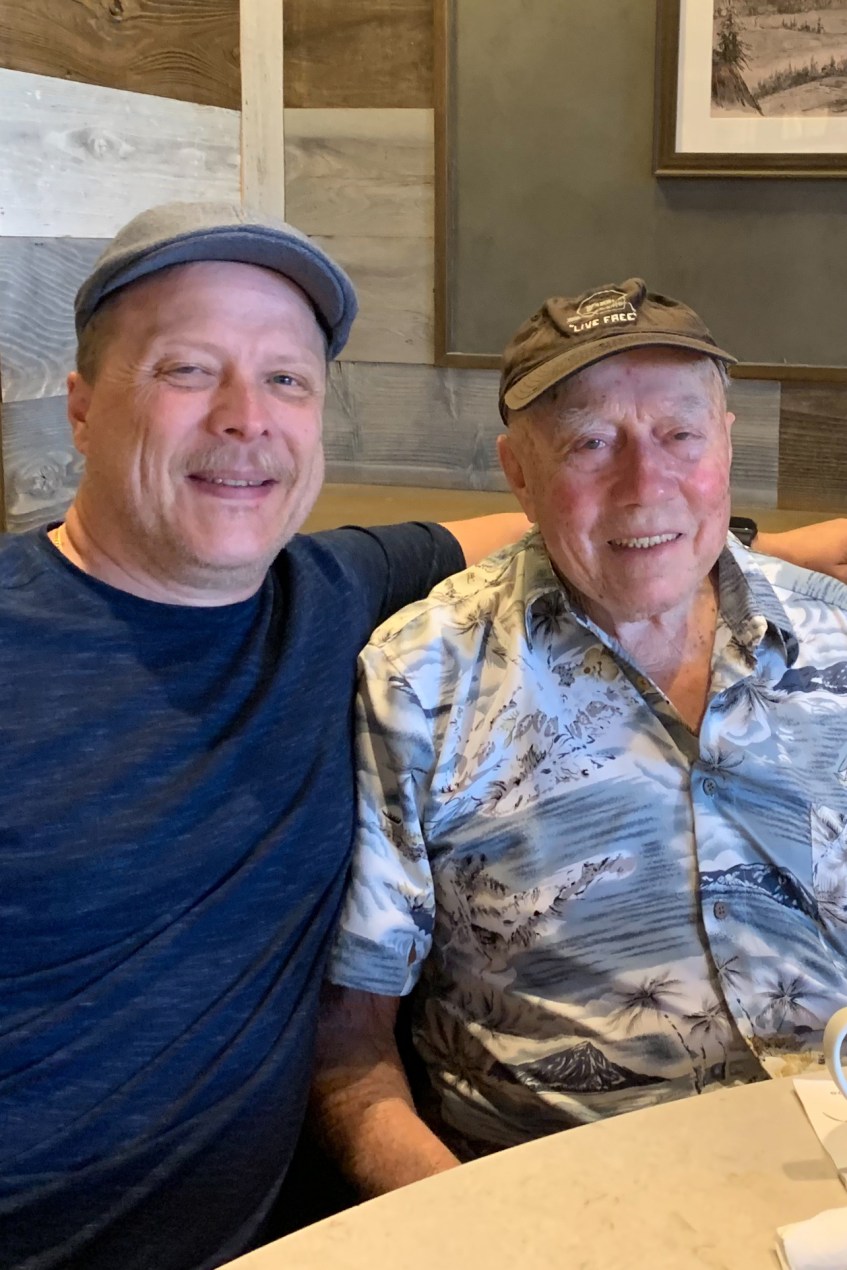
The grim reality of Attilio Cecchetto’s final days paints a stark picture of the escalating crisis in long-term care. Cecchetto, a 92-year-old retired tile installer living with dementia, was placed in a room at Sunrise Post Acute, a nursing home in Banning, California, with Sam Ato Timaloa, a 77-year-old parolee with a history of sex offenses and attempted murder. Timaloa, also suffering from dementia, had an acute intolerance to noise, a known characteristic that led to him being moved eight times within four months. His final room assignment, however, proved fatal. Overwhelmed by Cecchetto’s frequent moaning, mumbling, and yelling—symptoms of his advanced dementia—Timaloa allegedly assaulted him, resulting in blunt force facial trauma. Cecchetto died two days later.
"You get placed in a facility like this to be taken care of, not to be murdered," lamented Gino Cecchetto, one of Attilio’s sons, emphasizing the preventable nature of the tragedy. Timaloa pleaded not guilty to assault, a charge later upgraded to murder. His competency to stand trial is pending a mental health evaluation. PACS Group, the owner of Sunrise, denied negligence, stating their commitment to quality care while expressing condolences to the Cecchetto family.
The case of Attilio Cecchetto is not an isolated incident. A KFF Health News examination of federal inspection reports reveals a disturbing trend of violence within long-term care facilities, ranging from impoverished nursing homes to luxurious assisted living centers. Residents have resorted to physical aggression, using a variety of objects as weapons, including canes, walkers, pens, and even wheelchair footrests. The frequency of these altercations nationwide remains largely unknown, but studies suggest a significant prevalence. A Cornell University study estimated that 1 in 7 residents in New York assisted living facilities experienced aggression monthly, with 1 in 5 in nursing homes experiencing similar incidents. Researchers have identified a strong correlation: individuals with dementia are disproportionately likely to be both perpetrators and victims of such violence.
The cognitive decline associated with dementia can severely impair impulse control and threat perception, increasing the likelihood of aggressive behavior. Residents with Alzheimer’s disease and other dementias account for over 900,000 of the 2.2 million individuals residing in these facilities, many of which include specialized memory care units. Often, these violent episodes occur when warning signs are missed or inadequately addressed by facility staff, according to an analysis of court records, police reports, and inspection data.
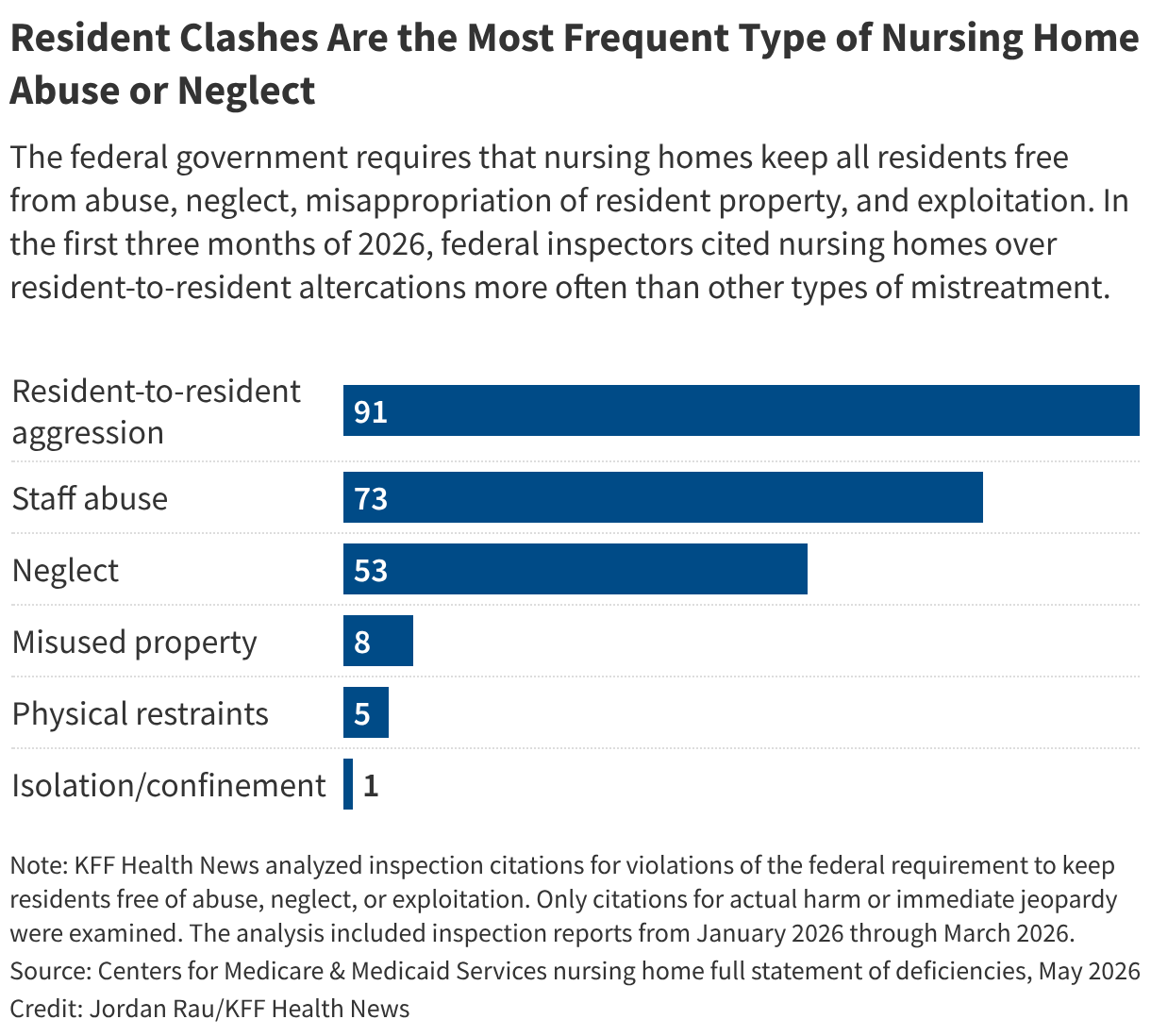
Federal data from the Centers for Medicare & Medicaid Services (CMS) underscores the severity of the issue. Since the start of 2024, nursing homes have been cited at least 700 times for failing to protect residents from physical, sexual, or verbal abuse by other residents. In the first quarter of 2026, resident-to-resident abuse citations surpassed all other forms of abuse, neglect, or exploitation, including those perpetrated by staff.
The long-term care industry, however, argues that preventing every conflict is an insurmountable challenge. Presbyterian Homes & Services, a nonprofit operator, stated, "Caring for individuals living with advanced dementia is complex, and behaviors can change in ways that are difficult to fully predict or prevent, even with clinical interventions in place."
Yet, dementia consultants like Eilon Caspi contend that most altercations stem from an unmet need and that warning signs are frequently present for weeks, days, or even hours leading up to an incident. "In the vast majority of incidents," Caspi noted, "there are warning signs in the months, weeks, days, hours, and sometimes minutes and seconds prior."
The underlying mechanisms of dementia contribute to this heightened risk. Psychological theories suggest that as brain networks deteriorate in diseases like Alzheimer’s, the balance between the prefrontal cortex (responsible for judgment and self-control) and limbic regions (involved in fear and threat processing) shifts. This cognitive impairment can lead to a loss of understanding of surroundings and an inability to articulate distress. Pain, infections, medication side effects, and emotional distress may manifest as shouting, aggressive gestures, kicking, pushing, or punching. The very nature of long-term care facilities—with intimate care often provided by unfamiliar staff, close living quarters, noise, and rigid routines—can become a breeding ground for triggers and flashpoints. As Dr. Al Power, a geriatrician and advocate for alternative care models, observed, "You don’t feel safe, because you don’t know these strangers who are coming in and taking off your clothes. These things will be distressing to anybody."
Studies by Cornell University researchers further quantify the problem. While verbal altercations are the most common, an estimated 4% to 5% of residents in assisted living and nursing homes, respectively, experience physical assaults monthly. Another Cornell study found that police were called to Connecticut nursing homes for resident-to-resident clashes more often than for staff abuse, theft, and wandering combined. A national analysis indicated nearly 8% of assisted living residents engage in physical aggression toward others.

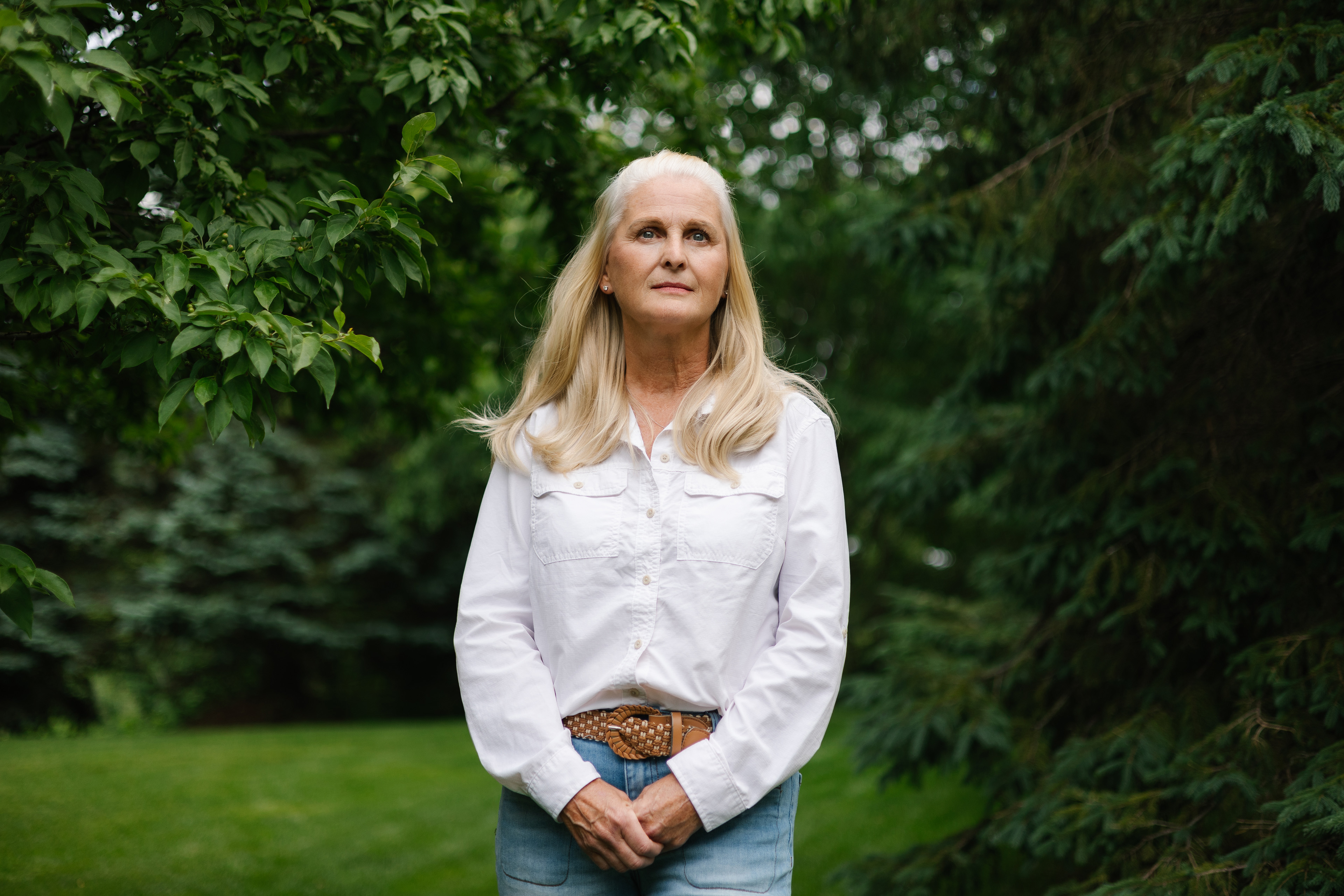
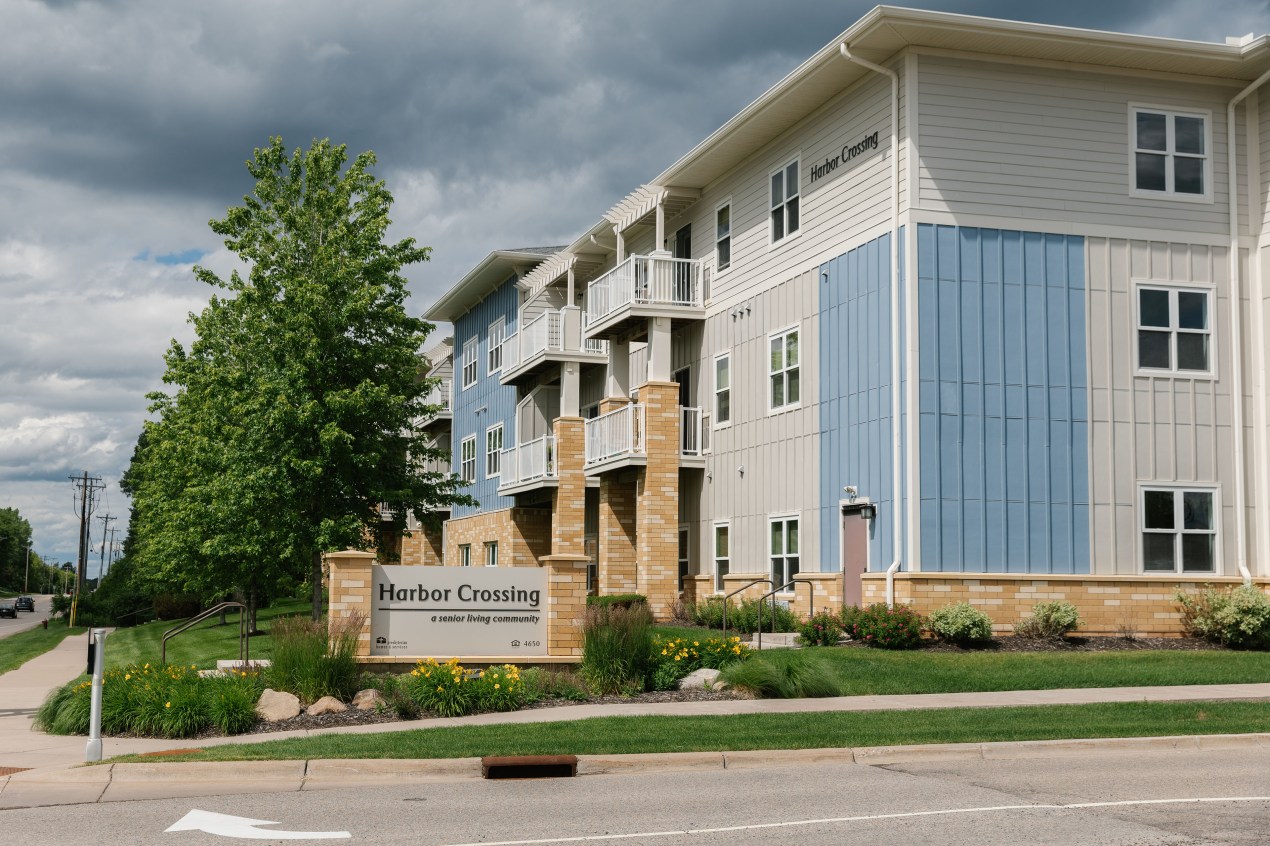
Many of these aggressive acts are perpetrated by residents diagnosed with dementia, schizophrenia, or other cognitive disorders. In some instances, both residents involved are aggressors, while in others, the assault is one-sided. The tragic case of Gladys Lynch, a retired accountant, highlights these vulnerabilities. After transferring to the memory care unit at Harbor Crossing in White Bear Lake, Minnesota, in September 2025, Lynch, who incurred over $10,000 in monthly costs, became a victim. Her daughter, Rebecca Norton, installed web cameras and observed another resident repeatedly entering Lynch’s room, harassing her, and using her belongings. Despite reporting these incidents, the facility’s assurances to lock Lynch’s door proved insufficient.
Unbeknownst to Norton, Harbor Crossing staff had raised concerns about the aggressive resident, who was also new to the unit. Diagnosed with Alzheimer’s, severe dementia with agitation, depression, and anxiety, the woman struggled with confusion, communication, and exhibited aggression toward staff. Aides noted her "ongoing aggression, entered other residents’ apartments, invaded others’ personal space, and was difficult to redirect." They pressed for medication adjustments, with one nurse warning the resident’s doctor that it was "only a matter of time before" she "hurts another resident."
On September 30, 2025, the aggressive resident entered Lynch’s room and resisted leaving. The next morning, she returned. Surveillance video, reviewed by KFF Health News, showed Lynch attempting to guide the woman out and lock her door, but the resident re-entered. Claiming ownership of the room, she used Lynch’s bathroom before returning. Lynch repeatedly pressed her alert pendant for help. As the resident was exiting her own apartment, she attempted to touch an object near the door, prompting Lynch to block her. The aggressive resident then slapped Lynch’s hands, threatened to kill her, and pushed Lynch, causing her to fall and strike her head. Aides arrived 13 minutes after Lynch’s initial call. Lynch suffered a brain hemorrhage and fractures, dying five days later at age 96; the medical examiner ruled it a homicide.

Prosecutors declined to press charges, but a Minnesota Department of Health report concluded Harbor Crossing was negligent for failing to implement effective interventions despite awareness of the resident’s violent behavior. The facility is contesting these findings. Lynch’s family has filed a wrongful death lawsuit against Presbyterian Homes, the owner of Harbor Crossing.
To mitigate such risks, geriatricians, researchers, and advocates recommend proactive strategies: closer supervision of high-risk residents, relocation closer to nursing stations, separation of residents with recurring conflicts, and careful roommate assignments. Comprehensive care plans, staff training on resident triggers, and prompt intervention are crucial. While antipsychotics are sometimes prescribed, they carry significant risks. In cases of understaffing, facilities may require families to hire private aides or resort to extreme measures like emergency room evaluations, psychiatric hospitalizations, or resident discharge. Camille Russell, a former long-term care ombudsman, criticized the industry’s focus on profit over compassionate care, stating, "We’ve gotten too far away from making decisions that are caring decisions. There has to be a balance, and the balance has gotten too far to the profit side."
The consequences of these altercations can be severe. While some result in minor injuries, others lead to permanent damage. Linda Twiddy, a former church secretary with vascular dementia, experienced a devastating kick to her shin during an altercation at The Vero at Chesapeake, a memory care unit, in August 2024. The injury, described as a gaping wound on her shin, necessitated three surgeries, including a skin graft, and a month of rehabilitation. She never regained the ability to walk. The assailant, a male resident with dementia, had a documented history of aggression at a previous facility. His medical records indicated late-onset Alzheimer’s, agitation, anxiety, chronic pain, and difficulty communicating his needs. His behavioral changes were often linked to urinary tract infections.
The Vero denied responsibility, alleging Twiddy’s own negligence contributed to her injuries. Virginia regulators cited The Vero for failing to ensure resident safety and well-being. Twiddy’s family settled a lawsuit against The Vero on confidential terms. Sinceri Senior Living, which operates The Vero, stated their commitment to resident safety.
The investigation into Attilio Cecchetto’s death revealed disturbing details about his roommate, Sam Ato Timaloa, who had prior convictions for rape and attempted murder. It also shed light on the owner, PACS Group, a large publicly traded company. The Cecchettos’ lawsuit against PACS alleges that founders Jason Murray and Mark Hancock drained resources from nursing homes to fund expansion and enrich themselves, citing substantial stock sales and the purchase of luxury assets. California regulators fined Sunrise $120,000 for failing to protect Cecchetto and ignoring Timaloa’s known aversion to noise, while Medicare imposed a $62,810 fine. PACS is contesting the state fine, asserting compliance with regulations. The lawsuit seeks stricter procedures for admissions, staff training, room changes, and incident reporting, along with a court-appointed monitor.
Attilio Cecchetto’s sons—Dino, Gino, and Marco—shared their father’s life story: his childhood in Italy, his emigration to Canada, and his successful career as a tile setter and contractor in California. "We don’t want this to happen to somebody again," Gino Cecchetto stated. "With the life he led, he deserved a quiet, dignified death. Instead, he ended his life in pain and fear." Their desire for justice underscores the urgent need for systemic reform to ensure safety and dignity for all residents in long-term care.
