
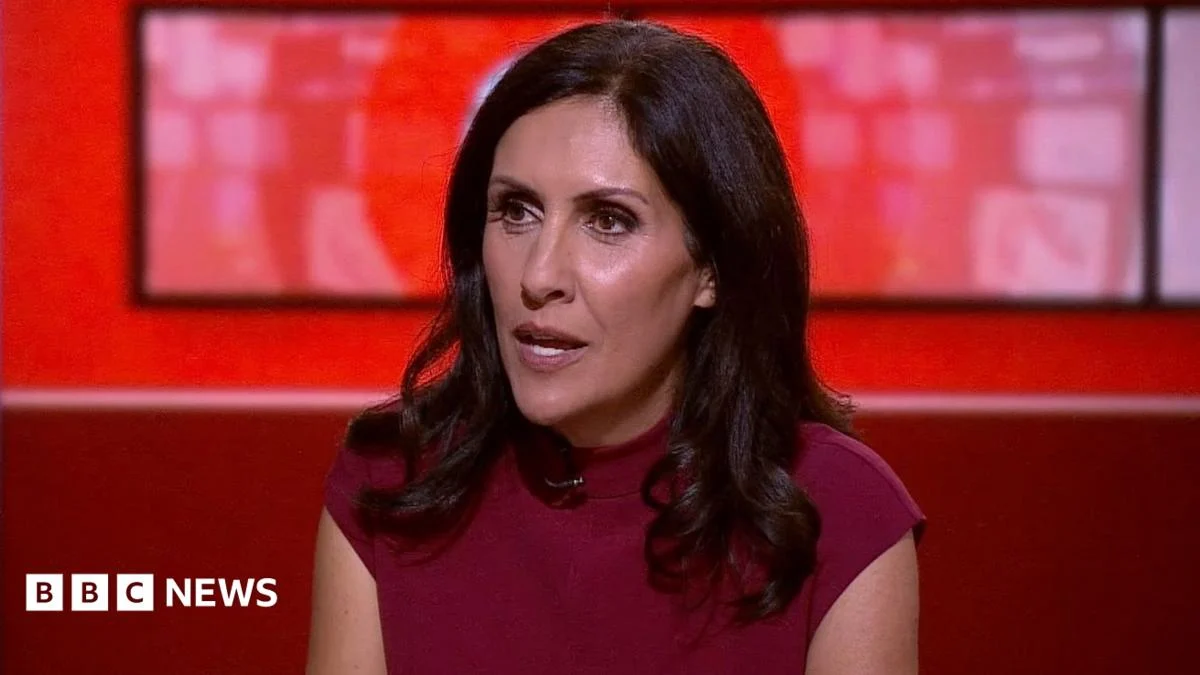
"Diagnosed with a rare, treatable blood cancer, Maryam Moshiri’s story highlights the profound impact of chronic illness and the critical importance of early detection, affirming that while a condition may not be curable, it can be effectively managed for a full life."
BBC News presenter Maryam Moshiri has openly shared intimate details about her two-year journey living with polycythaemia vera (PV), a rare and chronic blood cancer. Her decision to speak out offers a vital glimpse into the realities of managing a lifelong health condition, underscoring the significance of early diagnosis and the ongoing adjustments required to navigate life with an incurable yet treatable disease. Her reflections, shared with colleague Lucy Hockings, provide a powerful narrative that resonates beyond personal experience, shedding light on the broader implications of chronic illness management and patient resilience.
Maryam Moshiri’s diagnosis of polycythaemia vera in November 2024 marked the beginning of a new chapter in her life, characterized by ongoing medical management and a heightened awareness of her health. Polycythaemia vera is classified as a myeloproliferative neoplasm (MPN), a group of rare blood cancers where the bone marrow produces too many blood cells. In PV, the primary issue is an overproduction of red blood cells, though it can also involve white blood cells and platelets. This excess can thicken the blood, increasing the risk of serious complications such as blood clots, strokes, and heart attacks. While the term "cancer" often evokes fear and images of aggressive, life-threatening progression, PV, like many MPNs, is typically a slow-progressing condition that, with proper treatment, can be managed effectively for many years, often allowing individuals to lead full and productive lives.
Moshiri’s candid discussion with Lucy Hockings underscored her fortune in having her condition caught early by her general practitioner. Early detection is paramount in managing PV, as timely intervention can significantly reduce the risk of severe complications. Symptoms of PV can be vague and non-specific, often mimicking those of other, less serious conditions, making early diagnosis challenging. Common symptoms include fatigue, headaches, dizziness, blurred vision, itching (pruritus, often worsened by heat), redness of the skin, and abdominal discomfort due to an enlarged spleen. For many, the diagnosis comes incidentally during routine blood tests that reveal abnormally high red blood cell counts. Moshiri’s experience highlights the critical role of primary care physicians in recognizing subtle indicators and initiating the necessary investigations, potentially averting more severe health crises down the line.
The emotional aftermath of a cancer diagnosis, even for a treatable chronic condition, is profound. Moshiri’s reflections on her feelings post-diagnosis speak to a universal human experience of shock, uncertainty, and the need to process life-altering news. While PV is not typically associated with the aggressive treatment regimens of many other cancers, such as chemotherapy or radiation, it necessitates a fundamental shift in lifestyle and a commitment to lifelong medical oversight. This can involve regular blood tests, medication, and consistent communication with healthcare providers. The psychological burden of living with a chronic illness, the constant awareness of one’s condition, and the potential for future complications can be significant, requiring emotional resilience and robust support systems.
Understanding Polycythaemia Vera (PV) in greater detail is crucial to appreciating Moshiri’s journey and the experiences of others living with this rare disease. The vast majority of PV cases are linked to an acquired mutation in the JAK2 gene (specifically, JAK2 V617F). This mutation leads to uncontrolled production of blood cells in the bone marrow. It is not usually inherited, meaning it is not passed down through families, but rather develops spontaneously during a person’s lifetime. The average age of diagnosis is around 60, though it can occur at any age, including in younger individuals.
Diagnosis typically involves a combination of blood tests, including a complete blood count (CBC) which reveals elevated red blood cell counts (haematocrit and haemoglobin), and often increased white blood cells and platelets. Further tests may include a bone marrow biopsy to examine the bone marrow’s cellularity and structure, and genetic testing for the JAK2 mutation, which confirms the diagnosis in most cases. Exclusion of other conditions that can cause similar blood abnormalities is also part of the diagnostic process.
The primary goal of PV treatment is to reduce the risk of complications, particularly blood clots, and to alleviate symptoms. Management strategies are tailored to the individual and often involve:
- Phlebotomy: Regular removal of blood, similar to blood donation, to reduce the red blood cell count and blood viscosity. This is often the first line of treatment and can effectively control the haematocrit levels.
- Low-dose Aspirin: To reduce the risk of blood clots by inhibiting platelet aggregation.
- Cytoreductive Medications: Drugs like hydroxyurea are used to suppress bone marrow production of blood cells, particularly in patients who cannot tolerate phlebotomy or have very high blood counts or severe symptoms. Other medications include interferon-alpha, which can be particularly useful for younger patients, and ruxolitinib, a JAK inhibitor, which targets the JAK2 pathway and is used for patients who are intolerant or resistant to hydroxyurea, or those with significant splenomegaly or constitutional symptoms.
Living with PV means embracing a new normal. The "rest of her life" will undoubtedly be affected, not just by the medical treatments but also by the need for continuous self-monitoring, adherence to medication schedules, and regular medical appointments. Lifestyle adjustments, such as maintaining good hydration, avoiding smoking, and engaging in regular, moderate exercise, also play a role in managing the condition and overall well-being. The chronic nature of PV means that patients often develop a close, long-term relationship with their haematologist, who monitors their condition, adjusts treatments as needed, and addresses any emerging symptoms or complications.
Moshiri’s public disclosure holds significant implications beyond her personal journey. For the rare disease community, particularly those with PV and other MPNs, her story serves as a powerful beacon of awareness and destigmatization. Rare diseases often suffer from a lack of public understanding, making patients feel isolated. When a prominent public figure shares their experience, it elevates the condition into public consciousness, encouraging dialogue and potentially leading to earlier diagnoses for others. It also provides a relatable face to an often-invisible struggle, fostering a sense of community and shared experience among patients.
Furthermore, Moshiri’s openness contributes to a broader conversation about chronic illness and mental health. Living with a lifelong condition, even one that is manageable, can take a toll on mental well-being. Anxiety about future progression, the side effects of medication, and the constant reminder of one’s vulnerability can lead to stress, depression, or feelings of isolation. Public figures sharing their vulnerability can help normalize these feelings and encourage others to seek psychological support if needed, fostering a more holistic approach to chronic disease management that encompasses both physical and mental health.
Her story also underscores the importance of patient advocacy and research. Increased awareness can translate into greater funding for research into MPNs, leading to better diagnostic tools, more effective treatments, and ultimately, improved outcomes for patients. It also empowers individuals to be proactive in their own health, to ask questions, seek second opinions, and advocate for the best possible care.
While PV cannot be cured, ongoing research continues to explore new therapeutic avenues, including novel targeted therapies that aim to more specifically address the underlying genetic mutations driving the disease. The landscape of MPN treatment is constantly evolving, offering hope for even better long-term management and improved quality of life for patients.
In conclusion, Maryam Moshiri’s decision to share her journey with polycythaemia vera is a testament to her resilience and a significant contribution to public health awareness. Her experience highlights the critical role of early detection, the ongoing commitment required for chronic disease management, and the profound impact a diagnosis can have on an individual’s life. By speaking openly about living with a rare, treatable blood cancer, she not only demystifies the condition but also champions the importance of vigilance, proactive healthcare, and the enduring human spirit in the face of lifelong challenges. Her narrative serves as a powerful reminder that living well with a chronic condition is not just possible, but achievable with knowledge, care, and unwavering support.
