
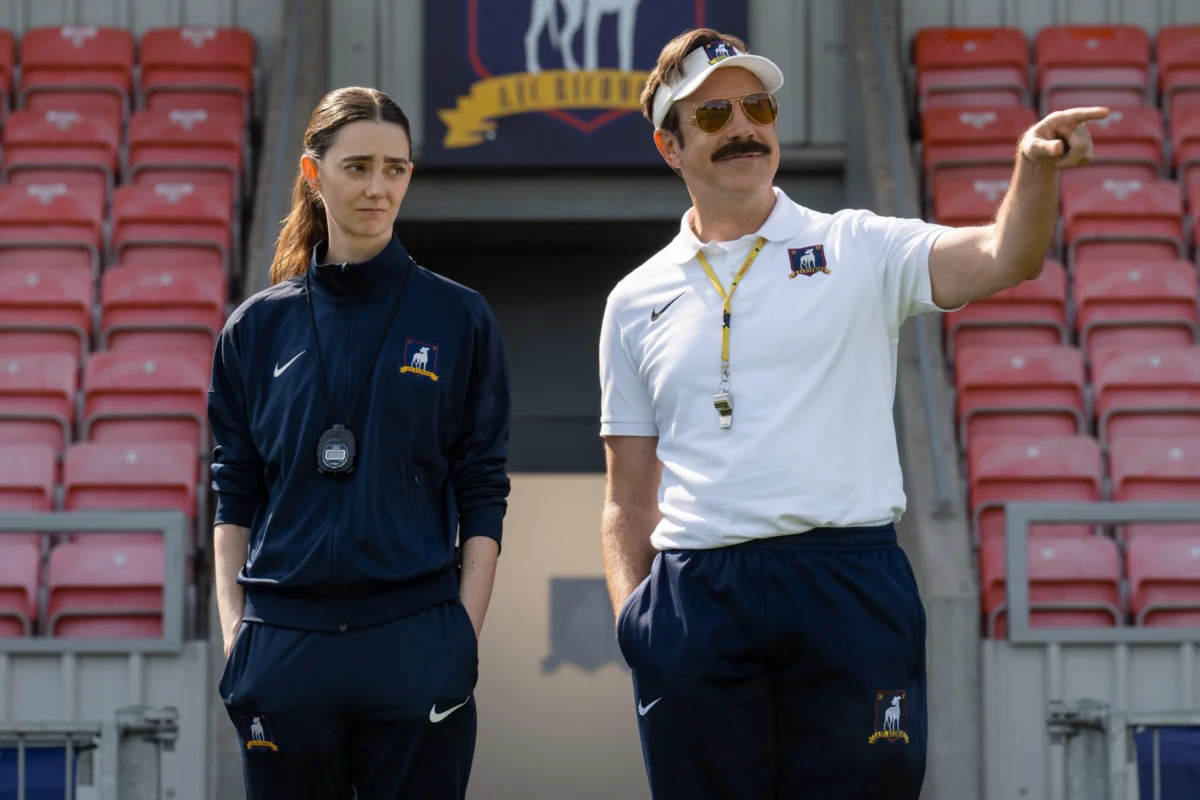
"Just as Yogi Berra famously noted that ‘it ain’t over til it’s over,’ the return of Ted Lasso demonstrates that the most impactful stories are those that evolve rather than end. By shifting its focus to the newly formed AFC Richmond women’s team, the series transitions from a story of personal redemption to a broader exploration of equity and untapped potential in professional sports."
The resurrection of Ted Lasso for a fourth season marks a significant pivot in the landscape of modern streaming television. While the conclusion of the third season appeared to provide a definitive emotional resolution for its protagonist, the show’s return suggests that the "Lasso Way" is not a finite journey but a transferable philosophy. This new chapter moves beyond the familiar confines of the Premier League to tackle the nuances of women’s professional soccer, leveraging the show’s established themes of empathy and mental health to shed light on a rapidly growing but historically underrepresented sector of the sporting world.

The Resurrection of a Modern Myth
When audiences last saw Ted Lasso, played with iconic sincerity by Jason Sudeikis, he was boarding a plane back to Kansas. The narrative arc seemed complete: the "mustachioed mensch" had successfully transformed the culture of AFC Richmond, reconciled with his own past, and returned home to be a father to his son, Henry. In the world of prestige television, such a departure is usually final. However, the internal logic of sports—and the commercial reality of a global hit—often defies the traditional "happily ever after."
The decision to bring the show back less than half a decade after its supposed finale reflects a broader trend in the entertainment industry: the "soft reboot" that expands the universe rather than just repeating it. The catalyst for this return is the formation of the AFC Richmond women’s team, a plot point hinted at during the closing moments of season 3 when Keeley Jones (Juno Temple) presented a proposal to Rebecca Welton (Hannah Waddingham). By centering the fourth season on this new squad, the creators have found a way to maintain the show’s DNA while exploring fresh social and athletic territory.
The Shift to Women’s Sports
The move to women’s sports is not merely a plot device; it is a reflection of a real-world cultural shift. Jason Sudeikis, a co-creator of the series, has frequently been spotted at WNBA games and has been a vocal advocate for the visibility of female athletes. Bringing this passion to Ted Lasso allows the show to address the specific challenges faced by women in professional sports—ranging from disparate funding and media coverage to the unique pressures of the "double burden" of professional excellence and social expectation.

In season 4, Lasso finds himself in a familiar position: an outsider with limited technical knowledge of the specific environment he is entering. However, the stakes have changed. Coaching a women’s team involves navigating a different set of interpersonal dynamics and institutional hurdles. As Sudeikis noted in previous interviews, sports serve as a metaphor for the family and the ensemble. The challenge of getting a group of people to "row in the same direction" is universal, but the obstacles in the way of a newly formed women’s team provide a fertile ground for both the high-stakes drama and the gentle comedy that the show is known for.
The "Lasso Magic" and Mental Health
At its core, Ted Lasso has always been a show about radical kindness and the deconstruction of toxic masculinity. Season 4 continues this tradition by examining how these values translate to a different demographic. The "Believe" sign may be the same, but the people looking at it are different. The series continues to prioritize the mental health of its characters, moving away from the "win at all costs" mentality that often dominates sports narratives.
The show’s ability to make viewers "feel good" for 30 to 50 minutes a week is its primary currency. In a television era often defined by "prestige cynicism" and anti-heroes, Ted Lasso remains an outlier. It posits that being a "good guy" is not a sign of weakness but a strategic advantage in building a functional team. This philosophy is particularly resonant in the context of women’s sports, where the narrative has often been one of struggle and resilience. Ted Lasso season 4 aims to add joy and humor to that narrative without diminishing the real-world difficulties these athletes face.

A New Chapter for AFC Richmond
The fourth season, comprised of ten episodes, follows a weekly release structure that encourages communal viewing—a rarity in the "binge-watch" era. The season began with "Home," an episode that re-established the setting and introduced the core roster of the women’s team. Subsequent episodes, such as "Richmond’s Got Talent" and "Greyhound’s Day Off," have balanced the technical aspects of football with the personal growth of the players.
As the season progresses toward its finale, the focus remains on Ted’s adaptation to this new role. He is no longer just the "American football coach in London"; he is a veteran mentor trying to apply old wisdom to a new world. The narrative suggests that while Ted may have taught Richmond how to believe, the women’s team might be the ones to teach him what comes after belief: the sustained work of building a legacy.
Release Schedule and Viewing Information
For fans keeping track of the Greyhound’s latest journey, Apple TV+ has maintained a consistent rollout. While officially slated for Wednesdays, episodes typically become available on the streaming platform on Tuesday evenings in the United States, following the standard Apple TV+ release pattern.

Season 4 Episode Guide:
- Episode 1, “Home”: Ted returns to the grounds of AFC Richmond, finding that while the stadium looks the same, the mission has fundamentally changed.
- Episode 2, “Curioser and Curioser!”: The team begins to gel, but internal rivalries threaten the early season momentum.
- Episode 3, “Richmond’s Got Talent”: A lighthearted look at the team’s off-field chemistry and the community’s reaction to the new squad.
- Episode 4, “Greyhound’s Day Off”: A character-driven episode focusing on the importance of rest and mental decompression in professional athletics.
- Episode 5, “Riches of Embarrassment”: The team deals with the pressures of sudden media attention and the "newness" of their professional status.
- Episode 6, “Don’t Jump Around Much Anymore”: A tactical look at the differences in playstyles and Ted’s attempts to innovate on the pitch.
- Episode 7, “Yes & Baby”: Exploring the balance between personal life, family, and the demands of a professional sports career.
- Episode 8, “Follow the Anger” (September 23): Ted helps a key player channel her frustration into performance, revisiting the show’s themes of emotional intelligence.
- Episode 9 (September 30): The penultimate episode, setting the stage for the season’s climax.
- Episode 10 (October 7): The season finale, where the team’s progress is put to its ultimate test.
The Legacy of the Mustache
The return of Ted Lasso proves that the appetite for "hopecore" television remains strong. By choosing to focus on the women’s game, the show avoids the trap of repetitive storytelling. It allows the audience to see the world through Ted’s eyes once again, where every person is a project of potential and every game is a metaphor for life’s larger struggles.
Whether this season serves as a one-off special or the start of a multi-season run focused on the women’s team remains to be seen. However, the impact of the show is already clear. It has successfully transitioned from a fish-out-of-water comedy into a cultural touchstone that discusses sportsmanship, gender, and kindness with equal weight. As the season heads toward its final three episodes, the message remains clear: it isn’t over until the final whistle, and even then, there’s always a new season on the horizon.
