
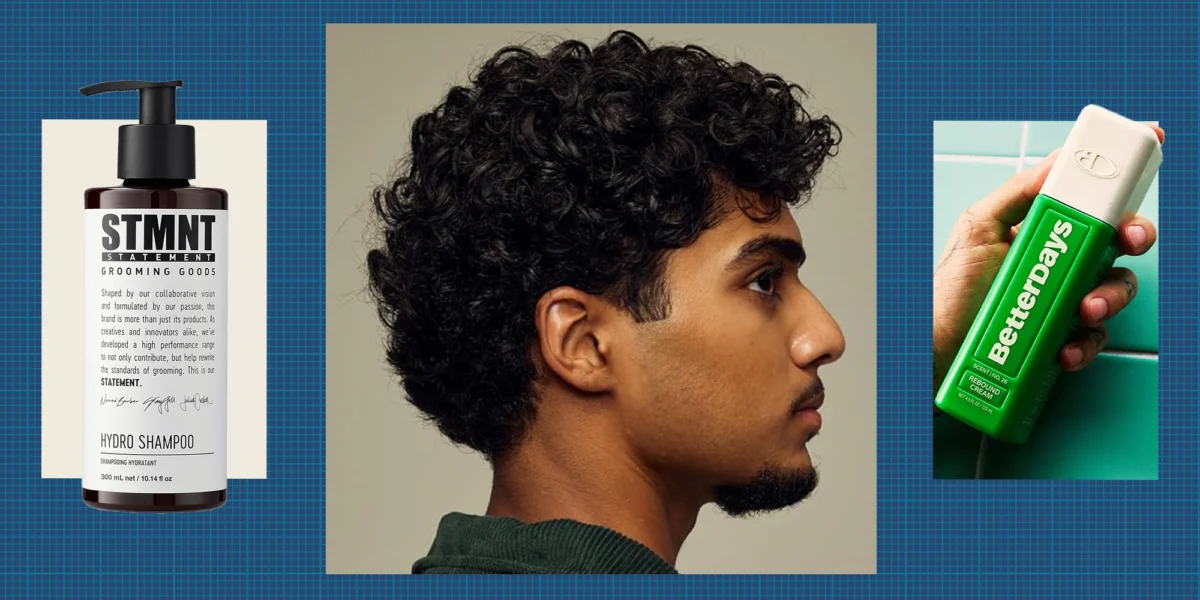
"Winter transforms curly hair care from a routine of style into a regimen of survival, where moisture retention and friction reduction are the primary defenses against environmental damage. By transitioning from aggressive cleansing to a moisture-focused protective strategy, men can maintain curl definition and hair health even in the harshest climates."

The unique structure of curly hair makes it inherently more vulnerable to environmental stressors than straight hair, a reality that becomes starkly apparent during the winter months. While the summer presents challenges like humidity and UV exposure, the combination of freezing outdoor winds and dry indoor heating creates a dehydrating "pincer movement" that strips curls of their natural elasticity. Understanding the physiological needs of the hair follicle and the mechanical impact of winter lifestyle choices is essential for any man looking to preserve his mane’s integrity. This guide explores the science of curl maintenance, offering a sophisticated blueprint for navigating the coldest season without sacrificing texture or health.
The Anatomy of the Winter Curl Dilemma
To manage curly hair effectively in winter, one must first understand its biological architecture. Unlike straight hair, where the sebum (natural oil) produced by the sebaceous glands can easily travel down a smooth, vertical shaft, curly hair features bends, twists, and coils that act as physical roadblocks. This means the mid-lengths and ends of curly hair are perpetually starved for moisture.

When winter arrives, the dew point drops significantly. Dry air acts like a sponge, pulling moisture out of any porous surface it touches—including the hair shaft. Simultaneously, indoor forced-air heating systems further deplete ambient humidity. The result is a raised hair cuticle, which leads to the dreaded "frizz" effect as the hair reaches out into the atmosphere for moisture that isn’t there. This lack of hydration makes the hair brittle, increasing the risk of "weathering," a term dermatologists use to describe the progressive damage from the root to the tip.
The Cleansing Paradigm: Rethinking the Wash Cycle
The most common mistake in a men’s grooming routine is over-shampooing. In winter, this habit is particularly destructive. Most commercial shampoos contain harsh surfactants like sodium lauryl sulfate, which are designed to strip away oils. While this may provide a "squeaky clean" feeling, it destroys the lipid barrier necessary for curl clump formation.

During the winter, the frequency of shampooing should be dictated by scalp health rather than habit. If the scalp is not excessively oily, extending the time between washes allows natural sebum to provide a protective coating. When washing is necessary, the focus must be on the scalp rather than the hair itself. Massaging a moisturizing, sulfate-free shampoo into the skin of the head removes debris without further dehydrating the ends. Furthermore, the temperature of the water plays a critical role; excessively hot water can cause the hair cuticle to swell and lift, leading to immediate moisture loss. Lukewarm water is the professional standard for preserving the hair’s structural integrity.
Deep Conditioning and the Science of Penetration
While a daily conditioner provides surface-level slip and detangling, winter requires a more intensive intervention. Deep conditioning masks are formulated with smaller molecular structures and higher concentrations of emollients that can penetrate the cuticle to the cortex of the hair.

When selecting a deep conditioner, look for a balance of humectants, which draw moisture in, and occlusives, which seal it. Ingredients such as shea butter and argan oil are prized for their fatty acid content, which mimics the hair’s natural lipids. Fatty alcohols, such as cetyl or stearyl alcohol, act as emollients that provide a smooth texture without the drying effects of simple alcohols like isopropyl. For men with finer curls, lightweight formulas are necessary to prevent the hair from appearing "weighed down" or greasy, whereas those with thicker, coarser "Type 4" coils benefit from richer, butter-based treatments. A weekly twenty-minute application can drastically improve the hair’s tensile strength.
The Leave-In Layer: A Barrier Against the Elements
The application of a leave-in conditioner is perhaps the most vital step in a winter routine. Think of a leave-in treatment as a base layer of clothing for the hair. Applied to damp hair immediately following a shower, it provides a continuous source of hydration throughout the day.

In the winter, this step is non-negotiable because it provides the "slip" needed to prevent tangles caused by high-collar coats and scarves. Following the leave-in treatment with a styling cream or gel creates what is known as a "cast"—a protective layer that holds the curl’s shape while it dries. This prevents the cold air from disrupting the curl pattern. It is important to find a balance; the goal is a "bouncy" aesthetic. Over-applying heavy waxes or pomades in winter can lead to product buildup, which eventually blocks moisture from entering the hair shaft altogether.
Mechanical Damage: Drying and Friction
How hair is dried is often more important than the products applied to it. When hair is wet, it is in its most fragile state. The standard practice of vigorously rubbing the head with a terry-cloth towel creates massive amounts of friction. On a microscopic level, this tears at the cuticle and creates a "frizz" that no amount of product can fully fix.

The professional alternative is "plopping" or gently squeezing the hair with a microfiber towel or a plain cotton T-shirt. These materials have a smoother weave that absorbs water without snagging the hair fibers. For those who cannot afford the time for air-drying, using a hair dryer with a diffuser attachment is mandatory. A diffuser spreads the airflow over a wider area, allowing the hair to dry in its natural shape rather than being blown into a chaotic mess. Using low heat and a heat protectant spray is essential to prevent "bubble hair," a condition where water inside the hair shaft boils and creates permanent structural damage.
Protecting the Texture: The Impact of Apparel and Sleep
Winter fashion is often the secret enemy of curly hair. Woolen beanies and cotton-lined hats are highly absorbent and abrasive. As the head moves, these fabrics rub against the hair, causing breakage and "hat hair"—a flattening of the curl volume that is difficult to revive.

The solution is a transition to silk or satin. A satin-lined beanie provides the warmth of a traditional hat while allowing the curls to glide smoothly against the interior surface. This principle extends to the bedroom. Traditional cotton pillowcases act like a vacuum for moisture and create friction as you move in your sleep. Swapping to a satin pillowcase or wearing a silk durag or bonnet preserves the curl definition overnight, reducing the need for a full wash the following morning. While some may view these additions as "high maintenance," they are practical tools for hair longevity.
Inter-Wash Maintenance and Environmental Control
On days when the hair is not washed, it often loses its shape due to the "crushing" effect of sleep or headwear. Rather than restarting the entire process, curls can be "refreshed." A light misting of water can reactivate the water-soluble styling products already present in the hair. By gently "scrunching" a small amount of leave-in conditioner into the damp sections, the curl’s memory is triggered, and the shape is restored.

Furthermore, the environment inside the home should be managed. Utilizing a humidifier in the bedroom or workspace adds moisture back into the air, preventing the hair (and skin) from becoming parched. This systemic approach ensures that the hair is being cared for 24 hours a day, rather than just during the ten minutes spent in the bathroom.
Specialized Product Recommendations for the Season
To execute this routine effectively, specific product formulations are recommended for their ability to withstand winter conditions. For daily styling, the Wavy Everyday Curl Cream or STMNT Grooming Goods Curl Cream offer a balance of hold and hydration. For those facing high winds, the Cecred Strong Hold Gel provides the necessary structure to keep curls from unraveling.

If volume is a concern—often an issue when hair is weighed down by heavy winter products—Feel Confident Thickening Foam can provide lift without sacrificing moisture. For a more natural, matte finish that still offers protection, the Highland Glacial Hair Styling Cream and Shear Revival Curl Defining Cream are excellent options that utilize plant-based ingredients to mimic the hair’s natural oils.
By adopting these specialized techniques and being mindful of the unique physics of the curl, men can navigate the winter months with hair that remains healthy, defined, and resilient. The transition from summer to winter grooming is not merely a change in products, but a fundamental shift in how one protects the hair from the elements.
