
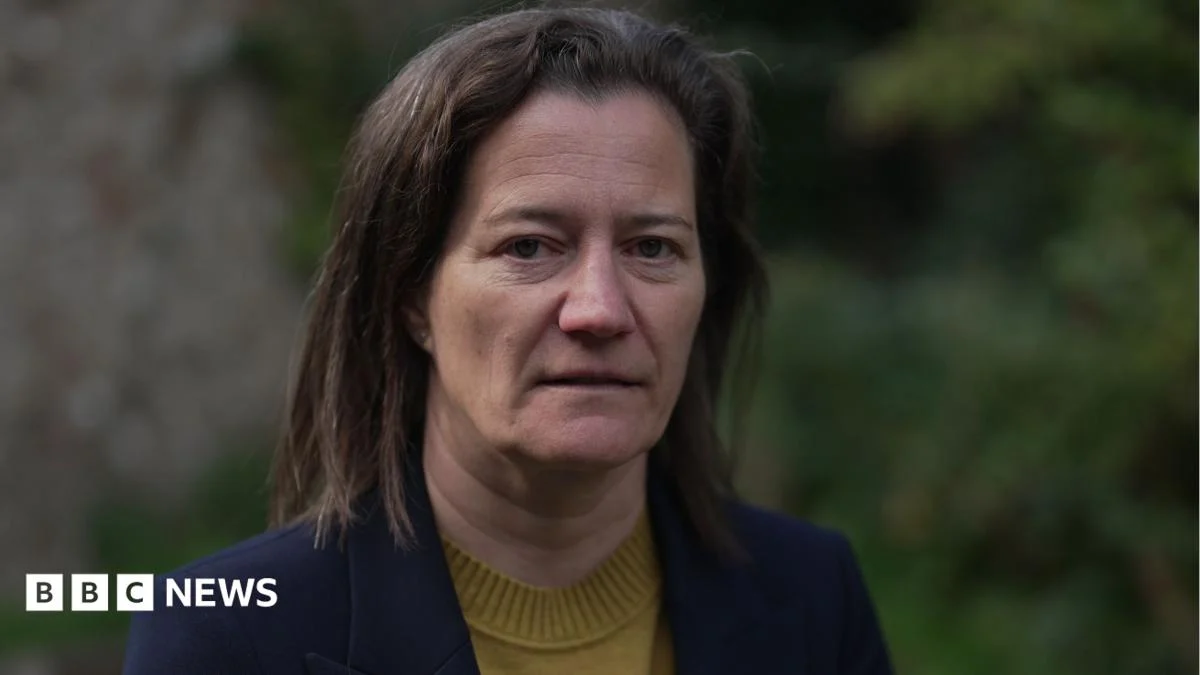
A dedicated safeguarding doctor was allegedly silenced and investigated for raising patient safety concerns regarding gender identity care, an ordeal that tragically foreshadowed an NHS investigation finding dozens of children were inappropriately prescribed drugs.
Dr. Sarah Redvers, a highly experienced safeguarding GP, claims she was subjected to accusations of transphobia, bullying, and harassment, ultimately forcing her out of her crucial child protection role within the NHS. Her ordeal began when she escalated concerns from other medical professionals about the assessment and treatment of young people questioning their gender identity. This personal battle for Dr. Redvers has now been brought to public light through an employment tribunal, unfolding against the backdrop of a subsequent major NHS safety investigation that corroborated many of the systemic issues she initially flagged years prior.
Dr. Sarah Redvers, who served as a named safeguarding GP for Sussex, held a vital position designed to ensure the safety and well-being of vulnerable patients, particularly children. Her role meant she was a trusted point of contact for other doctors who had concerns about patient care and safety, offering advice and facilitating appropriate action. With years of experience working with vulnerable groups, Dr. Redvers understood the profound responsibility of her role and the ethical imperative to address any potential risks to patients.
Her concerns first surfaced in July 2020, when a fellow doctor approached her seeking advice. The doctor was worried about a vulnerable 18-year-old female, distressed about her gender, who had engaged with an online clinic registered overseas. This clinic was seeking to offload the ongoing prescription of testosterone to the patient’s local GP. Compounding this concern, the referring doctor had also received prescribing advice from Dr. Sam Hall, a Brighton GP, who was recommending treatment for patients he had neither assessed nor met. Dr. Redvers immediately identified this as a significant safeguarding issue, flagging that other GPs were deeply uncomfortable with prescribing based on such remote, unverified recommendations.
Acting in accordance with her safeguarding duties, Dr. Redvers contacted NHS England (NHSE) and was advised to formalise her complaint as a whistleblower. Whistleblowing in the NHS is a protected activity, intended to allow staff to raise concerns about patient safety or wrongdoing without fear of reprisal. However, the initial investigation by NHSE concluded that Dr. Hall’s practice was satisfactory, seemingly dismissing the gravity of the concerns raised. This early response by the health authority would later be seen as a missed opportunity to intervene before further issues escalated.
Over the subsequent months, several other GPs continued to voice similar concerns to Dr. Redvers regarding the quality of assessments, the appropriateness of prescribing puberty-blocking drugs and cross-sex hormones, and the glaring absence of specialist supervision at the WellBN clinic, where Dr. Hall was based. These drugs carry significant, sometimes irreversible, effects and their prescription to minors is a complex area requiring rigorous assessment and a multidisciplinary approach, especially given the evolving evidence base and guidance. Dr. Redvers escalated these renewed concerns, prompting a second NHS investigation. During this period, she was explicitly warned by the investigator about a "general worry" that "there would be allegations of transphobia." This warning underscored a chilling atmosphere where legitimate medical concerns risked being conflated with prejudice, potentially deterring healthcare professionals from speaking out.
Dr. Sam Hall, a trans man who qualified as a GP in 2019, was publicly known as a campaigner for transgender rights in Brighton. He advocated for "affirmative care," a model of support that accepts and affirms a patient’s preferred gender identity, with treatment decisions typically following from that affirmation. His personal experience, he stated, had shown him the importance of this approach. Furthermore, Dr. Hall was actively involved with local NHS initiatives to establish a Trans Health hub and collaborated with The Clare Project, a Brighton-based trans support charity. This context is crucial to understanding the sensitive environment in which Dr. Redvers’ safeguarding concerns were raised, and why accusations of transphobia could readily emerge.
Despite the mounting concerns, the second NHS investigation, which claimed to consider "the full scope" of Dr. Hall’s work, again concluded there was no cause for concern. Adding insult to injury for Dr. Redvers, the report noted "one colleague whose persistent interest in the issue appeared disproportionate," a remark she interpreted as a direct criticism of her. Dr. Redvers vehemently countered that her and her colleagues’ concerns were exclusively about the quality of medical care, the evidence underpinning treatments, and proper patient assessment – particularly for a complex and vulnerable patient group – not about her personal views on gender. She viewed any suggestion of transphobia as "appalling" and "dangerous," asserting that such claims were obscuring critical medical and safeguarding issues.
In 2021, prompted by a new concern raised by local mental health services about the care of a vulnerable 15-year-old, and while still awaiting the outcome of the second internal investigation, Dr. Redvers escalated her concerns to the medical regulator, the General Medical Council (GMC). This professional referral was met with a swift and powerful reaction from Dr. Hall, who directly emailed Adam Doyle, then chief executive of NHS Sussex Integrated Care Board (ICB). Dr. Hall’s email accused Dr. Redvers of victimisation, stating, "I am being victimised here, and I need proper protection from this individual and their repeated attempts to disrupt my career." While Mr. Doyle initially denied prior knowledge of Dr. Hall during the tribunal, it later emerged that he had previously held several mentoring meetings with the GP, raising questions about potential conflicts of interest or undue influence in the subsequent events.
The GMC investigation into Dr. Hall did not proceed. However, in a stark reversal of roles, the NHS launched an external investigation into Dr. Redvers herself. The employment tribunal heard Dr. Redvers describe the ensuing four-hour interrogation as "brutal," "oppressive," and "very upsetting." She felt she was given no opportunity to adequately explain her position and broke down during the session. The profound stress and trauma of this process led to Dr. Redvers being off sick for several months, requiring treatment for trauma. Other colleagues interviewed as part of the investigation into Dr. Redvers also complained about the conduct of the process, and the NHS subsequently upheld most of their complaints. The investigation ultimately concluded that the CEO and trust should apologise to Dr. Redvers and, critically, warned that her treatment would have a "broader negative impact" on the willingness of other staff to raise concerns – a direct acknowledgement of the chilling effect.
Despite the formal apology following the grievance outcome in 2022, Dr. Redvers’ difficulties persisted. In 2023, during an NHS meeting, a trans campaigner suggested she was transphobic. Dr. Redvers testified at the tribunal that she felt the NHS did not adequately support her in the face of this public accusation. Feeling utterly unsupported and unable to continue her vital safeguarding work within such an environment, she concluded she had no choice but to resign from her position as a safeguarding GP. This decision forms the basis of her constructive dismissal claim against NHS Sussex ICB and Adam Doyle.
Tragically, Dr. Redvers’ early warnings were later vindicated by a separate, independent NHS safety investigation. Around the time of her departure, a growing chorus of parents, school governors, and social workers began raising concerns about the WellBN practice and Dr. Hall. In June 2026, nearly six years after Dr. Redvers first raised her initial concerns, this investigation found that dozens of children, some as young as 13, had been inappropriately prescribed drugs at the WellBN practice. The report detailed that 78 children had potentially been harmed, having received puberty-blocking drugs and cross-sex hormones without proper checks and specialist oversight. NHS England publicly stated that it was "totally unacceptable young people were put at risk of harm because some practitioners at the WellBN practice provided care they were not commissioned to deliver by the NHS." For Dr. Redvers, reading about this medical scandal was deeply upsetting, knowing it "could have been stopped" had her appropriately raised concerns been heeded by leadership years earlier.
This case highlights the critical importance of robust whistleblowing protections and a culture of psychological safety within healthcare organisations. Safeguarding professionals like Dr. Redvers are the frontline defence for vulnerable patients, and their ability to raise concerns without fear of reprisal is paramount. When whistleblowers are instead accused, investigated, and ultimately forced out, it sends a dangerous message that prioritises institutional defence over patient safety. The delay between Dr. Redvers’ initial warnings and the eventual NHS safety investigation, which confirmed widespread inappropriate prescribing, represents a systemic failure with potentially severe consequences for young patients.
The landscape of gender identity healthcare for young people is complex and rapidly evolving, requiring the highest standards of medical assessment, multidisciplinary input, and ethical prescribing. Debates surrounding "affirmative care" models versus more cautious, watchful waiting approaches underscore the need for rigorous evidence, transparent guidelines, and comprehensive specialist pathways. The concerns raised by Dr. Redvers focused on these foundational principles of medical practice – proper assessment, adequate supervision, and an evidence-based approach – rather than challenging the validity of gender identity itself.
Dr. Redvers now awaits the outcome of her employment tribunal, which could take several months. She described her experience as "personally and professionally difficult," emphasising that the NHS "needs to remember that patients come first" and must "listen to staff who raise legitimate concerns." Her case serves as a poignant reminder of the personal cost of speaking truth to power within large institutions.
In response to the allegations, NHS Surrey and Sussex stated, "We recognise that some employment processes should have been handled differently and have apologised whilst Dr Redvers was employed with us, before, and during the hearings. We await the findings of the tribunal to make any further comment." NHS England further clarified that when concerns about prescribing practices were escalated to national directors in 2023, formal investigations were initiated, leading to WellBN being asked to cease providing specialised prescribing services. This, they stated, led to the independent patient safety investigation in 2025. WellBN, in response to the June 2026 investigation report, acknowledged "the seriousness and sensitivity of the matters raised" and affirmed its priority remains "providing compassionate, safe and effective care for all patients." Dr. Sam Hall and WellBN have been contacted for comment regarding the proceedings.
The long shadow cast by this case underscores the need for profound systemic change within the NHS to foster an environment where safeguarding concerns are genuinely heard, thoroughly investigated, and acted upon without fear or favour. The tragic delay in addressing the issues at WellBN, and the professional ordeal of Dr. Redvers, serve as a stark lesson in the profound human and organisational cost when whistleblowers are silenced and patient safety is compromised.
