
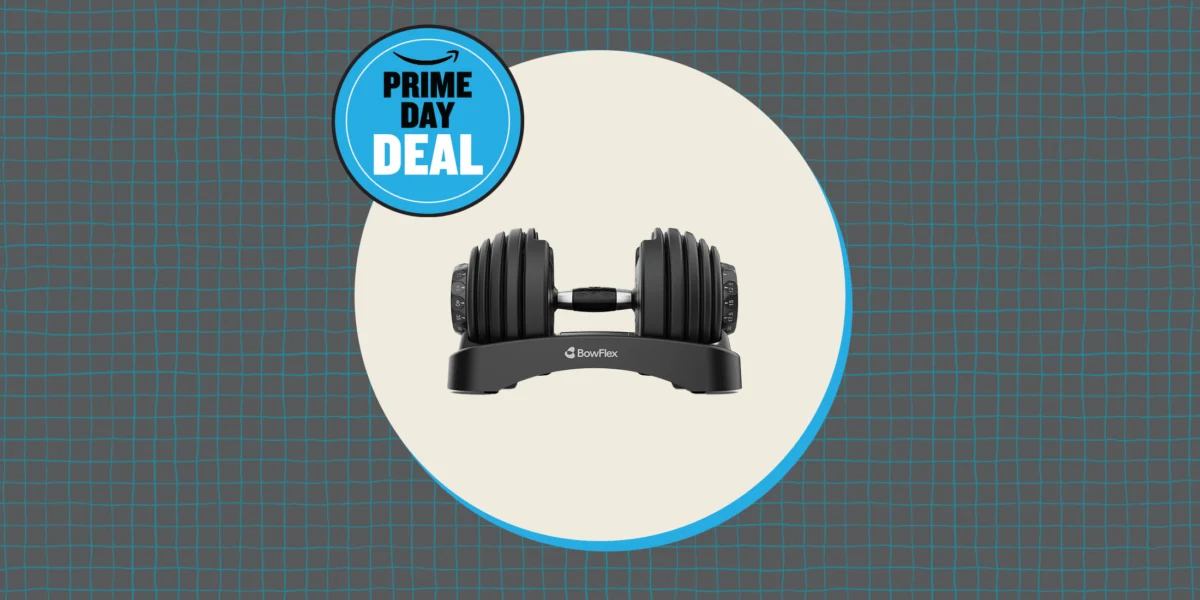
"The transition of the adjustable dumbbell from a plastic-heavy novelty to a steel-reinforced essential has redefined the economics of home fitness, offering the utility of an entire weight rack within the footprint of a single pair."
The rapid advancement in home fitness technology has transformed the way consumers approach strength training, shifting the focus from bulky, commercial-grade installations to space-saving, high-performance equipment. Central to this shift is the Bowflex SelectTech 552 adjustable dumbbell, a product that has undergone significant iterative improvements to address historical concerns regarding durability and mechanical reliability. By replacing early-generation plastic components with robust steel internals and refining the dial-based weight selection mechanism, Bowflex has created a bridge between the convenience of home-use gear and the tactile feedback of professional gym equipment.
The Historical Context of Resistance Training at Home
For decades, the primary barrier to effective home strength training was the logistical nightmare of weight management. Traditional fixed-weight dumbbells require significant square footage; a standard set ranging from 5 to 50 pounds in five-pound increments occupies a rack several feet long and represents a substantial financial investment. Early attempts to solve this through adjustable "spin-lock" collars or threaded bars were often met with frustration due to the time-consuming nature of changing plates between sets, which disrupted the flow of high-intensity interval training (HIIT) or traditional hypertrophy-focused workouts.
When adjustable dumbbells first entered the mass market, they were often criticized for a "cheap" feel. The reliance on high-density plastics in the locking mechanisms led to a lack of confidence during overhead movements and a tendency for the weights to rattle. However, the fitness industry has undergone a material science revolution. The modern iteration of the Bowflex SelectTech 552 represents the pinnacle of this evolution, utilizing a sophisticated interlocking plate system that prioritizes structural integrity and user safety.
Engineering Excellence: The SelectTech Mechanism
The core innovation of the Bowflex 552 lies in its "SelectTech" dial system. Located at each end of the dumbbell, these dials allow the user to move through a weight range of 5 to 52.5 pounds. One of the most significant advantages of this specific model is the inclusion of 2.5-pound increments for the first 25 pounds of the range.

In the realm of exercise science, this capacity for "micro-loading" is critical. Progressive overload—the gradual increase of stress placed upon the body during exercise—is the fundamental driver of muscle growth and strength gains. Most commercial gyms provide dumbbells in five-pound jumps. For smaller muscle groups, such as the lateral deltoids or the long head of the triceps, a five-pound increase can represent a 25% to 50% jump in total load, which is often too aggressive and leads to a plateau or injury. The 2.5-pound increments provided by the 552s allow for a more granular and sustainable progression, making them superior to many fixed-weight sets for intermediate and advanced lifters.
Durability and Tactile Feedback
A common skepticism regarding adjustable weights involves their longevity under heavy use. Critics often point to the complexity of the internal gears as a potential point of failure. However, real-world testing and long-term usage reports indicate that Bowflex has successfully mitigated these risks by incorporating more durable steel components where it matters most.
The sensation of using the 552s is designed to mimic that of a traditional pro-style dumbbell. While the overall length of the dumbbell remains constant regardless of the weight selected—a design necessity to accommodate the plate-selection cradle—the balance remains remarkably centered. This is a crucial factor for movements requiring a high degree of stabilization, such as goblet squats, overhead presses, or renegade rows. When the weights are maxed out at 52.5 pounds, the plates are packed tightly together, creating a solid, singular mass that eliminates the distracting "clanking" sound associated with inferior adjustable models.
The Economic Impact of the Amazon Big Deal Days
The financial argument for the Bowflex SelectTech 552 is compelling, particularly during major retail events like Amazon’s Big Deal Days. Currently positioned at a $70 discount, bringing the price point to approximately $329, the cost-per-pound of utility is unparalleled.
To replicate the functionality of a single pair of 552s with individual dumbbells, a consumer would need to purchase 15 separate pairs of weights. At current market rates for hex-rubber or cast-iron dumbbells, which typically range from $1.50 to $2.00 per pound, a full set would easily exceed $600, not including the cost of a multi-tier storage rack. By consolidating 15 sets of weights into two compact units, the Bowflex system offers a massive return on investment for those with limited space, such as apartment dwellers or those converting a small garage into a functional training zone.
Expanding the Ecosystem: The 1090 Model
For lifters whose strength profiles exceed the 52.5-pound threshold, Bowflex offers the SelectTech 1090 model. Utilizing the same fundamental engineering principles and dial-selection technology, the 1090s extend the weight range up to 90 pounds per dumbbell. These heavier units are also seeing significant price reductions during the current sales cycle.

The 1090s are particularly relevant for compound movements like heavy bench presses, rows, and deadlift variations. Interestingly, many users find that the 1090s feel even sturdier than their lighter counterparts due to the sheer density of the weight plates used. For a home gym enthusiast, owning a pair of 552s for accessory work and a pair of 1090s for heavy lifting provides a comprehensive training environment that rivals most commercial facilities.
Performance and Storage Logistics
One often-overlooked feature of the Bowflex 552 is the inclusion of the storage trays. These are not merely packaging; they are integral to the functionality of the product. The trays align the plates perfectly, ensuring that the selection dials turn smoothly and that the locking pins engage securely every time. This seamless transition between weights is essential for "drop sets"—a training technique where a lifter performs an exercise to failure, then immediately reduces the weight to continue the set. In a traditional gym, this requires hogging multiple pairs of dumbbells; with the SelectTech system, it requires only a five-second adjustment of the dials.
Furthermore, the aesthetic and spatial benefits cannot be overstated. A home gym that is cluttered with loose plates and scattered dumbbells is a psychological deterrent to many. The 552s, with their sleek black-and-red design and organized trays, maintain a clean, professional environment that encourages consistency.
Implications for the Future of Personal Fitness
The shift toward high-quality home equipment like the Bowflex SelectTech 552 reflects a broader cultural move toward fitness autonomy. As gym memberships continue to rise in cost and commercial facilities become increasingly crowded, the ability to perform a high-level resistance workout at home has become a priority for many.
The current sale on Amazon represents a rare opportunity to acquire "best-in-class" equipment at a mid-market price point. For many, the savings realized by canceling a gym membership for just six months would completely offset the cost of the 552s. When viewed through this lens, the Bowflex deal is not just a purchase of hardware, but an investment in long-term health and financial efficiency.
As the industry continues to innovate, the "plastic-parts" stigma of the past has been firmly debunked. The modern adjustable dumbbell is a sophisticated piece of machinery, built to withstand years of rigorous training. For the skeptic who once preferred the cold iron of a commercial rack, the Bowflex SelectTech 552 offers a persuasive argument that the future of strength training is compact, adjustable, and more accessible than ever before.
