
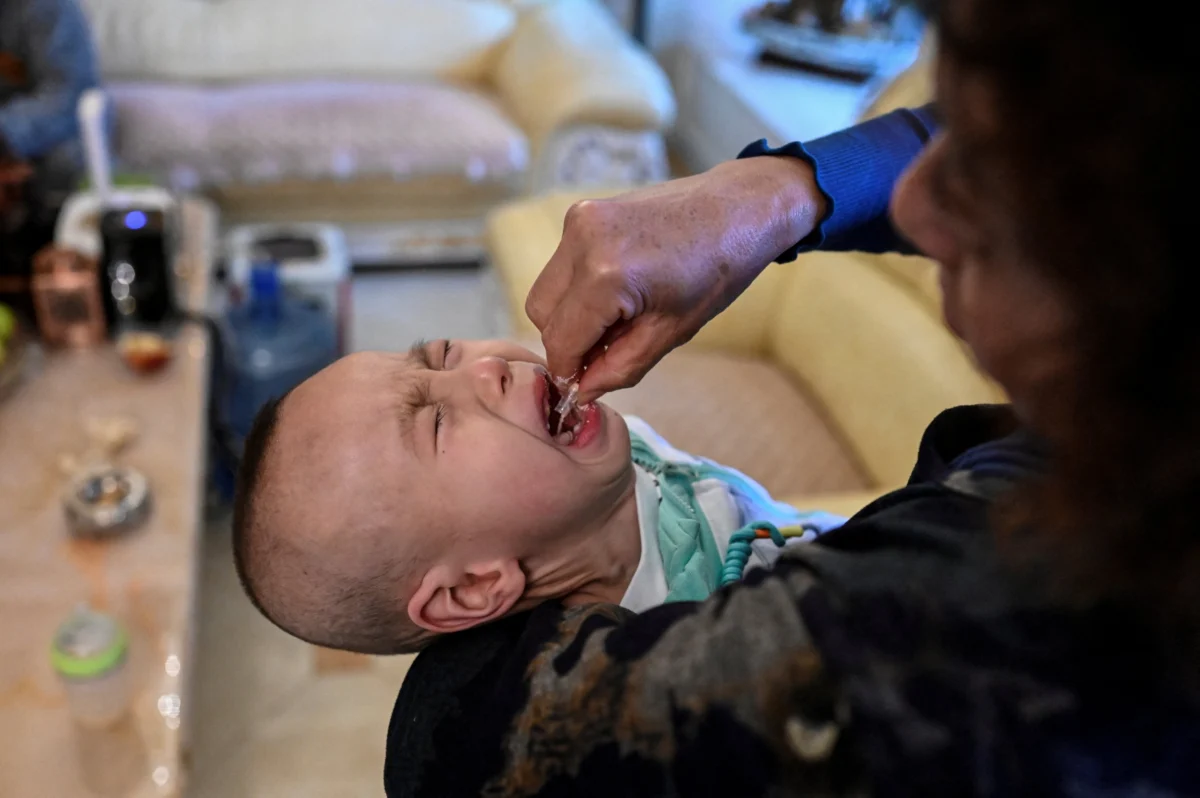
"Initiating influenza antiviral therapy within 48 hours of symptom onset in children is associated with an 81 percent reduction in the likelihood of requiring hospital care, a significant finding particularly for younger children who bear the brunt of flu-related hospitalizations."
This groundbreaking study, published in the journal Pediatrics, highlights the critical importance of prompt intervention for pediatric influenza. While the existence of effective antiviral medications for the flu is well-established, this research zeroes in on the crucial factor of when these treatments are administered. The findings underscore that the swiftness of treatment, rather than merely the availability of a drug, can profoundly influence patient outcomes, offering a tangible and actionable insight for parents and healthcare providers alike as flu season approaches.
Taiwanese Study Reveals Potent Link Between Early Antiviral Intervention and Reduced Pediatric Hospitalization
A significant retrospective study conducted in Taiwan has provided compelling evidence that administering influenza antiviral medications within the first 48 hours of symptom onset can drastically reduce the need for hospitalization in children. The research, published in the esteemed journal Pediatrics, found that children who received prompt antiviral treatment were 81 percent less likely to require hospital care compared to those treated later or not at all. This protective effect was particularly pronounced in children aged five years and younger, a demographic that disproportionately bears the burden of severe flu-related hospitalizations globally.
The study, led by researchers at Hsinchu Municipal MacKay Children’s Hospital, analyzed data from 1,492 children diagnosed with laboratory-confirmed influenza. The participants, with a mean age of 7.1 years, were primarily afflicted with influenza A. The cohort was meticulously categorized: 1,206 children received antiviral therapy within 48 hours of symptom onset, 269 received treatment after the 48-hour window, and a small group of 17 received no antiviral intervention. The primary outcome measured was hospitalization for fever or respiratory illness, or death, within a 14-day period following symptom onset.
The scale of the problem addressed by this research is substantial. Global estimates indicate that between 2010 and 2020, approximately 870,000 children under the age of five were hospitalized worldwide due to influenza each year. In the United States alone, annual flu hospitalizations for children range from 6,000 to 25,000. These figures underscore the critical need for effective strategies to mitigate the severity of influenza in pediatric populations.
Nuances and Limitations: Understanding the Evidence
While the headline figure of an 81 percent reduction in hospitalization risk is striking, it is crucial to understand the study’s methodological limitations. This was a retrospective, observational study, meaning it identified associations rather than definitively proving causation. The researchers acknowledge that children treated promptly may differ in various ways from those treated later, factors that the analysis might not have fully accounted for. For instance, the speed with which a family can access medical care could influence both the timing of treatment and the child’s overall health trajectory.
Furthermore, the study’s design primarily facilitates a comparison between early and late treatment among children who ultimately receive antivirals. With only 17 children in the untreated group, the study is not sufficiently powered to definitively compare the efficacy of antivirals against no treatment at all. The findings are most robust in supporting the benefit of initiating treatment sooner rather than later for children who are prescribed antiviral medication.
The geographical origin of the study also warrants consideration. The data was collected from a hospital system in northern Taiwan between 2020 and 2023. Consequently, patterns of healthcare access and prescribing practices may not directly mirror those found in different regions, such as major metropolitan areas in the United States. Additionally, the study notes that information regarding self-paid influenza vaccinations was unavailable, a factor that could influence the interpretation of results in populations with varying vaccination rates. It is important to note that current medical guidance in the United States has not been altered based on this single paper.
The study authors were explicit in emphasizing that early antiviral therapy should not be considered a substitute for influenza vaccination. Instead, they framed it as a supplementary measure, particularly vital for infants under six months of age who are too young to receive the flu vaccine.
Expert Commentary and Prescribing Gaps in Pediatric Antiviral Use
An accompanying commentary in Pediatrics, penned by James Antoon and Kathryn Edwards of Vanderbilt University, shed further light on the practical implications of these findings. They observed that a segment of pediatricians still exhibit reluctance in prescribing antiviral medications, and that approximately 40 percent of high-risk pediatric flu patients do not receive these treatments. This suggests a potential gap between the availability of effective treatments and their widespread application.
"The time has come for antivirals to be used in children with influenza," the commentators asserted, citing declining seasonal vaccination rates and the occurrence of severe flu seasons in recent years as compelling reasons to reconsider current prescribing habits.
This commentary highlights a practical reality for American families: the potential for underutilization of antiviral therapies. For parents of children with underlying health conditions such as asthma, diabetes, neurologic disorders, or compromised immune systems, or for families with children under five, this research provides a strong basis to proactively discuss antiviral treatment options with their pediatrician. Rather than passively waiting to be offered medication, parents may feel empowered to initiate a conversation about whether antiviral treatment is appropriate for their child, especially if flu symptoms emerge.
It is crucial to distinguish this proactive inquiry from demanding a prescription. Antiviral medications, like all pharmaceuticals, carry potential side effects, including nausea and vomiting. The Centers for Disease Control and Prevention (CDC) provides comprehensive guidance for clinicians, emphasizing that the decision to prescribe antivirals is a nuanced one, dependent on the child’s age, existing health conditions, the severity of their illness, and the duration of their symptoms. Ultimately, the prescribing clinician, possessing a thorough understanding of the individual child’s medical history and current condition, is best positioned to make this critical decision.
Further underscoring the complexity of the landscape, MedicalDaily previously reported on a separate analysis published in JAMA Pediatrics. That study linked oseltamivir (a common influenza antiviral) to a 31 percent lower risk of intensive care unit admission among hospitalized children. While this earlier study focused on children already admitted to the hospital across eight American flu seasons, the new research examines outpatient settings and the critical treatment window, thus addressing distinct but complementary aspects of antiviral efficacy in pediatric flu management.
Navigating Access, Cost, and Pre-Season Preparation for Parents
The 48-hour treatment window, while offering significant potential benefits, is only advantageous for families who can access timely medical care. Households lacking a regular pediatrician, without paid sick leave, or situated in areas with limited after-hours care facilities may face structural disadvantages in adhering to such a tight timeline. These disparities disproportionately affect individuals in rural communities and those in occupations with less flexible work schedules.
Beyond the study’s findings, practical preparation can significantly enhance a family’s ability to respond effectively to flu symptoms. Parents are encouraged to proactively identify who to contact for after-hours medical advice, ascertain whether their pediatrician’s office offers same-day sick visits or telehealth appointments, and determine which local pharmacies stock pediatric formulations of antiviral medications, as shortages have occurred in past flu seasons. While antiviral medications can incur costs, generic oseltamivir is generally well-covered by insurance. Families facing insurance denials or high out-of-pocket expenses can inquire about prior authorization processes or appeal mechanisms.
The fundamental message from the study authors, and one that parents must internalize, is that annual influenza vaccination remains the cornerstone of flu prevention for individuals aged six months and older. Antivirals are intended to supplement, not replace, this essential public health measure. This is particularly true for infants under six months, who cannot be vaccinated and are therefore more reliant on the protective immunity of those around them and prompt medical intervention should they contract the virus.
Parents should remain vigilant for warning signs that necessitate urgent medical evaluation, regardless of antiviral treatment status. These include worsening fever and cough, difficulty breathing, chest pain, bluish lips, signs of severe dehydration, unresponsiveness, or a child whose symptoms initially improve but then sharply decline.
In conclusion, the findings of this Taiwanese study are meaningful and provide valuable insights into the optimal timing for influenza antiviral treatment in children. However, it is imperative to recognize that this is a single retrospective study from one hospital system. It has not yet altered official medical guidance in the United States, and parents should not interpret these results as a mandate to seek antiviral medication for every instance of childhood fever. A balanced approach, prioritizing vaccination, understanding the benefits and limitations of antiviral therapy, and consulting with healthcare professionals, remains the most prudent course of action.
Key Questions Answered
What did the study find?
Children who received influenza antivirals within 48 hours of symptom onset were 81 percent less likely to require hospital care than children treated after that window or not treated.
Does it prove that antivirals prevent hospitalization?
No. It is a retrospective observational study showing an association. Only 17 of the 1,492 children received no antivirals, so it mainly compares early treatment with late treatment.
Where was the study done?
At a hospital system in northern Taiwan, covering children with laboratory-confirmed influenza diagnosed from 2020 through 2023. Care access and prescribing patterns may differ in the United States.
Does this change medical guidance?
No. Current American recommendations have not changed on the basis of this study.
Which children might benefit most?
Children under 5 and those with conditions such as asthma, diabetes, neurologic disorders, or weakened immune systems. A treating clinician decides based on age, severity, and symptom duration.
Should antivirals replace the flu shot?
No. The study authors stated antivirals should supplement vaccination, not substitute for it, especially for infants under 6 months who cannot be vaccinated.
What should a parent do if a child develops flu symptoms?
Contact a clinician early, since any treatment benefit depends on timing. Seek urgent care for trouble breathing, chest pain, severe dehydration, unresponsiveness, or sudden worsening after improvement.
