
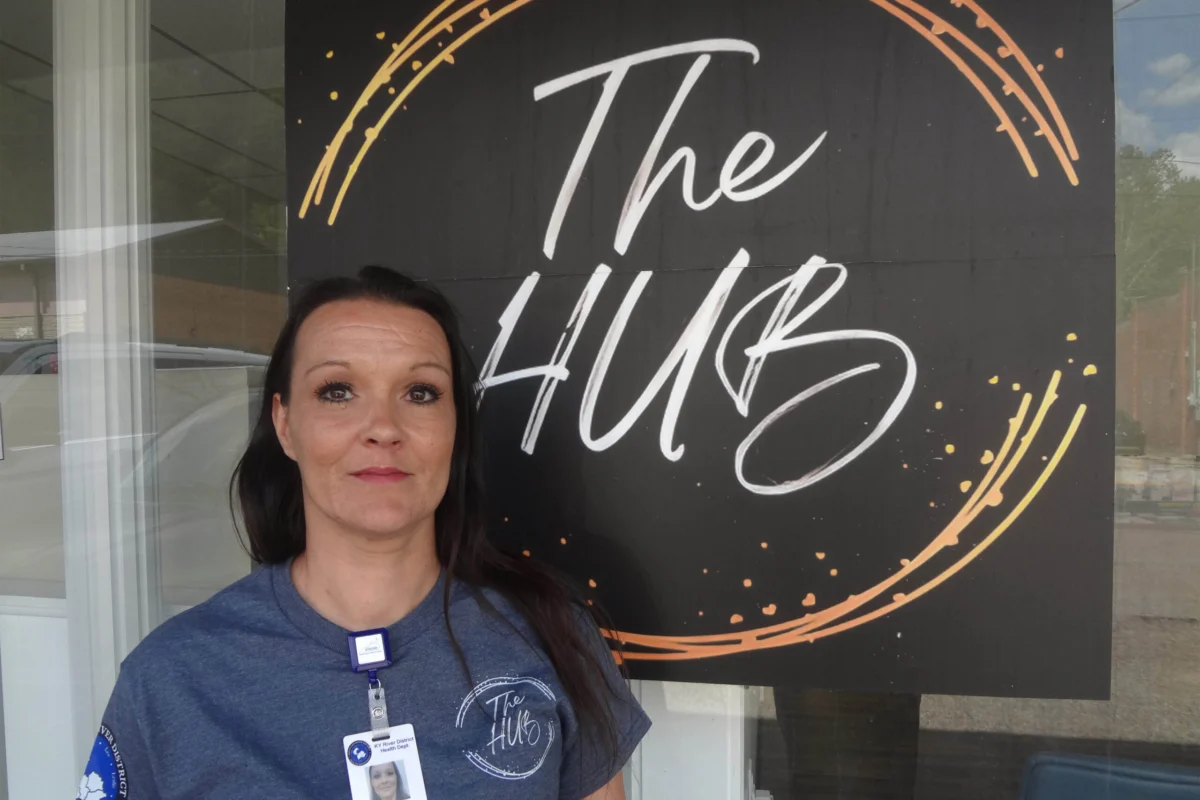
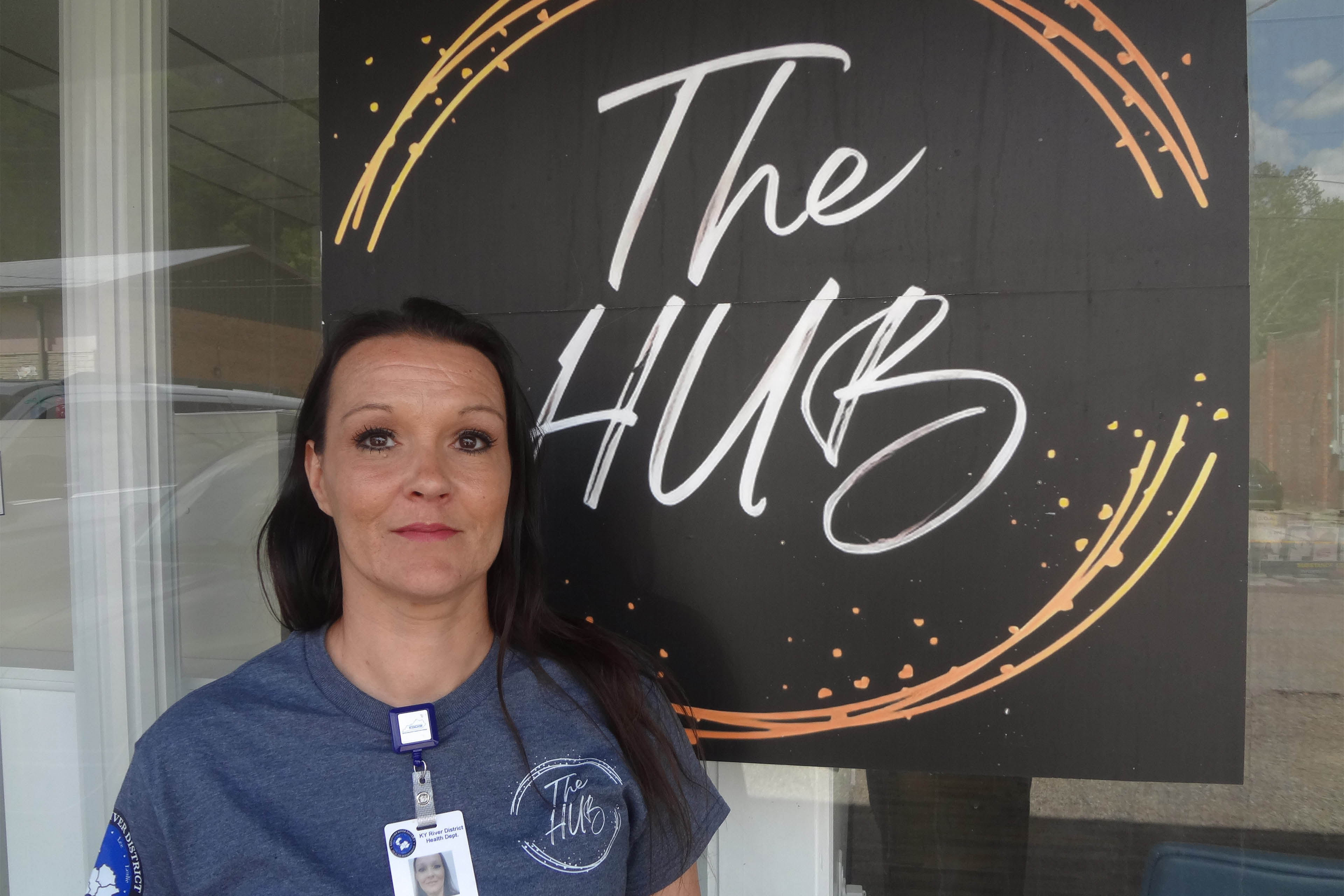
"In order for anybody to sustain recovery, they have to have financial stability, they have to have transportation, and they have to have a home. We try to fill those gaps."
This profound statement from JoAnn Fraley, harm reduction program coordinator for Kentucky River, encapsulates the holistic approach of "The Hub" initiative. As federal funding for harm reduction services faces challenges, these community-driven centers in rural Eastern Kentucky are demonstrating the tangible impact of meeting individuals "where they are" by providing comprehensive support that addresses not only substance use disorders but also the foundational needs for stable recovery.
The fabric of Jamie Madden’s life, like many in Whitesburg, Kentucky, is deeply interwoven with the presence and consequences of drug addiction. Her earliest memory, a poignant image of her father driving her from their Kentucky home to Florida to procure drugs, indelibly shaped her perception of how needs were met. This upbringing, where drug transactions were normalized as a means of providing for the family, laid the groundwork for a personal struggle that spanned decades. By 16, Madden was dependent on pain pills, a dependency that escalated to methamphetamine by her 30s. The devastating toll of addiction resulted in the loss of custody of two children and the adoption of two more at birth. Her journey also included periods of incarceration, serving time in both county jail and state prison.
At 40, facing a new pregnancy, Madden resolved to break the cycle of addiction. It was during this critical juncture that she discovered The Hub in her hometown of Whitesburg, a community of just 1,575 residents. This discovery marked a turning point, introducing her to a lifeline that offered not just the promise of recovery but the practical resources to achieve it.
The Hub is an integral component of a broader effort within Kentucky to mitigate the far-reaching consequences of drug misuse. Over the past two years, the state has allocated hundreds of thousands of dollars from opioid settlement funds to its rural eastern regions. This initiative, overseen by The Hub, operates a network of community centers designed to provide a spectrum of services. These range from crucial peer support for individuals in recovery to essential resources like canned food and sterile syringes, demonstrating a commitment to a multi-faceted approach to public health.
The financial backbone of this vital program has seen significant bolstering. In April, Kentucky Attorney General Russell Coleman announced an award of $320,000 to the Kentucky River District Health Department’s Hub initiative. This funding has facilitated the expansion of Hubs into four rural eastern Kentucky counties: Knott, Lee, Letcher, and Owsley. These counties, tragically among the nation’s most impoverished, face significant challenges including substance use disorders, housing insecurity, food scarcity, and unemployment. The Hub’s reach extends beyond fixed locations with its "Hub on Wheels" program, ensuring services are accessible throughout the district.
Further solidifying its commitment to this region, The Hub received an additional $545,000 in 2025 from the same settlement funds. This substantial investment enabled the expansion of the program from two to five counties, with Perry County slated to host the fifth Hub. The recent $320,000 grant is specifically earmarked as a two-year award to develop a program focused on assisting formerly incarcerated women in their reintegration into society, addressing a critical gap in support services.
Both of these grants are derived from Kentucky’s substantial share of the approximately $1 billion allocated to state and local governments from the landmark $57.8 billion settlement with pharmaceutical companies. This settlement aims to resolve litigation concerning their role in exacerbating the opioid overdose crisis that has devastated communities across the nation.
Jamie Madden firmly believes that investing in harm reduction services is a prudent and effective use of public funds, a conviction deeply rooted in her personal experience. She has witnessed firsthand the transformative power of these services at The Hub, where she has found a stable foundation for her recovery.
However, this crucial work faces an uncertain future. The Trump administration has signaled a significant shift in federal policy regarding harm reduction, with a July 24 executive order directing programs nationwide to cease expecting federal funding for such efforts. The order explicitly stated that discretionary grants from the Substance Abuse and Mental Health Services Administration (SAMHSA) should not be allocated to "so-called ‘harm reduction’" initiatives, asserting they "only facilitate illegal drug use and its attendant harm." This stance directly contradicts the experiences and data from communities like those in Eastern Kentucky, which overwhelmingly voted for President Trump in the last three elections, yet find themselves advocating for the very services that are now under threat.
Meeting Folks Where They Live
Whitesburg, a town celebrated for its vibrant cultural scene, including the renowned Appalshop, a media, arts, and education center, is a community its residents hold in high regard. The Hub’s presence on Main Street, nestled amongst local businesses and civic institutions like City Hall and the fire station, signifies its integration into the heart of the community. Like its sister locations, the Whitesburg Hub offers a diverse array of services tailored to meet the specific needs of its residents.
The inaugural Hub, established in 2022 in Beattyville, the county seat of Lee County, located northwest of Whitesburg, exemplifies the comprehensive model. It provides daily meals, operates a food pantry and clothing closet, and offers access to laundry facilities and a computer lab. Crucially, it dispenses life-saving resources such as naloxone, a medication capable of rapidly reversing opioid overdoses, alongside drug test strips, hepatitis C treatment, sterile syringes, and wound care services.
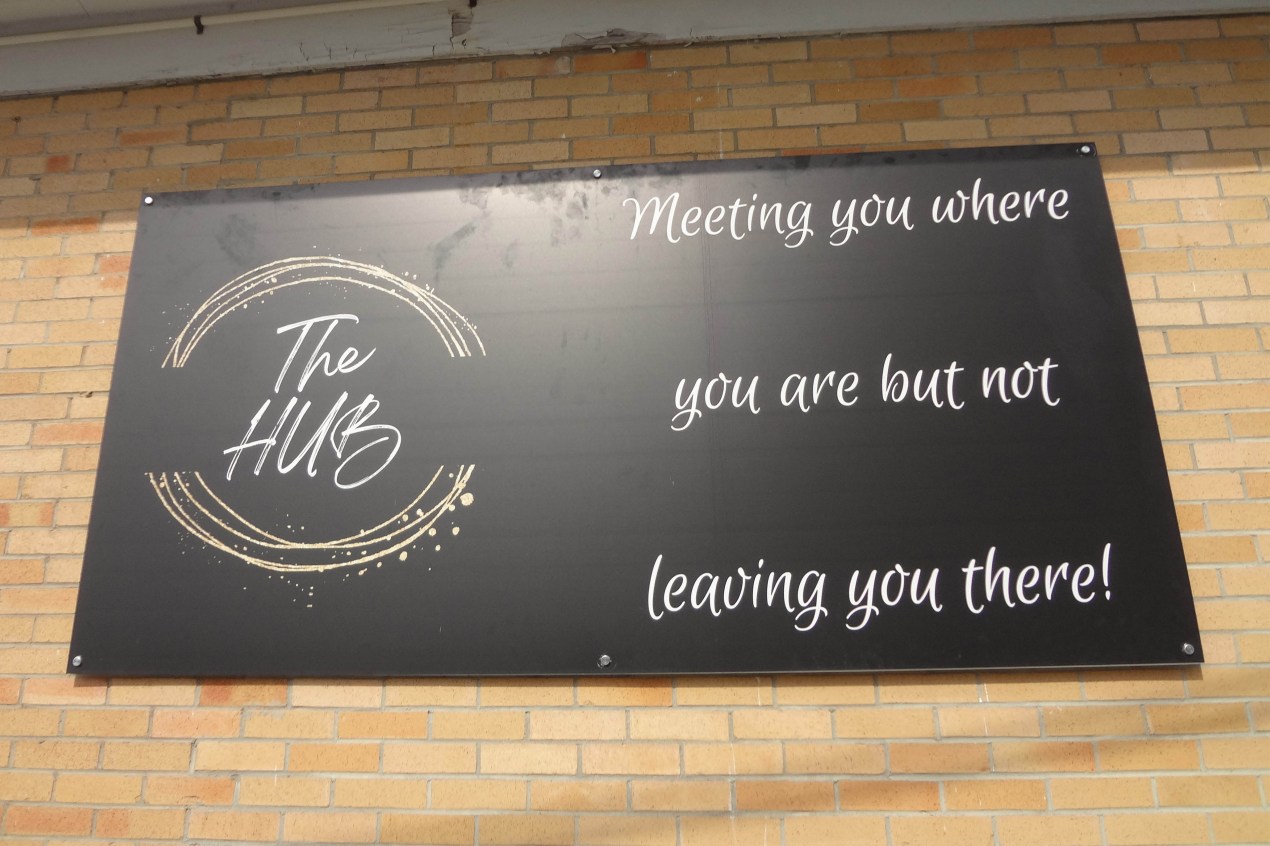
The program’s guiding principle, "Meeting you where you are but not leaving you there!", is deeply rooted in the philosophy of harm reduction. Harm reduction services are meticulously designed to minimize the negative consequences of drug use, prioritizing the safety and dignity of individuals while treating them with respect, all with the ultimate goal of supporting their journey toward recovery when they are ready. This approach encompasses vital support systems including housing assistance, food security, healthcare access, and the provision of overdose prevention tools.
JoAnn Fraley, as Kentucky River’s harm reduction program coordinator and Hub initiative director, articulates the critical interconnectedness of recovery and fundamental human needs. "In order for anybody to sustain recovery, they have to have financial stability, they have to have transportation, and they have to have a home," she stated. "We try to fill those gaps." This recognition underscores that recovery is not solely an individual endeavor but is profoundly influenced by the social and economic environment.
While critics often argue that distributing clean syringes inadvertently encourages drug use, a wealth of research offers a starkly different perspective. Studies published in the Journal of Substance Use and Addiction Treatment have indicated that individuals who participate in syringe services programs are more likely to reduce their injection-drug use, abstain from drugs altogether, and successfully engage in and maintain treatment compared to those who do not. Furthermore, the Centers for Disease Control and Prevention (CDC) reports that syringe services programs effectively reduce the transmission of HIV and hepatitis C by approximately 50 percent.
The efficacy of The Hub model has garnered national recognition. In 2025, Kentucky River’s initiative was honored as one of 19 "Model of Promising Practice" award winners by the National Association of County and City Health Officials, a testament to its innovative and impactful approach to public health.
Lauren Carr, who advises the Kentucky Association of Counties on the strategic deployment of opioid settlement funds, expressed enthusiasm for The Hub’s community-centric approach. "What jazzes me about it is it’s a community approach to harm reduction," Carr remarked. "Whether that’s feeding a hungry stomach, or putting clothes on somebody’s back, or giving them clean [syringes], you’re meeting that person’s needs." She further emphasized the program’s role as a potential "lifeline" for individuals navigating complex challenges.
Paying Back for Good
The transformative impact of The Hub is perhaps best illustrated through the personal narratives of those it serves. Becky Todd, a community health worker and peer support specialist who leads the Beattyville Hub’s team, embodies this resilience. Released from jail in April 2024 after serving multiple sentences for drug-related offenses, she walked three miles to The Hub, with no other destination in mind. Today, she is actively pursuing a bachelor’s degree in social work at Eastern Kentucky University, a testament to the support and opportunities provided by the program. "I could not have done it without this place," Todd shared. "It’s my saving grace."
Amber McDaniel’s journey is equally compelling. After over a decade battling addiction, during which she lost her home, her children, and the support of her family, she found herself at a precipice. "I didn’t know where to turn, didn’t know what to do," she recounted. "I mean, I was about to lose my mind." Her entry into The Hub marked a turning point, and she now serves as a staff member through AmeriCorps, a national service program.
Hannah Stamper’s story highlights another facet of The Hub’s impact. Placed in foster care at a young age, she began using methamphetamine at 14. Her early engagement with dealing drugs stemmed from a desire to be needed, a void she sought to fill. Now on staff as a member of Recovery Corps, a program that trains AmeriCorps members for careers in the recovery field, Stamper finds fulfillment in a healthier form of service. "People today need me in a good way, and I love that," she said.
JoAnn Fraley has observed a palpable shift in Lee County’s perception of addiction and homelessness. Just six years ago, public discussions on these issues were fraught with discomfort and avoidance, as individuals were hesitant to acknowledge or address them. The visible impact of The Hub, however, has fostered a change in community sentiment. "The community sees The Hub’s impact, and now they’re, like, ‘Whoa. We love you.’" Fraley noted, indicating a growing acceptance and appreciation for the program’s work.
Scott Lockard, the district’s public health director, points to a combination of data and anecdotal evidence as substantiation of the initiative’s success. He cites an increase in individuals entering treatment programs and a reported decline in communicable diseases as key indicators. "I’ve been in public health for 36 years, and it’s one of the most effective interventions I’ve seen," Lockard stated, underscoring the program’s significant contribution to public well-being.
The Kentucky River team’s approach to implementing The Hub model involved extensive community education, which Fraley reports was met with minimal resistance, primarily characterized by a shared concern for the responsible stewardship of funds. Crucially, the planning stages of the initiative have consistently involved individuals with lived experience of addiction, ensuring that their voices are central to decision-making. "Their voice needs to be at every table," Fraley asserted, emphasizing the importance of lived experience in shaping effective interventions.
Lockard concurs with this principle, stressing the necessity of community engagement in ensuring the judicious allocation of resources. "We’ll talk to those people who are experiencing the problem, find out what they think would help them best, and then look for those evidence-based interventions," he explained. This collaborative approach ensures that interventions are not only evidence-based but also responsive to the actual needs of the community.
Jannie Gatlin and Mandy Parker, both in recovery, represent the diverse individuals who benefit from The Hub. They recently participated in a crafting class at the Whitesburg Hub. Gatlin, who began using fentanyl in Colorado after the death of her infant son, now attends the Hub almost daily with her toddler, Hunter. Parker, who initially received opioids for pain management related to a kidney disorder, turned to street drugs when her prescription became inaccessible. "That’s just the nature of the beast," she commented, highlighting the challenging realities of addiction and access to treatment.
Parker believes The Hub is instrumental in dismantling the stigma surrounding substance use disorder within her community. She observes that when people witness "real change happening," a positive ripple effect ensues. "It makes a difference," she affirmed. The Hub’s central location on Main Street, she firmly believes, is precisely where it needs to be, accessible and visible to those who need it most.
