
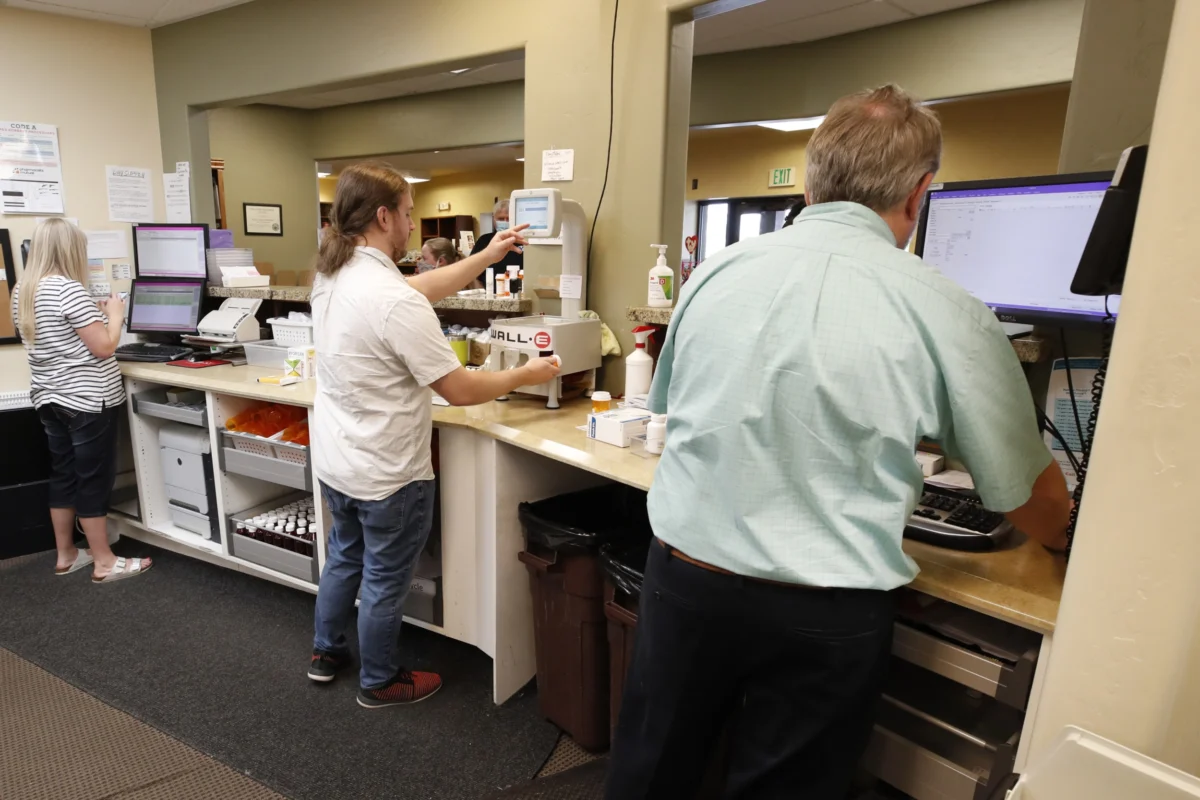
"This shift from upfront discounts to after-the-fact rebates in the 340B program, impacting 21 drugs from 10 major pharmaceutical companies, fundamentally alters how safety-net providers access critical medications, with potential financial repercussions for hospitals and clinics serving vulnerable populations."
The U.S. federal government has finalized its selection of 21 drugs, encompassing 10 pharmaceutical manufacturers, that will transition from upfront discounts to an after-the-fact rebate system within the 340B Drug Pricing Program, effective January 1, 2027. This significant policy change, approved by the Health Resources and Services Administration (HRSA), marks a pivotal moment for healthcare providers, drugmakers, and ultimately, the patients they serve. The list includes widely prescribed medications such as Eliquis, Jardiance, Farxiga, and Januvia, signaling a broad impact across various therapeutic areas. This initiative represents HRSA’s second attempt to implement a rebate model, following a prior iteration that was halted by federal court injunction. The implications of this shift are multifaceted, primarily affecting the financial operations of hospitals and clinics designated as 340B entities, which are mandated to serve low-income and uninsured populations. While patients are not expected to encounter direct changes at the pharmacy counter, the operational and financial burdens will fall on these healthcare institutions, requiring them to purchase medications at full price and subsequently seek reimbursement through a rebate system.
The approved pilot program, detailed on HRSA’s dedicated page, involves a comprehensive list of medications from industry giants including AbbVie, Amgen, Astellas, AstraZeneca, Bristol Myers Squibb, Boehringer Ingelheim, GSK, Merck, Pfizer, and Teva. The inclusion of these specific drugs is noteworthy as they are all part of the Medicare drug price negotiation lists. HRSA estimates that these 21 drugs represent less than 5.5% of the total sales volume within the 340B program in 2025, suggesting a targeted approach rather than a wholesale disruption of the program. Under the pilot’s framework, covered entities will continue to procure these drugs through their established 340B wholesaler accounts. However, the critical distinction lies in the post-dispensing process. Providers will be required to submit claims data within 45 days of dispensing through a manufacturer-operated platform, named Beacon, to initiate the rebate process. Drug manufacturers will then have a 10-day window to either approve or deny each rebate request.
HRSA has emphasized that the rebate model necessitates "claims-level identification of each transaction," a mechanism designed to facilitate pre-payment verification. To mitigate potential disputes and ensure program integrity, the agency has instituted specific protocols. Drugmakers are prohibited from denying rebates based on common concerns such as eligibility, drug diversion, or Medicaid duplicate discounts; such issues must be addressed directly through HRSA. Furthermore, pharmaceutical companies participating in the pilot are responsible for covering all operational costs associated with the Beacon platform. This directive aims to streamline the rebate process and prevent the imposition of additional financial burdens on healthcare providers related to platform usage.
This latest development follows a series of events and reports that have shaped the trajectory of the 340B rebate pilot. MedicalDaily has previously covered the initial planned launch of the revised pilot for January 1, 2026, and its potential impact on the financial stability of safety-net providers. Concerns have also been raised in legislative circles, including a bipartisan Senate bill proposing the termination of all rebate programs and their replacement with an independent data clearinghouse. When HRSA first unveiled its revised plan, it had identified up to 25 potentially eligible products from 13 companies, as reported by Fierce Healthcare, but no approvals had been granted at that time. The initial iteration of the pilot was slated to commence on January 1, 2026, but was ultimately halted by a federal court in Maine, which subsequently vacated the notice and manufacturer approvals in February. HRSA then reinitiated the process, publishing a revised notice in the Federal Register in August, paving the way for the current approvals.
The tension between hospitals and drugmakers regarding the 340B program and this rebate pilot remains palpable. The American Hospital Association (AHA) has voiced strong opposition, projecting that the rebate program could impose annual costs exceeding one billion dollars on 340B hospitals. Beyond the direct financial outlay, the AHA highlights the significant strain on cash flow for providers who must initially front the full drug costs while awaiting rebate payments. An AHA spokesperson indicated to Fierce Healthcare that the organization is "considering all available options to prevent this flawed program from going into effect," strongly suggesting the potential for further legal challenges.
Conversely, pharmaceutical manufacturers view the rebate model as a crucial tool for enhancing oversight and preventing program abuse, particularly in the context of emerging Medicare-negotiated prices. A spokesperson for PhRMA, cited by Fierce Healthcare, described the revised plan as "a positive step toward improving transparency" upon its release in July. The claims made by both industry groups remain largely theoretical at this stage, as the impact of this specific drug set under the new rebate model is yet to be empirically tested. HRSA has committed to providing periodic summaries of implementation findings and a comprehensive evaluation of the pilot program by April 30, 2028, offering a future benchmark for assessing its efficacy and consequences.
The potential impact of this policy shift could be most acutely felt by smaller rural hospitals, community health centers, and clinics that operate with limited financial reserves. These institutions often leverage 340B savings to sustain vital services such as providing discounted medications, operating free clinics, or subsidizing patient transportation. A contraction in cash flow resulting from the rebate model could necessitate cutbacks in these essential support services, thereby diminishing access to care for vulnerable populations.
HRSA’s regulations mandate that manufacturers furnish quarterly ceiling price files. This provision is intended to enable clinics to continue calculating sliding-fee discounts for their low-income patients, ensuring some level of continuity in patient affordability measures.
For patients prescribed any of the 21 affected medications, the advice is to continue filling prescriptions as usual. Individuals who rely on a clinic’s discount programs are encouraged to inquire directly with their healthcare providers about any anticipated changes in 2027. Patients facing financial challenges in affording their medications should explore manufacturer assistance programs or inquire about lower-cost therapeutic alternatives. Crucially, patients should not discontinue any prescription, especially vital medications like blood thinners or diabetes drugs, without first consulting their clinician. The future landscape of the 340B program and this pilot initiative hinges on ongoing legal and legislative developments. The possibility of new lawsuits could lead to further delays in the January 1, 2027, commencement, while various competing 340B-related bills remain under consideration in Congress. MedicalDaily will continue to monitor and report on any significant legal actions and HRSA’s initial implementation updates.
Key Questions Answered
What is new?
HRSA has approved rebate plans from 10 drugmakers covering 21 drugs, with the new system set to begin on January 1, 2027.
Which drugs are included?
Prominent medications on the list include Eliquis, Jardiance, Farxiga, Januvia, Trelegy Ellipta, Enbrel, Imbruvica, Ibrance, and Xtandi, among others.
Will patients pay more at the pharmacy?
The pilot program alters how hospitals and clinics receive discounts from manufacturers, not the process by which patients obtain their prescriptions. Any effects on patients are expected to be indirect.
Why do hospitals object?
Hospitals express concerns that the rebate system will introduce significant administrative costs and require them to advance the full price of drugs while awaiting subsequent rebate payments.
Could the pilot be blocked again?
The American Hospital Association has stated it is evaluating all available options, indicating that a new legal challenge to prevent the program’s implementation is a distinct possibility.
