
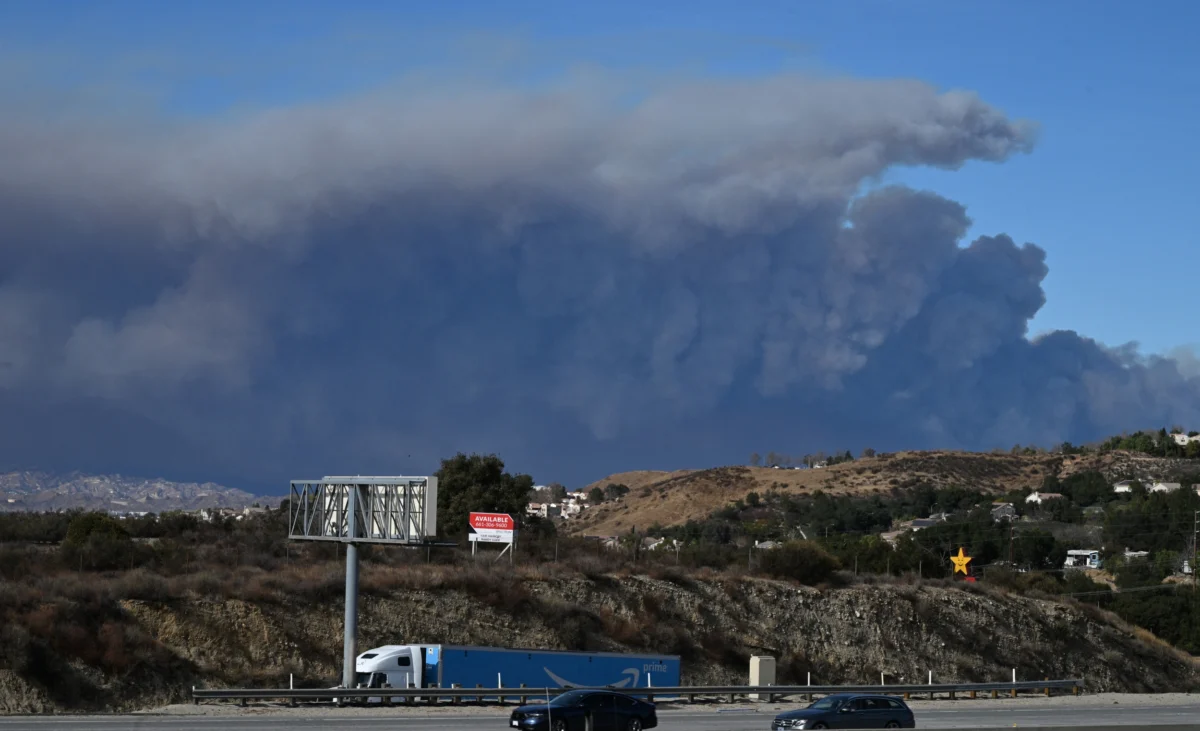
"The combination of wildfire smoke and extreme heat poses a compounded health risk, disproportionately affecting vulnerable populations and demanding immediate, layered protective measures."
Santa Clarita Valley residents are currently grappling with an unprecedented convergence of two significant health stressors: the lingering smoke from the Bouquet Fire and an extended National Weather Service Extreme Heat Warning. This dual threat creates a complex public health challenge, particularly for individuals with pre-existing respiratory or cardiovascular conditions, as the dangers of smoke inhalation are amplified by the physiological demands of extreme heat. The imperative to protect oneself shifts from addressing one hazard to managing the synergistic impact of both, requiring careful consideration of indoor air quality, temperature regulation, and personal health management.
The Bouquet Fire, which ignited on Saturday afternoon, October 3rd, had consumed approximately 1,048 acres within the Angeles National Forest northeast of Santa Clarita as of Sunday, October 4th. By Sunday morning, the blaze was reported to be 40% contained, with a significant knockdown achieved in the early hours of the morning. The cause of the fire remains under investigation, with initial reports indicating the potential discovery of explosive ordnance at the point of origin. Mandatory evacuation orders were in effect for several zones, including LAC-E018, LAC-E030-B, and LAC-E031-A, with additional warnings issued for eight other areas. A temporary shelter was established at the Castaic Sports Complex to assist displaced residents.
Concurrent with the fire, the Santa Clarita Valley, along with much of Los Angeles and Ventura counties, is under an Extreme Heat Warning issued by the National Weather Service. This warning, initially in effect through Thursday, October 8th, forecasts valley temperatures to reach as high as 106 degrees Fahrenheit. The Los Angeles County Department of Public Health has also issued its own heat warning for the region, extending from October 2nd through October 8th, highlighting not only high daytime temperatures but also unusually warm overnight conditions that impede recovery.
The confluence of wildfire smoke and extreme heat presents a significant public health concern, particularly for vulnerable populations. Smoke, laden with fine particulate matter known as PM2.5, can penetrate deep into the lungs, triggering inflammation and exacerbating respiratory conditions such as asthma and Chronic Obstructive Pulmonary Disease (COPD). Simultaneously, extreme heat places a considerable strain on the cardiovascular system, forcing the heart to work harder and increasing the risk of dehydration and heat-related illnesses.
The synergistic effect of these two environmental hazards is a critical point of concern for health officials. The U.S. Environmental Protection Agency (EPA) has emphasized in its guidance that "recent scientific evidence suggests that exposure to both smoke and extreme heat at the same time may be much worse for your health than exposure to either of them alone." This warning is not theoretical; extensive research from California underscores the amplified risk. A comprehensive USC study analyzing over 1.5 million deaths in the state between 2014 and 2019 revealed a striking correlation: while extreme heat days independently increased the risk of death by 6.1% and high pollution days by 5%, days experiencing both extreme heat and high pollution saw a staggering 21% increase in mortality risk. Further, on these combined hazard days, the risk of cardiovascular death surged by 29.9%, and the risk of respiratory death climbed by 38%. Md Mostafijur Rahman, PhD, the lead author of the USC study, noted in a university release, "The mortality effect of exposure to both extreme temperatures and extreme pollution is greater than the sum of their individual effects." While this observational study demonstrates an association rather than direct causation and measures PM2.5 from all sources, its findings align with current EPA advisements and provide a strong impetus for precautionary measures.
The practical implications of this dual threat are stark. Wildfire smoke often compels residents to seal their homes, closing windows and doors to prevent smoke intrusion. However, prolonged periods indoors with sealed windows in extreme heat can render homes dangerously hot, especially for those without reliable air conditioning. This creates a difficult trade-off: remain exposed to potentially unhealthy air quality outdoors or endure unsafe indoor temperatures. This dilemma disproportionately impacts older adults, young children, pregnant individuals, and those with chronic lung or heart conditions – the very same demographic groups identified as most vulnerable in both fire and heat advisories.
The immediate health impacts can range from mild irritation to severe medical emergencies. Smoke exposure can manifest as burning eyes, a scratchy throat, headaches, and coughing. For individuals with asthma or heart disease, symptoms may include wheezing, chest tightness, or unusual fatigue. Heat-related illnesses can present with heavy sweating, dizziness, nausea, and, in severe cases, heat stroke, characterized by a body temperature of 103°F or higher, hot and red skin, rapid pulse, confusion, and fainting. The CDC advises immediate emergency medical attention by calling 911 for any signs of heat stroke. Similarly, chest pain or an asthma attack unresponsive to a rescue inhaler necessitates urgent medical care.
Compounding these risks are logistical challenges for affected residents. Evacuated families may be separated from essential medications, inhalers, or home air filtration systems. Outdoor workers face heightened exposure to both smoke and heat, increasing their risk of heat stress and respiratory distress. Individuals experiencing homelessness are particularly vulnerable due to limited access to protective environments.
To mitigate these risks through October 8th, a layered approach to protection is essential. The EPA guidance prioritizes cooling as the most immediate concern during extreme heat. Residents are advised to keep windows closed during hot, smoky daytime hours and to operate air conditioning units with the most efficient filters available, ideally MERV 13 or higher, to capture fine particulate matter. For households unable to maintain a safe indoor temperature, seeking refuge in air-conditioned public spaces or designated cooling centers is strongly recommended. Individuals with chronic health conditions should ensure they have their medications readily accessible and consult with their healthcare providers regarding any necessary adjustments to their treatment plans.
During periods of significant smoke, the South Coast Air Quality Management District (AQMD) advises against strenuous outdoor activity. For individuals who must be outdoors, a properly fitted N95 or P100 respirator may offer some degree of protection against smoke particles. The district also cautions against the use of swamp coolers and whole-house fans, as they can draw in outdoor air, potentially worsening indoor air quality. Community well-being initiatives, such as checking on elderly neighbors living alone, become critically important during these dual hazard events.
Recognizing that cost and accessibility can be significant barriers to protection, resources are available. Free cooling centers are accessible through the ready.lacounty.gov/heat website, and the 211 service provides 24/7 information on locations and transportation assistance. For those unable to afford portable air purifiers, public libraries and cooling sites offer viable alternatives for cleaner air and cooler temperatures.
As fire officials continue to provide updates on containment efforts and potential repopulation timelines, and the heat warning remains in effect until Thursday evening, residents are urged to stay informed. Live air quality readings are continuously updated by the South Coast AQMD, providing crucial data for decision-making. The convergence of the Bouquet Fire and extreme heat serves as a stark reminder of the interconnectedness of environmental hazards and public health, underscoring the need for proactive planning and community resilience in the face of escalating climate-related challenges.
