
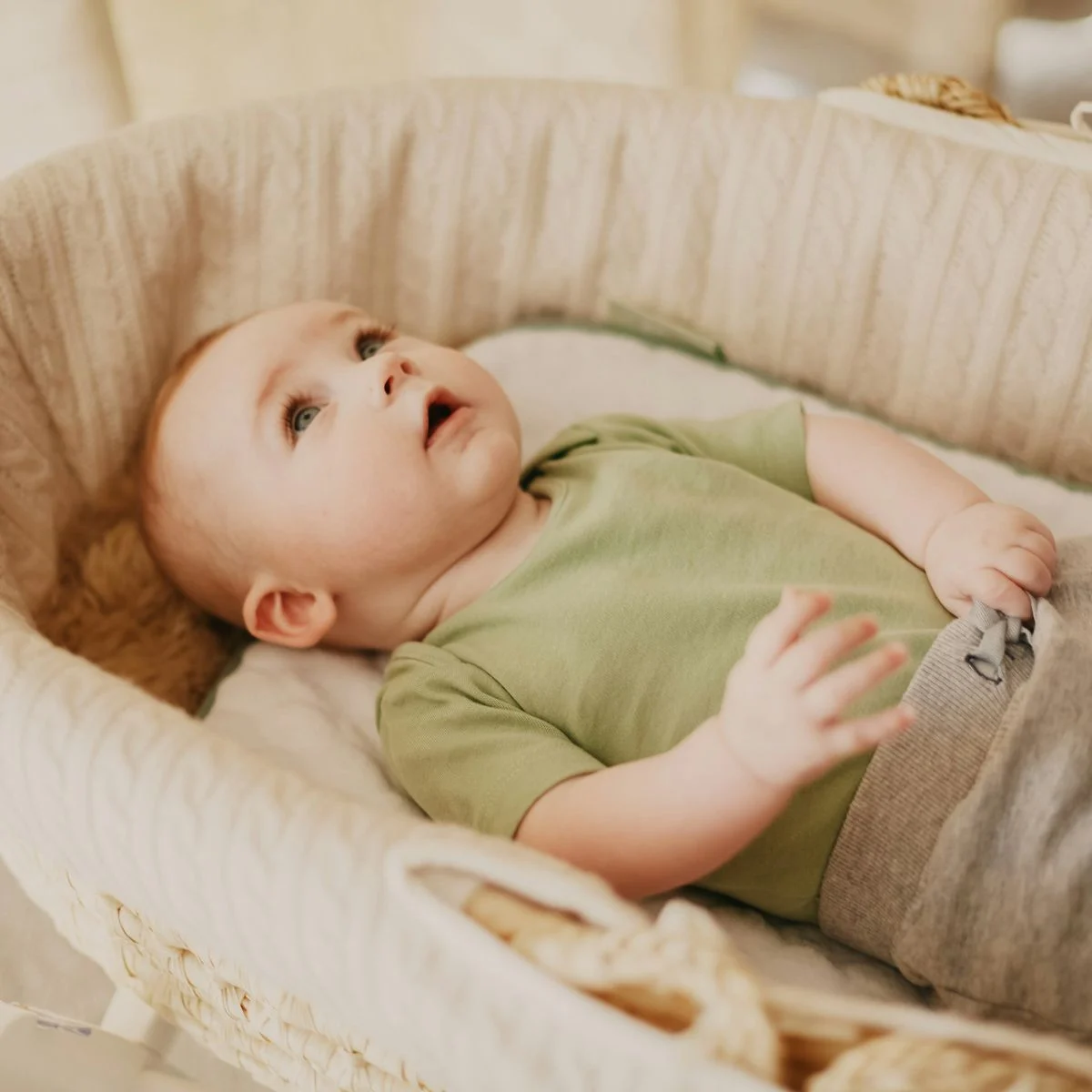
"The persistent recall of baby loungers, now encompassing an additional 95 units, underscores a critical, recurring safety flaw: soft padding that poses a suffocation risk by obstructing infant breathing, highlighting a dangerous regulatory gap between intended use and actual sleep practices."
Federal regulators have expanded a recall for Cpzzkq baby loungers, adding 95 units to the previously announced total of 2,100, bringing the cumulative number of affected products to 2,195. While the increase in units may seem modest, the expansion is significant due to the persistent nature of the defect and its recurring appearance across various infant product recalls. The Consumer Product Safety Commission (CPSC) has identified that these loungers violate mandatory federal standards for infant support cushions due to padding that can obstruct an infant’s breathing, thereby presenting a serious risk of injury or death. This recurring issue prompts a deeper examination of the challenges in regulating products designed for infant comfort and support, particularly when their use can inadvertently extend into sleep environments.
The Cpzzkq baby loungers, sold on Amazon by CetoPMax, were available from October through November 2025 for approximately $50. They were offered in white, grayish blue, pink, zuma blue, and brown. The recall process requires consumers to cease using the product immediately, remove the foam and pad, and then cut the cover, foam, and pad in half. Following this destruction, consumers must email photographic evidence of the halved components to [email protected] to receive a refund. This straightforward, albeit destructive, consumer action aims to prevent further use of potentially hazardous items.
The recent expansion of the Cpzzkq lounger recall was announced in the same CPSC posting that detailed recalls for 1.5 million rechargeable hand warmers and a line of retro refrigerators linked to 34 fires. The volume of these other recalls might overshadow the incremental increase in the lounger recall, yet the latter warrants attention due to a pervasive pattern observed this year. The expansion signifies not a new hazard, but rather the identification of additional units within the recalled population. Parents who previously checked their loungers against the April notice and found their product unaffected should re-examine the recall details, as the model description and identification remain consistent.
The recurring nature of recalls involving baby loungers and similar padded infant products over the past two years points to a systemic issue, with violations frequently clustering around a small number of repeated failures. This pattern is exacerbated by the complex regulatory landscape governing infant products, which involves two distinct federal standards that can be easily misunderstood or circumvented.
Two separate federal rules govern products intended for infants, leading to different types of failures and, consequently, different recall rationales. The first, the infant support cushion standard, applies to products designed to prop, position, or support a baby while awake. Failures under this standard typically relate to the physical properties of the padding itself, such as its softness or contouring, which can conform to an infant’s face and obstruct breathing. This was the exact violation identified in the Cpzzkq lounger recall and has been cited in previous recalls of nursing pillows and convertible baby gyms earlier this year.
The second rule, the infant sleep products standard, addresses items marketed or reasonably used for sleep. Failures under this standard are generally structural. For instance, a June recall of CooCooBaby loungers revealed that their sides were shorter than the minimum required height to safely contain an infant. Additionally, an opening at the foot of the lounger posed a risk of fall or entrapment, and the sleeping pad’s thickness exceeded the maximum limit, creating a suffocation hazard. Similarly, Vevor loungers recalled in July failed to meet side height and opening width requirements and lacked a necessary stand.
The persistent issue across these product categories stems from a definitional gap. Many loungers are marketed as awake-time products, thus falling under the infant support cushion standard. However, their design often resembles small beds, leading parents to use them for sleep, a scenario governed by the infant sleep products rule. This duality means a product can be legally sold as a lounger for awake-time use but become dangerous the moment a baby falls asleep in it.
The mechanism by which soft padding can cause harm is well-documented and not obscure. Infants in their early months possess limited head and neck control, rendering them unable to reliably turn away from an obstruction. Soft, conforming padding can mold around a baby’s nose and mouth. If a baby rolls or slides against the raised side of a lounger, their face can become pressed against material that traps exhaled air. The rebreathing of carbon dioxide in such a confined space reduces available oxygen without the obvious signs of distress that adults might expect.
Padded sides contribute to this risk in two significant ways. Firstly, they create a surface against which a baby’s face can press, and secondly, they can trap heat, potentially leading to overheating. Inclined or contoured surfaces introduce a third hazard: positional asphyxia. In this scenario, a baby’s chin can drop towards their chest, narrowing the airway and impeding breathing. These dangers do not require an extraordinary event; they can arise from a sleeping infant on a soft surface, underscoring the critical importance of safe sleep guidelines.
The American Academy of Pediatrics recommends that infants sleep alone, on their back, on a firm, flat surface within a crib, bassinet, or play yard. This recommendation explicitly excludes pillows, bumpers, blankets, or any padded positioners. Infant loungers are notably absent from this list of safe sleep surfaces, and no lounger currently on the market is approved for sleep.
This issue has been highlighted by previous reports, including a CPSC warning earlier this month concerning a different lounger brand whose manufacturer had gone out of business, leaving consumers without recourse for refunds. That warning referenced a reported infant death in November 2025, where a two-month-old was found unresponsive after being placed to sleep in a lounger on an adult bed. Such incidents underscore the potentially fatal consequences of misusing these products.
To mitigate risks, parents and caregivers are advised to thoroughly check their purchase histories. Searching Amazon order history for terms like "lounger," "baby nest," or "nursing pillow" can be more efficient than relying on memory, as recalled loungers often bear unfamiliar or easily forgotten brand names. It is crucial to consult the CPSC recalls database directly, as retailer notifications are not always reliable and depend on the seller and the account used for purchase. Signing up for free CPSC recall alerts is also a proactive measure.
For families who already own a lounger that has not been recalled, the safest approach is to treat it strictly as a supervised, floor-level product for awake-time use only, never as a sleep surface. This guidance should extend to grandparents, babysitters, and daycare providers, as these products frequently move between different households.
Families struggling to afford a safe sleep surface are encouraged to contact their local health department, WIC office, or hospital. Many of these organizations operate crib distribution programs, ensuring that cost is not a barrier to a baby sleeping safely.
Several aspects of this ongoing safety concern remain unresolved. The CPSC has not indicated whether further units will be added to the Cpzzkq lounger recall. Furthermore, recent recalls have included products from overseas sellers who have declined to participate in recalls, limiting the effectiveness of enforcement once a product is already in a consumer’s home. The ongoing vigilance of consumer safety organizations and regulatory bodies is paramount in addressing these persistent hazards.
Frequently Asked Questions
What was recalled?
Cpzzkq baby loungers sold on Amazon by CetoPMax. The recall now covers 2,195 units, expanded from 2,100 announced in April 2026.
What is the hazard?
CPSC states the padding violates the mandatory infant support cushion standard because it can obstruct an infant’s breathing, creating a suffocation risk.
How do I get a refund?
Stop using the lounger, remove the foam and pad, cut the cover, foam, and pad in half, and email photos of the destroyed pieces to [email protected].
Why do baby loungers keep getting recalled?
They fall into a regulatory gap. Sold as awake-time products under the cushion standard, they resemble small beds and are widely used for sleep, which the sleep products rule governs.
Are any loungers safe for sleep?
No. No infant lounger is approved as a sleep surface. Pediatric guidance calls for a firm, flat surface in a crib, bassinet, or play yard with nothing else in it.
How does soft padding cause harm?
Infants cannot reliably move away from an obstruction. Soft padding can block the nose and mouth, or trap exhaled air, and contoured surfaces can narrow the airway.
Where can I check for recalls?
The CPSC recalls database at cpsc.gov and free CPSC recall alert emails. Searching an online order history for "lounger" or "baby nest" is often faster.
