
A five-year ordeal for a woman prosecuted after a stillbirth has underscored the profound harm of outdated abortion laws, prompting a historic legal change that decriminalises self-managed pregnancy terminations at any stage. This significant reform acknowledges the trauma inflicted by past criminalisation and marks a crucial step towards justice and compassionate healthcare.
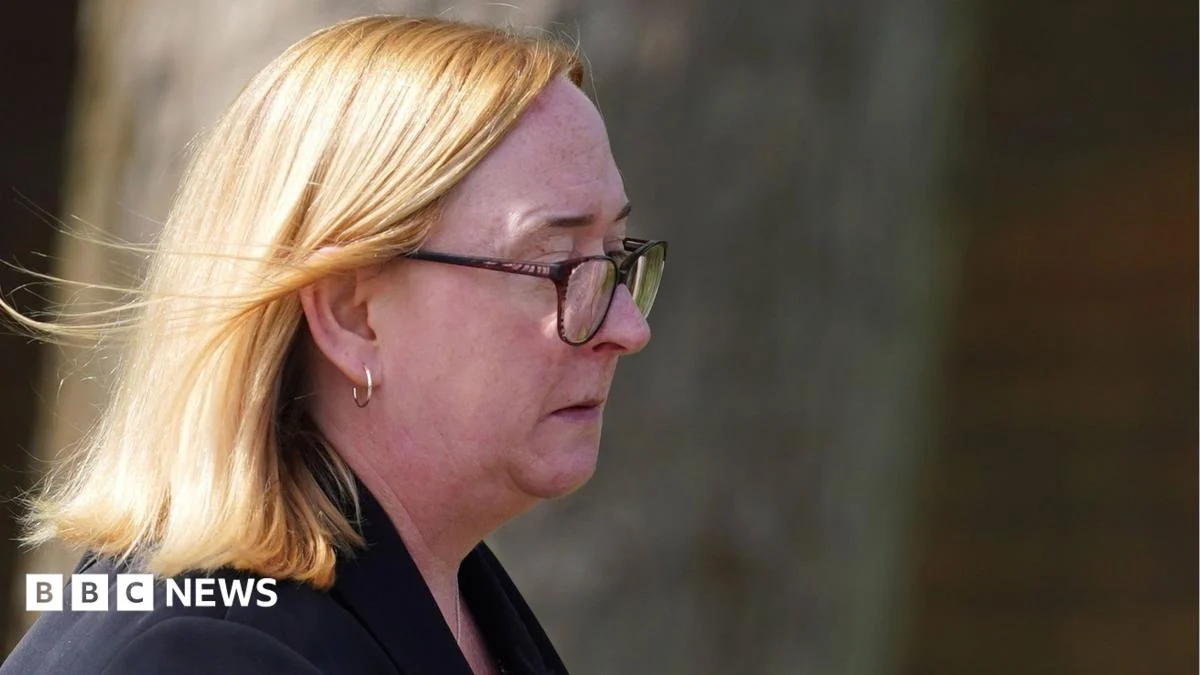
The protracted legal battle faced by Nicola Packer, a 41-year-old woman prosecuted for ending a pregnancy in 2020, has culminated in a landmark legislative change, ensuring that no woman in England and Wales will again face criminal charges for terminating her own pregnancy. Ms. Packer’s case, which saw her acquitted after five years of investigation and trial, became a stark illustration of the severe human cost and societal implications of existing abortion legislation, ultimately serving as a catalyst for reform.
In 2020, during the height of the COVID-19 pandemic, Ms. Packer sought to end a pregnancy, receiving a prescription for mifepristone and misoprostol via a teleconsultation – a practice temporarily permitted due to lockdown restrictions. Prosecutors subsequently alleged she had been aware of being more than 10 weeks pregnant, a claim she vehemently denied. After more than six hours of deliberation, a jury delivered a unanimous "not guilty" verdict, finally clearing her name.
The journey to acquittal, however, was fraught with immense personal suffering. Speaking to the BBC with Ms. Packer’s consent, her friend Ms. Tumbridge described the entire incident as "incredibly traumatic." Ms. Tumbridge explained that Nicola experienced what is medically known as a "cryptic pregnancy"—a rare phenomenon where a woman may not be aware of her pregnancy, often presenting with no typical symptoms like a baby bump or morning sickness. "Nicky had what’s known as a cryptic pregnancy – that’s when you don’t have any sign of a pregnancy, no baby bump, no other symptoms," Ms. Tumbridge recounted. "She thought she was just a few weeks pregnant and she sought an abortion and was prescribed that by the NHS. Unfortunately, she was a lot more far gone."
Following a stillbirth, Ms. Packer sought medical attention at a hospital. It was there that the distressing chain of events continued, as hospital staff, under the then-prevailing legal framework, felt compelled to involve the police. "She was arrested," Ms. Tumbridge revealed, detailing the appalling conditions Ms. Packer endured. "She spent a time in her hospital room recovering with two police officers present, one was a man. She was treated appallingly. She was made to use the toilet with the door open in front of the police officers." This treatment, occurring during a profoundly vulnerable and physically distressing period, has left an indelible mark. "Of course, by that point the damage had been done," Ms. Tumbridge concluded, "and she’ll live with that trauma for the rest of her life."
Ms. Packer’s case cast a harsh spotlight on the antiquated legal framework governing abortion in England and Wales, primarily the Abortion Act 1967. While the Act made abortion legal under specific circumstances, it did not fully decriminalise it. Sections 58 and 59 of the Offences Against the Person Act 1861, which criminalise abortion, remained on the statute books. This meant that any abortion performed outside the strict parameters of the 1967 Act, including self-managed terminations or those beyond certain gestational limits without specific medical authorisation, could lead to severe criminal charges, including life imprisonment.
The Royal College of Obstetricians and Gynaecologists (RCOG) promptly responded to the unfolding trial, stating that Nicola’s prosecution demonstrated "just how outdated and harmful" the existing law was. Medical professionals and abortion rights advocates have long argued that the criminalisation of abortion drives women to unsafe practices, creates a climate of fear, and hinders their ability to access timely and compassionate healthcare. The RCOG’s intervention underscored the professional consensus that such laws are detrimental to women’s health and wellbeing, placing medical staff in an ethical bind between providing care and potentially reporting patients.
The profound injustice and public outcry surrounding Ms. Packer’s case, alongside other similar prosecutions, galvanised a powerful movement for legislative change. Campaigners, medical bodies, and legal experts argued that the law was not only outmoded but actively harmful, failing to reflect modern medical practice, women’s autonomy, and societal values. The provision for telemedical abortion during the pandemic, while intended to facilitate access, inadvertently exposed the vulnerability of women under the old criminalisation framework, as home-use of pills beyond the established 10-week limit, even if unintentional or due to a cryptic pregnancy, could be seen as an offence.
In a landmark decision, Parliament has now voted to reform this aspect of the law. It is no longer a criminal offence for a pregnant woman to terminate her own pregnancy at any stage. This historic amendment represents a significant shift from a punitive approach to one that prioritises women’s health and autonomy. The change aims to prevent future cases like Ms. Packer’s, where women, often in desperate or complex circumstances, faced the double trauma of a difficult pregnancy outcome and criminal prosecution.
For women who may have been affected by past abortion offences related to their own pregnancy, the new legislation simplifies the process of seeking justice and closure. Minister for Victims and Tackling Violence Against Women and Girls, Alex Davies-Jones, affirmed that pardoning women for such offences had been a priority. "I’m pleased to be able to commence the change that Parliament voted for," he stated. Emphasising the need for clarity and support, he added, "For those affected, I know that clear and accessible information about what happens next is vital. Women do not have to take any direct action themselves, but can find out more information online and contact our dedicated casework team." This proactive approach by the government aims to mitigate further distress for those who have lived under the shadow of criminalisation.
Heidi Stewart, from the abortion care provider BPAS, welcomed the change, acknowledging its profound significance. "While no pardon can undo the distress and trauma these women have experienced, this historic change in the law recognises the profound harm caused by their criminalisation and represents a meaningful step towards justice," she commented. Her statement highlights the dual nature of the reform: an inability to erase past suffering, yet a powerful affirmation of the need for a more humane and just system moving forward.
It is crucial to understand that while self-managed termination is no longer a criminal offence, abortion care in England and Wales continues to be regulated and is primarily accessed through authorised providers. Abortion remains legal with an authorised provider up to 24 weeks of pregnancy. After this time, abortions are permissible only under very limited circumstances, such as when the mother’s life is at risk or the child would be born with a severe disability. Additionally, it remains legal to take prescribed medication at home if a woman is less than 10 weeks pregnant, a practice that gained prominence during the pandemic and has since become a standard option for early medical abortion. The key distinction now is that if a woman were to self-manage a termination outside these clinical guidelines, she would no longer face criminal prosecution under the Offences Against the Person Act 1861.
The decriminalisation of self-managed abortion at any stage marks a significant victory for reproductive rights and reflects a growing recognition of women’s bodily autonomy. It shifts the focus from punishment to care, encouraging women to seek medical help without fear of legal repercussions, even in the most complex or difficult situations. This change is not merely a legal technicality; it is a fundamental re-evaluation of how society treats women facing difficult reproductive choices. It acknowledges that criminalisation exacerbates vulnerability, particularly for those who may lack access to information, experience domestic abuse, or have complex medical histories like cryptic pregnancies.
The case of Nicola Packer serves as a powerful reminder of the human cost of outdated laws and the transformative power of advocacy. Her five-year ordeal, marked by profound trauma and public scrutiny, has ultimately paved the way for a more compassionate and just legal landscape for all women in England and Wales. While the scars of past injustices remain, this historic legal reform offers a promise of greater dignity, privacy, and healthcare access in the future, ensuring that no woman will again face the dual burden of personal tragedy and criminalisation for managing her own pregnancy.
