
"Young carers, often invisible, bear immense responsibilities that steal their childhoods and threaten their futures. A new Welsh national strategy aims to address their urgent needs, but questions linger over its funding and whether it will truly deliver the transformative support they desperately seek."
Across Wales, thousands of children and young people are silently shouldering adult responsibilities, providing vital care for family members with illnesses, disabilities, or mental health conditions. These young carers, some as young as five, navigate a complex world of medical needs, emotional support, and household management, often at the expense of their own education, social lives, and well-being. On Monday, the Welsh government is set to unveil its national strategy for unpaid carers, a document promising a renewed focus on early recognition, mental health support, and improved access to respite. While cautiously welcomed by advocacy groups, the strategy faces scrutiny over its funding mechanisms and the omission of key manifesto pledges, raising concerns about its ultimate capacity to effect meaningful change for this vulnerable demographic.
The Invisible Guardians: Stories from the Frontline
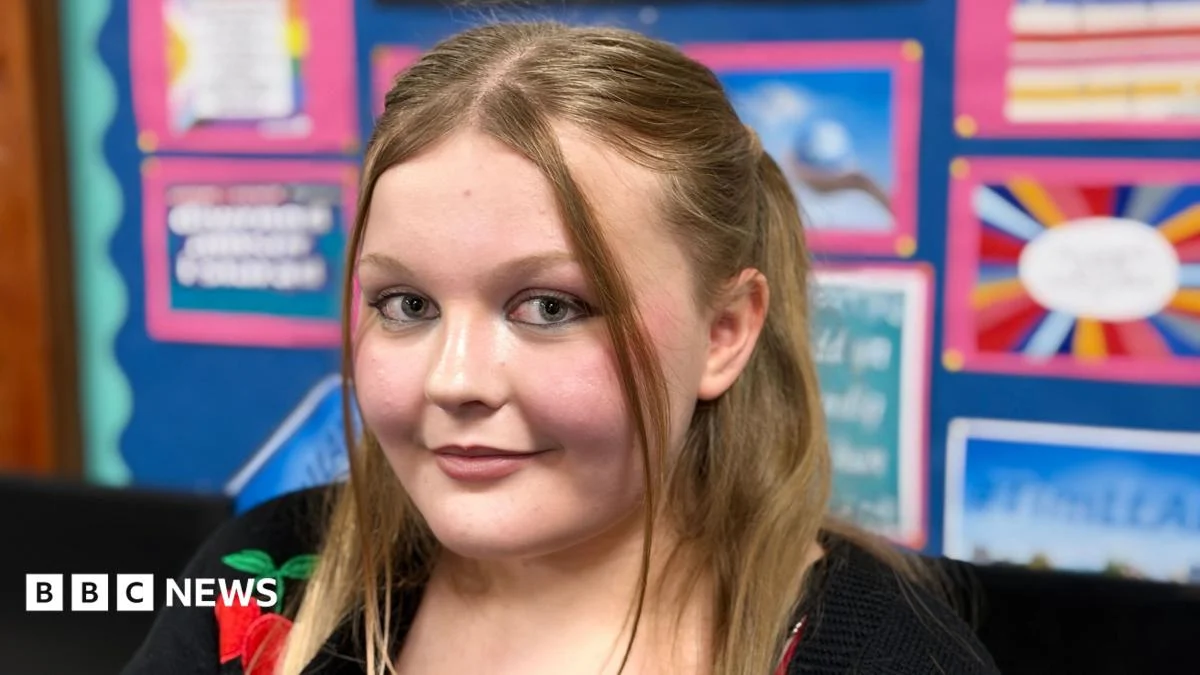
The lives of young carers like 15-year-old Neraya from Bridgend offer a poignant window into the profound sacrifices made daily. Neraya cannot recall a time when she wasn’t a primary caregiver for her two sisters, whose varying needs demand constant attention. Her days are a delicate balance of practical assistance, such as helping her sisters prepare for school, and providing crucial emotional support. This demanding role often leaves little room for the typical experiences of adolescence, leading to a profound sense of isolation and a yearning for "a childhood of our own."
Neraya’s experiences highlight a systemic lack of understanding within broader society, including educational institutions. She recounts being "picked on" due to her siblings’ perceived behaviour, and even having to explain her caregiving responsibilities to her primary school teachers, who themselves struggled to grasp the reality of her situation. This emotional burden, coupled with the practical challenges, underscores the urgency of improved awareness and support systems. For Neraya, validation and understanding are as vital as practical aid, allowing her to reconcile her caregiving identity with her right to a fulfilling youth.
Similarly, Reece Peachy, a 17-year-old from Ebbw Vale, Blaenau Gwent, helps care for his youngest brother while his parents dedicate their attention to other siblings with additional needs. Reece describes his role as "difficult but easy at the same time," a testament to the complex blend of duty and affection that defines many young carers’ experiences. His commitment means sacrificing much of the freedom typical teenagers enjoy, prioritizing his brother’s needs "before anything else." This often leads to feelings of frustration and loneliness, as social plans and personal aspirations are frequently deferred. However, Reece has found a lifeline in his local young carers group, which offers invaluable peer support, recreational trips, and opportunities for personal development like achieving his Duke of Edinburgh award. Despite his ambitious plans to pursue carpentry, his future remains intrinsically linked to his family’s needs, as he plans to stay geographically close to ensure his parents continue to have his support.
Cerys Morgan, 19, has been a caregiver for her 16-year-old brother, who is non-verbal, autistic, and physically disabled, since she was just eight years old. Her responsibilities span physical tasks, such as getting him ready for school and administering medication, to providing deep emotional support. This lifelong role has fostered in Cerys an extraordinary level of understanding and empathy, allowing her to intuitively grasp her brother’s feelings and needs. She stresses the critical importance of emotional support for young carers, particularly for those thrust into the role at a tender age without fully comprehending its implications. Cerys advocates for mentor schemes to connect young carers with experienced individuals, a resource she wished she had in her own early years to navigate the complexities of her situation and alleviate feelings of isolation.
These personal narratives collectively illustrate the profound impact of caregiving on young lives, shaping their development, social interactions, and future aspirations. They underscore the necessity for a comprehensive, empathetic, and adequately resourced support system.
The Unseen Army: Quantifying the Scale of Unpaid Care
The stories of Neraya, Reece, and Cerys are not isolated incidents but represent a widespread phenomenon across the UK. There are an estimated 5.8 million unpaid carers in the UK, a staggering figure that forms the bedrock of the nation’s social care system. Of these, approximately 170,000 are young carers, defined as individuals under 18 who provide care for a family member. The 2021 Census revealed that this included about 120,000 carers aged five to 17 in England, and approximately 8,200 in Wales. Scotland’s 2021-22 Carers Census identified 42,050 unpaid carers, demonstrating the significant presence of this demographic across all devolved nations.
These figures, while substantial, are often considered conservative estimates. Many young carers do not identify themselves as such, or their caregiving roles remain hidden from official recognition, often due to a lack of awareness among families, schools, and healthcare professionals. The true scale of young caregiving is likely much higher, highlighting a significant challenge in identification and support provision. Without the tireless efforts of these unpaid carers, the formal social care system would face immense strain, underscoring their invaluable, yet often unacknowledged, contribution to society. Their work represents an enormous economic saving to the state, yet the cost to their individual well-being and developmental opportunities is immeasurable.
Wales’ Strategic Response: Ambition Meets Reality
In recognition of this critical issue, the Welsh government’s new national strategy for unpaid carers outlines seven priority areas. Shaped by extensive engagement with carers themselves, the strategy aims to improve early recognition of carers, enhance access to support and respite services, and provide clearer information on their rights. Crucially, it also indicates a stronger focus on mental health and wellbeing support, acknowledging the significant psychological toll that caregiving can exact.
The emphasis on "earlier recognition" is particularly vital for young carers. Identifying them promptly can prevent burnout, facilitate timely interventions, and ensure they receive the necessary educational and emotional support before their responsibilities lead to irreversible negative impacts on their development. Improved "access to support and respite" is equally critical, offering young carers much-needed breaks from their duties, opportunities for socialisation, and access to professional guidance. "Better information on their rights" empowers carers to advocate for themselves and access the services they are entitled to under existing legislation, such as the Social Services and Well-being (Wales) Act 2014. Addressing mental health and wellbeing is paramount, as young carers are at a heightened risk of anxiety, depression, and stress due to their demanding roles and potential isolation.
Deputy Minister for Social Care, Delyth Jewell, lauded unpaid carers as the "backbone of care" across Wales, a sentiment that resonates deeply with the indispensable role they play. This recognition from the highest levels of government is a welcome step, but it must be matched by concrete, effective action.
Critiques and Concerns: The Gap Between Policy and Practice
While aspects of the new strategy are viewed positively, Carers Wales, a leading advocacy organisation, has expressed significant reservations. Rob Simkins, Head of External Affairs for Carers Wales, acknowledged "welcome parts," particularly regarding access to respite care and a stated desire for more carers to receive support. However, he voiced "disappointment" that key manifesto promises made by the Welsh government would be excluded from the strategy.
A major point of contention revolves around funding. Simkins highlighted that it is "not clear how the government intends to make the step-change needed without additional investment to provide the extra support that unpaid carers desperately need." The effectiveness of any strategy hinges on adequate resources to translate its aspirations into tangible support on the ground. Without dedicated, substantial funding, the ambitious goals outlined in the strategy risk remaining mere aspirations, unable to address the profound and growing needs of the carer community.
Another critical omission from the strategy, according to Carers Wales, is the manifesto commitment to ensure that carers’ needs assessments are completed within 28 days. A needs assessment is a crucial gateway for carers to access support, respite, and information. Delays in completing these assessments can prolong hardship, exacerbate mental health issues, and prevent timely intervention. Its absence from the strategy raises questions about the government’s commitment to ensuring prompt access to essential services. Carers Wales maintains that while the strategy offers positive elements, it may not go "as far as we want it to" in genuinely improving the lives of unpaid carers.
Looking Ahead: The Path to Meaningful Support
The Welsh government, in response to these concerns, stated that it has "engaged extensively with a wide range of social care groups" and believes its national strategy will help ensure carers receive the recognition and support they deserve. Significantly, it also indicated that it is "considering whether changes are needed to strengthen support for carers, including imposing a timescale on the completion of carers’ needs assessments." This latter statement suggests an acknowledgment of the feedback from organisations like Carers Wales and a potential willingness to revisit specific commitments, offering a glimmer of hope that the strategy could be further refined.
The journey from strategy document to lived reality is often fraught with challenges. For the Welsh government’s new strategy to truly succeed, it must move beyond rhetoric to establish robust mechanisms for identification, assessment, and provision of support. This requires not only adequate financial investment but also a cultural shift in how society views and supports its carers. Schools must be equipped to identify and support young carers, healthcare professionals need training to recognise their dual roles, and communities must foster environments of understanding and inclusion.
Innovative approaches, such as the mentor schemes suggested by Cerys Morgan, could provide invaluable peer support and guidance, empowering young carers to navigate their complex lives. The success of Reece Peachy’s young carers group demonstrates the profound impact of dedicated spaces where these young individuals can connect, share experiences, and simply be children.
Ultimately, the new national strategy represents a critical moment for unpaid carers in Wales. Its publication marks an opportunity to transform the lives of individuals like Neraya, Reece, and Cerys, ensuring they are not forgotten or left to struggle in silence. The challenge now lies in ensuring that the strategy’s ambitions are fully realised, providing the tangible, timely, and comprehensive support that the "backbone of care" so desperately needs and profoundly deserves. Only then can Wales truly claim to be supporting its most vulnerable and vital citizens.
