
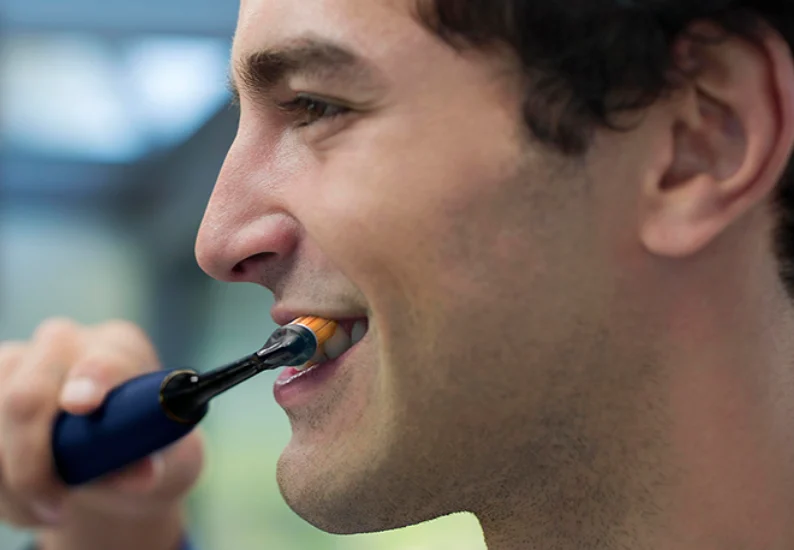
"A toothbrush is a precision instrument, not a lifetime household tool; once the bristles lose their structural integrity, they cease to remove the plaque that leads to systemic inflammation and tooth loss."

While most people view the daily ritual of brushing as a simple chore, the efficacy of this habit relies almost entirely on the mechanical condition of the brush itself. Dental professionals emphasize that the transition from an effective cleaning tool to a useless plastic wand happens quietly, often months before the user notices, transforming a preventative health measure into a source of false security that can lead to gingivitis and long-term periodontal damage.
The bathroom is often the most overlooked laboratory in a home. In a cup or holder on the counter sits a tool used at least twice daily, yet it is frequently treated with less scrutiny than the expiration date on a carton of milk. For many, a toothbrush is replaced only when the bristles resemble a splayed-out broom or when a semi-annual dental cleaning provides a free replacement. However, according to the American Dental Association (ADA) and leading endodontists, waiting for visible destruction means you have already spent weeks, if not months, leaving your oral health to chance.

The Three-Month Threshold: More Than a Suggestion
The standard recommendation for replacing a toothbrush or an electric brush head is every three to four months. This is not an arbitrary number designed to drive sales for oral care companies; it is a timeline based on the physical degradation of nylon bristles. Both manual and electric brushes are subject to the same laws of friction and moisture. Over 90 to 120 days of use, the fibers of the bristles begin to fray and lose their tensile strength.
Dr. Craig Noblett, D.D.S., M.S., and President of the American Association of Endodontists, notes that the easiest indicator of a brush’s expiration is the visual alignment of the bristles. If you flip the brush over and look at it from the side, the bristles should stand in neat, vertical rows. When those bristles begin to "flare" or fan out sideways, the brush is effectively retired. The stiffness of the bristle is what allows it to flick plaque away from the gumline. Once they go soft and flared, they simply slide over the surface of the teeth, leaving the most dangerous bacteria behind.

The Mechanics of Plaque Removal
To understand why bristle integrity matters, one must understand the nature of plaque. Plaque is a biofilm—a sticky, living colony of bacteria that adheres to the enamel. If not physically disrupted and removed, it begins to mineralize into tartar (calculus) within 24 to 72 hours. Once plaque hardens into tartar, it cannot be removed by a toothbrush, regardless of how hard you scrub.
The most critical battleground is the "gingival sulcus," the shallow groove where the tooth meets the gum tissue. This is where a worn-out brush fails most significantly. Bent and softened bristles cannot reach into this tight seam. When plaque settles here, the body’s immune system responds with inflammation, leading to gingivitis. The symptoms are subtle at first: gums that bleed slightly during brushing, a persistent puffiness, or breath that remains unpleasant despite the use of mouthwash. If left unchecked, this inflammation can evolve into periodontitis, which attacks the bone and ligaments supporting the teeth.

Manual vs. Electric: The Data-Driven Choice
The debate between manual and electric toothbrushes is often framed as a matter of preference, but clinical data suggests a clear winner in terms of efficiency. A comprehensive Cochrane review, which analyzed 56 trials involving over 4,600 participants, found that electric toothbrushes remove significantly more plaque than their manual counterparts. Specifically, powered brushes removed approximately 11 percent more plaque in the short term and 21 percent more over a sustained period of use.
However, Dr. Pablo Atria, DDS, MSc, PhD, and Program Director at the NYU College of Dentistry, points out that these results are most pronounced with "oscillating-rotating" heads—the small, round brushes that spin rapidly back and forth. While electric brushes offer a mechanical advantage, they are not a panacea for poor habits. Dr. Atria emphasizes that technique and consistency remain the primary drivers of oral health. A person with a flawless manual technique can maintain a healthy mouth, but the electric brush serves as a "force multiplier" for the average user who may be rushed or distracted.

The Behavioral Advantage of Technology
The true value of modern electric toothbrushes often lies less in the motor and more in the integrated biofeedback systems. Human error is the leading cause of dental issues, and two specific errors are nearly universal: not brushing long enough and brushing too hard.
Most people believe they brush for the recommended two minutes, but studies consistently show that the average person stops after less than 60 seconds. Built-in timers in devices like the Oral-B iO Series or the Philips Sonicare DiamondClean force the user to adhere to the full duration required for effective biofilm disruption.

Furthermore, many men, in particular, tend to over-scrub, applying excessive pressure in a misguided attempt to "clean harder." This aggressive friction can lead to gum recession and the wearing down of tooth enamel. Modern high-end brushes now feature pressure sensors that alert the user—often through a pulsing light or a change in motor vibration—the moment they apply too much force. This protects the delicate soft tissue while ensuring the bristles can do their mechanical work without being crushed against the tooth.
Hygiene and Environmental Factors
The environment in which a toothbrush lives is also a factor in its lifespan. Bathrooms are typically warm, damp environments—ideal breeding grounds for bacteria. While Dr. Noblett notes that the evidence of a toothbrush "reinfecting" a user after a common cold or strep throat is relatively thin, he still recommends a replacement following an illness. The logic is practical: if you have been sick for two weeks, your brush was likely already nearing its three-month limit, and the accumulation of bacteria during an illness provides a logical breaking point for a fresh start.

Proper storage is equally vital. A common mistake is using travel caps or closed containers for daily storage. These trap moisture and prevent the bristles from drying out, which encourages bacterial growth. The best practice is to rinse the brush thoroughly after use, shake off the excess water, and store it upright in an open-air environment.
Recognizing Red Flags
It is important to distinguish between a hygiene problem and a clinical issue. If a user experiences lingering sensitivity to heat or cold, pain that lasts for several days, or an ache when biting down, the solution is not to brush more aggressively. According to Dr. Noblett, these symptoms often signal that the internal tissue of the tooth—the pulp—is inflamed or infected. In these instances, no amount of brushing, regardless of the quality of the tool, will solve the problem. Early intervention by a professional is often the only way to save a tooth from requiring a root canal or extraction.

Current Industry Standards in Oral Care
For those looking to upgrade their hardware, the market currently offers a range of sophisticated options that cater to different needs and budgets:
- The Gold Standard: The Oral-B iO Series 10 represents the pinnacle of oscillating-rotating technology, featuring real-time AI tracking to ensure no spot is missed.
- The Sonic Alternative: The Philips Sonicare DiamondClean Smart 9700 uses high-frequency vibrations to create microbubbles that reach deep between teeth.
- The Hybrid Approach: The Waterpik Sonic-Fusion 2.0 combines a high-speed toothbrush with a built-in water flosser, addressing plaque and interdental cleaning simultaneously.
- The Minimalist Option: For those who prefer a slimmer profile, the Quip Rev 360 offers the benefits of an electric motor with the portability of a manual brush.
- The Budget Conscious: The Colgate Total Battery Powered Toothbrush provides a significant mechanical upgrade over manual brushing at a fraction of the cost of premium rechargeable units.
Ultimately, the most expensive toothbrush in the world is useless if the bristles are worn out or if the technique is flawed. Maintaining a rigid replacement schedule and paying attention to the mechanical feedback of the brush are the simplest, most cost-effective ways to ensure a lifetime of dental health. Your toothbrush is a frontline defense against systemic disease; treat it with the respect a precision instrument deserves.
