

"We can’t tell which patient is likely to die by suicide in the next six months. Instead, we need to ensure lethal means are not readily available."
This stark admission from a leading suicide prevention expert underscores a fundamental challenge in mental health care: the inability to accurately predict individual suicide risk. While traditional approaches focus on identifying and treating individuals, a growing body of research and advocacy highlights the critical, and often more effective, strategy of reducing access to lethal means. This shift in focus, particularly concerning firearms, offers a promising path forward in saving lives, though it is fraught with significant political and constitutional complexities.
Paul Nestadt, a psychiatrist and prolific researcher in suicide prevention, articulates a widely acknowledged reality in the field: predicting who will die by suicide is notoriously difficult, with current methods proving only marginally better than chance and showing little improvement over five decades. This diagnostic uncertainty does not lead to despair, however. Instead, it compels Nestadt and others to explore interventions that do not rely on pinpointing individuals at immediate risk. "Instead of asking every doctor to figure out which patient will die by suicide and locking that patient up, it might be that we need to make sure there aren’t loaded guns available," Nestadt explains. This philosophy, which prioritizes environmental and situational safeguards over individual prediction, forms the cornerstone of a broader movement seeking to expand suicide prevention beyond traditional therapeutic and pharmacological interventions.
This examination of innovative suicide prevention strategies is part of an ongoing series by KFF Health News. While therapy and medication are undeniably vital, a consensus is emerging among clinicians, researchers, and those who have experienced loss: more comprehensive approaches are urgently needed. The challenge lies in translating these broader strategies, especially those involving firearms, into actionable policy, where constitutional rights and deeply held beliefs create formidable obstacles.
The evidence supporting the efficacy of limiting access to lethal means is substantial. Research consistently points to this as one of the most effective methods for preventing suicide deaths. This can encompass a range of interventions, from engineering physical barriers on bridges and buildings to deter jumping, to implementing stricter regulations on the quantity of medications that can be purchased or prescribed. However, the data strongly suggests that reducing access to firearms holds the greatest potential for saving lives. Nestadt, who also serves as medical director at the Johns Hopkins Center for Suicide Prevention, asserts, "That’s the one that will save the most lives." Yet, this approach is also arguably the most contentious and difficult to implement.
The stark reality of firearm suicide in the United States cannot be overstated. Preliminary federal data reveals that over 28,000 individuals died by suicide using a firearm in the past year, accounting for more than half of all suicide deaths nationwide. Even as overall suicide rates have seen a recent decline, the number of gun suicides has reached record highs for five consecutive years. While certain demographics, such as middle-aged white men and veterans, have historically exhibited high suicide rates and continue to be disproportionately affected, recent trends indicate a disturbing rise in gun suicides among women and within some Black and Latino male communities. This latter trend is particularly concerning, especially in light of a surge in first-time gun buyers during the COVID-19 pandemic, underscoring the urgent need for broad-reaching prevention efforts.

A common, yet scientifically unsupported, assumption is that individuals intent on self-harm will inevitably find an alternative method if one is made inaccessible. However, extensive research refutes this notion of "means substitution." Studies indicate that restricting access to one method does not typically lead individuals to adopt another. The critical factor is often the immediacy of the impulse. Suicidal crises can erupt rapidly, with the time between deciding to die and acting on that decision sometimes lasting less than an hour, or even mere minutes. Any delay introduced by requiring extra steps, such as unlocking a gun safe, can provide a crucial window for reconsideration or for intervention by others.
Despite the compelling evidence, discussions surrounding firearms in the United States, even within the context of suicide prevention, are highly polarizing. Proposals for background checks, waiting periods, or red flag laws immediately ignite partisan debate. Gun owners and the firearm industry often view such policies as an infringement on Second Amendment rights, while many policymakers consider the issue a political non-starter.
The Trump administration, for instance, has been a staunch supporter of gun rights. During its tenure, numerous firearms regulations were rolled back, a previous Surgeon General’s advisory labeling gun violence a public health crisis was rescinded, and grants focused on community gun violence prevention were eliminated. Federal staff dedicated to this issue were also reduced. While the White House did not directly address specific questions about the impact of these actions on gun suicide rates, a spokesperson stated President Trump’s commitment to "Making America Healthy Again," highlighting support for psychedelic treatments for mental illness and grants for veteran suicide prevention. These initiatives, while valuable, represent a different facet of the complex suicide prevention landscape.
One policy that has gained some traction, despite considerable opposition, is the Extreme Risk Protection Order (ERPO), commonly known as a red flag law. Adopted in some form by 22 states and the District of Columbia, these laws empower judges to temporarily confiscate firearms from individuals deemed a danger to themselves or others, based on presented evidence. While often enacted in response to mass shootings, research suggests their greater efficacy lies in suicide prevention.
The fundamental challenge with red flag laws, like other predictive models, is the necessity of identifying an individual in crisis. Dorothy Paugh’s personal history exemplifies this dilemma. Her father died by suicide in 1965 after a period of significant distress following job loss. Paugh believes that if a mechanism like an ERPO had existed then, or if a close friend had temporarily held his handgun, her father might have survived. Decades later, Paugh became a vocal advocate for red flag laws in Maryland, witnessing their eventual passage. She believes these laws are saving lives, with studies in other states indicating that for every 10 to 20 guns removed via ERPOs, one suicide is averted.
However, Paugh also acknowledges the limitations of such targeted interventions. Her 25-year-old son, Peter, died by suicide in 2012. Unlike her father’s situation, Paugh states there were no apparent warning signs for Peter. "I did not know that my son was suicidal. I didn’t have a clue," she recounts. In such cases, even if a red flag law were in effect, Paugh would not have had grounds to initiate the process. This highlights a critical gap: many individuals who die by firearm suicide are not identified as high-risk by their families or clinicians.
Michael Anestis, a clinical psychologist and executive director of the New Jersey Gun Violence Research Center, points out that individuals who die by suicide using firearms are less likely to have sought mental health care beforehand. Furthermore, a significant number of veterans and service members who die by gun suicide never confide in anyone about their suicidal ideations in the period leading up to their death. This reality underscores why red flag laws, while valuable, represent only a partial solution. They are politically more palatable because they target specific individuals, but they do not address the broader population of "quietly suicidal" individuals.
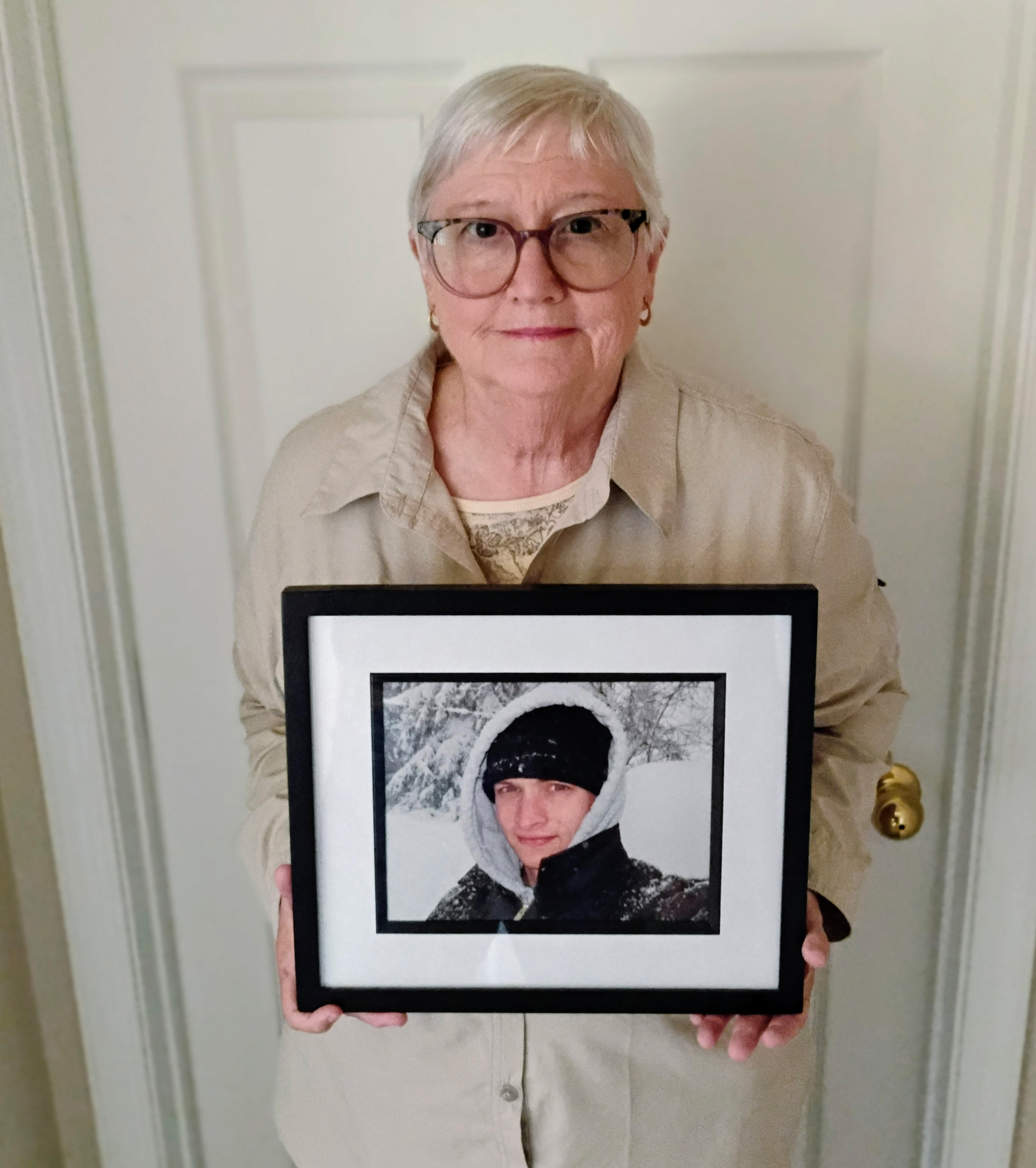
Nestadt advocates for a public health approach to suicide prevention, drawing parallels to the strategies employed in reducing traffic fatalities. "You’re not trying to figure out who’s at risk of an accident" by assessing individual vulnerabilities, he explains. Instead, governments implemented comprehensive safety measures such as speed limits, mandatory seatbelt laws, and safety features in vehicles. These systemic changes led to a significant decline in crash death rates.
Applying a similar framework to suicide prevention could involve measures like requiring permits and background checks for firearm purchases, alongside mandatory waiting periods. Research supports this approach: a study in Connecticut found that implementing a permit-to-purchase law was associated with a roughly 15% decrease in gun suicide rates, while the repeal of such a law in Missouri coincided with a 16% increase in firearm suicide rates.
Additionally, the increasing prevalence of "Child Access Prevention" (CAP) laws, enacted in approximately three dozen states, mandates gun owners to secure their firearms in households with children. These laws have been demonstrably effective in reducing youth suicides, a critical concern given the alarming rise in gun suicide rates among Black youths (245%) and Latino youths (98%) since 2014. Beyond suicide, Anestis notes that such laws requiring permits and safe storage can also reduce homicides and other gun-related injuries. The trauma and habituation to violence that result from community exposure can create a "double whammy," increasing the likelihood of suicide.
Opponents of universal firearm regulations, including many gun owners and trade associations, tend to favor educational campaigns that emphasize individual responsibility. These initiatives focus on recognizing warning signs, open discussions about mental health, and safe gun storage. The National Shooting Sports Foundation, representing the firearms industry, has partnered with the American Foundation for Suicide Prevention to distribute educational materials in gun shops. Bill Brassard, the NSSF’s senior director of suicide prevention initiatives, stated, "Our purpose is to provide educational materials to the firearm-owning community on how to help prevent suicide and save lives."
The National Rifle Association (NRA) contends that policies focusing on firearms distract from the root causes of suicide, such as mental illness. NRA spokesperson Justin Davis commented, "Suicide is a serious issue that deserves serious solutions focused on the underlying causes, not on political efforts to restrict the rights of law-abiding Americans. A truly dangerous individual needs to be incapacitated, not just deprived of one particular means of harm."
Despite the broad political divides, some initiatives have fostered unlikely collaborations, bringing together gun store owners, public health experts, and even libraries. These efforts include providing free gun locks, establishing temporary gun storage facilities for individuals in crisis, and educating gun purchasers on how to avoid selling firearms to someone who may be suicidal. These community-based efforts offer a glimmer of hope and reinforce Dorothy Paugh’s dedication to advocating for improved mental health care, open dialogue about suicide, and policies that reduce access to lethal means.
"It’s not a cure-all," Paugh acknowledges regarding these policies, "But it does save lives." Having personally experienced the profound loss of both a parent and a child to suicide, she understands the immeasurable value of even a single life saved. "If you’re that one person or that person’s family, it’s all the difference in the world," she concludes.
