
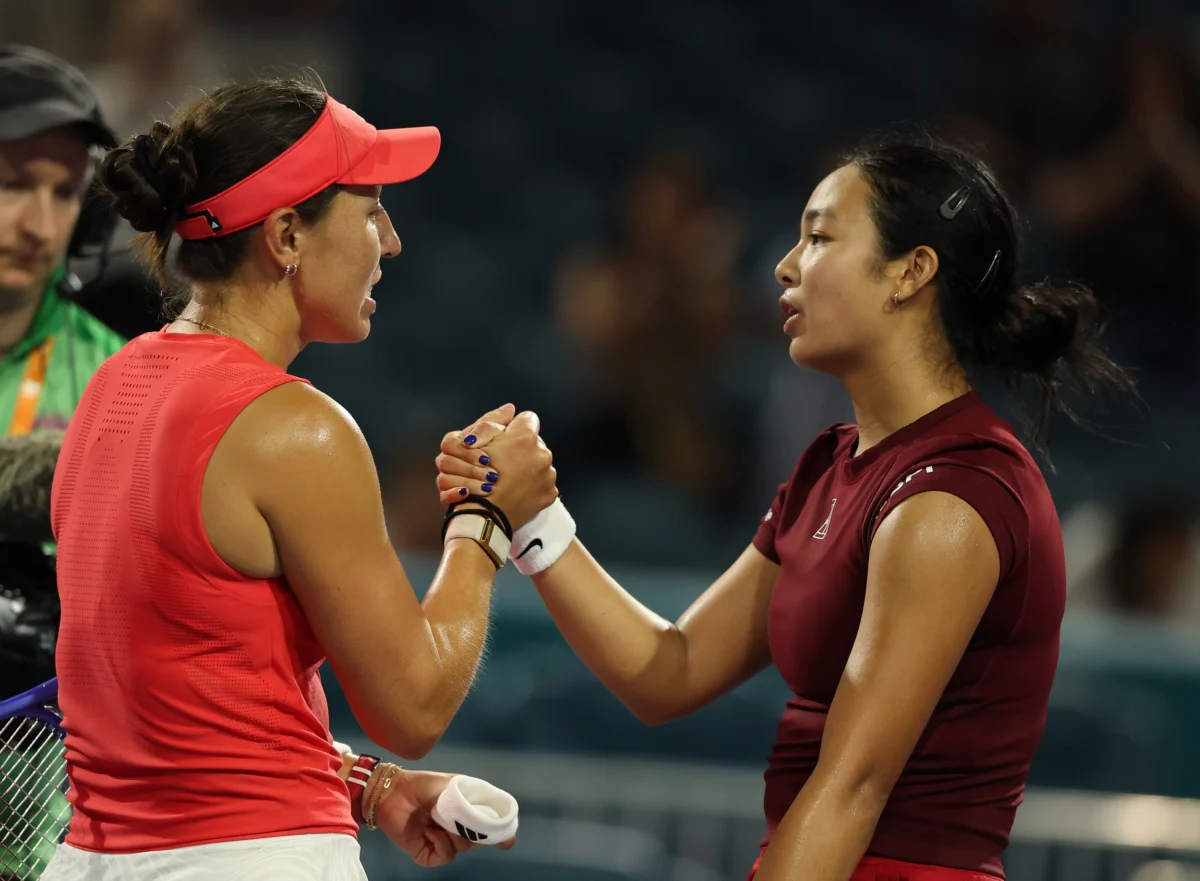
"Athlete safety is paramount, and even the most anticipated finals must yield to the undeniable risks posed by severe weather, including heavy rain and lightning."
The highly anticipated women’s singles final of the Mubadala Citi DC Open, set to feature the Philippines’ Alexandra Eala against defending champion Jessica Pegula of the United States, was dramatically interrupted and subsequently postponed due to persistent and severe weather conditions in Washington, D.C. The decision by tournament officials to suspend play underscored the critical importance of prioritizing the well-being of athletes, officials, and spectators over maintaining a strict competition schedule. This significant delay, occurring during one of the tournament’s marquee matches, drew considerable attention and served as a stark reminder of the inherent vulnerabilities of outdoor sporting events to the unpredictable forces of nature.
The unfolding events at the Mubadala Citi DC Open provided a clear illustration of the challenges faced by organizers of outdoor sporting events when confronted with adverse weather. Persistent rain had already been a disruptive factor throughout the tournament, but the situation escalated to a point where continuing play became an unacceptable safety risk. Tournament officials, after a period of careful monitoring, made the difficult but necessary decision to halt the championship match. This action was not taken lightly, as it directly impacted the culmination of a significant WTA 500 event, a stage eagerly anticipated by fans eager to witness the clash between Eala and Pegula. The intervention of severe weather, characterized by heavy rainfall and the ominous presence of lightning, necessitated the evacuation of spectators to safe shelters and the withdrawal of players from the court. The ultimate postponement of the final, with a commitment to resume play once conditions improved, highlighted the structured protocols in place to manage such emergencies, ensuring that the safety of all participants remained the foremost consideration.
The interruption of the Mubadala Citi DC Open final reverberated beyond the immediate disappointment of fans, sparking a broader discussion about the intricate relationship between weather and athletic performance, as well as the potential for severe weather to escalate into significant health and safety hazards. Reports from various sports news outlets, including Pro Football and Sports Network and Heavy, detailed how the prolonged weather delay not only impacted the final match but also necessitated adjustments to the broader tournament schedule. This demonstrates the cascading effects that severe weather can have on the logistical planning and execution of large-scale sporting events. The decision to postpone was not an isolated incident but rather a manifestation of established safety protocols that govern outdoor sports globally. These protocols are designed to mitigate the inherent risks associated with conditions such as lightning, torrential rain, and the resultant slippery playing surfaces, which can dramatically increase the potential for injuries.
The scientific and medical literature consistently points to the multifaceted dangers athletes face when competing under adverse weather conditions. Heavy rain, in particular, transforms playing surfaces into hazardous environments. The reduction in traction is a primary concern, significantly increasing the probability of slips, falls, and subsequent injuries such as ankle sprains, knee ligament tears, and muscle strains. For sports like tennis, which demand rapid changes in direction, explosive acceleration, and sudden deceleration, the diminished grip on the court surface amplifies the risk of acute injuries. Extensive research in sports medicine has illuminated the critical role of environmental factors, including the state of the playing surface, in influencing injury incidence. These conditions directly affect an athlete’s stability, biomechanics, and overall ability to execute movements safely.
Beyond the physical challenges posed by rain, lightning represents an even more immediate and life-threatening danger. The detection of lightning strikes in the vicinity of outdoor sporting events triggers mandatory suspensions of play due to the catastrophic potential for severe injury or fatality. The physiological impact of a lightning strike can range from cardiac arrest and neurological damage to severe burns. Furthermore, heavy rainfall can impair visibility, making it more difficult for athletes to track balls, judge distances, and anticipate opponents’ movements, thereby compromising their concentration and decision-making abilities. The physical handling of equipment, such as rackets, can also become more challenging due to increased moisture. Consequently, established sports safety guidelines universally advocate for the postponement or suspension of outdoor activities when thunderstorms are present, with play only resuming after weather conditions have demonstrably improved and the threat has passed. These guidelines are not merely suggestions but are often codified into the operational procedures of sporting organizations to ensure a baseline level of safety.
The implications of these weather-related disruptions extend to recreational athletes as well, underscoring the universal applicability of weather safety principles. For individuals participating in amateur sports, adherence to simple yet crucial safety measures can significantly reduce their risk of injury. This includes wearing appropriate footwear designed for the playing surface, avoiding waterlogged or saturated fields, and ceasing all activity immediately upon the first audible sign of thunder or the visual detection of lightning. These practices are fundamental to mitigating preventable injuries and promoting a culture of safety awareness within the sporting community.
The postponement of the Mubadala Citi DC Open final serves as a powerful testament to the principle that athlete safety must always supersede the imperative to maintain competition schedules. While such delays can undoubtedly lead to disappointment for both the athletes involved and the eagerly awaiting spectators, the decision to suspend play during periods of severe weather is a critical component of responsible event management. By preemptively halting competition, organizers effectively reduce the likelihood of preventable injuries and safeguard the well-being of everyone present. This situation offers a valuable educational moment, not only for professional athletes but also for those who engage in recreational sports. It reinforces the indispensable need to assess weather conditions meticulously before participating in any outdoor athletic endeavor. The act of waiting for safe conditions, adhering to the directives of event officials, and giving due respect to weather warnings, particularly those related to lightning and severe storms, are not merely cautionary advisements but essential practices that protect individual health and allow for the safe resumption of competition when the elements permit. The commitment to safety in the face of unpredictable weather ultimately ensures the integrity and sustainability of sports at all levels.
