
"Grief in young adulthood often feels like an isolating, uncharted journey, but ‘Too Young to Grieve’ is forging vital connections, proving that shared experience and understanding can transform profound loss into a pathway for healing and community."
The unexpected death of a loved one can shake the foundations of anyone’s world, but for young adults, grappling with such profound loss often comes with a unique set of challenges and an acute sense of isolation. This overlooked demographic, typically aged 18 to 35, finds itself at a critical juncture of personal development, career building, and relationship formation, making the impact of bereavement particularly disruptive. It was this deeply felt void in support that inspired Luke Alfano, who at just 21, experienced the sudden death of his father following a two-week cancer diagnosis, to create a lifeline for others navigating similar circumstances: "Too Young to Grieve."
Luke’s personal journey into the labyrinth of grief began abruptly. The shock of losing his father so suddenly, and at such a formative age, left him adrift. "I lost my dad when I was 21. I didn’t feel like there was much out there for young adults experiencing loss," he recounted to BBC News NI. In the immediate aftermath, Luke found himself grappling with an unfamiliar emotional landscape. "That initial first year or two, I didn’t really know what was going on. I didn’t know what this thing called grief was, I just ignored it." This period of suppressed emotion, a common coping mechanism for many, meant his grief remained unprocessed, a dormant force beneath the surface of his life. It wasn’t until four years later, at the age of 25, when he experienced the loss of his grandmother, that the dam broke. This second bereavement served as a potent trigger, forcing him to confront not only his grandmother’s death but also the unaddressed pain from his father’s passing. "That experience was a trigger to think back to what happened with my dad and think I don’t want to experience that again, so let me try and understand it a bit more," he explained.
This moment of clarity ignited a powerful resolve within Luke. He recognized a systemic gap in support for young adults, a demographic often overlooked in bereavement services typically geared towards children or older individuals. He understood that while adults are expected to be resilient, young adults are often navigating their first significant losses, often without the life experience or social structures to adequately cope. His vision for "Too Young to Grieve" was born from this understanding: a casual, accessible community where young people could connect, share their experiences, and find solidarity. The group offers a space to "have a moan, have a laugh, talk about your grief and just know that people understand you." It’s not a formal therapy group, but rather a peer-led initiative that fosters connection through shared activities ranging from walks and hikes to pottery painting and football tournaments. This blend of social interaction and open conversation creates an environment where individuals can process their emotions without the pressure of traditional therapeutic settings. The rapid expansion of "Too Young to Grieve" to over 20 locations globally, including major cities like London, Manchester, and extending to the US and Australia, and most recently Belfast, underscores the universal and pressing need for such support.
The impact of "Too Young to Grieve" is vividly illustrated through the stories of its members, each highlighting the unique challenges of young adult grief and the profound relief of finding a supportive community. Chris Guiller was 26 when his father died at 57, just five months after a cancer diagnosis. The suddenness of the loss was devastating for his entire family. "You think you have your parents until later on in life, so when it comes at such a young age, it’s difficult," Chris shared. Like Luke, he found himself isolated by his grief, noting, "I didn’t have people around me that understood what I was going through." Almost two years later, Chris now leads the Belfast branch of "Too Young to Grieve," describing the experience as "fantastic." He emphasizes the invaluable sense of validation and normalcy it provides: "You know you’re not going through it by yourself. What you’re feeling is normal. It’s nice to have."
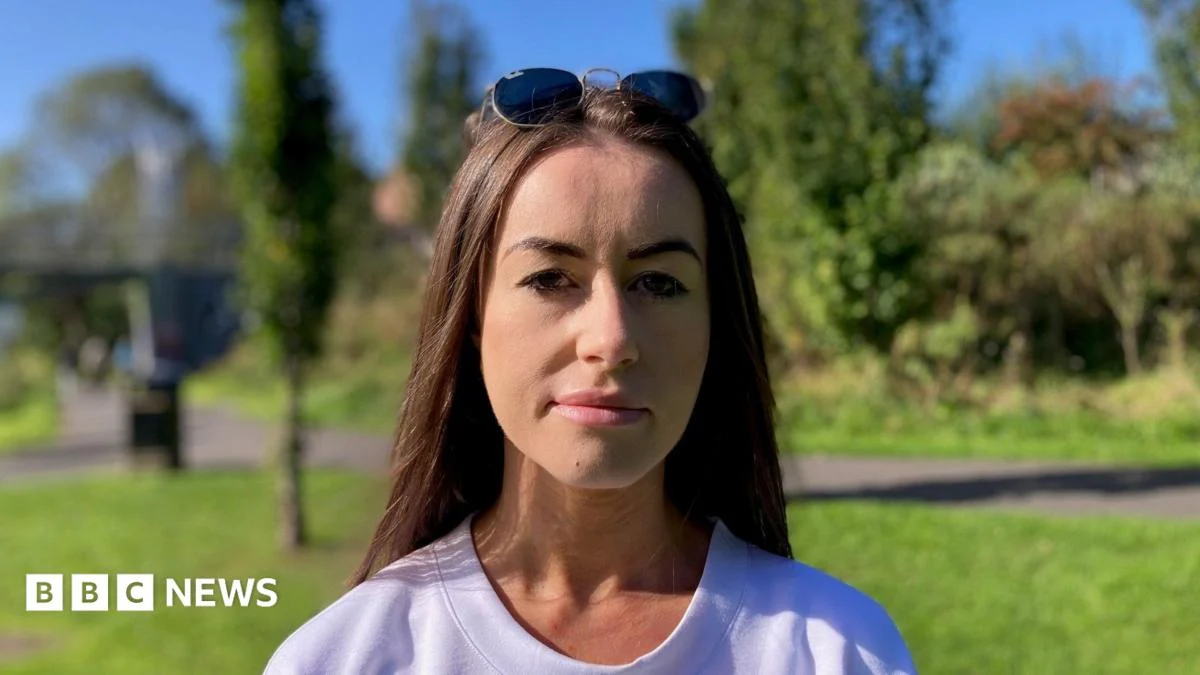
Katherine Macauley, 32, experienced an unimaginable tragedy when her fiancée, Peter, died following an accident at work a few years ago. "I still can’t believe that it’s real," she expressed, acknowledging that her grief will likely "never end." However, she actively seeks "ways to cope," and "Too Young to Grieve" has become one of her most significant avenues for healing. Katherine articulates the core benefit of the community: "Too Young to Grieve is a really lovely way of bringing people together that are in similar situations. You feel that you’re actually not alone and that other people can have some shared experience with you, and that you can learn from that and you can comfort each other through that. It’s a really, really wonderful community and group of people." Her words underscore the power of shared experience in normalizing grief and fostering mutual support.
Another poignant testimony comes from William Gregg, who lost his mother in 2017 when he was just 14. "It tore me apart for a little while, I sort of lost my way," he admitted, reflecting on the profound impact of not knowing "how to handle it" at such a young age. He described the experience as "quite catastrophic and emotionally damaging." For William, "Too Young to Grieve" has been "very helpful." He values the opportunity to connect with "people out there who have gone through something similar and are able to talk about it," a stark contrast to his youth where he "didn’t really have anybody to talk to." He specifically highlights the positive impact on his mental health, finding in the group a safe space to "express yourself freely."
The stories of Luke, Chris, Katherine, and William collectively illuminate a critical aspect of grief in young adulthood: its often unrecognized complexity. This life stage is characterized by significant identity formation, the establishment of independent relationships, and the forging of career paths. Losing a parent, a partner, or a close family member during this period can derail these developmental milestones, leading to prolonged distress, anxiety, depression, and difficulties in future relationships. The absence of adequate peer support or understanding from those who haven’t experienced similar losses can exacerbate feelings of isolation, making the grieving process even more arduous. "When you’re 18 to 35, you’re grieving someone that most people are going to turn to for a lot of the most important decisions in your life," Luke Alfano insightfully points out. "You just want to talk about your person, or just have a space to talk about how you’re feeling." This highlights the practical and emotional vacuum left by a loved one’s death, often compounded by a societal discomfort with discussing death and grief openly.
Beyond creating supportive communities, Luke Alfano is a passionate advocate for systemic change, calling for better signposting of resources around grief and bereavement within schools and universities. His plea underscores the importance of proactive education and support, rather than reactive crisis intervention. Equipping young people with an understanding of grief and coping mechanisms early in life could significantly mitigate the long-term psychological impact of loss.
The policy landscape regarding bereavement education, however, reveals a disparity within the UK. Last year, the Department for Education in England published statutory guidance mandating lessons on loss, grieving, and bereavement in primary and secondary schools from September 2026. This forward-thinking initiative acknowledges the fundamental role education can play in preparing young people for life’s inevitable challenges. In contrast, no such explicit guidance exists in Northern Ireland. A spokesperson for the Department of Education in Northern Ireland stated that "schools have pastoral care policies and structures" to ensure children know who to contact for bereavement support. Furthermore, they noted that the Council for the Curriculum, Examinations and Assessment (CCEA) provides resources addressing grief, loss, and bereavement at both primary and post-primary levels. While pastoral care and CCEA resources are undoubtedly valuable, the absence of explicit, statutory curriculum guidance raises questions about the consistency and depth of bereavement education across all schools in Northern Ireland, potentially leaving young people less prepared to navigate profound loss compared to their counterparts in England. This discrepancy highlights a critical area where policy reform could further enhance the well-being of young people facing bereavement.
In conclusion, "Too Young to Grieve" stands as a powerful testament to the transformative potential of peer support and community in the face of profound loss. Luke Alfano’s personal tragedy has been channeled into a global movement that addresses a crucial, often overlooked, need. The organization’s success, coupled with the poignant stories of its members, underscores that while grief is a deeply personal journey, it need not be a solitary one. As "Too Young to Grieve" continues to expand its reach, it not only offers a vital sanctuary for young adults but also serves as a compelling call to action for broader societal recognition and systemic educational reforms to better equip the next generation to understand and navigate the complexities of bereavement.
