
"A critical lapse in product safety standards for infant sleeping bags highlights the paramount importance of consumer vigilance and robust industry protocols to prevent potentially fatal hazards, underscoring that trust in major retailers must be consistently earned through unwavering commitment to child safety."
This incident, involving a popular high street retailer, reveals a disturbing discrepancy between stated product compliance and actual safety, where a baby sleeping bag, labelled to meet British standards, was found to have a neck opening significantly exceeding safe limits. The swift intervention of a concerned parent, whose personal history with infant mortality fuels her dedication to child safety, has led to a nationwide recall, drawing crucial attention to the often-overlooked details of product design that can have life-or-death consequences for the most vulnerable consumers.
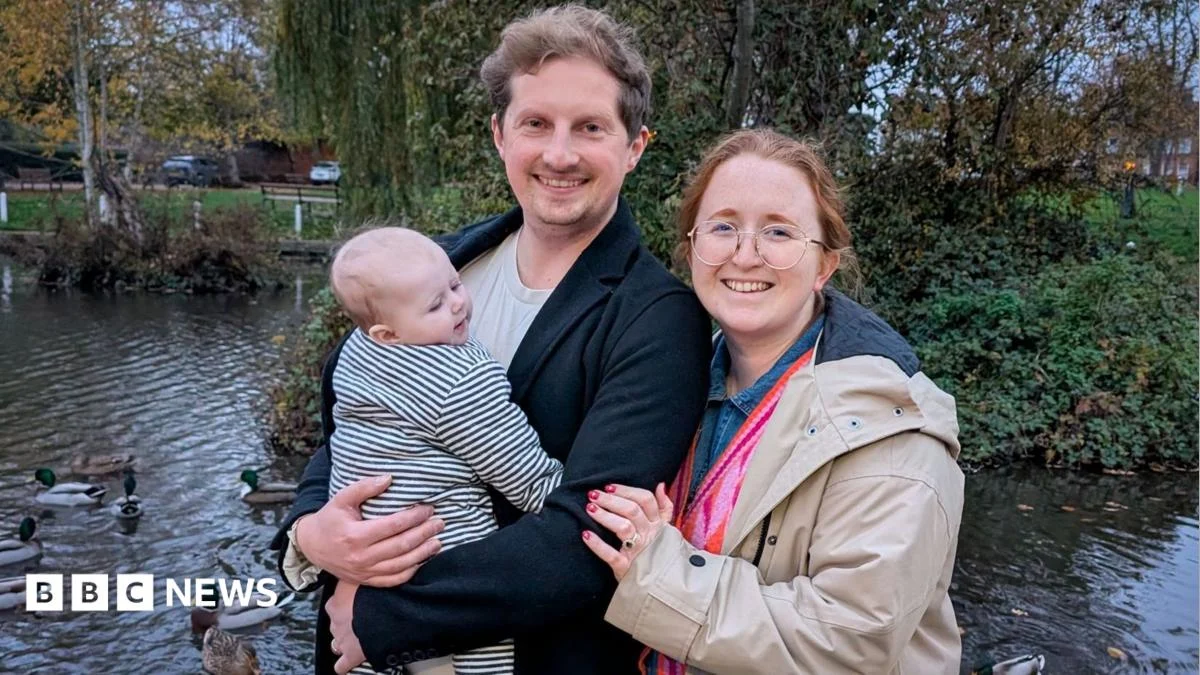
Leading high street retailer Next has initiated a comprehensive product recall for a line of baby sleeping bags after a concerned parent discovered a critical safety flaw. The recall was prompted by Emma, a vigilant mother, who identified that the neck opening of a sleeping bag purchased for her daughter, Rosie, posed a significant suffocation risk due to its excessive size. Rosie, who was three and a half months old and measured 59cm at the time of purchase, was placed in a sleeping bag that, despite being labelled as compliant with British standards, did not meet essential safety specifications.
Emma’s concerns arose almost immediately after she realised the sleeping bag seemed unsuitable for her infant daughter. That same night, she began her own detailed research into infant product safety standards. Her investigation quickly revealed a concerning discrepancy: the maximum allowable neck circumference for a sleeping bag of that size should be 32cm, according to established safety guidelines. Upon measuring the specific sleeping bag, Emma found its neck hole to be a dangerous 36cm, a significant deviation that could have dire consequences for an infant.
The potential hazards associated with oversized neck openings in baby sleeping bags are well-documented by safety organisations. According to the British Retail Consortium (BRC), a recognised authority on retail standards and best practices, a "significant hazard arises if a child slips through the neck opening of a sleep bag and the material covers the child’s nose and mouth." The BRC further warns that in such circumstances, "suffocation can occur and may lead to the brain becoming starved of oxygen, which may result in asphyxia and potential brain damage or fatality." These stark warnings underscore the critical importance of adhering to precise design specifications for infant products.
To mitigate such severe risks, the European standard EN 16781 specifies strict maximum and minimum size parameters for the neck opening circumference, directly correlated with a child’s height. For instance, a sleeping bag designed for an infant between 50 cm and 65 cm tall – a category Rosie fell into – should feature a neck circumference no smaller than 28 cm and no larger than 32 cm. The 36cm measurement of Next’s product dramatically exceeded this safe limit, creating a hazardous gap that could allow a small infant to slip down, potentially obstructing their airway.
For Emma, the issue of infant safety, particularly concerning suffocation, resonates on a deeply personal level. Her older brother tragically died of Sudden Infant Death Syndrome (SIDS) as a baby. This profound family experience has instilled in her a heightened awareness and an unwavering commitment to advocating for the safety of infants. She shared her perspective with the BBC, stating, "I am more aware of this because of what happened to my brother and my family, but it shouldn’t take an infant mortality to see change." This personal history fueled her determination to ensure that her discovery was taken seriously, not just for her own child but for all infants.
Initially, Emma encountered what she described as a "laissez faire" attitude from Next. When she first flagged the issues, the company reportedly offered her a refund, seemingly not grasping the gravity of the safety concern. Emma, however, was resolute. "They seemed quite laissez faire about it and just offered me a refund, but I said ‘it’s dangerous, surely you shouldn’t be selling it any more and there should be a product recall?’" Her persistence forced the company to take a more serious view, with Next informing her that their product team was examining the bag and would provide feedback. Emma expressed her disappointment with the initial response from such a prominent retailer: "They didn’t have any sense of urgency about it at all and I expected a big high street store like that to have a certain standard. You put your trust into these retailers."
Following Emma’s sustained pressure and the internal review, Next has now confirmed the initiation of a full product recall. A spokesperson for Next stated, "We can confirm the item has been removed from our website and all stores. A product recall is in place, and we are contacting all customers who purchased the item directly to advise them of the appropriate next steps." This proactive measure involves not only removing the product from sale but also directly informing customers who have already purchased the item, guiding them through the return process and advising on safety precautions. Product recalls are a critical mechanism in consumer protection, designed to remove hazardous goods from the market and prevent potential harm to consumers.
The incident raises fundamental questions about quality control and adherence to safety standards within the retail supply chain. Emma questioned, "How can a product have a label on it saying it met the British standard, when it clearly didn’t?" This highlights a potential failure point, either in the manufacturing process, the certification process, or subsequent quality checks. For consumers, the trust placed in major retailers like Next to provide safe products, especially for vulnerable infants, is paramount. When such a trust is breached, it erodes confidence not only in the specific brand but potentially in the wider industry.
Ruth Watts, a qualified health visitor in England, underscores the importance of proper fit for baby sleeping bags. She explains that babies, despite being the same age, can vary significantly in terms of size and height. Her professional advice is clear: if a sleeping bag covers the chin or face in any way, it should not be used. Watts provides a simple yet effective method for parents to check the safety of a sleeping bag: "The best thing to do is check the gap around the neck. If you can fit one to two fingers around the neck then that’s safe. If it’s any tighter or looser than that, then you shouldn’t use it." This practical guidance empowers parents to make immediate assessments of product suitability.
This incident serves as a stark reminder for both consumers and manufacturers regarding the absolute necessity of rigorous adherence to safety standards. For consumers, it underscores the importance of vigilance and not hesitating to question the safety of products, particularly those designed for infants. For retailers and manufacturers, it highlights the profound responsibility they bear in ensuring that every product, especially those labelled as compliant with safety standards, genuinely meets and exceeds those benchmarks. The implications extend beyond immediate recalls, potentially prompting reviews of manufacturing processes, third-party testing protocols, and internal quality assurance measures across the industry to prevent future occurrences of similar critical safety failures. The ongoing safeguarding of infant lives depends on such continuous vigilance and unwavering commitment to safety from all stakeholders.
