
"The system designed to catch us when we fall is broken. We are left without the critical care we desperately need, a consequence of decades of underfunding and flawed policy."
The United States is grappling with a severe crisis in mental healthcare, characterized by a dramatic shortage of inpatient psychiatric beds. This deficiency leaves individuals experiencing mental health emergencies in a perilous limbo, often unable to access timely and adequate treatment. The personal account of an individual involuntarily committed underscores the harsh reality: the search for a bed can supersede the immediate need for care, highlighting a systemic failure with profound human consequences. This article delves into the historical roots of this crisis, its current devastating impacts, and the ongoing efforts, however insufficient, to mend a fractured system.
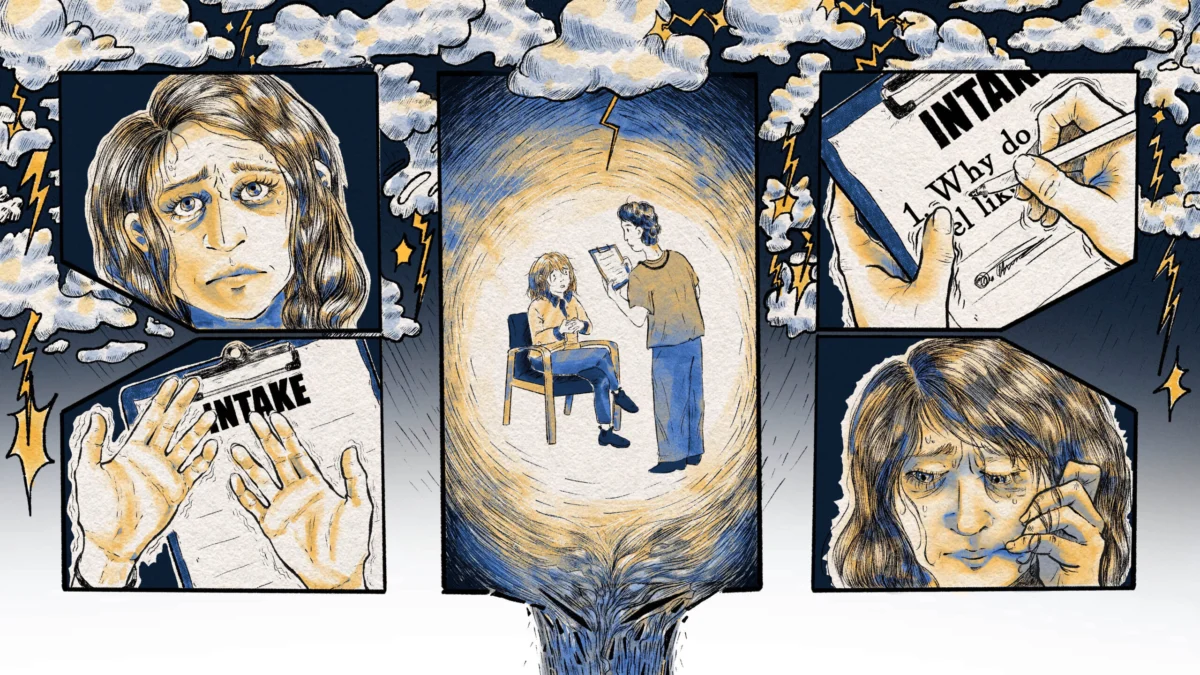
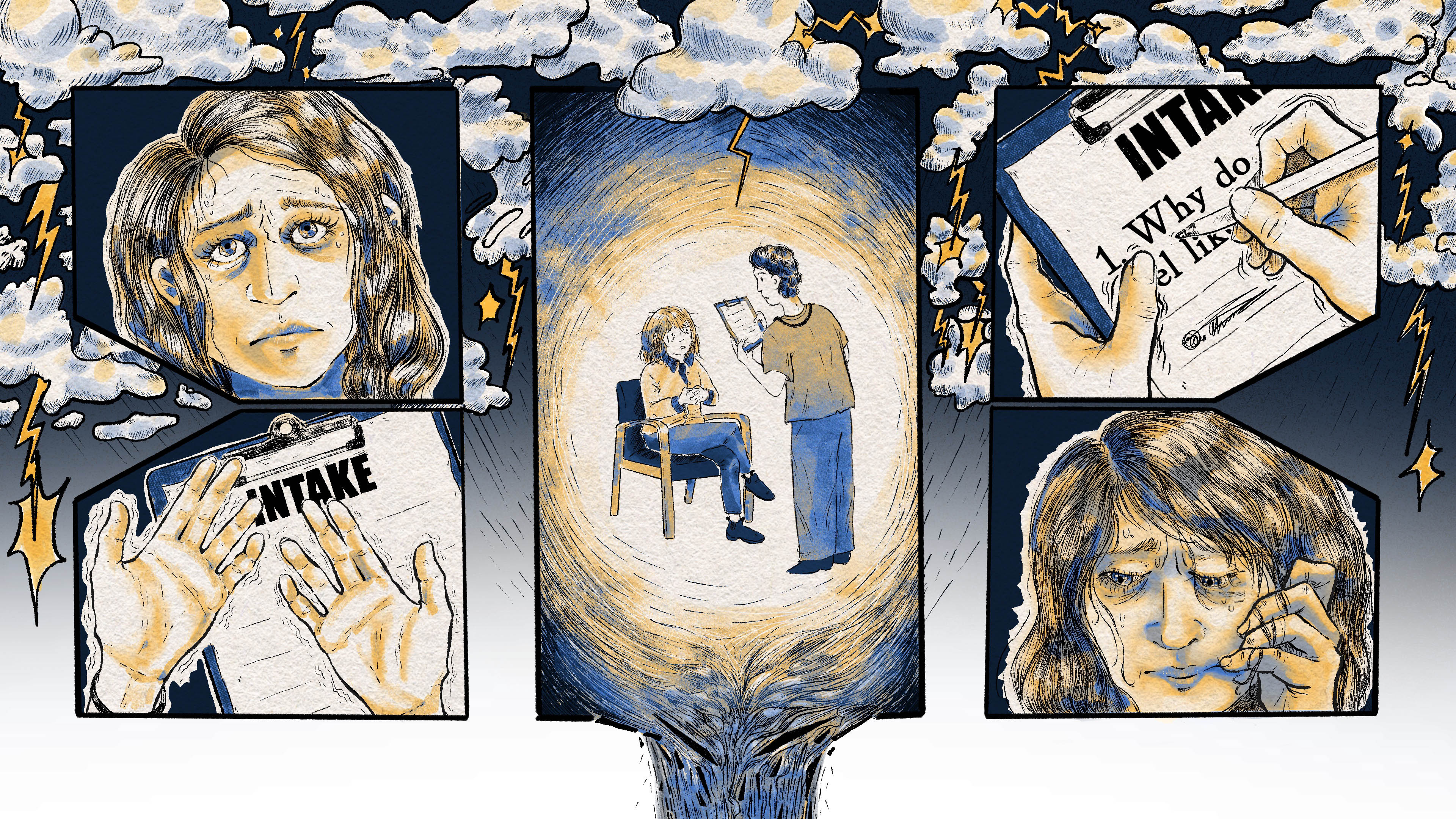
Eight days before her 33rd birthday, the author found herself in a crisis clinic near Denver, deemed an imminent danger to herself. The subsequent hours were not filled with therapeutic intervention but with a desperate search for an inpatient psychiatric bed. Clinic staff contacted area hospitals, only to be met with full units. The stark reality: no available beds meant an involuntary 72-hour hold translated into a night spent in a recliner at the clinic, adrift in a disassociated haze, punctuated by brief, fitful sleep. This experience is not an isolated incident but a symptom of a national epidemic of insufficient mental health infrastructure.

The roots of this crisis stretch back to the mid-20th century. Following the development of antipsychotic medications and a growing recognition of the inhumane conditions in many state-run asylums, the era of deinstitutionalization began. The aim was to move individuals with severe mental illnesses from large institutions into community-based care. This shift, championed by initiatives like President John F. Kennedy’s 1963 Community Mental Health Act, aimed to provide more humane and integrated treatment. However, policy shifts, including a prohibition on federal Medicaid funds for inpatient psychiatric care in facilities exceeding 16 beds, intended to foster community care, inadvertently contributed to a dramatic decline in available psychiatric beds. According to the American Psychiatric Association, the number of psychiatric beds in the U.S. peaked at over half a million in 1955. By 2023, this number had plummeted significantly, with a 2025 study indicating a stark drop in hospitals offering inpatient psychiatric units. Current estimates suggest the nation has approximately 28.4 inpatient psychiatric beds per 100,000 people, falling far short of the 60-bed ratio often cited as an optimal level by researchers.
This scarcity has created what the American Psychiatric Association terms a "crisis." Emergency rooms are overwhelmed with individuals suffering from acute mental health conditions, inpatient stays are often cut short to expedite bed turnover, and those most in need of critical care are left without it. Zoe Lindenfeld, an assistant health policy professor at Rutgers University, who co-authored studies on this issue, poignantly asks, "Where are these people going? For people who don’t receive this care, they don’t just go away. How is it affecting them? Society? Their families?" The human cost of this systemic failure is immense, impacting individuals, their families, and the broader community.
Adding to the strain on mental healthcare resources are recent policy decisions and proposed budgetary changes. The White House’s decision to cease support for a specific part of the national suicide hotline catering to LGBTQ+ youth, coupled with President Trump’s 2027 budget proposal suggesting cuts to mental health agencies, signals a complex and often contradictory national approach to mental well-being. Furthermore, Health and Human Services Secretary Robert F. Kennedy Jr.’s announcement of a plan to reduce the "overuse of psychiatric medications" indicates a push for alternative treatment modalities, which, while potentially beneficial, must be carefully implemented within a robust and accessible care system.
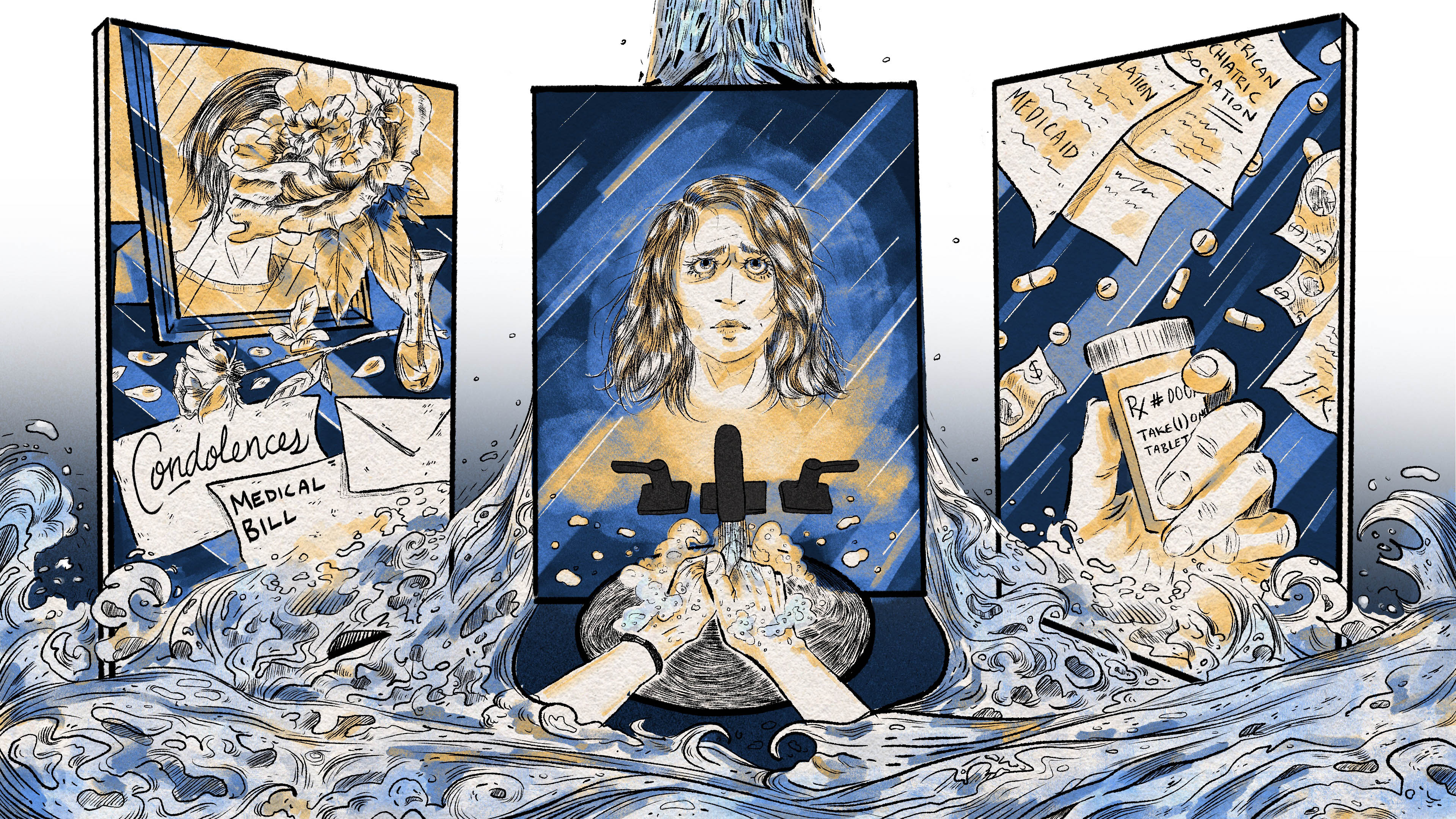
The author’s personal journey into the mental healthcare system was preceded by a profound loss. She was intimately familiar with the system’s fractured nature through her wife’s struggle with mental illness, which tragically ended in suicide after their separation. The waitlists, overburdened outpatient programs, and the scarcity of inpatient care meant that access often hinged on reaching a critical point of crisis. Years later, grief and anxiety propelled the author from an observer to a patient. Waking disoriented at the crisis clinic, the stark reality of her situation, symbolized by the unlatcheable bathroom door designed for constant observation, underscored her vulnerability. The reflection in the mirror, juxtaposed with memories of her wife’s memorial and mounting medical bills, highlighted the deeply personal and devastating intersection of mental health, loss, and systemic inadequacy.
The historical trajectory of mental health treatment in America is a complex narrative of shifting philosophies and policies. From the early asylums of the 19th century, which promised "moral treatment" but often devolved into overcrowded facilities, to the post-World War II era of burgeoning psychiatric hospitals, the landscape has continuously evolved. The peak in psychiatric bed availability in 1955 marked a high point in institutional care. However, the subsequent decades witnessed a paradigm shift. The widespread adoption of psychotropic medications offered new treatment possibilities, while a growing ethical imperative to deinstitutionalize led to the closure of many large state hospitals. This was further accelerated by President Kennedy’s vision of community-based mental health centers.
While the intention behind these reforms was to create a more humane and integrated system, the unintended consequences have been severe. The policy disallowing federal Medicaid funds for inpatient psychiatric care in facilities with more than 16 beds, established two years after Kennedy’s act, created a significant barrier to expanding inpatient capacity. This has led to a situation where individuals with severe mental illnesses are often forced to "board" in emergency departments, waiting for an available psychiatric bed, a process that can take days or even weeks. Research by the Treatment Advocacy Center indicates that lengths of stay in state psychiatric hospitals are shrinking, while readmission rates are increasing, suggesting that patients are not receiving sufficient long-term care. Compounding this issue, a significant number of individuals with mental illness end up incarcerated, languishing in jails for extended periods, highlighting a critical failure in providing appropriate care within the community or specialized facilities.
Despite a substantial increase in mental health expenditures in the U.S. from $32 billion in 1986 to $186 billion by 2014, the proportion allocated to inpatient care has decreased from 42% to 27%. This shift in funding priorities, coupled with the 1999 Supreme Court decision in Olmstead v. L.C., which mandated states to provide home and community-based services, has further de-emphasized inpatient psychiatric care. Leslie Carpenter, legislative advocacy manager at the Treatment Advocacy Center, aptly summarizes the complex interplay of good intentions and adverse outcomes: "The road to hell is paved with good intentions. A lot of these bills, including the Community Mental Health Act, were really well intended and ended up with adverse consequences."
The author’s experience at the crisis clinic continued to illustrate the systemic inertia. The second day was a slow, disorienting blur as staff continued their search for a suitable bed, a search that had begun the previous day. The uncertainty and prolonged wait amplified the anxiety and distress of an already critical situation.
The financial implications of addressing the psychiatric bed shortage are significant. In 2023, members of Congress introduced bills to amend the 16-bed Medicaid funding cap, such as the Repealing the Institution for Mental Diseases Exclusion Act and the Michelle Alyssa Go Act, which proposed increasing the cap to 36 beds. However, these legislative efforts have stalled. According to the Congressional Budget Office, eliminating the 16-bed limit could increase Medicaid expenditures by $33.5 billion between 2024 and 2033, a substantial sum that reflects the scale of the problem. Colorado State Senator Judy Amabile, who has personally witnessed the limitations of the mental healthcare system through her son’s struggles with schizoaffective disorder, stated, "No one wants to pay for any of this care that people need." This sentiment points to a fundamental challenge: the reluctance to invest adequately in mental healthcare infrastructure.
In the absence of comprehensive federal action, states are attempting to bridge the gap. Colorado, along with 15 other states and Washington D.C., has obtained waivers allowing Medicaid to fund inpatient facilities with more than 16 beds for mental health treatment. These waivers, according to KFF data, may be associated with a reduction in hospitalizations, emergency department visits, and incarcerations among adults with serious mental illness. However, even local efforts to establish much-needed psychiatric facilities face resistance. In several states, including California, Colorado, and New York, proposals for new psychiatric facilities, particularly for minors, have been met with opposition from local communities concerned about safety and property values. Behavioral health advocates argue that these concerns are often rooted in stigma rather than evidence.
While increasing inpatient psychiatric bed capacity remains a critical priority, mental health advocates also emphasize the importance of expanding community-based supports. These include peer support specialists, clubhouses that offer life skills training and community integration, and other services designed to foster recovery and well-being outside of institutional settings. The author’s own experience, while ultimately leading to a bed, was a rare stroke of luck. She was transferred to a Denver hospital at noon on the day after her hold began, marking 21 hours into her 72-hour commitment. This swift placement, while fortunate for her, highlights the precariousness of the system for countless others who may wait days or weeks for essential care.
Upon her discharge two days later, the author encountered another individual leaving the psychiatric hospital, who revealed it was his third hospitalization in a year. This brief exchange underscored the cyclical nature of severe mental illness when adequate long-term support and consistent treatment are not readily available. As the author offered a "good luck" and walked out the door, the encounter served as a poignant reminder of the ongoing struggles within a system that continues to fall short of meeting the profound needs of those experiencing mental health crises. The path forward requires not only increased funding and legislative reform but also a societal commitment to destigmatize mental illness and prioritize comprehensive, accessible care for all.
