
"We’re working on that," a well-intentioned promise to a child, encapsulates the heartbreaking reality for millions of children whose families are caught in the crosshairs of U.S. immigration policy. The ripple effects of parental detention and deportation extend far beyond legal status, inflicting profound psychological, emotional, and physical harm on a generation of young lives, most of whom are American citizens.
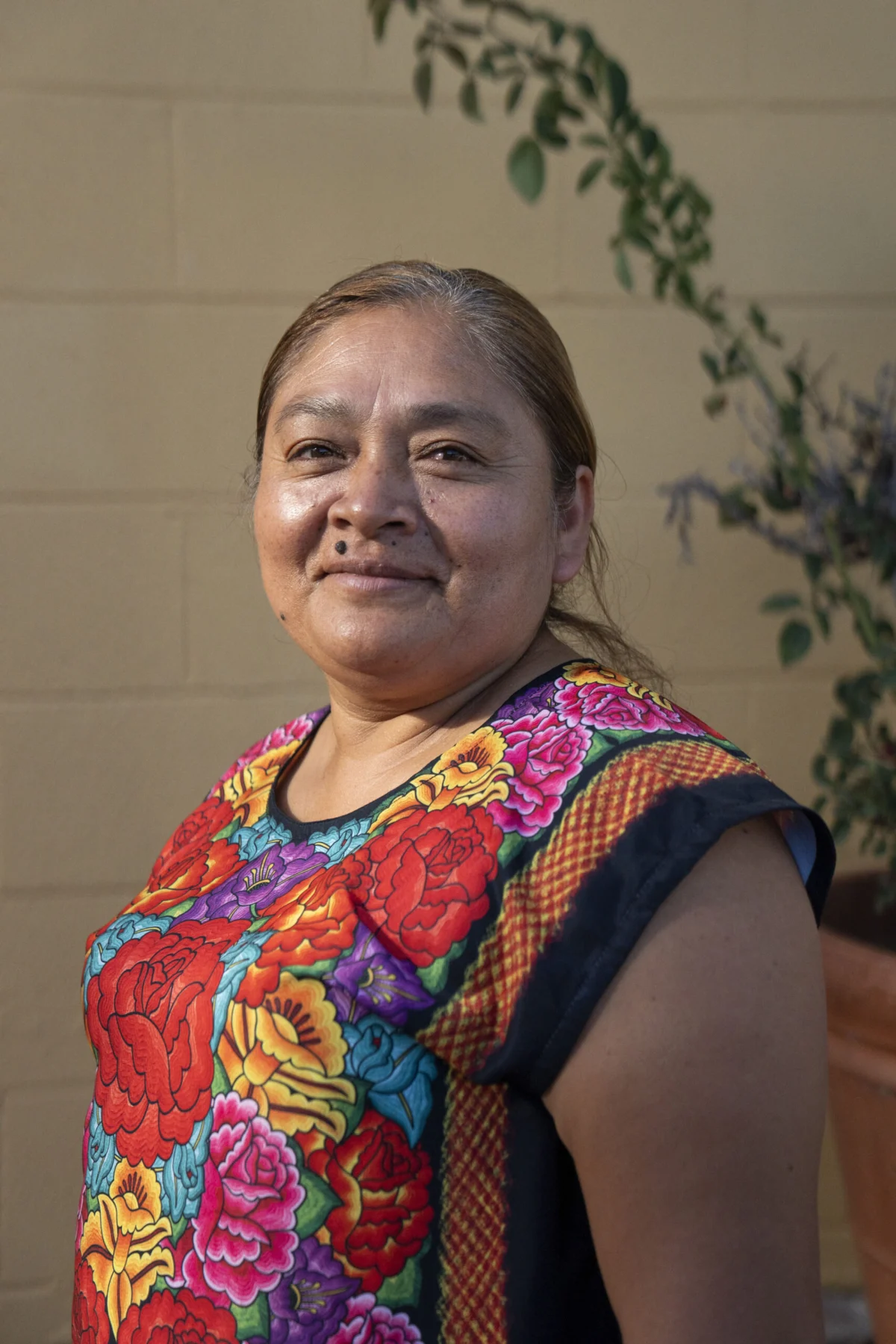
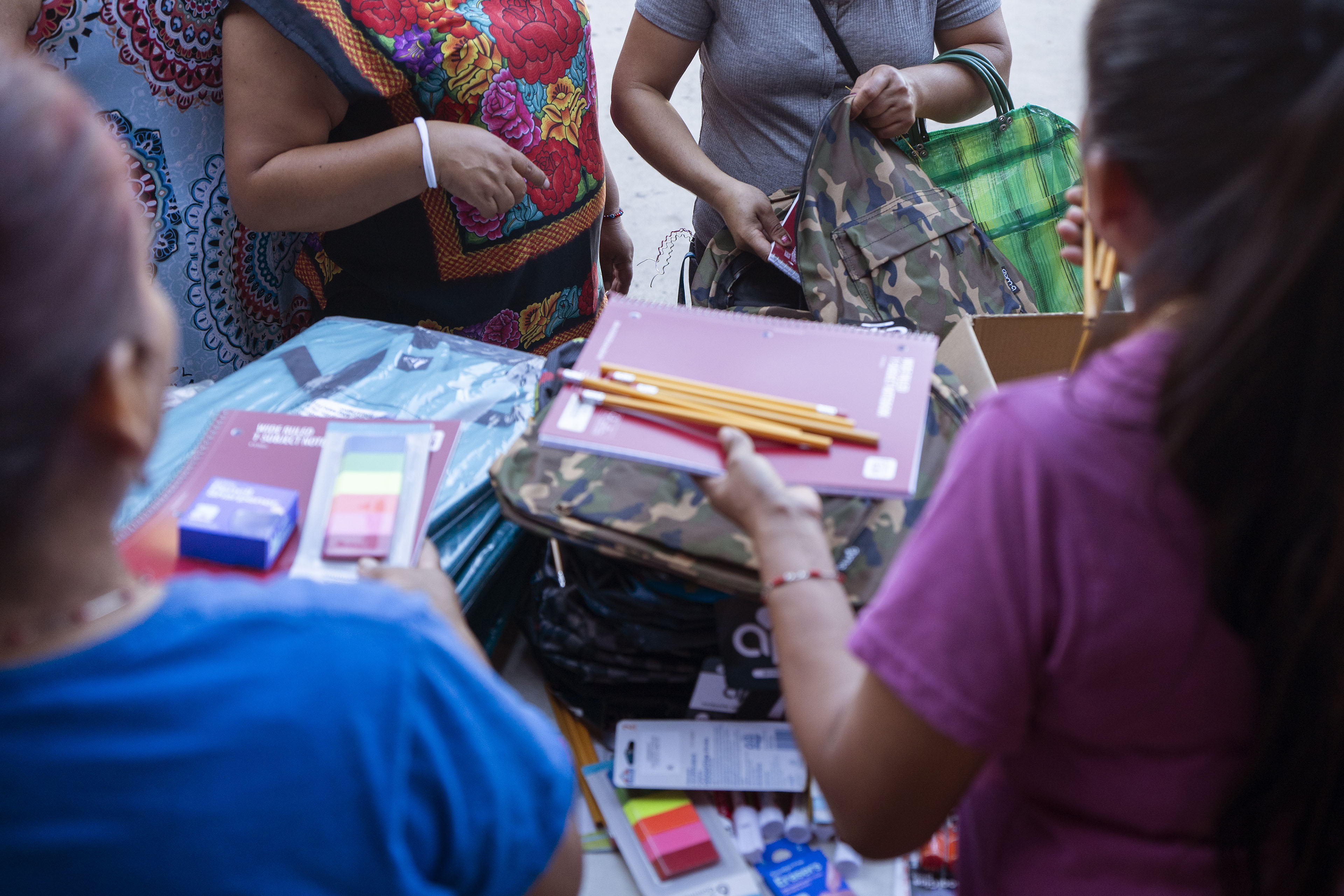
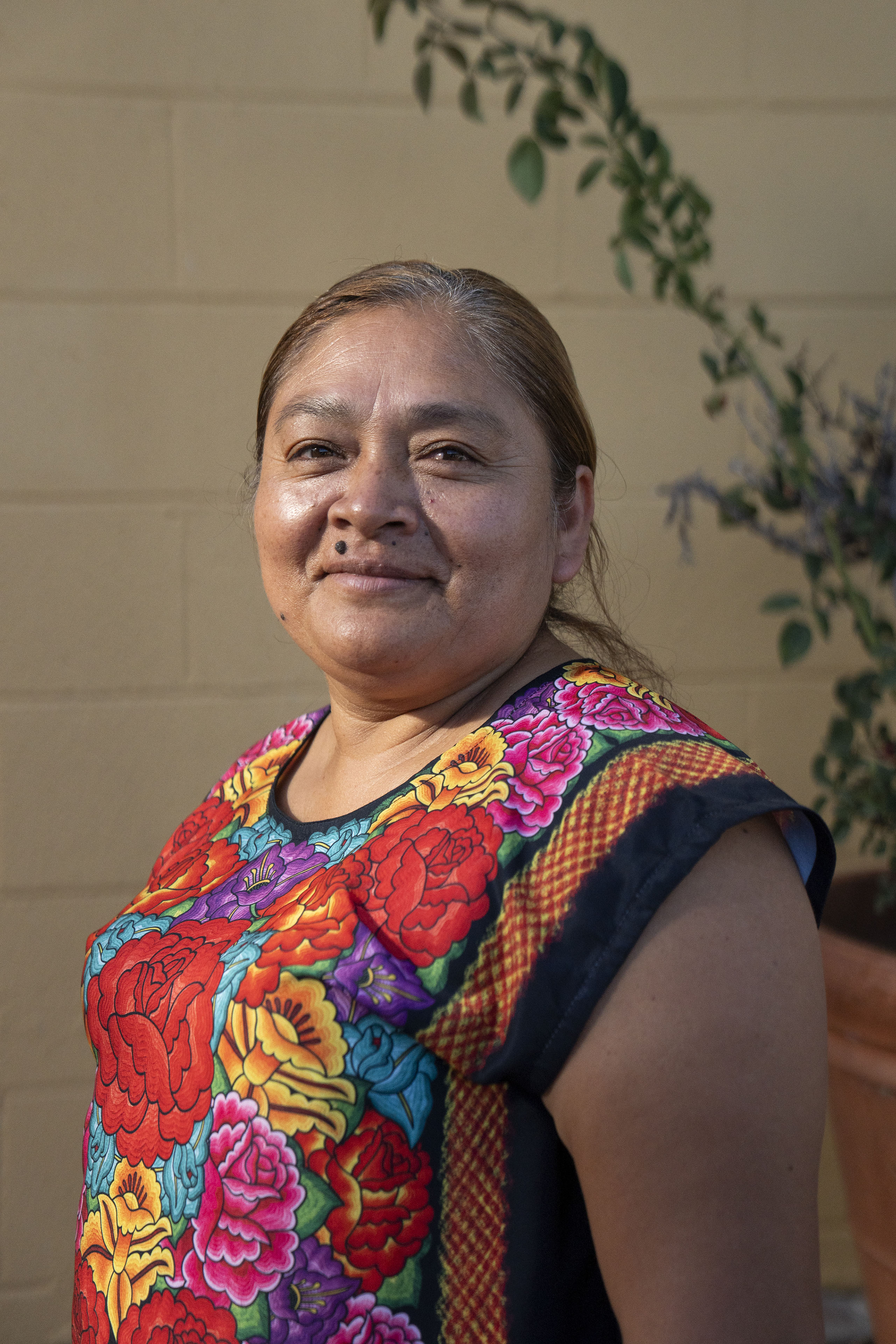
The stark plea of a young girl, her eyes wide with a desperate hope for her mother’s return, underscores the profound human cost of federal immigration enforcement. Norma Gómez, a project manager for a nonprofit providing aid to immigrant families, found herself unable to offer the immediate solace the child craved. Her bag, filled with essentials like food, diapers, and clothing, could only address the immediate physical needs of the children left behind after their parents were arrested by federal immigration agents. This incident, occurring in Oxnard, a predominantly Latino agricultural community on the Southern California coast, is a microcosm of a larger, systemic crisis affecting millions of immigrant families nationwide. Since the return of former President Donald Trump to office, policies have intensified, leading to the detention of an estimated 205,000 children with at least one parent in immigration custody through April, a number that continues to climb. The separation from parents, a deeply traumatic experience, destabilizes families, forcing remaining caregivers into a precarious struggle for housing, food, and healthcare for children. Tragically, some children are left entirely to fend for themselves.
The fallout from stringent immigration enforcement extends beyond immediate family separation. Two children in North Carolina tragically died by suicide in February 2025, reportedly after enduring bullying related to their family’s alleged immigration status. This highlights the pervasive climate of fear and distress that permeates these communities. Millions of children are witnessing their families lose access to critical resources such as medical care, food assistance, tax credits, and other vital supports as both federal and state governments curtail eligibility for immigrants, regardless of their legal status. The chilling effect of heightened federal enforcement compels parents to avoid essential activities like taking their children to school, seeking medical attention, or participating in social engagements. This fear also leads many to withdraw from or avoid enrolling their children in crucial health and nutrition programs, further jeopardizing their well-being.
Children from immigrant backgrounds, even those who are U.S. citizens, live under a constant shadow of fear. They experience heightened emotional distress, increased bullying in school, and pervasive anxiety stemming from the threat of racial profiling by Immigration and Customs Enforcement (ICE), irrespective of their or their family’s citizenship or legal residency status. It is a critical, yet often overlooked, fact that the vast majority of these children are American citizens. Approximately one in four U.S.-born children have at least one immigrant parent, with around 4.6 million of these children having a parent who lacks legal status. Wendy Cervantes, director of immigration and immigrant families at the Center for Law and Social Policy, expresses deep concern about the long-term developmental harm this generation of children faces. "This type of stress can have long-term developmental harm and can really inhibit their ability to do well in school, to have good health outcomes, and to grow into thriving, stable adults," she stated, emphasizing the lasting consequences on their educational attainment, health, and future stability.
Curbing Public Benefits and Deepening the Crisis
The administration’s approach to immigration has demonstrably prioritized enforcement, with significant policy shifts impacting immigrant families. Upon his return to office, the former President issued an executive order aimed at ending birthright citizenship for children born to parents without legal status or on temporary visas, a measure that was ultimately blocked by the Supreme Court. Concurrently, billions of dollars have been allocated to immigration enforcement, leading to the detention of parents of an estimated 145,000 U.S. citizen children as of April. This aggressive stance has also involved efforts to rescind Temporary Protected Status (TPS) for over a million immigrants, many of whom have U.S. citizen children, and has stalled the renewal of Deferred Action for Childhood Arrivals (DACA), impacting the parents of approximately 300,000 citizen children.
White House officials argue that these immigration crackdowns benefit American citizens by freeing up resources, reducing strain on public services, and enhancing the integrity of the immigration system. However, studies indicate that mass deportations can negatively impact U.S. workers. Proponents of stricter policies, including former President Trump and other Republican leaders, contend that birthright citizenship incentivizes unauthorized immigration and "birth tourism." They also argue that TPS has allowed individuals from "dangerous, third-world countries" to remain in the U.S. indefinitely, a situation they view as contrary to the program’s temporary nature.
In response to inquiries about the long-term harm to children and increased healthcare costs, a White House spokesperson reiterated criticisms of the previous administration’s immigration policies, stating, "The real story is the psychiatric impact on the tens of thousands of children who were smuggled across the border – many by human and sex traffickers." This framing deflects from the documented impacts of current enforcement policies on families already residing in the U.S. Public opinion on the administration’s immigration handling remains divided, with a recent Associated Press-NORC Center for Public Affairs Research poll indicating that only 39% of Americans approve of former President Trump’s approach.
Stephen Miller, a key architect of the former President’s immigration agenda, has asserted that the children of immigrants strain public resources and perpetuate issues from their home countries. However, research consistently demonstrates that immigrants tend to earn more and achieve better outcomes the longer they reside in the United States. Their children also exhibit rapid assimilation. Data further indicates that immigrants rely less on welfare programs than native-born Americans. Miller’s perspective, expressed on social media, posits that "You are not just importing individuals. You are importing societies. No magic transformation occurs when failed states cross borders. At scale, migrants and their descendants recreate the conditions, and terrors, of their broken homelands." This viewpoint contradicts empirical evidence on immigrant integration and economic contributions.
Further exacerbating the situation, a recent tax-and-spending law has restricted immigrant eligibility for essential health and food assistance programs. New "public charge" rules grant immigration officers broad discretion to deny green cards to lawfully present immigrants if they or their family members have utilized public benefit programs. This policy could lead to over a million U.S. citizen children disenrolling from safety net healthcare programs.
Together but Afraid: The Psychological Toll
The trauma of parental separation is profoundly damaging for children, potentially leading to lifelong health issues such as anxiety, depression, cardiovascular disease, and learning difficulties. Studies on children separated from their parents at the border during the previous Trump administration revealed lasting trauma. Deportations and detentions of immigrant parents, coupled with the constant threat thereof, have been linked to widespread emotional trauma, increased school dropout rates, housing instability, and hunger among both immigrant and U.S.-born children. The societal cost of this trauma is substantial, with a 2024 study by federal researchers estimating that health conditions related to childhood trauma accounted for $292 billion in healthcare spending in 2021 alone, including costs borne by taxpayer-funded programs like Medicaid and Medicare.
Emmanuel, a 13-year-old in Oxnard, experiences heightened anxiety whenever his father, a farm laborer, leaves for work. He constantly seeks reassurance from his mother, Ana, about his father’s return and worries about their fate if his parents were detained. His apprehension extends to public outings, where he urges his mother to hurry, fearing the sudden appearance of ICE. KFF Health News is withholding their full names due to concerns about deportation.
Medical professionals and therapists report a significant increase in mental health issues, particularly anxiety, among children from immigrant families. Kimberly McNally, a pediatrician at Venice Family Clinic, notes that she regularly refers children of all ages for mental health services due to fears of parental separation. At daycare centers, children have been observed bringing extra bags, anticipating that their parents might not be able to pick them up, according to Liza Davis, advocacy director for Children in Immigrant Families at The Children’s Partnership.
The profound distress can tragically lead to extreme actions. In June, 19-year-old Eliel José took his own life after his father was deported from the Atlanta area to Mexico, as reported by Univision. Rosie Harrison, executive director of Grow Initiative GA, an organization supporting low-income families, has received calls from immigrant parents seeking assistance for children experiencing suicidal ideation and depression. These situations are often compounded by a lack of health insurance and the inability to afford therapy, frequently stemming from job losses due to worksite raids or eligibility changes imposed by the administration. "I’m concerned about the families that are going to be burying their child," Harrison stated. "I’m concerned that we are going to miss out on having an amazing person do amazing things for our community, for our country, because they took their life."
Strength Under Pressure: Resilience Amidst Adversity
Despite the immense challenges, many children are demonstrating remarkable resilience. In a poignant role reversal, some children have assumed protective roles for their parents, managing grocery shopping and accompanying younger siblings to school to minimize their parents’ exposure to potential enforcement actions. Giselle Gonzalez, a university student and volunteer with the immigrant protection network VC Defensa in Ventura County, recounts a summer morning in Thousand Oaks when children on bicycles alerted neighbors to ICE agents apprehending factory workers and gardeners. This community vigilance highlights a grassroots response to enforcement actions.
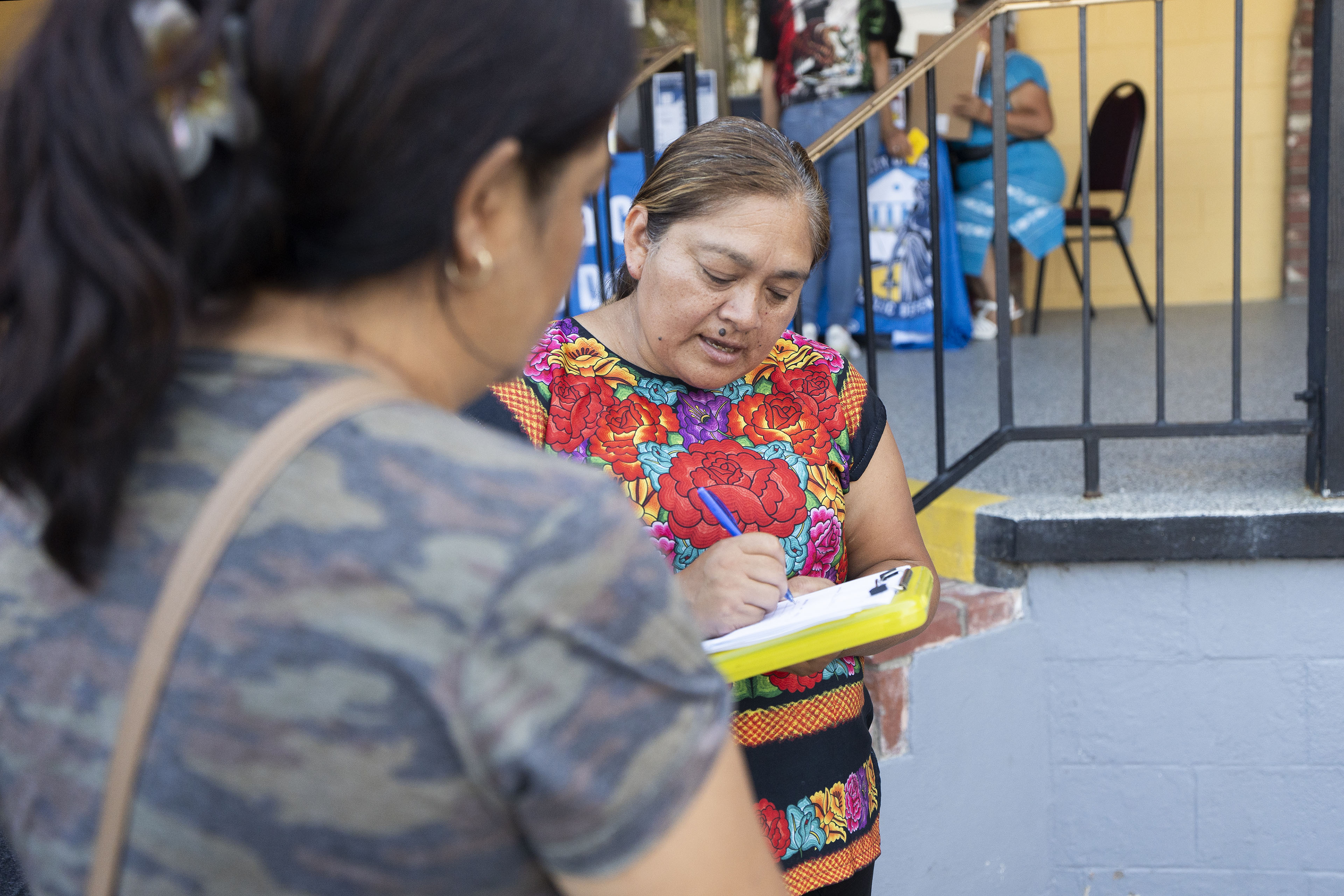
Neighbors, community groups, healthcare providers, and other organizations have mobilized to support children and families affected by immigration enforcement. Their efforts include delivering groceries, offering free therapy, escorting children to school, and assisting parents in developing emergency childcare plans in the event of detention or deportation. Ultimately, academic experts and advocates emphasize that more humane immigration policies and enforcement tactics are imperative to halt the ongoing harm to children.
Researchers at Arizona State University have identified the Family Case Management Program, launched under President Obama in 2016, as a model for keeping families together while upholding immigration laws. This pilot program allowed families seeking asylum to remain in their communities while their cases were pending, providing support through case managers. The program, which proved successful and cost-effective, was terminated by the subsequent administration.
At Venice Family Clinic in Los Angeles, case manager Mabel Alavez witnesses the pressures on families who remain intact but live under the constant threat of separation. Many of these individuals, parents or grandparents who have resided in the U.S. for decades, fear taking their children to school, parks, or beaches. They question the safety of enrolling their U.S.-born children in Medicaid and seek assistance with potential evictions due to lost income and the inability to afford rent. Alavez frequently helps families create plans for child custody in case of detention. Having grown up in an immigrant family herself, Alavez understands the complexities faced by first-generation American children navigating adolescence, education, and a sense of belonging in a country their parents may not have been born in. "It’s hard for me to imagine how they could possibly do that in addition to what’s going on now," she reflected. "I do feel like there will be a big impact on them. What that might look like, I’m not exactly sure."
