
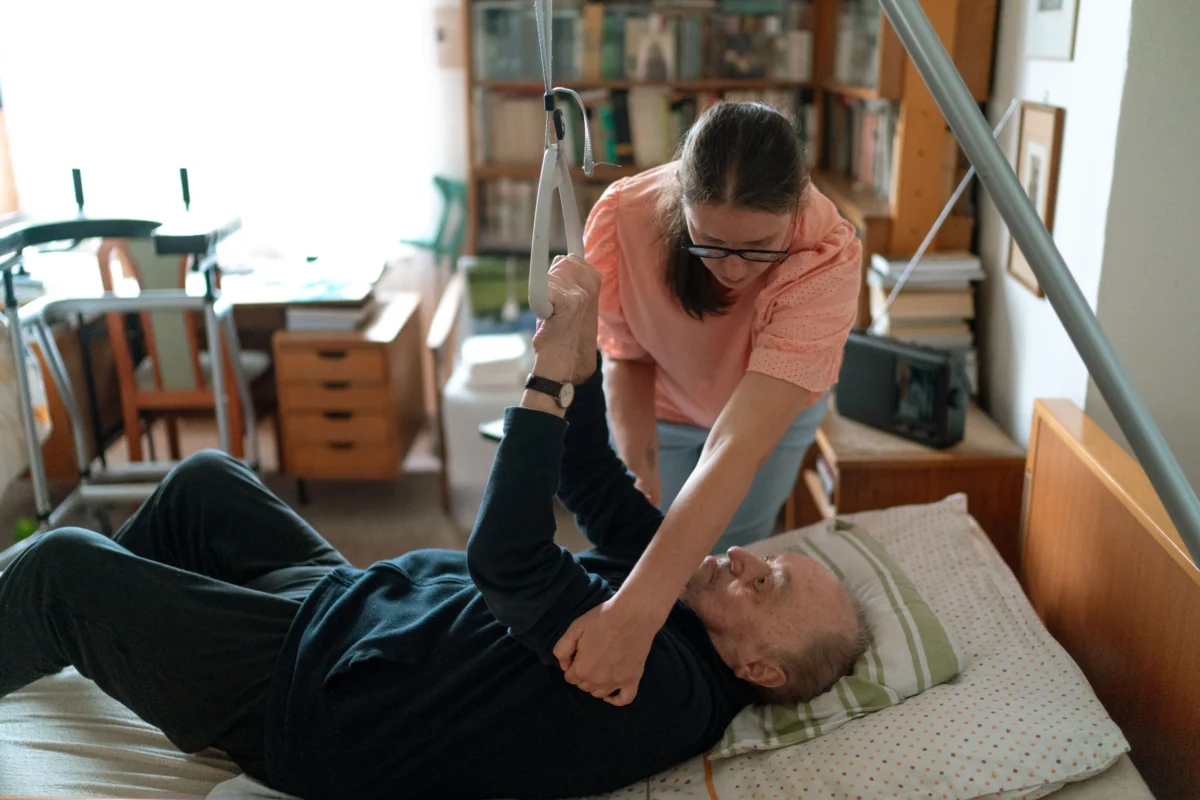
"A stroke can manifest in profoundly unexpected ways, sometimes months after the initial event. In one remarkable case, a Japanese man’s attempt to move his paralyzed limb triggered an involuntary, melodic repetition of a single syllable, highlighting the brain’s complex rewiring after injury."
Eleven months after a debilitating stroke left him with paralysis on his left side, a 63-year-old Japanese man began exhibiting a peculiar vocalization: the repeated syllable "wai." This was not a random utterance; it emerged with a distinct singsong cadence, primarily synchronized with his walking pace. This unusual symptom, documented by researchers in the psychiatry and neurology departments at Nihon University School of Medicine in Tokyo, was described in the July 2024 issue of Frontiers in Human Neuroscience. The medical team designated this phenomenon gait-induced palilalia, noting it as the first reported instance of palilalia specifically triggered by bodily movement.
The patient’s referral to the psychiatric department was not for the syllable itself, but for the significant distress and behavioral changes it induced. He had become increasingly irritable and prone to aggressive outbursts, which his physicians attributed to the overwhelming stress of an uncontrollable and repetitive vocalization. This case underscores the profound psychological impact that neurological damage can have, often manifesting in ways that extend far beyond the immediate physical deficits.
The patient’s medical history revealed pre-existing conditions including diabetes, high cholesterol, and an abdominal aortic aneurysm. The stroke, which affected the right frontal and parietal regions of his brain, resulted in persistent left-sided weakness that never fully recovered. Eight months post-stroke, he experienced a brief loss of consciousness followed by a fall, leading to treatment for suspected post-stroke epilepsy with antiepileptic drugs, levetiracetam and later lacosamide. Despite these interventions, the repetitive vocalizations, which began approximately three months after the fall, remained unaffected.
Detailed video analysis revealed a striking pattern: the "wai" syllable would commence a few seconds before the patient initiated walking and its rhythm seamlessly aligned with his gait. The only effective method to cease the repetition was to stop walking entirely, although even then, the melodic vocalization would often persist for several minutes, gradually fading in intensity and losing its musical quality. Further investigation by his doctors indicated that the melodic repetition was primarily triggered when the patient attempted to bend and straighten his paralyzed left knee. This observation strongly suggested that the effort to move the weakened limb, rather than walking in general, served as the catalyst for the unusual speech pattern.
Palilalia, a rare speech disorder characterized by the involuntary repetition of one’s own words, syllables, or phrases, was first formally described by French neurologist Alexandre-Achille Souques in 1908. His initial report also involved a stroke patient with left-sided paralysis, as noted in a 1989 letter published in the Journal of Neurology, Neurosurgery and Psychiatry. Since then, palilalia has been observed in various neurological conditions, including parkinsonism, Tourette syndrome, Pick’s disease, and injuries to the basal ganglia, a group of subcortical nuclei crucial for motor control, learning, and cognition.
Despite its association with several neurological disorders, palilalia remains an uncommon condition. A Korean report identified approximately 29 published cases stemming from diverse neurological injuries, with most accounts focusing on single patients. Prior to this Japanese case, descriptions of palilalia typically involved spontaneous speech or responses to verbal prompts. The Tokyo-based research team’s publication marks a significant departure, being the first to document palilalia triggered by physical movement.
Neurological assessments revealed the extent of the stroke’s impact on the patient’s cognitive and linguistic functions. He scored a low 15 out of 30 on a standard cognitive screening test and an aphasia quotient of 39, indicative of severe aphasia. His speech was characterized by nonfluency, and the palilalia frequently interrupted his attempts to articulate longer sentences. Magnetic Resonance Imaging (MRI) scans provided further insight into the affected brain regions. Crucially, the stroke had spared the right precentral gyrus, the primary motor cortex responsible for direct motor control, and the area immediately beneath it. However, the scans did reveal small strokes in the basal ganglia on both sides of the brain and evidence of long-standing white matter damage, suggesting a broader impact on neural connectivity. To rule out an epileptic origin, a video electroencephalogram (EEG) was performed. This monitoring captured no seizure-like brain activity, even during instances when bending his knee triggered the palilalia.
The researchers proposed that the brain had undergone a process of reorganization and rewiring in the months following the stroke, adapting to the damaged neural tissue. Their focus shifted to the right premotor cortex, a brain region involved not only in the planning and preparation of movements but also, according to prior research, in the generation of melody. Their hypothesis suggests that this rewired network might have inadvertently forged a link between the effort of moving his paralyzed leg and the production of a musical sound, leading to the rhythmic vocalizations.
While this explanation offers a compelling perspective, the authors acknowledge its speculative nature. The presence of small strokes within the basal ganglia, a region consistently implicated in palilalia, could have contributed to the symptom. To definitively pinpoint the responsible neural circuitry, the researchers suggested that more advanced neuroimaging techniques, such as functional MRI or event-related potential testing, would be beneficial.
The phenomenon of delayed-onset symptoms following a stroke is not entirely unprecedented. A 2003 report described a 73-year-old German woman who developed involuntary vocalizations of words and meaningless syllables several months after experiencing bleeding in her thalamus, a key relay center for sensory and motor signals. This case, like the current one, highlights the potential for neurological sequelae to emerge long after the initial insult.
Interestingly, the patient’s treatment took an unexpected turn. Carbamazepine, an established antiepileptic drug with mood-stabilizing properties, was initiated to address his aggression. As the dosage was gradually increased to 600 milligrams per day, a remarkable improvement was observed. After five months on this regimen, the gait-induced palilalia had almost entirely resolved, and his aggressive tendencies also diminished. Notably, no significant side effects were reported.
The research team posited that carbamazepine might have exerted a calming effect on the reorganized neural network. They drew a parallel to its use in other conditions believed to involve cortical rewiring, such as phantom limb pain. The differing efficacies of lacosamide and carbamazepine were tentatively attributed to their distinct mechanisms of action on sodium channels within nerve cells, though this hypothesis remains to be empirically tested.
This case, being a singular event, presents inherent limitations. The precise brain area responsible for the symptom and the exact mechanism by which carbamazepine proved effective could not be definitively established. Furthermore, given that carbamazepine was initially prescribed for aggression, the observed improvement in palilalia could potentially be influenced by other factors, including the natural course of recovery or unrelated therapeutic interventions.
Nevertheless, this report serves as a crucial reminder of the complex and often delayed manifestations of stroke. The emergence of new involuntary sounds, words, or movements months after a stroke should prompt immediate consultation with a neurologist, rather than being dismissed as part of the recovery process. Similarly, changes in mood, such as increased irritability or aggression, warrant prompt medical attention, as they may be indicative of an underlying, treatable neurological symptom.
The public health advisory from the Centers for Disease Control and Prevention (CDC) remains paramount: individuals experiencing sudden weakness, facial drooping, or difficulty speaking should call 911 immediately, as these are critical indicators of a stroke. This case underscores that the brain’s capacity for adaptation and the potential for novel symptoms to arise long after the initial injury necessitate ongoing vigilance and comprehensive medical evaluation for stroke survivors.
